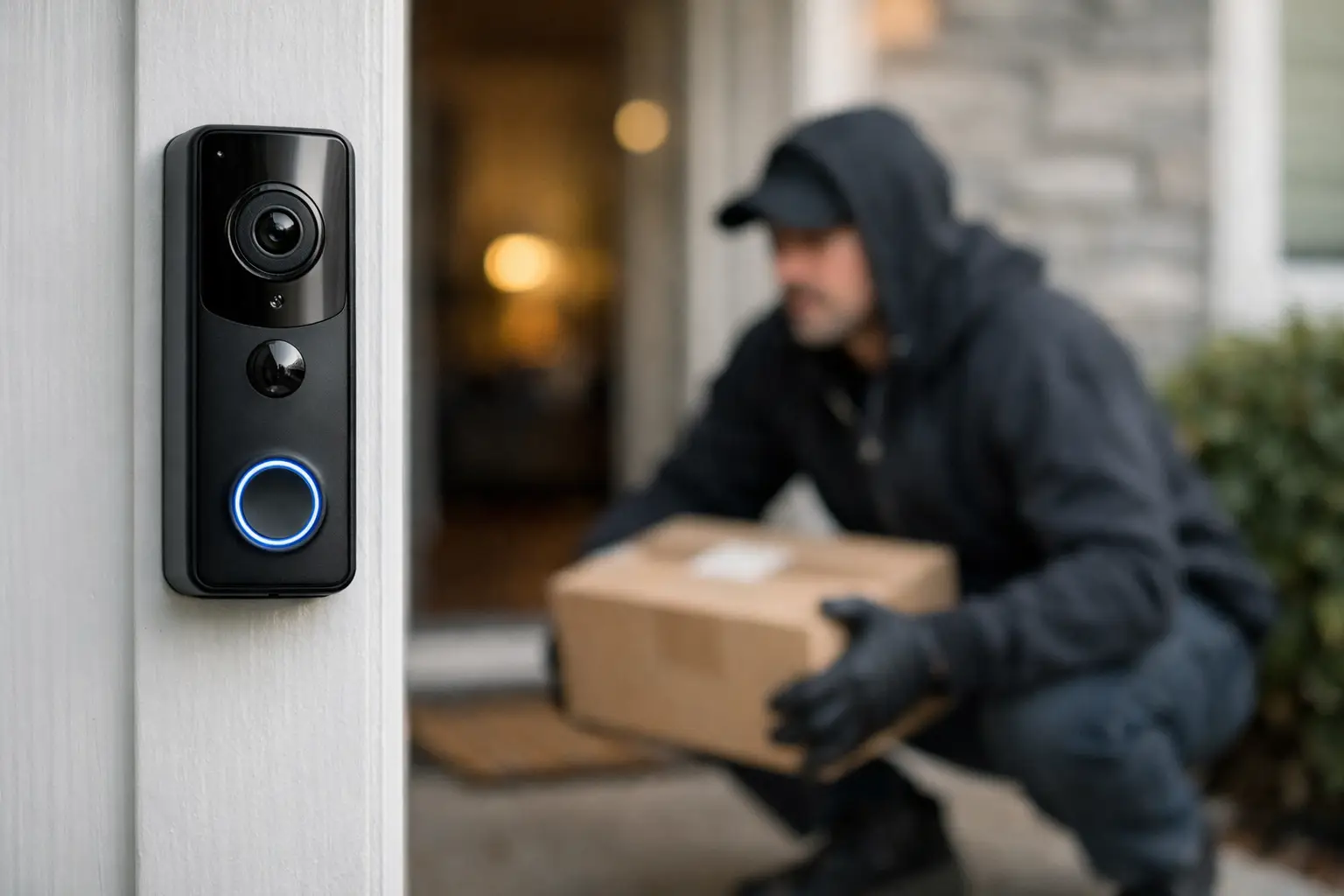
Package theft usually happens fast. A delivery hits the porch, someone walks up like they belong there, and the box is gone before anyone inside even knows it happened. That is exactly how doorbell cameras reduce theft – by making the front door a harder target, giving homeowners immediate visibility, and creating a record that can support a faster response.
For many households, the front entry is the most exposed part of the property. It is where deliveries are left, where strangers approach first, and where a burglar often tests whether anyone is home. A doorbell camera changes that equation. It does not make theft impossible, but it adds pressure, visibility, and accountability in a way that often causes would-be thieves to move on.
How doorbell cameras reduce theft in real life
Most theft is based on opportunity. If someone sees an unattended package, a dark entryway, or a home that appears empty, the risk feels low and the reward feels easy. Doorbell cameras reduce that sense of opportunity by signaling that the property is being watched.
That deterrent effect starts before any alert is sent. A visible camera at the front door tells visitors they may be recorded. For a delivery thief, that can be enough to avoid the property altogether. For someone checking whether a home is occupied, it creates uncertainty. Even a few seconds of hesitation matters because theft tends to rely on speed and confidence.
The second layer is real-time awareness. Instead of finding out about a problem hours later, homeowners can receive motion alerts, view live video, and check whether a visitor is expected. If a package arrives, you know. If someone lingers on the porch without a clear reason, you know that too. Fast awareness does not stop every incident, but it shortens the gap between activity and action.
There is also the issue of evidence. Clear video footage can help identify what happened, when it happened, and who was involved. That is useful for police reports, insurance claims, and disputes over missing deliveries. More importantly, it can support stronger monitoring and follow-up when the camera is part of a professionally installed security system.
Deterrence works because thieves prefer easier targets
Burglars and package thieves are usually looking for convenience, not confrontation. A home with visible surveillance, active notifications, and the possibility of two-way communication is simply less convenient than one without it.
A doorbell camera raises the perceived risk in several ways. The person on the porch may be recorded. The homeowner may be watching live. A voice may come through the speaker. Other connected devices may activate, such as lights or additional cameras. If the system is professionally monitored, the response may go beyond a simple phone alert.
None of this guarantees a criminal will stop. Some theft is impulsive, and some offenders ignore obvious cameras. But reducing theft is often about reducing opportunity at scale. If your home looks watched, responsive, and well protected, many criminals will choose a softer target.
Package theft is where doorbell cameras shine
Porch piracy is one of the most common reasons homeowners add a doorbell camera. Deliveries are predictable, visible, and often left in plain sight. That makes them easy to grab.
A doorbell camera helps by showing exactly when a package arrives and who approaches it afterward. You can verify deliveries, speak to a driver if needed, or ask a family member or neighbor to bring an item inside. If someone walks up and takes a box, you have a visual record instead of just a missing package.
Timing matters here. A package that sits outside for six hours is much more vulnerable than one collected within ten minutes. The faster you know it is there, the less exposure it has. That is a practical reason these cameras reduce theft, not just a psychological one.
For families who order frequently, this can make daily life much easier. You do not have to guess whether a shipment arrived. You can check your front door from your phone, whether you are at work, traveling, or upstairs with the kids.
Doorbell cameras also help prevent break-in attempts
Front-door theft is not always about packages. Sometimes a person at the door is checking for a broader opening. They may ring the bell to see if anyone answers, look for signs that no one is home, or scan for weak points around the entry.
A doorbell camera can interrupt that process. Motion detection lets you know someone is there before they even ring. Two-way audio lets you respond without opening the door. If the visitor is legitimate, that is convenient. If they are not, it tells them the home is actively monitored.
This is especially valuable during work hours, vacations, and evenings when homeowners may be away or reluctant to answer in person. A connected system makes the property feel occupied, which matters because homes that appear empty are more attractive to intruders.
Why professional installation makes a difference
Not all doorbell cameras perform the same way. Placement, connectivity, video quality, motion zones, and app reliability all affect whether the camera actually helps reduce theft. A poorly placed device that misses the porch or sends constant false alerts will not give you much protection.
Professional installation helps solve those gaps. The camera can be positioned for the right field of view, connected properly, and integrated with the rest of the security system. That means better coverage, more reliable alerts, and less frustration for the homeowner.
This matters because a security device only works if people trust it and use it. When the system is easy to manage from one app and supported by expert setup, homeowners are more likely to check alerts, review footage, and build security habits that reduce risk over time.
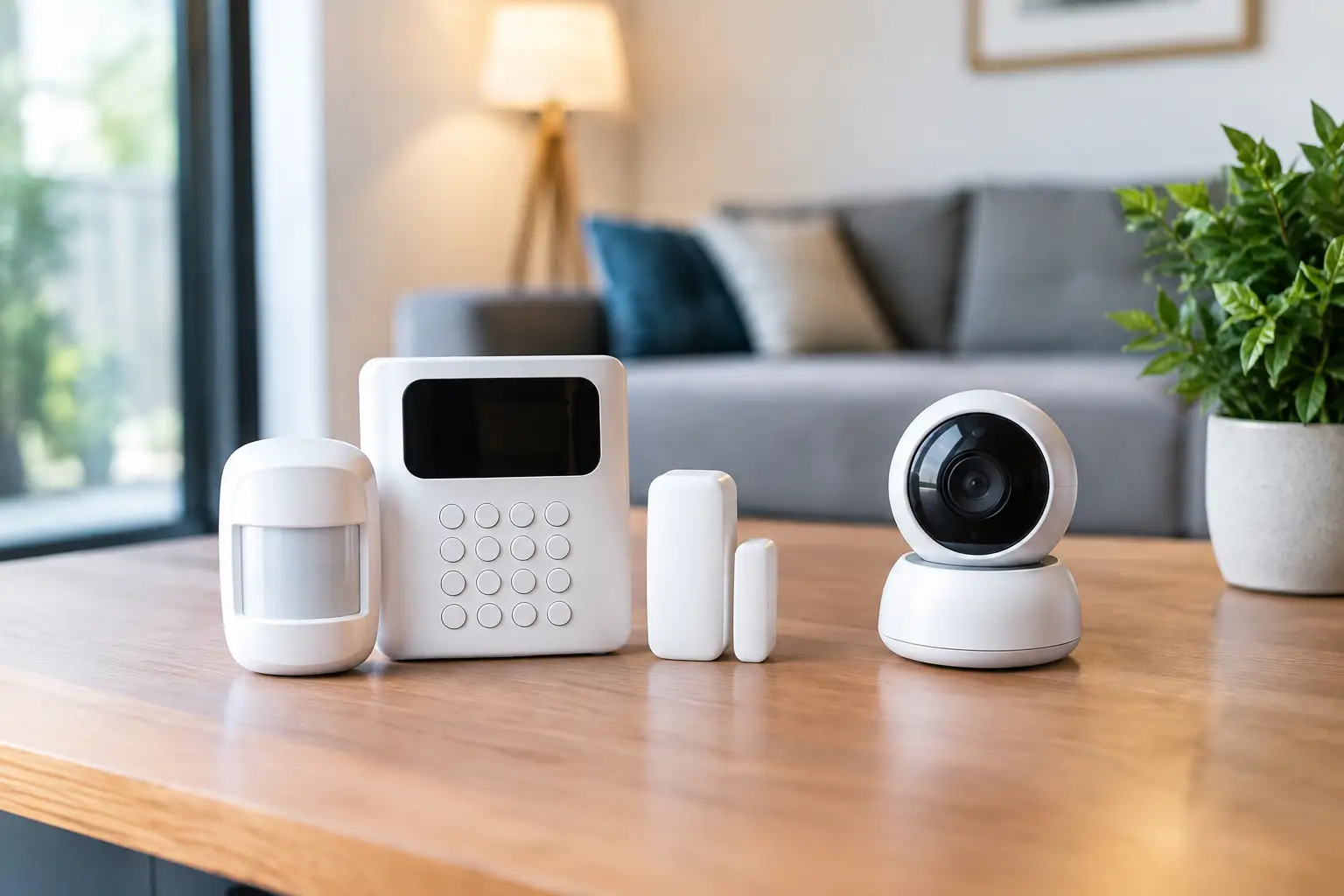
For households that want more than a standalone camera, integration is the real advantage. A doorbell camera can work alongside outdoor cameras, smart locks, lighting, and 24/7 professional monitoring to create a stronger front-entry defense.
How doorbell cameras reduce theft best when they are part of a system
A doorbell camera is strong on its own, but it becomes much more effective when it is connected to a broader security plan. Theft rarely happens in isolation. A person may approach from the driveway, test the front door, then move to a side gate or garage. One camera at the door may catch part of that story, but a full system provides context and coverage.
When integrated with other devices, the front door becomes one monitored point in a larger network. Outdoor cameras can track approach paths. Smart lights can make the exterior less inviting. Smart locks let homeowners confirm whether the door is secure. Monitoring services can add another layer of response when suspicious activity occurs.
That kind of setup is often a better fit for homeowners who want consistent protection without managing everything themselves. It also works well for small business owners who need visibility at customer entrances, office doors, or delivery points.
There are trade-offs homeowners should understand
A doorbell camera is a smart security upgrade, but it is not a cure-all. If theft happens outside the camera’s view, the device may not capture enough detail. If internet service drops, some features may be limited. Lighting conditions, weather, and heavy foot traffic can also affect alert quality.
Privacy is another consideration. Homeowners want strong visibility at the front door, but they also need settings that respect neighbors, guests, and public-facing areas. Good camera setup is not just about coverage. It is also about using the technology responsibly.
There is also the question of response. Seeing suspicious activity is valuable, but what happens next matters just as much. If alerts go unnoticed or footage is only reviewed after the fact, the camera becomes more reactive than preventive. That is why monitored, professionally supported systems are often a better long-term choice than standalone devices alone.
What to look for if theft prevention is the goal
If your main concern is stopping porch theft or deterring suspicious visitors, focus on practical performance. Clear video, dependable motion detection, mobile access, two-way audio, and strong night visibility matter more than novelty features.
It also helps to think beyond the device itself. Ask whether the camera can work with lights, locks, and additional surveillance. Ask how alerts are handled. Ask whether installation will maximize visibility at your specific entryway. A custom setup is usually more effective than a one-size-fits-all approach.
For homeowners who want a security solution that is professionally installed, easy to manage, and built to do more than just record video, Fluent Home fits naturally into that conversation. The goal is not simply to watch theft happen. It is to discourage it, spot it early, and make your property a harder place to target.
A good doorbell camera changes the front door from an easy opportunity into an active line of defense. That shift alone can make a thief think twice, and sometimes that is the difference that matters most.