A blaring siren can scare someone off. It can also be ignored.
That is the real reason a complete guide to alarm monitoring matters. The difference between a system that makes noise and a system that gets the right response, at the right time, often comes down to who is watching, how quickly they act, and how much information they have when an event happens.
For homeowners, that may mean faster help during a break-in, fire, carbon monoxide event, or flood. For small business owners, it can mean reducing after-hours risk, keeping an eye on entry points, and getting notified before a small incident becomes an expensive one. Alarm monitoring is not just an add-on. It is the part of your security system that turns alerts into action.
What alarm monitoring actually does
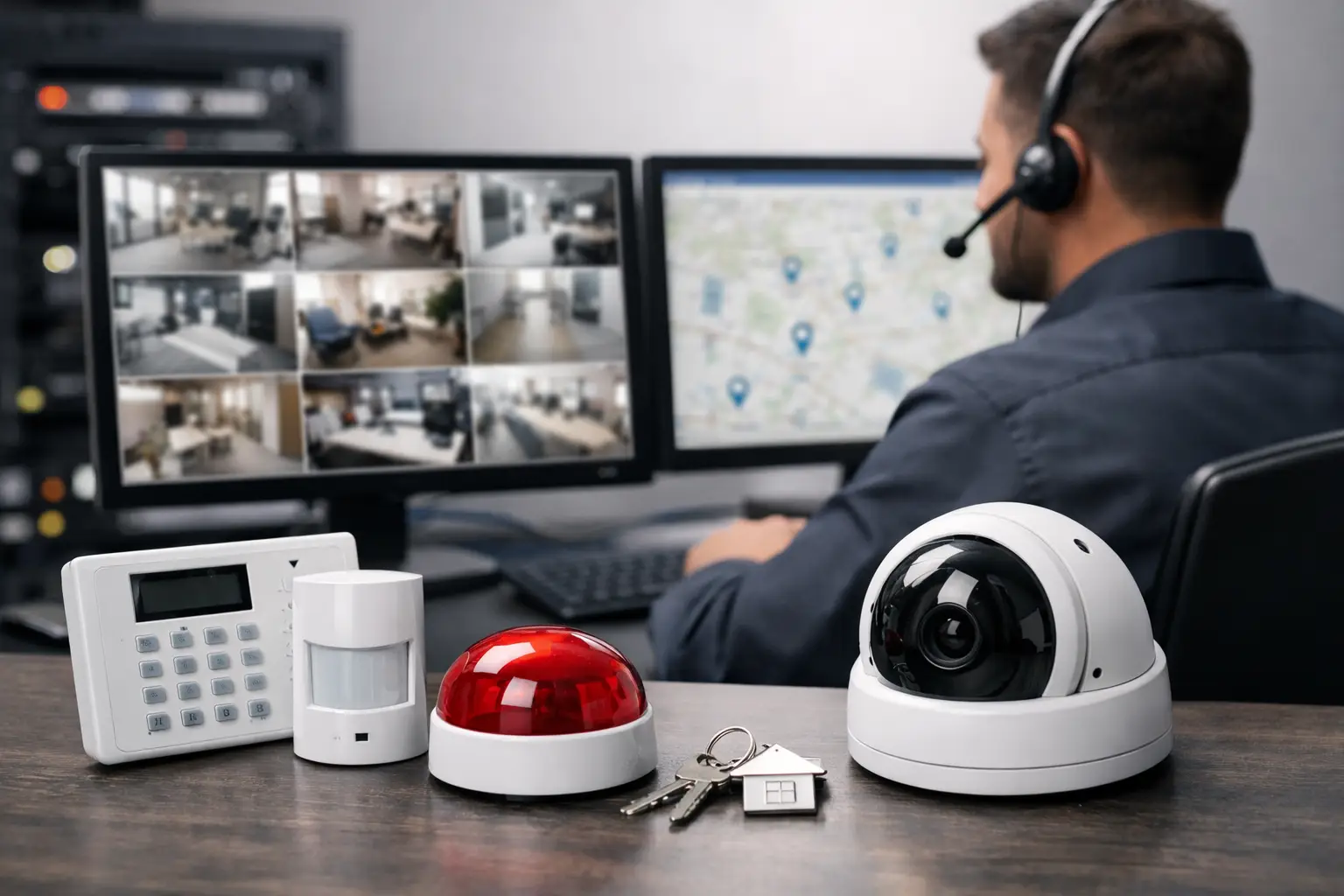
Alarm monitoring connects your security system to a professional response process. When a sensor is triggered, the system sends a signal to a monitoring center. That signal can come from a door sensor, motion detector, smoke detector, carbon monoxide detector, glass break sensor, panic button, or even a connected video event, depending on the system.
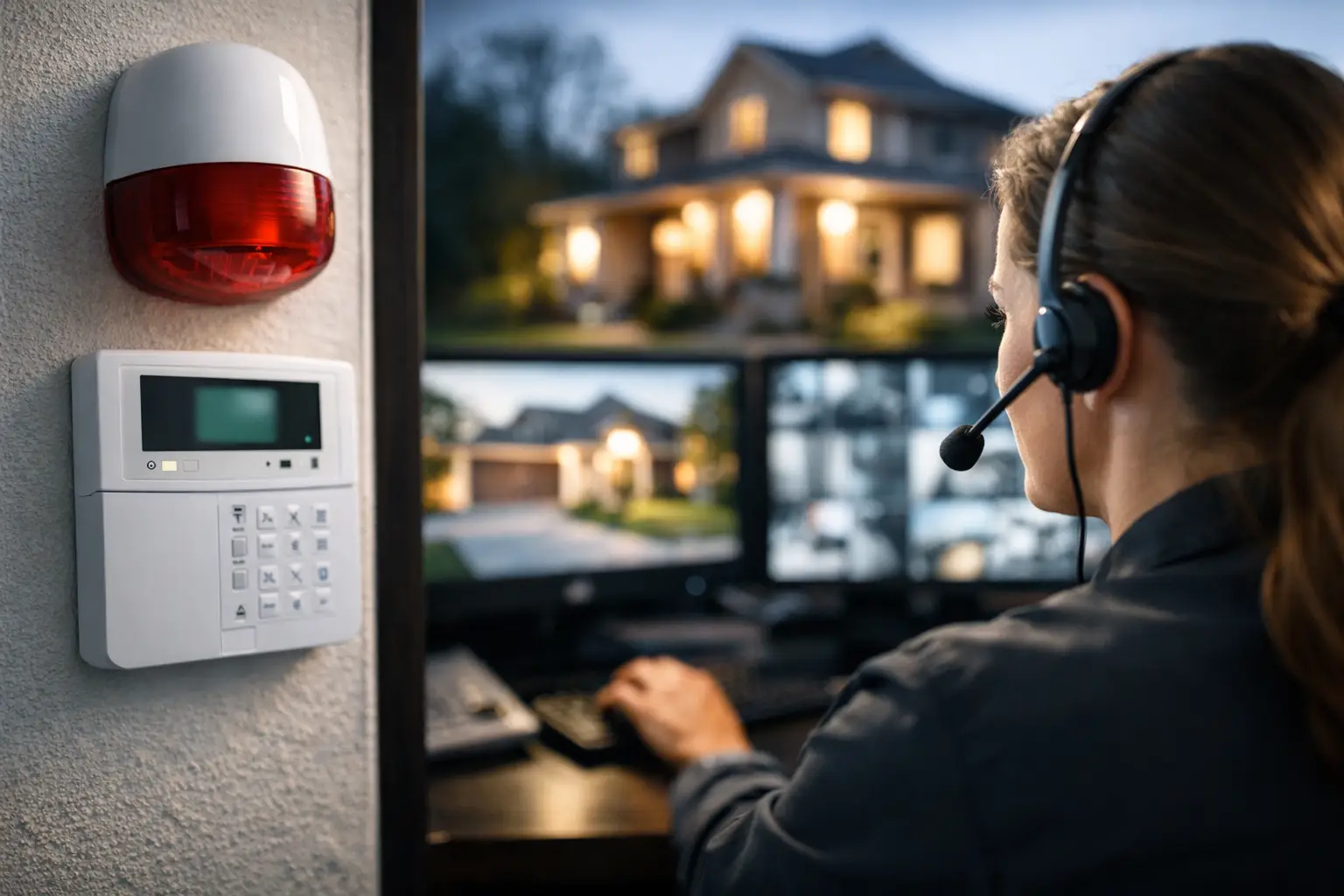
Once the signal is received, trained operators review the event and follow the response plan tied to your account. That may involve contacting you, dispatching emergency responders, verifying an alarm through video, or escalating based on the type of signal. If the event is a fire or carbon monoxide alarm, speed and accuracy matter even more because the risk is immediate.
This is where monitored security separates itself from a self-managed setup. App alerts are useful, but they still depend on you seeing the notification, understanding the situation, and acting fast. If your phone is on silent, you are in a meeting, or you are asleep, valuable time can be lost.
The complete guide to alarm monitoring options
Not all monitoring is built the same, and the right fit depends on your property, your schedule, and your tolerance for risk.
Professional monitoring
Professional monitoring means a staffed monitoring center is ready to respond 24/7. This is the strongest option for people who want coverage whether they are at home, at work, on vacation, or simply not looking at their phone. It is especially valuable for fire, carbon monoxide, and intrusion events, where delays can carry real consequences.
For most families and small businesses, this is the option that delivers the most peace of mind. It takes the burden of response off the property owner and puts it into a structured process.
Self-monitoring
Self-monitoring sends alerts directly to your phone or app without a professional team handling the event. It can work for people who want lower monthly costs and are comfortable managing every alert themselves. The trade-off is simple: if you miss the alert, the system cannot fill that gap for you.
That may be acceptable for a secondary property or a low-risk scenario, but for primary homes and active businesses, many owners decide that the savings are not worth the uncertainty.
Video monitoring and verification
Some modern systems go beyond basic signal monitoring by pairing alarms with live or recorded video. This can help confirm whether an event is a real threat, a false alarm, or something that needs a different response. Video verification can also give emergency dispatchers more context, which may improve response handling.
This matters because one of the biggest frustrations with security systems is false alarms. Better verification helps reduce wasted dispatches while making real events easier to identify and prioritize.
How monitored systems communicate
Alarm monitoring depends on reliable communication between your system and the monitoring center. Today, the most common path is cellular communication, often backed by internet connectivity for added functionality.
Cellular is preferred because it does not rely on a traditional phone line and is harder to disable than older setups. If your power goes out, the system can often keep working on battery backup for a period of time. If your internet drops, a properly designed system can still transmit critical alarm signals over cellular.
That reliability is one reason professionally installed systems tend to outperform pieced-together setups. The equipment is selected, placed, and configured with signal integrity and redundancy in mind.
What events can be monitored
A lot of people hear alarm monitoring and think only about burglary. In reality, the strongest systems protect against a much wider range of threats.
Intrusion detection still matters. Door and window contacts, glass break sensors, motion detectors, and smart panels help identify unauthorized entry. But life safety devices are just as important. Smoke detectors, heat sensors, and carbon monoxide detectors can trigger urgent monitoring center action when seconds matter.
Environmental monitoring is another major advantage. Flood sensors, temperature alerts, and automatic water shutoff solutions can reduce damage from leaks or burst pipes. For homeowners, that may mean avoiding a major repair bill. For a small business, it may prevent downtime, inventory loss, or property damage that interrupts operations.
Video doorbells, indoor cameras, outdoor cameras, and floodlight cameras add another layer. They help you see what triggered the event, whether that is a package thief, a trespasser, or simply a delivery arriving early.
Why professional installation matters
A monitoring plan is only as good as the system behind it. If sensors are placed poorly, if cameras miss key angles, or if users are confused about how to arm and disarm the system, protection breaks down fast.
Professional installation solves that problem upfront. Instead of guessing where devices should go, you get a system designed around your entry points, daily routines, blind spots, and risk areas. A family with kids coming home after school has different needs than a retail shop with rear-door deliveries and employee access concerns.
This is also where customization becomes valuable. A one-size-fits-all package may leave gaps. A better approach is building around the property itself, then adding the right monitoring services to match.
Alarm monitoring for homeowners
For residential users, alarm monitoring is often about more than crime. It is about knowing your home is protected when you are away and supported when you cannot respond immediately.
Parents may want alerts when children arrive home. Frequent travelers may want remote arming, lock control, and camera views from one app. Homeowners concerned about package theft may want a doorbell camera paired with monitoring and deterrence tools. Others are most concerned about smoke, carbon monoxide, or water damage.
The best home setup usually combines intrusion protection, life safety devices, cameras, and smart home controls. When all of that works together, security becomes easier to live with every day.
Alarm monitoring for small businesses
Business owners often need a broader mix of protection. Break-ins are one concern, but so are employee access, after-hours activity, liability issues, and maintaining visibility across the property.
A monitored business system may include intrusion sensors, video surveillance, access control, environmental monitoring, and automation features like smart locks or scheduled arming. In some cases, analytics and AI-based deterrence can help identify suspicious activity sooner and create a stronger perimeter around the business.
The right setup depends on the space. A small office has different priorities than a restaurant, storefront, warehouse, or service business. What matters is that the monitoring plan reflects how the business actually operates.
What affects alarm monitoring cost
Pricing varies because monitoring is not a single product. It is part service, part technology, and part system design.
The biggest cost factors are usually the number of devices, the type of monitoring, whether video verification is included, and the complexity of the property. A basic monitored intrusion setup costs less than a system with cameras, smart locks, environmental devices, and business access control.
There is also a difference between upfront equipment cost and ongoing monitoring cost. Some customers prefer lower upfront pricing with a service agreement. Others want more flexibility. The best choice depends on budget, property size, and how complete you want the system to be from day one.
How to choose the right provider
If you are comparing alarm monitoring providers, focus less on headline pricing and more on response capability.
Ask how alarms are transmitted, what backup communication is available, whether fire and carbon monoxide signals are monitored, and how video verification works. Find out whether the system is professionally installed, whether it can be customized, and how easy it is to manage from a mobile app.
You should also pay attention to the service model. Some companies sell equipment first and leave the rest to you. Others take a consultation-led approach, design the system around your property, and support it after installation. For many homeowners and small businesses, that difference is worth a lot.
Fluent Home fits that second model, combining professional installation, smart security devices, automation, and 24/7 monitoring into one managed solution.
Where alarm monitoring is headed
Monitoring is moving beyond passive alerts. More systems now use video analytics, smart detection, and proactive deterrence to identify threats earlier and reduce false alarms. That gives homeowners and business owners more context and more control without forcing them to become security experts.
The key shift is simple. Better monitoring is no longer just about sounding the alarm. It is about confirming what is happening, responding with urgency, and making your entire property easier to protect every day.
If you are choosing a system, think beyond the panel on the wall. The real value is in what happens after a sensor trips, and whether your security partner is ready to act when it counts.