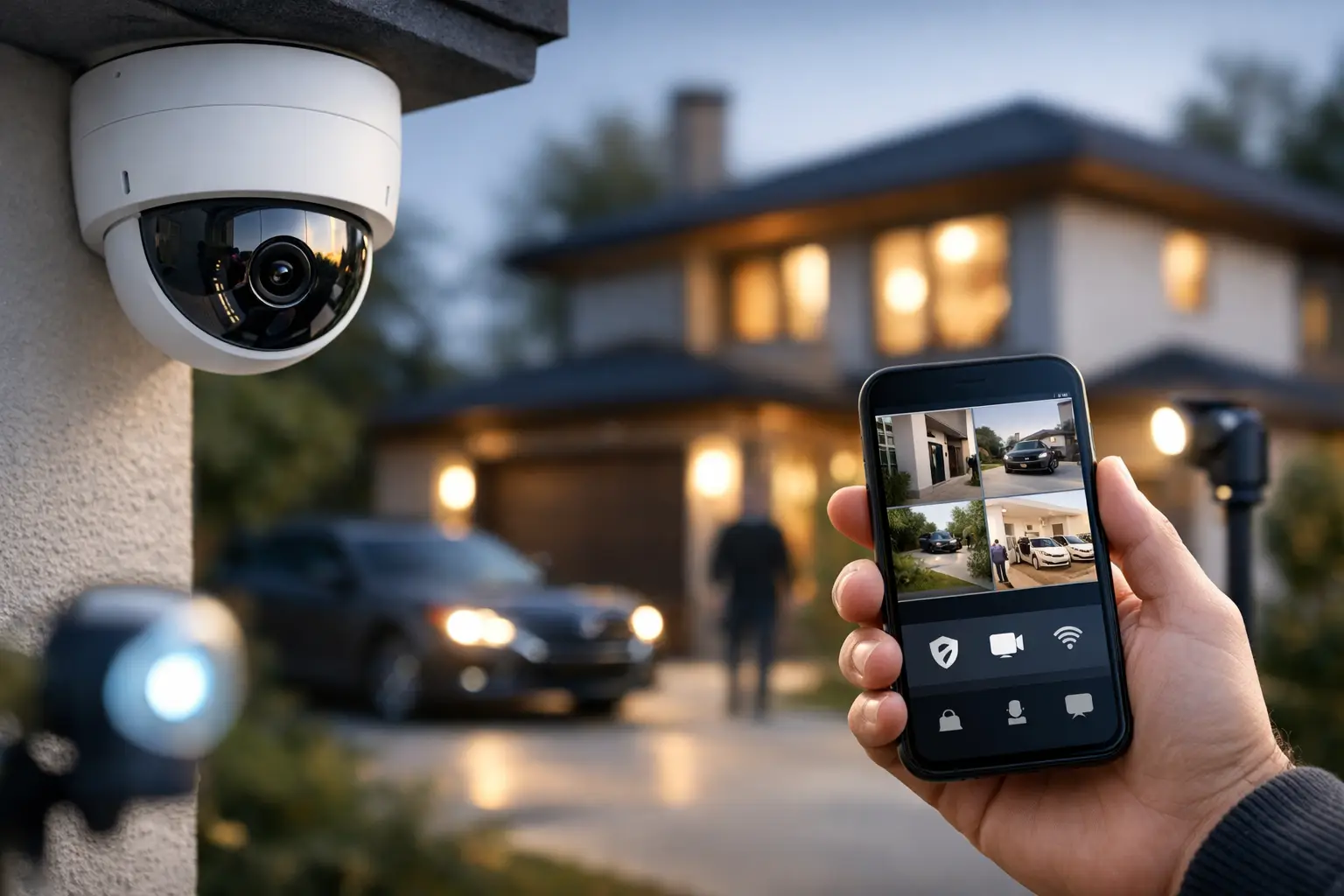
A camera that only records after something goes wrong is no longer enough. Smart home security cameras are built to help you see what is happening in real time, respond faster, and stay connected to your property whether you are upstairs, at work, or out of town.
For homeowners, that means checking on a delivery, confirming the kids made it home, or seeing who is at the door without opening it. For small business owners, it means keeping an eye on entrances, inventory areas, and employee access without adding complexity to the workday. The value is not just video. It is better awareness, faster response, and more control from one connected system.
What smart home security cameras actually do
The biggest difference between older cameras and modern connected systems is that smart cameras do more than passively capture footage. They can send alerts, distinguish between types of activity, support two-way communication, and work alongside alarms, locks, lighting, and professional monitoring.
That matters because most security concerns do not happen on a schedule. A porch pirate does not wait for you to get home. A side gate left open can create an opening before anyone notices. A business employee entrance may need more oversight after hours than during the day. Smart cameras help close those gaps by turning video into action.
When a camera is part of a professionally installed system, the experience is usually much stronger. Placement is more strategic, coverage is more reliable, and the devices can be configured to work with the rest of the property instead of acting like standalone gadgets.
Why smart home security cameras matter more than a basic doorbell view
A single doorbell camera can be helpful, but it rarely gives full property awareness. Front porch coverage is only one piece of the picture. Most homes and businesses have multiple vulnerable areas, including side yards, back doors, garages, driveways, parking areas, and interior entry points.
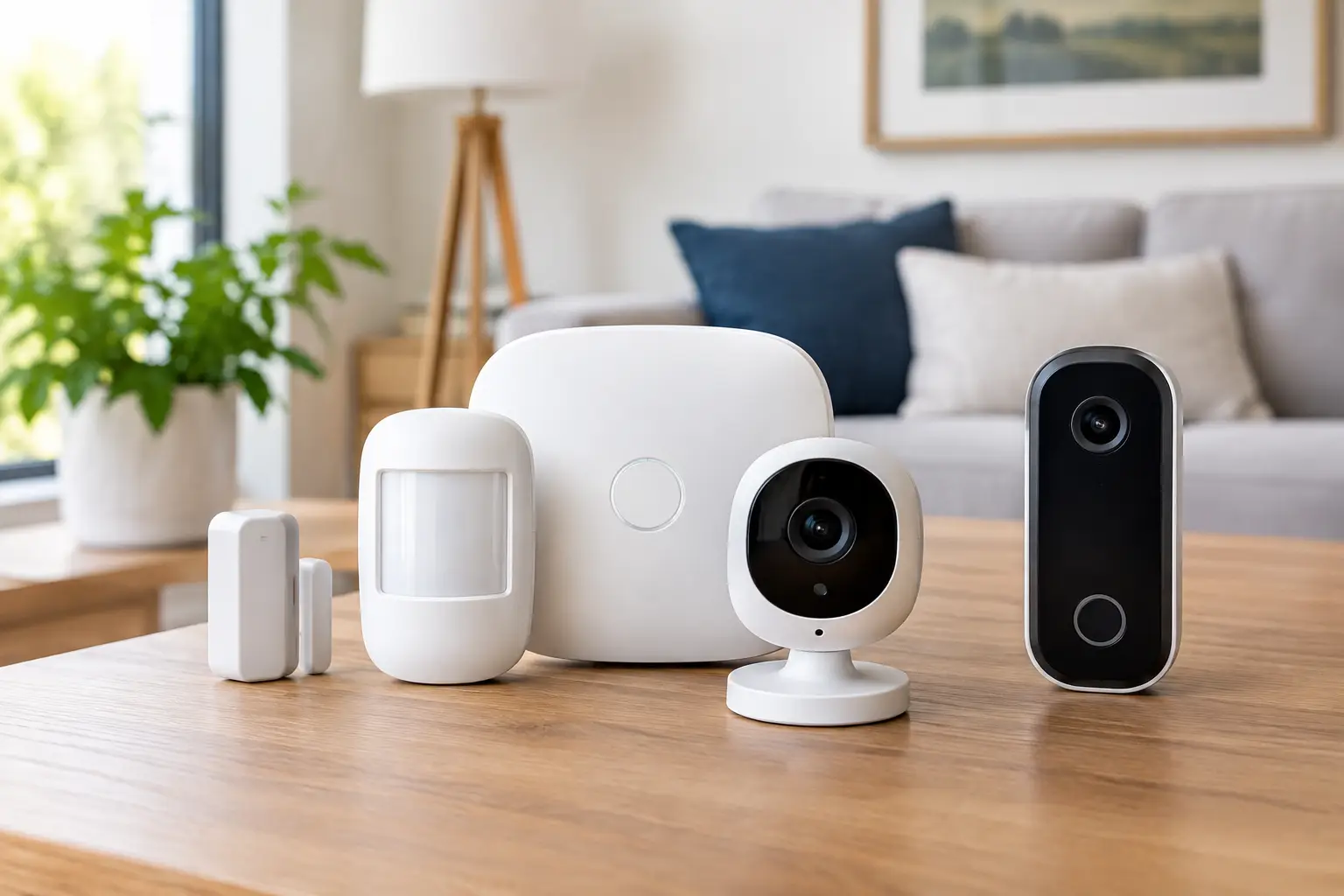
Smart home security cameras are most effective when they are part of a larger plan. An outdoor camera can monitor approach paths. An indoor camera can confirm what triggered an alert. A floodlight camera can add visibility and deterrence in darker areas. Together, they create overlapping coverage that makes it harder for suspicious activity to go unnoticed.
There is also the deterrence factor. Visible cameras, motion-triggered lighting, and app-based alerts can make a potential intruder think twice. If a camera includes intelligent detection and proactive features, it becomes more than a witness. It becomes part of your first line of defense.
The features that make the biggest difference
Not every camera setup delivers the same result. Resolution matters, but it is only one part of performance. Clear video is useful, yet it does not help much if the camera is pointed in the wrong direction, misses activity zones, or sends constant false alerts.
The most valuable systems typically combine a few key strengths. Real-time mobile access lets you check live video quickly. Smart notifications help you focus on meaningful events instead of every movement. Night visibility helps protect entry points after dark. Two-way audio adds another layer of control when you need to speak to a visitor, a delivery driver, or someone who should not be on the property.
Video analytics can be especially important. A smarter camera system can help distinguish routine activity from unusual behavior, which reduces alert fatigue and improves response. That is one of the clearest differences between a camera you install on impulse and a security solution designed around how your property actually functions.
Professional installation changes the outcome
This is where many people underestimate the gap between buying equipment and building real protection. Cameras are only as effective as their placement, power, connectivity, and integration.
A professionally installed system is designed around lines of sight, lighting conditions, entry points, and daily traffic patterns. That means fewer blind spots, stronger coverage, and more dependable performance when it matters most. It also means the cameras can be aligned with sensors, smart locks, alarms, and monitoring services for a faster, more coordinated response.
For busy homeowners and business operators, that simplicity matters. You should not have to troubleshoot your own security strategy or guess whether your driveway camera is missing the area that actually matters. Expert installation removes the trial and error and gives you a setup built for the property, not just the box it came in.
Smart home security cameras and everyday convenience
Security is the primary reason most people start looking at cameras, but convenience is often what makes them part of daily life. When cameras connect to a mobile app and the rest of your smart devices, they become useful far beyond emergencies.
You can confirm a package was delivered. You can check whether the garage was left open. You can see when a service provider arrived, verify that a family member got home safely, or review activity around your property without rushing to a window. Small moments like these build confidence because you are not guessing. You know.
For business owners, convenience shows up in different ways. Cameras can help verify deliveries, monitor opening and closing routines, and give managers visibility across key areas without always being on site. That added oversight can support both security and operations, especially for smaller teams juggling multiple responsibilities.
Where camera coverage should start
The right camera setup depends on the property, but some locations tend to matter more than others. Front entrances are obvious because they handle visitors, deliveries, and a large share of unwanted activity. Driveways and garages matter because they often provide easy access or store valuable property. Back doors and side yards can be attractive entry points because they are less visible from the street.
Inside the home or business, main entry areas, common spaces, and access points to restricted zones may also deserve attention. The goal is not to place a camera everywhere. The goal is to cover the areas where awareness improves safety, accountability, and response.
That is why consultation-led design matters. A family with frequent package deliveries may prioritize porch and driveway coverage. A small retail business may need stronger focus on entrances, registers, inventory rooms, and after-hours access. Good security planning is specific. It reflects how the space is used and where the real risks are.
What to consider before choosing a system
The best camera system is not always the one with the longest feature list. It is the one that fits your property, your routine, and your expectations for support.
If you want a simple self-managed setup, a standalone camera may seem attractive at first. But if you want dependable performance, expert placement, integrated devices, and 24/7 professional support, a professionally managed system often makes more sense. That is especially true if your priorities include proactive deterrence, verified events, and a single app for control across cameras, locks, sensors, lights, and environmental devices.
It is also worth thinking beyond burglary. Cameras can support a broader safety strategy that includes smoke detection, carbon monoxide alerts, flood monitoring, and access control. When these tools work together, your system becomes more useful every day and more capable during urgent situations.
Fluent Home approaches this with custom system design rather than a one-size-fits-all package. That gives homeowners and business owners a clearer path to coverage that feels practical, not excessive.
A smarter camera system is about response, not just recording
People often shop for cameras by comparing specs, but the more important question is what happens after the camera sees something. Do you get an alert you can actually trust? Can you check live video quickly? Can the system help deter unwanted activity? Is there professional monitoring behind it if the situation escalates?
That is where smart home security cameras prove their value. They reduce uncertainty. They help you react sooner. They support a connected property that works harder to protect what matters.
If you are considering cameras for your home or business, think beyond the device itself. Think about coverage, response, and the confidence that comes from having the right system in the right places. The strongest security setup is the one that fits your life well enough to use every day and performs well enough to count on when you need it most.