A sensor trips at 2:13 a.m. The question is not whether your system makes noise. The question is who responds next. That is where alarm monitoring changes the value of a security system from a simple alert tool into active protection for your home or business.
For many property owners, the biggest misconception about alarm monitoring is that it only matters during a break-in. In reality, monitoring can help address a much wider range of risks, including fire, carbon monoxide, flooding, and after-hours activity at a small business. It adds a trained response layer between the event and the action that needs to happen.
What alarm monitoring actually does
At its core, alarm monitoring means your security system is connected to a professional monitoring center that receives signals when something happens. If a door sensor is triggered, a smoke detector activates, or a panic alert is sent, the signal does not just stay inside your building or on your phone. It goes to professionals who can review the event, contact you, and request emergency dispatch when needed.
That difference matters more than most people expect. Phone notifications are useful, but they still depend on you being awake, having signal, noticing the alert, and knowing what to do in the moment. Professional monitoring helps close the gap when you are asleep, traveling, in a meeting, or simply unable to respond fast enough.
For homeowners, that can mean faster action during a break-in attempt or a water leak that starts while no one is home. For small business owners, it can mean a response to an after-hours intrusion, unauthorized entry, or an environmental issue before it turns into a larger loss.
Alarm monitoring vs. self-monitoring
Self-monitoring usually means your system sends alerts directly to your phone through an app. That setup can work for some people, especially if they want basic awareness and are comfortable managing every alert themselves. It often feels convenient because you stay in control.
The trade-off is simple. Self-monitoring puts the full burden on you. If you miss the notification, ignore it by mistake, lose connectivity, or cannot verify what is happening, the system has done its part but the response may stop there.
Alarm monitoring adds a professional response path. Instead of relying only on your availability, the event goes to a monitoring center that follows a response process. In some systems, video verification and analytics can help determine whether the threat looks real, which can improve the speed and quality of the response.
That does not mean professional monitoring is automatically right for every property. If you are securing a detached garage with minimal contents, self-monitoring may be enough. If you are protecting a family home, a retail storefront, a property with deliveries, or a space that sits empty for long stretches, professional monitoring usually makes more sense.
Why monitored security matters more now
Security concerns are not limited to someone forcing open a door. Many of the most expensive property losses start quietly. A leaking pipe, a smoldering electrical issue, or carbon monoxide buildup can do serious damage before anyone on-site notices. Alarm monitoring expands protection beyond crime and into everyday risk management.
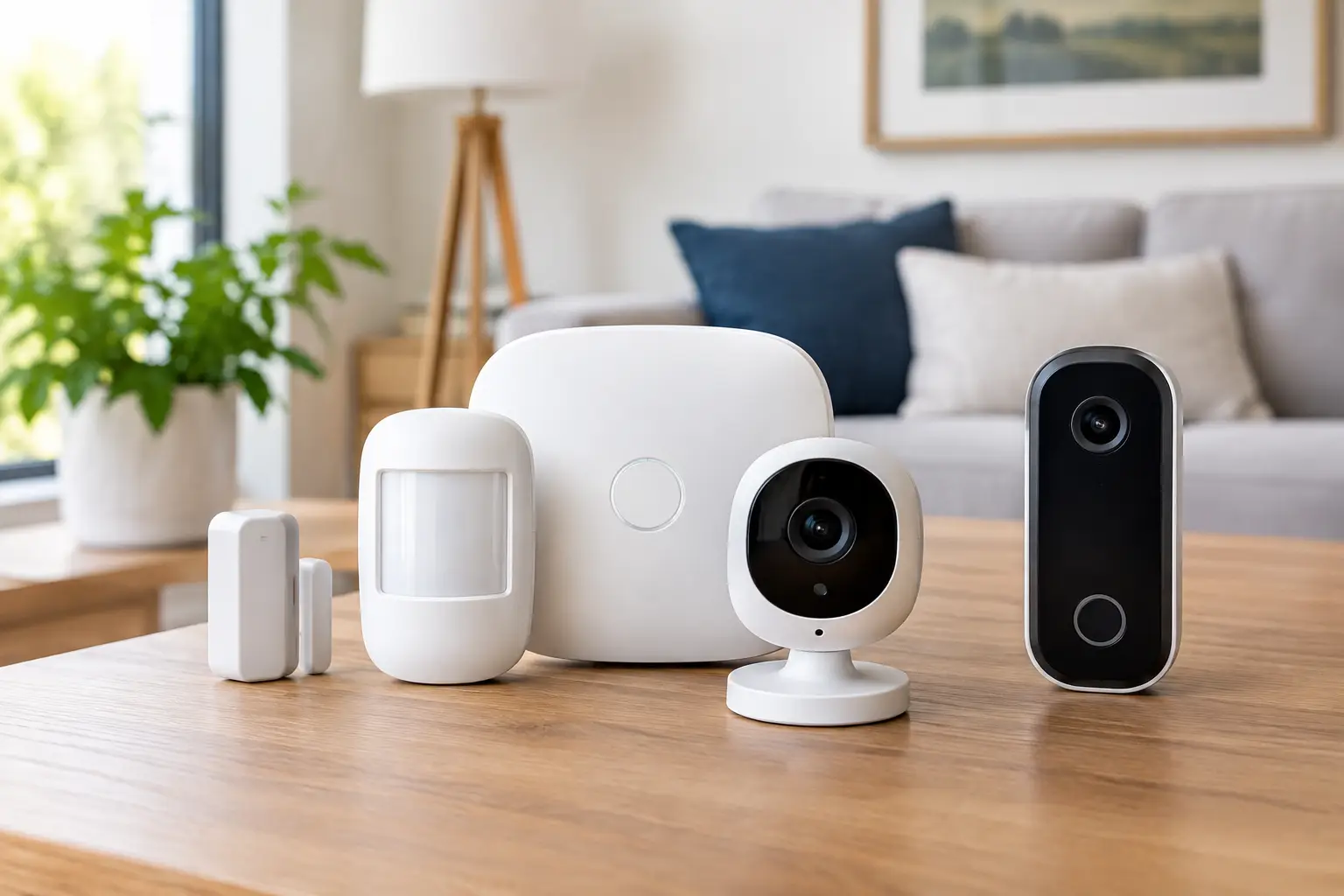
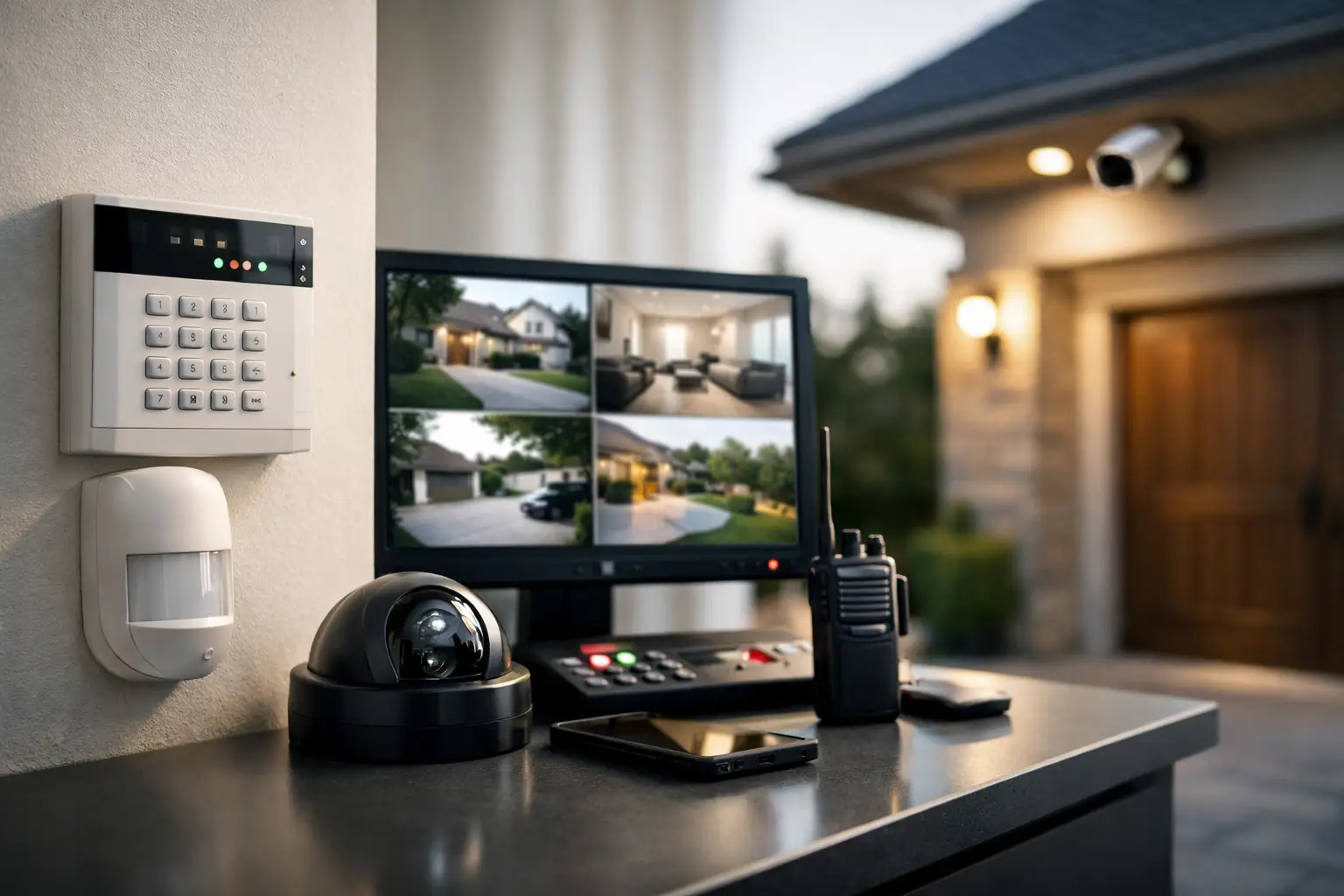
It also supports a more proactive approach to security. Modern systems can pair intrusion sensors with cameras, smart locks, doorbell cameras, flood sensors, smoke detectors, and automation tools in one platform. When those devices work together under professional monitoring, you are not just collecting alerts. You are building a coordinated response.
That is especially relevant for people who want security without managing a patchwork of devices. A professionally installed system is designed so the equipment, app, and monitoring service all work together from day one. That reduces dead zones, device conflicts, and the guesswork that often comes with a DIY setup.
What to expect from modern alarm monitoring
Not all monitoring services are identical. The older model was largely reactive – a siren sounded, a signal was sent, and an operator followed a call list. That still exists, but many systems now go further.
A stronger setup can include video verification, which helps confirm whether an alarm appears tied to real activity. Some systems also use analytics and AI-based deterrence features to identify unusual motion patterns and trigger lights, audio warnings, or camera responses before a crime fully develops. That is a meaningful shift because it moves security from passive notification toward active prevention.
For homeowners, that can help with package theft, driveway activity, and unwanted visitors near entry points. For businesses, it can support after-hours perimeter awareness, help monitor access points, and improve visibility into who entered and when.
Mobile control is another major part of the experience. You should be able to arm and disarm your system, view cameras, lock doors, adjust schedules, and receive alerts from one app. Convenience is not a bonus feature here. It is part of what makes people actually use their security system consistently.
How alarm monitoring supports homes and small businesses differently
The goals are similar, but the day-to-day use can look different.
In a home, alarm monitoring often centers on family safety, package protection, break-in prevention, and awareness when the house is empty. Parents may want alerts when kids arrive home. Frequent travelers may want remote visibility and confidence that someone will respond even if they are out of the country. Homeowners with finished basements or vacation properties may care just as much about water detection and environmental alerts as burglary protection.
In a small business, alarm monitoring often supports loss prevention, employee safety, opening and closing accountability, and after-hours protection. A retail store may need intrusion detection and video surveillance. An office may prioritize access control and interior activity alerts. A restaurant or service location may need a combination of burglary, fire, and flood protection.
The right setup depends on how the property is used. A family with multiple entry points and regular deliveries will have different priorities than a business owner managing employee access and inventory. That is why consultation and professional installation matter. The best system is not the one with the longest equipment list. It is the one designed around real risk points.
Choosing an alarm monitoring system without overbuying
The smartest buying decision usually starts with two questions: what are you trying to prevent, and what would be most expensive to miss?
If forced entry is the main concern, door and window sensors, glass break detection, cameras, and monitored response may be the core package. If you are more worried about full-property protection, it makes sense to include smoke detection, carbon monoxide sensors, flood sensors, and smart automation that helps manage the property even when you are away.
For a small business, access control may be worth adding earlier than expected. It creates a cleaner way to manage employee entry, limit access to certain areas, and maintain better visibility over who came and went. For homeowners, smart locks, garage control, and video doorbells often deliver everyday convenience along with stronger security habits.
There is also a practical budget question. Professionally monitored systems involve ongoing service costs, but they can also prevent losses that cost far more than the monthly fee. The right comparison is not just equipment price versus equipment price. It is the cost of monitoring compared with the value of faster response, easier management, and broader protection.
When professional installation makes the biggest difference
A security system is only as good as its placement, connectivity, and reliability. Poor camera angles, weak sensor positioning, and incomplete coverage can leave blind spots that only become obvious after an incident.
Professional installation helps solve that upfront. It allows the system to be configured around your layout, entry points, routines, and risk areas. It also makes it easier to add connected devices that work together rather than operating as separate gadgets.
That is where a company like Fluent Home fits naturally for many homeowners and small business owners. Instead of piecing together devices and hoping they communicate properly, you get a custom setup, expert installation, mobile control, and 24/7 monitoring designed as one complete solution.
The best alarm monitoring feels almost invisible during the day and indispensable when something goes wrong. It should make your property easier to manage, not harder to think about. If your current setup only sends alerts and hopes you see them in time, it may be doing less than you think. Real peace of mind comes from knowing the signal leads to action.