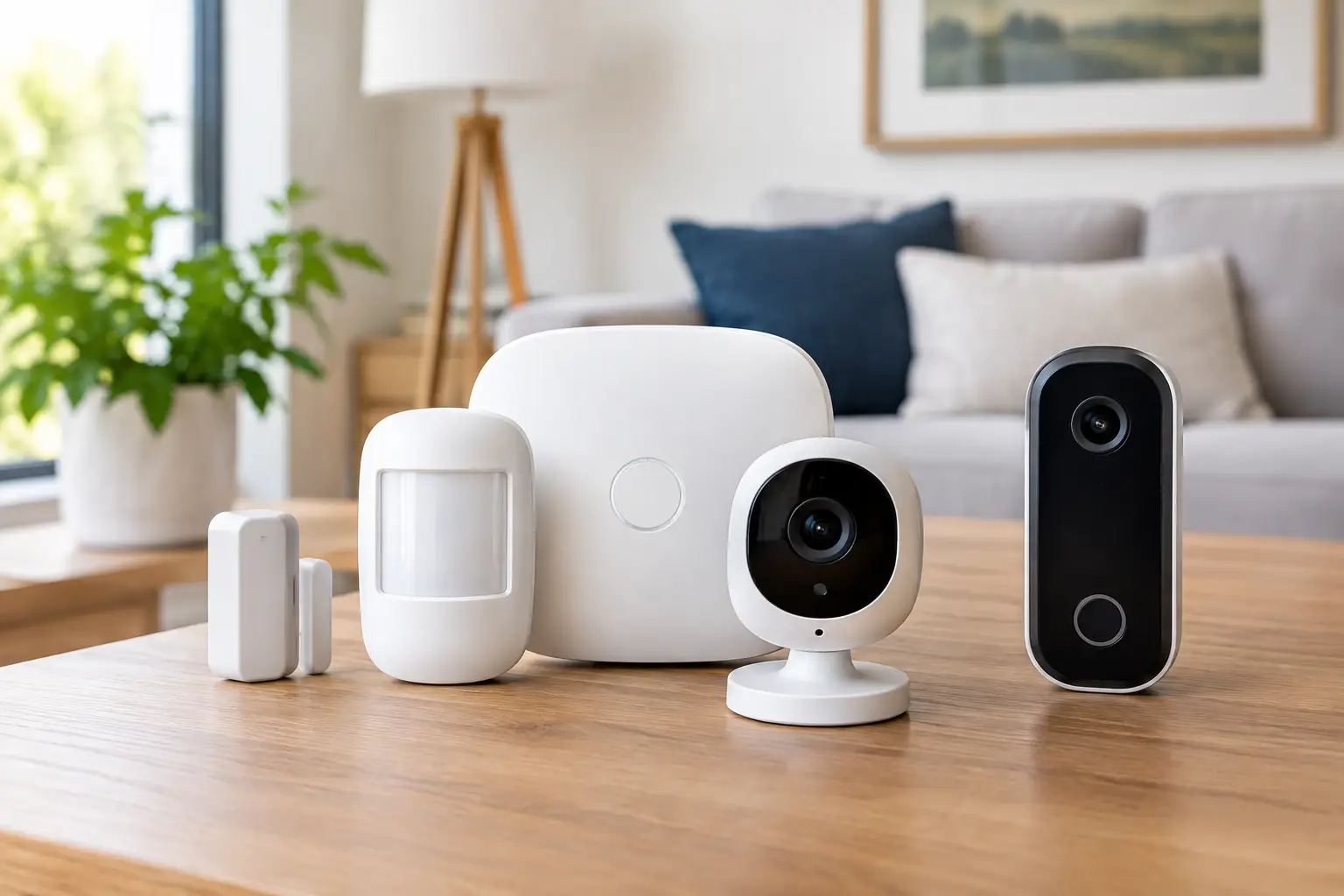
A back door left open, a smoke alarm sounding at 2 a.m., or a slow leak beneath the kitchen sink can become a serious problem fast. If you are asking, “what sensors do I need,” the best answer is not a one-size-fits-all kit. It is a system designed around how people enter your property, where risks are highest, and how quickly you want help when something goes wrong.
For most homes, the right starting point is intrusion detection at entry points, motion detection in key interior areas, and life-safety sensors for smoke, carbon monoxide, and water. Add cameras, smart controls, and professional monitoring to turn separate devices into a connected protection plan you can manage from one app.
What Sensors Do I Need for a Protected Home?
Start with the threats that can cause the most damage: unauthorized entry, fire, carbon monoxide exposure, and water leaks. Security sensors are most effective when they cover likely points of failure without making everyday life inconvenient.
A professional security consultation looks at your home’s layout, routines, pets, existing devices, and any areas that need extra attention. A detached garage, basement utility room, sliding glass door, or home office with valuable equipment may change the recommended setup. The goal is targeted coverage, not simply placing a sensor in every room.
Door and window sensors
Door and window sensors are the foundation of an intrusion system. They detect when a protected entry point opens while your system is armed. Exterior doors should be the first priority, including front, back, side, garage entry, and any door between the house and an attached garage.
For windows, focus first on ground-floor openings, accessible second-story windows, basement windows, and windows hidden from street view. A window sensor can alert you to an opening before someone reaches the main living space. It also provides daily convenience: you can check from your phone whether a door or window was left open.
You do not necessarily need a contact sensor on every window. If you have many windows, a combination of window contacts, glass-break detection, and cameras may deliver better coverage at a more practical cost. The right mix depends on the home’s layout and the way each room is used.
Motion sensors
Motion sensors detect activity inside a protected area. They work best in common pathways, such as a main hallway, living room, staircase landing, or route from a garage door to the rest of the home. If someone gets past a perimeter sensor, motion detection creates another layer of protection.
Placement matters. A motion sensor should cover a meaningful path through the home rather than point at a frequently occupied area. Households with pets need pet-aware placement and equipment settings that reduce the chance of false alarms. This is one reason professional installation is valuable: a sensor that is technically installed but poorly positioned can create frustration instead of confidence.
Glass-break sensors
Glass-break sensors listen for the sound pattern associated with breaking glass. They are especially useful in rooms with several windows or large panes of glass, such as a living room with patio doors, a sunroom, or a basement with multiple accessible windows.
These sensors can reduce the need to place a contact on every individual window. However, they are not always a substitute for contacts. A door or window sensor tells you when an opening is opened. Glass-break detection responds when glass is broken. Homes often benefit from both in high-risk areas.
Life-Safety Sensors That Protect More Than Property
An intrusion alarm can help deter a break-in. Environmental sensors can protect what matters even more: the people in your home and the home itself.
Smoke and heat detectors
Connected smoke detectors can send an alert to your smart security system when smoke is detected. Heat detectors are useful in spaces where smoke or steam may create nuisance alarms, including garages, kitchens, attics, and utility areas. They respond to a rapid rise in temperature or unusually high heat rather than smoke alone.
Placement should follow local fire safety guidance and the home’s design. Bedrooms, hallways outside sleeping areas, each level of the home, and areas near major fire risks deserve careful consideration. A monitored system adds another layer of response if an alarm occurs while you are away or unable to respond.
Carbon monoxide detectors
Carbon monoxide is colorless, odorless, and dangerous. Every home with fuel-burning appliances, a fireplace, an attached garage, or gas heat should have properly placed carbon monoxide detection. Even all-electric homes can benefit if there is an attached garage, where vehicle exhaust can create a risk.
Install carbon monoxide detectors near sleeping areas and on levels with potential sources. Smart alerts are especially useful for second homes, rental properties, and busy households, because you can receive notice even when no one is home.
Flood and leak sensors
A small leak can cause expensive damage long before it becomes visible. Flood sensors are compact devices placed where water should never collect: under sinks, behind toilets, beside water heaters, near washing machines, below refrigerators with water lines, and in basement utility rooms.
For added protection, pair leak detection with a smart water shutoff valve. When a serious leak is detected, the system can help limit damage by closing the water supply. This is one of the most practical upgrades for homeowners who travel often, own older homes, or have experienced water damage before.
Cameras Are Not Sensors, but They Complete the Picture
Sensors tell you that something happened. Cameras help show what happened and can help discourage it from happening in the first place. Video doorbells help protect packages and provide visibility at the front door. Outdoor cameras cover driveways, backyards, gates, and side entrances. Indoor cameras can provide another view of key areas when appropriate for your household.
For the strongest security strategy, pair camera coverage with sensors at the same vulnerable locations. A door sensor can trigger an alert when an entry opens, while a camera gives you visual context. AI-enhanced video analytics can help distinguish relevant activity from routine movement, reducing unnecessary notifications and helping you focus on events that deserve attention.
For small businesses, the same approach applies. Door contacts, motion sensors, glass-break protection, cameras, and access control can help protect inventory, employee-only areas, and customer entrances. The ideal configuration depends on business hours, building access points, cash-handling areas, and the value of on-site equipment.
How Many Sensors Do You Actually Need?
The number is driven by risk, not square footage alone. A compact home with multiple exterior doors and accessible windows may need more perimeter coverage than a larger home with fewer entry points. Likewise, a finished basement, detached garage, or backyard gate can add meaningful vulnerabilities.
As a practical baseline, most homes should consider sensors for every exterior door, accessible windows, one or more central motion areas, smoke and carbon monoxide detection, and leak-prone locations. From there, add glass-break sensors where broad glass coverage makes sense and cameras where visibility or package protection is a priority.
Avoid buying sensors only to meet a number. Too few devices leave gaps. Too many poorly planned devices can make the system harder to use. The best system feels simple because the complexity has been handled before installation.
Professional Monitoring Makes Sensor Alerts More Actionable
A sensor is only as useful as the response it starts. Mobile alerts give you awareness, but they may not be enough when you are in a meeting, asleep, traveling, or unable to check your phone. With 24/7 professional monitoring, alarm events can be evaluated and escalated based on your response plan.
Video verification can provide additional context during a suspected break-in, helping monitoring professionals and emergency responders respond with more information. This can be especially valuable for homeowners who want proactive protection rather than a notification they must manage alone.
A professionally installed Fluent Home system can bring intrusion, video, environmental protection, smart locks, lighting, and thermostat control together in one connected experience. You get a system designed for your property, not a box of devices you have to configure on your own.
The right sensors should fit naturally into your day: protecting the doors you use, watching over the spaces you value, and alerting the right people when a real problem needs attention. A custom quote is the clearest next step when you want that protection built around your home or business.