A lost key rarely stays just a lost key. For a small business, it can turn into a rekeying bill, a security gap, and a nagging question about who can still get in after hours. That is why small business access control matters. It gives owners a better way to manage entry, protect employees, and keep the workday moving without relying on a ring of copied keys.
For many businesses, the real value is not just locking doors. It is knowing who entered, when they entered, and whether the right people have access to the right spaces. A front office, stockroom, server closet, and employee-only entrance do not all need the same level of permission. Access control lets you match security to how your business actually runs.
What small business access control really solves
Most owners start looking at access control after a problem. Maybe a former employee never returned a key. Maybe managers are opening up early and locking down late with no clear record of who came and went. Maybe certain rooms hold cash, inventory, medication, records, or equipment that should not be open to everyone.
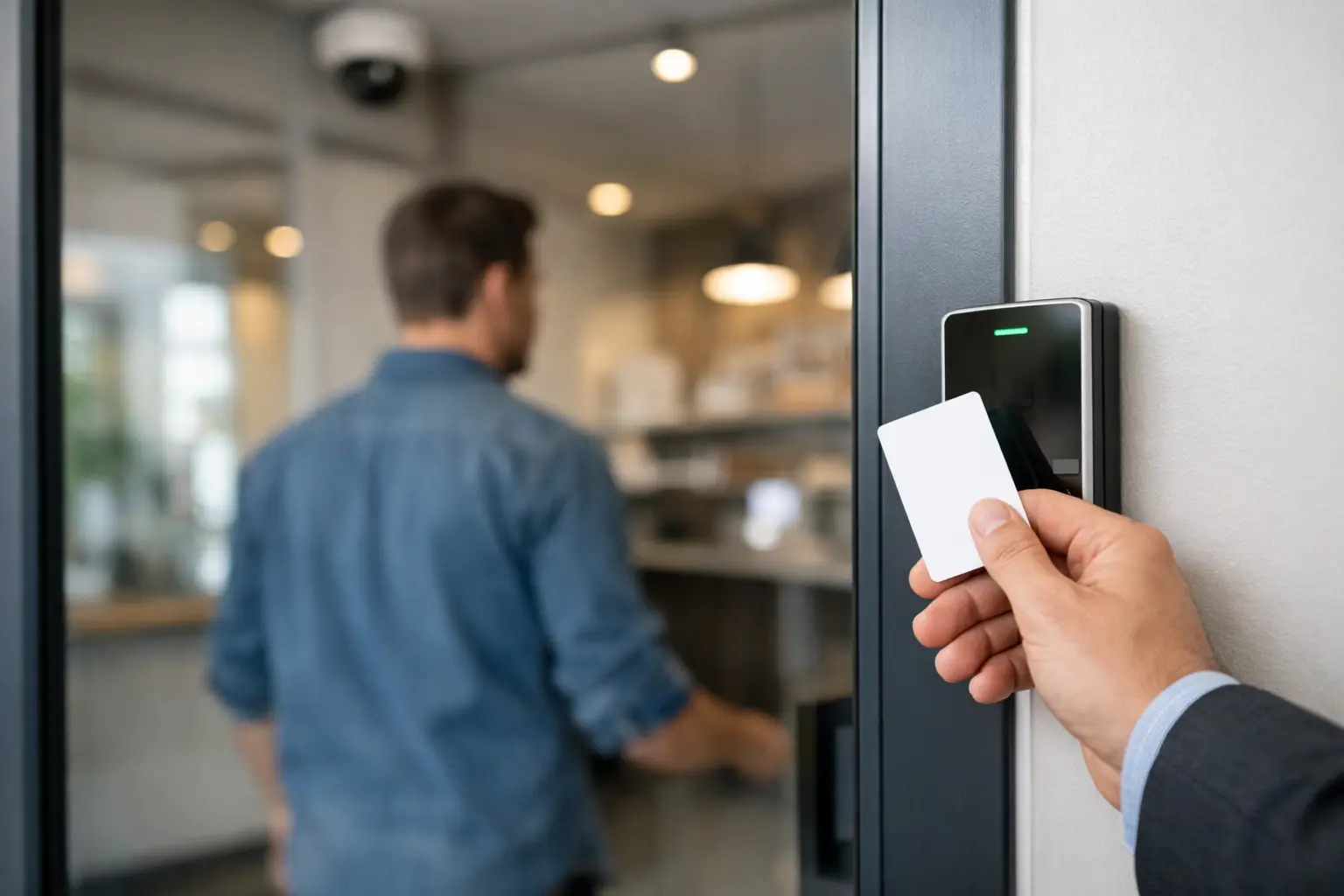
Small business access control solves those day-to-day risks with more control and less friction. Instead of passing around physical keys, you can assign credentials to employees, adjust permissions when roles change, and remove access quickly when someone leaves. That alone can reduce one of the most common weak points in small business security.
It also helps with accountability. If someone enters a restricted area at an odd hour, there is a record. If a door is forced or held open, you can pair access data with video and alerts. That kind of visibility matters whether you run a retail store, office, medical practice, warehouse, salon, or multi-site service business.
How access control fits into a complete security setup
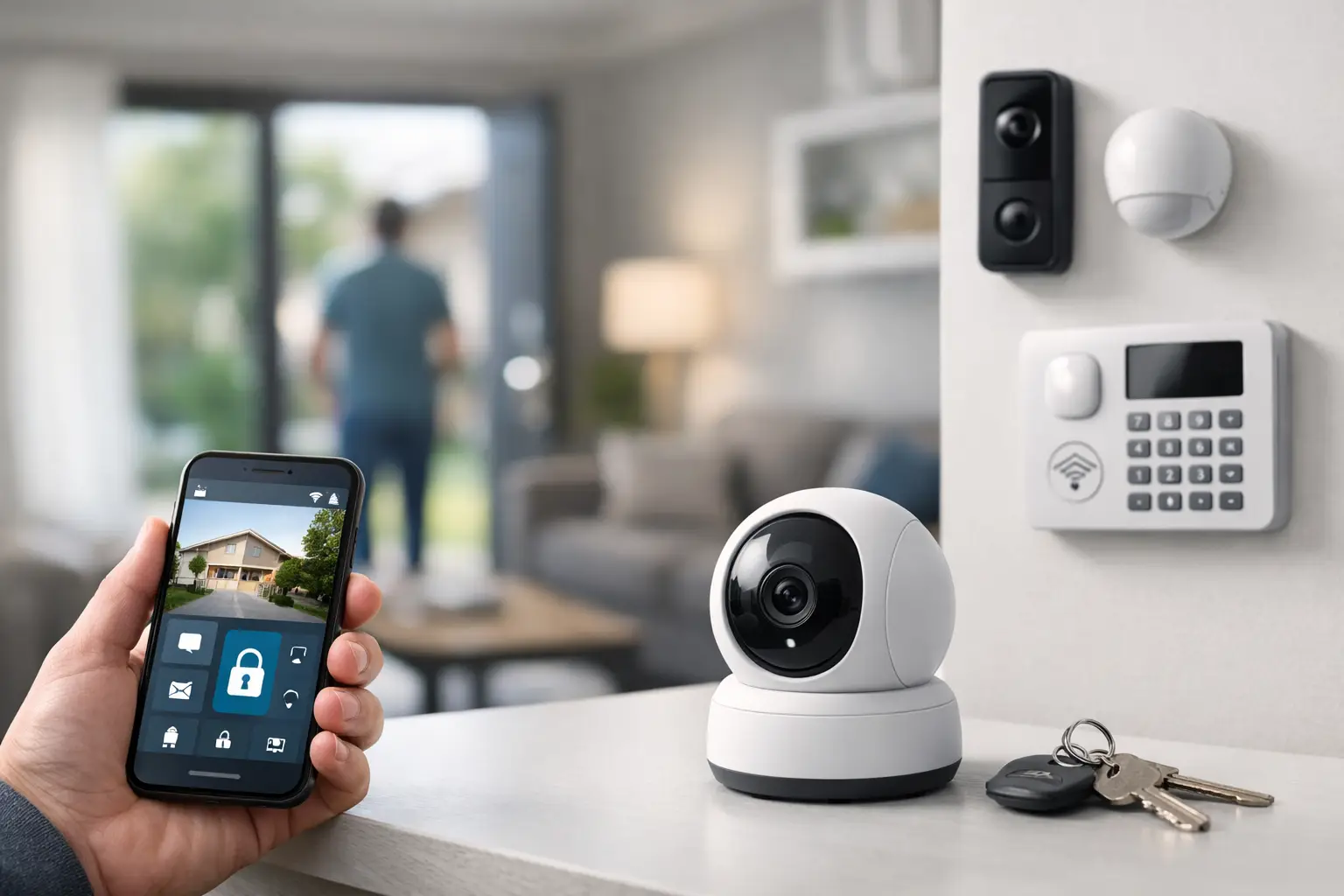
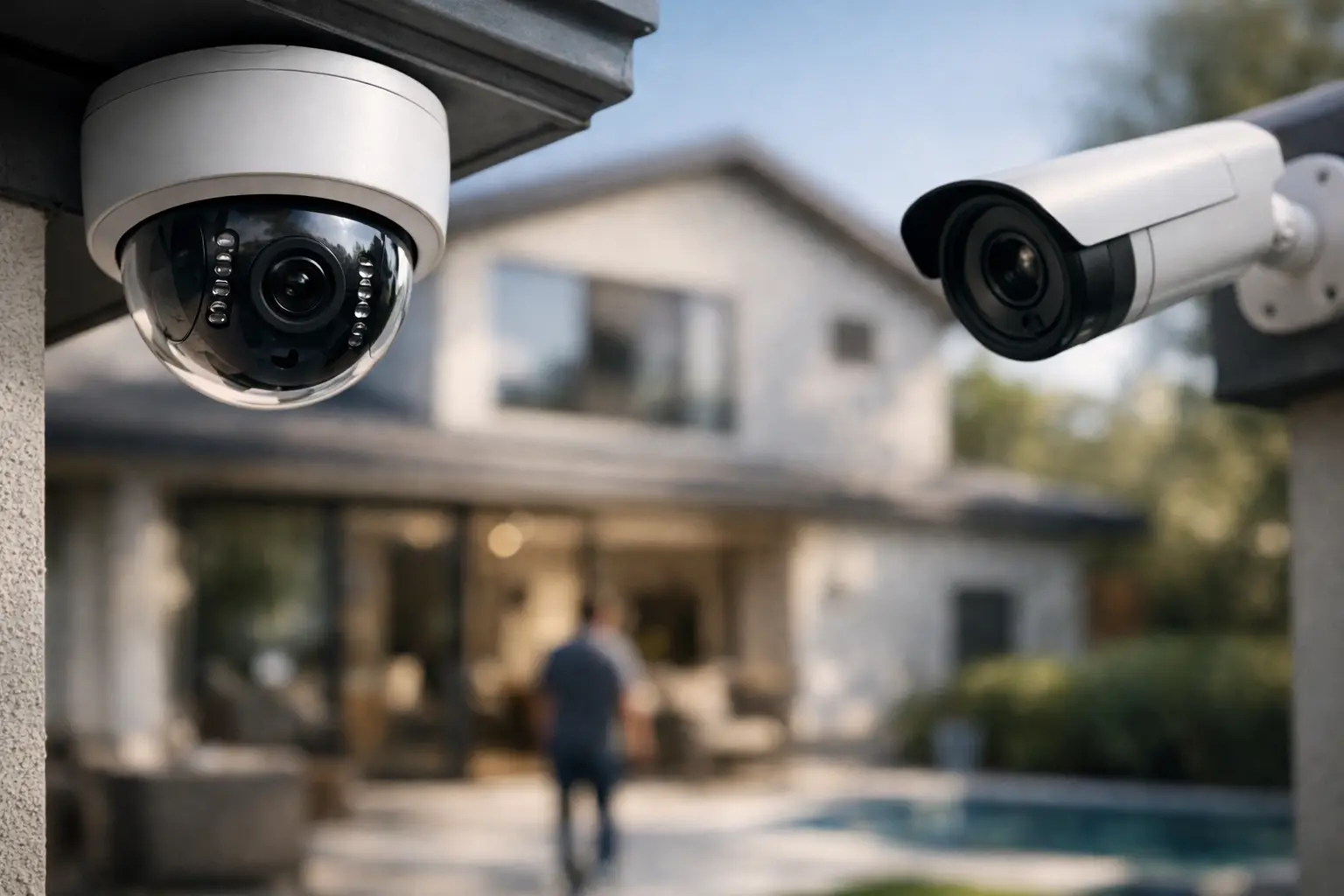
Access control works best when it is part of a larger protection plan, not a stand-alone device on one door. A connected system can tie together door access, intrusion detection, cameras, mobile app control, and 24/7 monitoring. That changes the system from a simple electronic lock into an active layer of business protection.
For example, if someone tries to enter after business hours with invalid credentials, the event can trigger an alert. If a door opens at a time it should not, cameras can help verify what happened. If a business owner needs to let in a cleaner, vendor, or manager remotely, that can happen without meeting them onsite or hiding a key under a mat.
That integration is where many small businesses see the biggest payoff. You are not just replacing keys. You are creating a clearer picture of what is happening at your property and making it easier to respond when something is off.
The most common access control options for small businesses
There is no single setup that fits every business. A small office with one entrance has different needs than a retail shop with back-door deliveries or a clinic with restricted rooms. Still, most systems fall into a few practical categories.
Keycards and fobs are familiar and easy for employees to use. Mobile credentials are appealing for businesses that want fewer physical items to manage. Keypads can work well in lower-complexity environments, though shared codes require more discipline because they are easier to pass around. Smart locks are often a strong fit for small businesses that want convenient control without an enterprise-style deployment.
The right choice depends on traffic, staffing, turnover, and the level of control you need. A business with frequent staffing changes may benefit from individual credentials that can be disabled instantly. A business with a public-facing front door and private back-office areas may need tiered permissions. A business with several locations may want centralized management from one app or dashboard.
Where to start with small business access control
The best starting point is not the hardware. It is the flow of your business.
Think about who needs access, when they need it, and which areas should stay restricted. Many owners assume they need a full building rollout right away, but that is not always necessary. Often, the smartest first step is securing the most sensitive doors first, such as employee entrances, stockrooms, offices, or rooms with records and equipment.
It also helps to look at patterns that create risk. Do employees share keys? Are doors propped open during deliveries? Does one manager handle all lockups? Do you have any way to check who entered after hours? These are the kinds of issues access control can improve quickly.
A professionally designed system is especially useful here because it keeps you from overbuying, under-protecting, or choosing products that do not work well together. Small businesses usually need practical coverage, simple management, and room to grow, not unnecessary complexity.
Why professional installation makes a difference
Access control sounds simple until it has to work every day, for every user, on real doors, under real business conditions. Door materials, traffic volume, lock types, power requirements, code compliance, and software setup all affect performance. A system that looks good on paper can become frustrating fast if credentials fail, doors do not latch properly, or alerts are not configured correctly.
Professional installation helps remove that guesswork. It also gives small business owners a clearer path to integration with cameras, alarms, and monitoring. Instead of piecing together separate products, you get a system designed to operate as one.
That matters for usability as much as security. If the system is hard to manage, employees work around it. If it is easy to use, owners and staff are more likely to rely on it consistently. That is what creates lasting value.
What to expect from a modern system
A modern access control system should do more than open and close doors. It should make daily management easier.
Remote access is one of the biggest advantages. If you need to unlock a door for a scheduled vendor, change a user permission, or check whether the building was secured at closing, you should be able to handle it without driving to the property. Real-time notifications can also help owners stay informed without constantly checking in.
Scheduled access is another practical feature. You can allow employees in during working hours, limit weekend access, or give temporary permissions to contractors. Audit trails provide a record of entries and attempted access events, which can be helpful for both security and operations.
If your system includes connected video and monitoring, the benefits go further. You gain context around access events, stronger deterrence, and faster awareness when something needs attention. For small businesses, that combination often delivers more peace of mind than a stand-alone lock ever could.
The trade-offs small business owners should consider
Not every business needs the same level of system depth, and more features are not always better. A single-location office may be well served by a simple, professionally installed setup with mobile control and a few user groups. A retail location with high turnover and inventory exposure may need stronger credential management and more integration with cameras.
Budget matters too, but so does the cost of doing nothing. Rekeying doors, replacing lost keys, dealing with unauthorized entry, or lacking usable records after an incident all come with a price. In many cases, access control pays off by reducing those recurring headaches while tightening day-to-day security.
There is also the question of convenience versus control. Shared keypad codes are easy, but they can spread quickly. Individual credentials create better accountability, but they require a bit more administration. The right balance depends on your team and your level of risk.
Choosing a system that can grow with your business
Many small businesses do not stay small in the same way forever. You may add employees, expand into a second suite, open another location, or take on more inventory and equipment. Your access control system should be able to grow with those changes instead of forcing a replacement after a year or two.
Look for a setup that can support additional doors, changing permissions, and integration with other security tools over time. That flexibility matters because security needs tend to expand alongside operations. A system that works for one front door today should still make sense when you have multiple access points and different employee roles tomorrow.
For owners who want an easier path, working with an experienced provider like Fluent Home can simplify the process. Professional design, installation, and connected security options help you build a system around your business instead of trying to force your business around the system.
Small business access control is ultimately about confidence. Confidence that the right people can get in, the wrong people cannot, and you are not left guessing about what happened at your property after the lights go out. When your entry points are under control, the rest of your business runs with fewer interruptions and a lot more peace of mind.