A camera that only gives you footage after something goes wrong is better than nothing, but it is not the standard most homeowners and small business owners want anymore. Today, security cameras are expected to do more – deter theft, help verify real threats, support faster response, and give you a clear view of what is happening whether you are at work, on vacation, or simply upstairs.
That shift matters because the real value of a camera system is not just recording evidence. It is helping stop problems earlier, reducing blind spots around your property, and making daily security easier to manage from one place.
What security cameras should do today
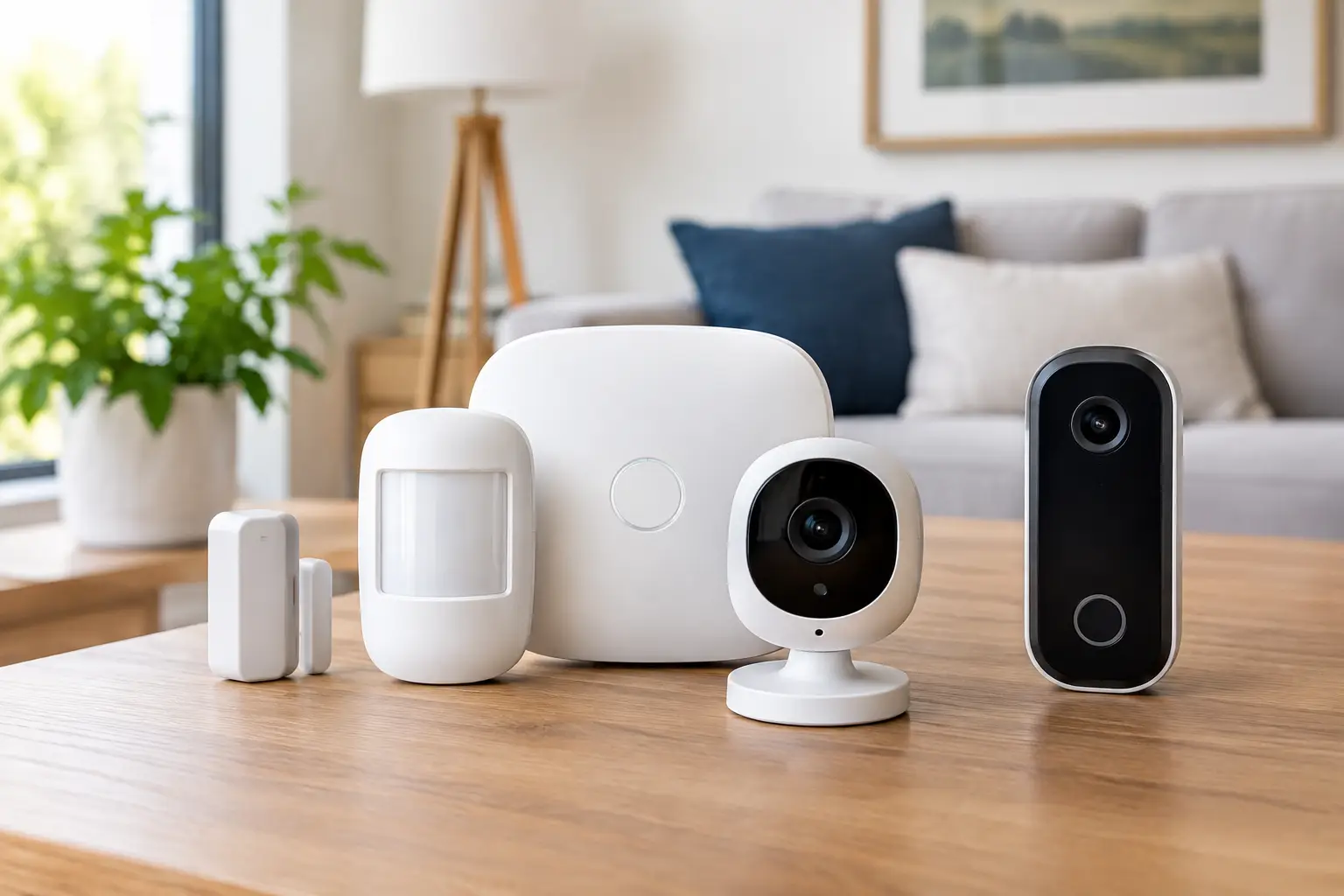
A modern camera system should do more than stream video to your phone. It should fit into a complete security setup that helps you act quickly and confidently. That means clear video, dependable motion detection, mobile access, and coverage that matches how people actually use a home or business.
For a homeowner, that might mean seeing who is at the front door, checking on a package delivery, or confirming whether a backyard gate was opened. For a business owner, it may mean monitoring entrances, verifying after-hours activity, or keeping an eye on customer areas and back-office spaces without being on-site.
The difference between a basic camera and a professionally designed system is often what happens when activity is detected. If the camera simply records motion, the burden stays on you to review alerts, interpret what happened, and decide whether it matters. If the camera is part of a broader monitored system, you move closer to real protection instead of passive observation.
Why placement matters as much as the camera itself
People often compare cameras by resolution, app features, or price. Those details matter, but placement is just as important. A great camera installed in the wrong spot can leave critical gaps, create glare, or trigger constant false alerts.
For homes, the most important areas usually include front entry points, driveways, backyards, side gates, and package drop zones. Indoor coverage can also make sense near main living areas, garages, or entry paths, especially when you want visibility while away. For businesses, priorities often include customer entrances, employee access points, cash handling areas, parking lots, storage rooms, and delivery zones.
This is one reason professional installation appeals to people who do not want to guess. Camera height, viewing angle, lighting conditions, Wi-Fi strength, and weather exposure all affect performance. A system that looks good on paper can become frustrating fast if the footage is washed out at night or the most important motion happens just outside the frame.
Indoor, outdoor, doorbell, and floodlight cameras
Not every camera serves the same purpose, and trying to force one device to do everything usually leads to weak coverage. The right mix depends on the property and the concerns you want to solve.
Outdoor security cameras
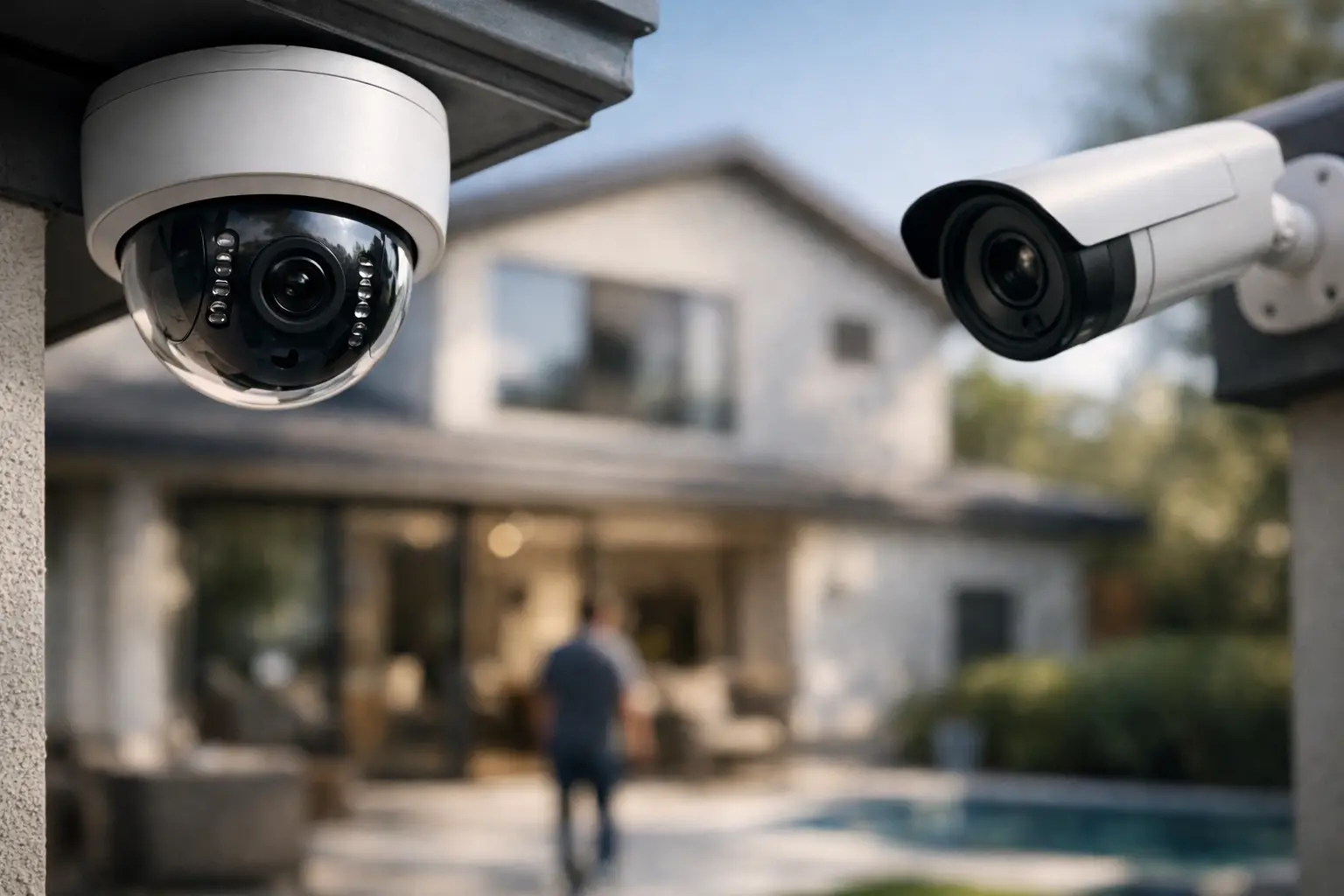
Outdoor cameras are the workhorses of perimeter protection. They help you monitor driveways, front walks, garages, back patios, and side yards. Their job is to capture activity before someone reaches the door and to make your property feel less approachable to anyone looking for an easy target.
They need to perform in heat, cold, rain, and low light. They also need a field of view that covers the approach to the home or building without creating too many useless alerts from passing cars or sidewalk traffic.
Indoor security cameras
Indoor cameras add another layer of awareness. They can help confirm whether kids made it home, whether a pet sitter arrived, or whether someone entered a restricted area of a business. They are especially useful when paired with intrusion sensors because they provide visual context when an alert comes through.
That said, indoor placement takes more thought. Most people want coverage of key areas, not constant surveillance of every room. A good system balances visibility with comfort and privacy.
Video doorbells and front entry coverage
Front door activity is one of the biggest reasons people invest in cameras. Doorbell cameras make it easier to screen visitors, watch deliveries, and respond without opening the door. They are practical for daily convenience, but they also add a strong security benefit because front porches and entryways are high-traffic targets for package theft and quick property crimes.
Floodlight cameras
Floodlight cameras are useful where visibility and deterrence need to work together. When motion triggers both recording and bright lighting, the effect is more immediate. For side yards, dark corners, detached garages, and rear approaches, this can make a noticeable difference.
Security cameras work best as part of a system
A standalone camera can show you what happened. A connected security system can help you respond in real time. That is where cameras become more valuable.
When cameras integrate with sensors, alarms, smart locks, lights, and professional monitoring, your property becomes easier to manage and harder to target. If a door opens unexpectedly, you can check video right away. If someone approaches after hours, lighting can activate and alerts can reach the right people fast. If a real threat is verified, the response process becomes more informed.
This is especially important for people who do not want to spend their day sorting through random notifications. Smart security should reduce uncertainty, not create more of it.
The case for professional installation
DIY cameras are everywhere, and for some people they are an acceptable starting point. But there is a reason many homeowners and business owners move to professionally installed systems when they want stronger protection.
First, design matters. A professional can assess entry points, vulnerable exterior areas, interior traffic paths, and the practical limitations of the property. That usually produces better coverage than buying a few devices and hoping they are enough.
Second, installation quality matters over time. Reliable mounting, correct angles, cleaner power solutions, stronger connectivity, and proper app setup all affect whether the system feels dependable six months later.
Third, support matters. If your cameras are part of a larger security plan, you want equipment and service that work together. That is often the difference between owning devices and having a security solution.
What homeowners and business owners should look for
The right camera system is not always the one with the longest feature list. It is the one that solves the problems you actually have.
Homeowners usually want a mix of deterrence, package protection, remote visibility, and simple control from one app. They want to check live video quickly, receive alerts that matter, and avoid dealing with a patchwork of disconnected devices.
Small business owners often need a broader view. They may want to protect customer-facing areas, monitor employee entry, verify incidents, and keep watch over inventory or delivery points. They also need a system that can scale if they add doors, cameras, or access control later.
In both cases, a few questions help narrow the decision. Do you need to see activity before a visitor reaches the door? Do you want active deterrence, not just recording? Do you want your cameras tied into monitored alarms and smart automation? And do you want one point of control instead of separate apps and disconnected alerts?
Smarter alerts make security cameras more useful
One of the biggest frustrations with entry-level camera setups is alert fatigue. If your phone buzzes every time a branch moves or a car passes, you stop paying attention. That defeats the point.
Smarter systems use video analytics and AI-enhanced detection to better distinguish between routine motion and activity that deserves attention. That can mean fewer meaningless alerts and better visibility into what is actually happening around your property.
For many customers, this is where the experience improves the most. Security becomes easier to trust when the system helps filter noise and support better decisions instead of creating more guesswork.
A better question than “Which camera is best?”
The better question is, “Which security cameras fit the property, the risks, and the way I want protection managed?” A family focused on front-door packages and backyard access will not need the same setup as a retail store managing public entry, employee traffic, and after-hours security.
That is why customized system design matters. The strongest results usually come from matching the cameras to the property layout, daily routines, and level of monitoring you want. For some people, that means a few carefully placed devices. For others, it means a full system with cameras, smart locks, sensors, automation, and 24/7 monitoring working together.
If you are investing in security cameras, it makes sense to choose a setup that does more than record. The right system should help you feel informed when you are away, confident when something happens, and supported by technology that is built to protect, not just observe. If that is the goal, a custom professionally installed solution is often the clearest path forward.