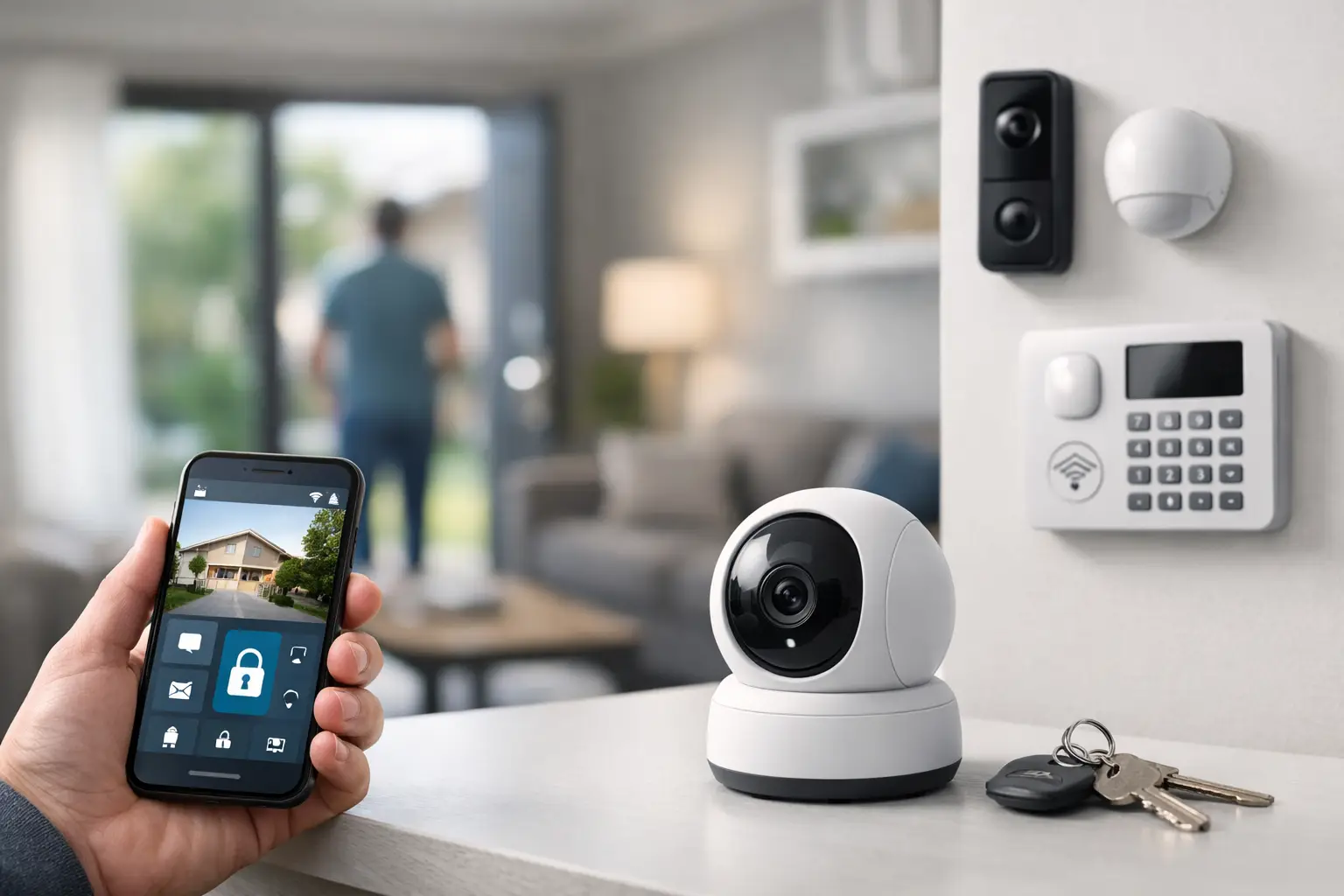
A front door unlocks, the hallway lights turn on, the alarm disarms, and your camera marks the event as a known user – that is home automation security integration working the way it should. The goal is not to add more gadgets. It is to make security stronger, faster, and easier to manage from one system.
For homeowners, that means fewer gaps between devices and fewer moments where something gets missed. For small business owners, it means tighter control over who enters, when doors lock, what cameras capture, and how quickly your team gets alerted when something is off. When security and automation are designed together, you get more than convenience. You get a property that responds.
What home automation security integration actually means
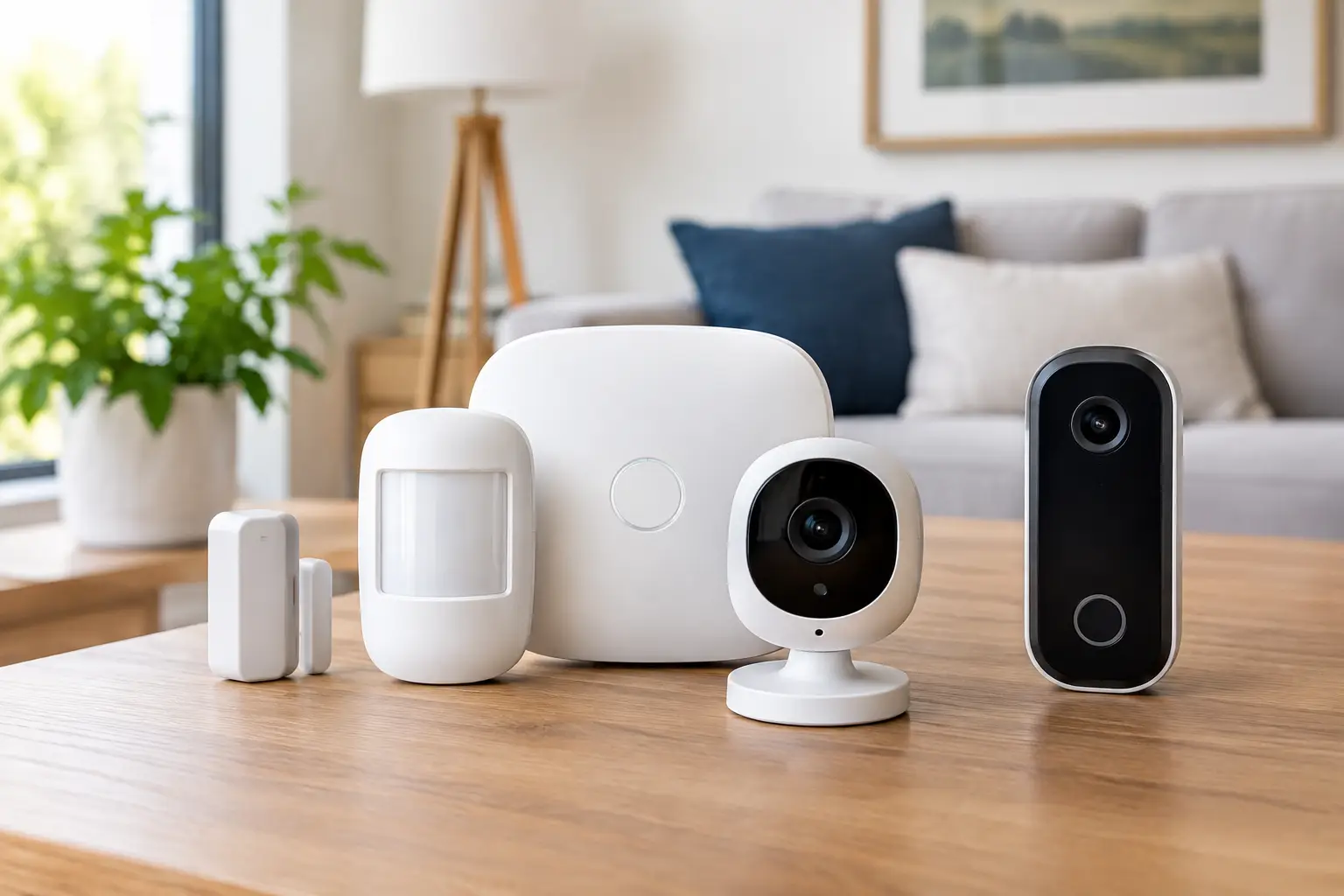
At a basic level, home automation security integration connects your security devices and smart controls so they work together instead of operating as separate tools. Your cameras, smart locks, garage door, alarm panel, motion sensors, lights, thermostat, smoke detectors, flood sensors, and mobile app are all part of the same system.
That matters because security events rarely happen in isolation. A door opens after midnight. A camera detects motion near a side gate. A smoke detector goes off while no one is home. If those devices are connected, the system can trigger the right response immediately, whether that means sending an alert, recording video, turning on lights, locking a door, or notifying a professional monitoring team.
Without integration, you are left checking multiple apps, managing different settings, and hoping every device behaves the way you expect. That can work for a while, but it often breaks down as the system grows.
Why integrated security performs better than stand-alone devices
A single smart lock or video doorbell can be useful. The problem starts when you try to build serious protection out of disconnected products. One app handles cameras. Another manages lighting. A third controls the alarm. Then an update causes one device to stop syncing with the others, and now the system you trusted has blind spots.
Integrated systems reduce that risk. They centralize control, simplify daily use, and make automation meaningful. Instead of opening separate apps to check the front door, arm the system, and view a camera clip, you manage the property from one place.
There is also a security advantage. When devices are built to work together, they can support faster detection and faster response. A motion event outside can trigger floodlights and camera recording. A forced entry alert can send a mobile notification while professional monitoring verifies the event. A flood sensor can shut off a water valve before a small leak turns into major damage.
That kind of coordination is hard to recreate with a patchwork setup.
The features that matter most in home automation security integration
Not every integrated system offers the same value. Some focus heavily on convenience but leave out stronger protection features. Others offer good hardware but make daily control harder than it needs to be. The best setup balances both.
Smart locks, entry control, and user management
Connected locks do more than remove keys from the equation. They help you know who entered, when they entered, and whether the property is secure. For families, that may mean getting a notification when kids arrive home from school. For business owners, it may mean assigning codes to staff and changing access without rekeying doors.
The real benefit shows up when locks are tied into the larger system. Unlocking a door can disarm the system for an authorized user. Locking up at night can arm the property, turn off interior lights, and close the garage door if it was left open.
Cameras that support action, not just recording
Video surveillance is strongest when it is connected to the rest of your security platform. Cameras should not only capture footage. They should help verify events, trigger alerts, and support smarter decisions in real time.
That is where analytics and active deterrence come into play. If a camera can identify unusual activity and help distinguish routine motion from a real threat, you spend less time chasing false alarms. If it can support video verification and faster monitoring response, you gain more than a saved clip on your phone.
Environmental protection that goes beyond intrusion
Security is not only about burglary. Smoke, carbon monoxide, flooding, and temperature issues can cause just as much damage, sometimes more. A well-integrated system brings those risks into the same platform so you can respond quickly.
A smoke detector connected to your monitoring setup can do more than sound locally. A flood sensor tied to an automatic water valve can help limit damage before you get home. These are the moments when integration proves its value, because fast action matters.
Lighting, thermostat, and garage control
These devices are often framed as convenience upgrades, but they also support security. Scheduled lighting can make a home look occupied. Garage door control helps you confirm the property is closed up. Thermostat automation can protect comfort while also helping manage energy use when the system is armed away.
It depends on how you use them. On their own, they are smart devices. Connected to a full security platform, they become part of your protection strategy.
Where DIY setups often fall short
DIY systems appeal to people who want flexibility and a lower upfront commitment. For some users, that is enough. But for customers who want dependable protection, remote control, and fewer technology headaches, DIY can become frustrating fast.
Compatibility is one issue. Not all smart devices communicate well across brands, and even when they do, performance can be inconsistent. Setup is another. Device placement, sensor calibration, camera angles, network reliability, and alert settings all affect how the system performs.
Then there is monitoring. A phone alert is helpful, but it is not the same as having a professional team available around the clock to respond when you miss the notification, lose service, or are simply asleep. That difference matters during break-ins, fire events, and after-hours business incidents.
Why professional installation changes the result
Home automation security integration works best when the system is planned as a whole. That starts with understanding the property, your routines, and the risks you actually want to address.
A professionally designed system can account for entry points, camera coverage, lighting conditions, pet movement, internet reliability, environmental hazards, and how your family or staff moves through the space every day. Instead of guessing which devices might work together, you get a setup configured for your property from the start.
Professional installation also helps with the details people usually notice only after a problem. Is the outdoor camera angled to catch faces, not just driveways? Will the front door sensor and smart lock trigger the correct arming sequence? Are smoke and carbon monoxide alerts routed properly? Does the app feel simple enough that everyone will actually use it?
That is where a provider like Fluent Home fits best. The value is not just the equipment. It is the custom system design, expert installation, and ongoing monitoring that make advanced protection easier to live with.
How integrated security helps small businesses
For small businesses, the case for integration is even stronger. Owners need visibility without sitting on-site all day. They need to know when employees open up, when deliveries arrive, whether a restricted area was accessed, and what happened if an alarm goes off after hours.
An integrated setup can combine intrusion detection, video surveillance, access control, and mobile alerts in one platform. That makes it easier to manage daily operations while improving accountability. If a door is propped open, a camera sees movement after closing time, or a storage room is accessed unexpectedly, the system can record, alert, and support response right away.
The right setup depends on the business. A retail shop has different needs than an office or warehouse. That is exactly why a one-size-fits-all package is rarely the best answer.
What to look for before you choose a system
If you are comparing options, focus less on the number of devices and more on how the system works as a whole. Ask whether the platform supports one-app control, professional monitoring, smart automation rules, reliable mobile alerts, video verification, and room to expand later.
Also consider your priorities. Some customers care most about package theft and front-door awareness. Others want full perimeter protection, indoor video, water shutoff control, or business access management. The best system is not the one with the longest feature list. It is the one that covers the risks you actually face and makes daily use simple.
Price matters, but so does long-term value. A cheaper setup that creates false alarms, misses events, or becomes difficult to manage can cost more in stress and gaps than it saves upfront.
The right system should feel simple
Good security should not require constant troubleshooting. When home automation security integration is done well, your property feels easier to manage, not more complicated. Doors lock when they should. Cameras capture what matters. Alerts arrive with context. Monitoring adds backup when you need it most.
That is the standard worth aiming for – a system that protects your home or business in the background while giving you clear control when it counts. If you are considering an upgrade, start with a system built to work together from day one, because peace of mind is a lot easier to trust when the technology is working as one.