A break-in alarm at 2:13 a.m. is not the moment you want to wonder who gets the signal, who checks it, and who calls for help. That is the real value behind understanding how professional alarm monitoring works. It is not just a siren going off. It is a coordinated response system built to detect trouble, verify what is happening, and move quickly when seconds matter.
For homeowners and small business owners, that difference matters. A self-monitored system can send a push notification to your phone, but a professionally monitored system adds trained operators, backup communication paths, and around-the-clock oversight. If you are asleep, in a meeting, on a flight, or just away from your phone, the system still has someone watching.
How professional alarm monitoring works step by step
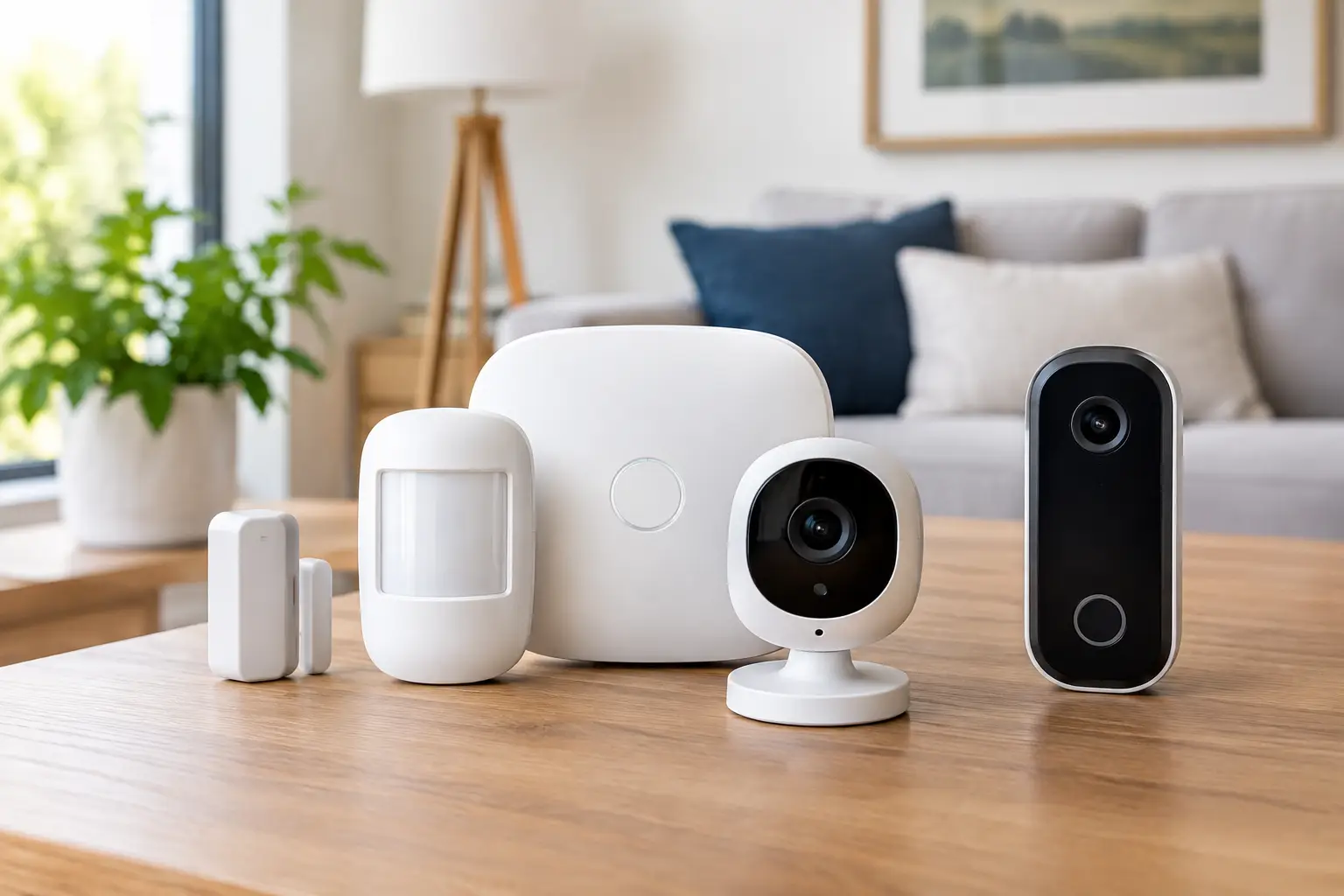
At the most basic level, professional alarm monitoring starts when a device in your security system detects an event. That could be a door sensor opening unexpectedly, a motion detector sensing movement, a glass break detector hearing a window shatter, or a smoke detector picking up signs of fire.
That event is sent to your control panel, which acts as the system’s central hub. The panel decides whether the event matches an alarm condition. If it does, it transmits that signal to a monitoring center. Modern systems usually use cellular communication, Wi-Fi, or both, and better setups include backup paths so a signal still gets through if one connection fails.
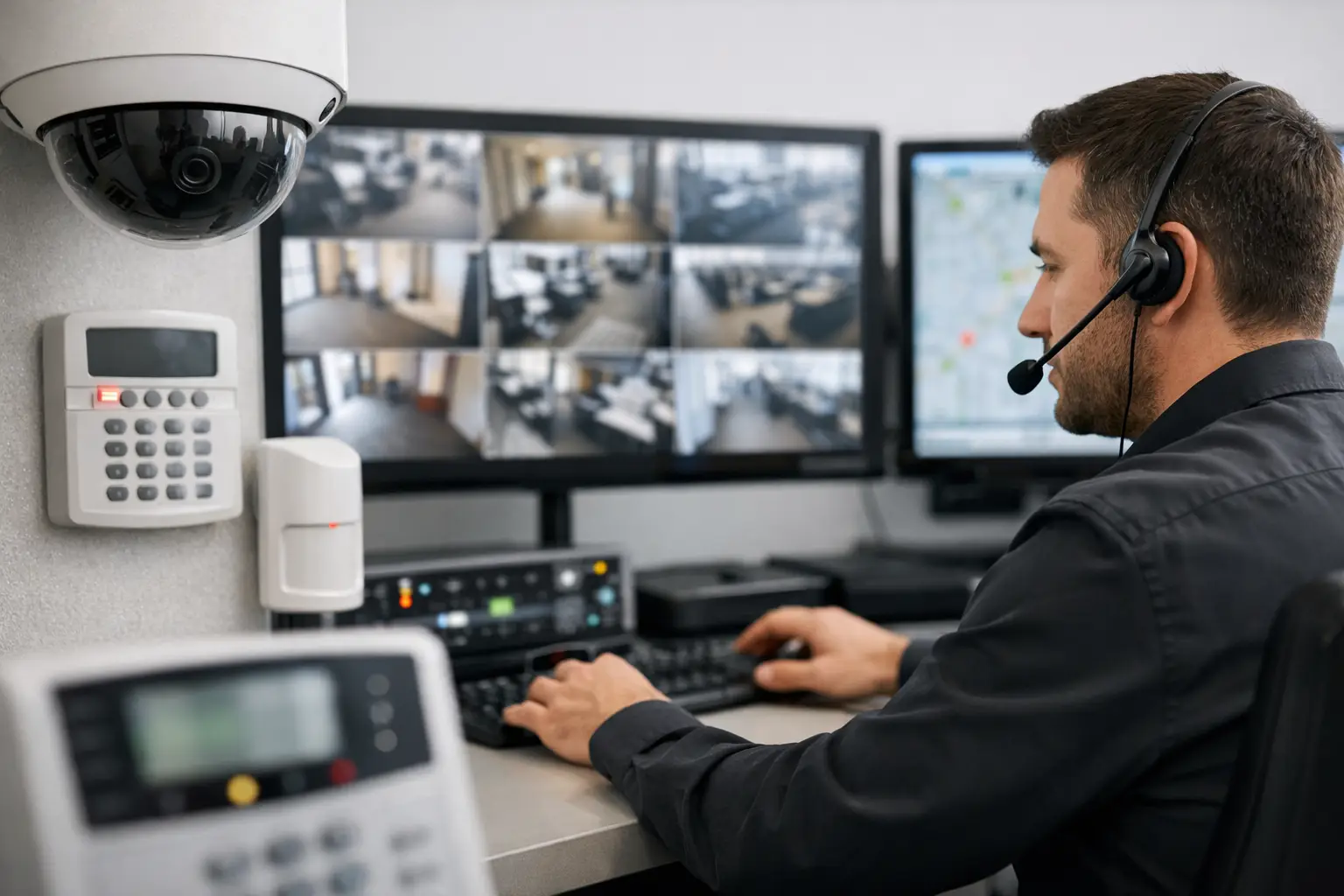
Once the monitoring center receives the alert, trained professionals review the alarm details and follow a response process. Depending on the type of signal, they may attempt to contact the homeowner, a business owner, or designated emergency contacts. If the situation appears urgent or verified, they can request dispatch from police, fire, or medical responders.
That is the core process, but the quality of monitoring depends on what happens between the initial alert and emergency response. Better systems are designed to reduce false alarms, confirm real threats faster, and provide more context than a simple siren ever could.
What happens after an alarm is triggered
Not every alarm signal is handled the same way, because not every threat carries the same level of urgency. An intrusion alarm, a fire alert, a carbon monoxide signal, and a flood sensor event each follow different response logic.
If an intrusion sensor is triggered while the system is armed, the monitoring center may first review the account details, check for recent disarming activity, and contact the property owner or emergency contact list. In some cases, an operator can see whether connected cameras, video clips, or analytics support the alarm event. That extra context helps separate a real break-in from a user mistake.
Fire and carbon monoxide alarms are often treated with more urgency because the risk to life is immediate. A monitoring center may move directly into emergency response procedures, especially if there is no answer from the property. Flood alerts usually do not involve fire or police dispatch, but they can trigger calls and notifications quickly enough to help prevent major property damage.
This is one reason professionally installed and monitored systems tend to offer stronger protection than standalone devices. The system is not just reacting to noise. It is managing different kinds of emergencies with different rules and response priorities.
The role of the monitoring center
The monitoring center is the human side of the system. It is staffed 24/7 by professionals trained to handle alarms under pressure. Their job is to receive signals, review event data, attempt contact when appropriate, and coordinate the next step.
That may sound simple, but reliability matters here. Monitoring centers are built with redundancy in mind, including backup power, secure communications, and processes designed to keep operations running during storms, outages, and high-alert periods. If your system sends a signal at an inconvenient time, that is exactly when the monitoring center is supposed to be at its best.
The strongest monitoring experience also depends on accurate account setup. Emergency contact lists, passcodes, property details, and special instructions all help operators respond correctly. For small businesses, that may include who to call after hours, whether the site uses access control, or which entries are most likely to trigger activity during cleaning or deliveries.
Why video verification changes the response
Traditional alarm monitoring relies heavily on sensor events and phone calls. That still works, but video verification adds a much stronger layer of confidence. When cameras and analytics are tied into the system, operators can review clips or live event data to help confirm whether a threat is real.
This matters for two reasons. First, it can reduce false alarms, which saves time and lowers frustration. Second, verified events often provide better information for emergency response. If an operator can confirm that someone forced a door open or is moving through a restricted area, that is more actionable than a generic alarm signal alone.
For homeowners, video verification can help with package theft, driveway activity, and suspicious movement near entry points. For small businesses, it can support after-hours intrusion response, employee safety, and better awareness around loading areas, storefronts, and inventory zones.
Advanced systems now go further with AI-based analytics and proactive deterrence features. Instead of waiting for a break-in to fully happen, a system may detect suspicious activity early, trigger lights or audio warnings, and escalate the event for review. That is a meaningful shift from passive alerting to active prevention.
How professional alarm monitoring works with smart devices
One reason people choose modern security systems is that protection no longer sits in its own separate box. Professional monitoring can now work alongside smart locks, video doorbells, thermostats, garage controls, lighting, and environmental sensors in one connected platform.
That does not mean every smart device needs monitoring. It means the system can use these devices to create better awareness and faster action. If a sensor trips, cameras can capture the event. If smoke is detected, smart locks can support easier exit and alerts can reach you instantly. If a water sensor detects a leak, an integrated water shutoff can help limit damage.
This is where professional design and installation make a difference. A security system is only as useful as the way it is set up. Device placement, communication reliability, and automation logic all affect how well the monitored system performs in real life.
Professional monitoring vs. self-monitoring
Self-monitoring appeals to people who want lower monthly costs and direct control. In some situations, it may be enough. If you are always available, comfortable managing alerts yourself, and mainly want awareness rather than emergency coordination, self-monitoring can work.
But there are obvious trade-offs. If your phone is off, you miss the alert. If you are in a movie theater, on vacation, asleep, or dealing with an emergency of your own, the system depends on your availability. It also puts the burden on you to decide whether a situation is real and what to do next.
Professional monitoring adds a monthly cost, but it also adds consistency. Someone is there every hour of every day to receive the signal and follow a process. For families, busy households, and small businesses with after-hours risk, that reliability is often the real reason to choose it.
What to look for in a professionally monitored system
If you are comparing options, the monitoring service matters just as much as the equipment. Fast alerts, clear communication, and dependable dispatch procedures are part of the value. So are cellular backup, video integration, environmental protection, and the ability to manage everything through one mobile app.
Customization matters too. A small retail store does not need the same setup as a suburban family home. Some properties need stronger perimeter protection. Others need indoor video, access control, flood sensors, or smart automation built around daily routines. The best systems are designed around the property, not forced into a generic package.
That is why many customers prefer a professionally installed solution from a provider like Fluent Home. Instead of piecing together devices and hoping they work well together, you get a system designed for the way you actually live or operate your business, backed by 24/7 monitoring and modern verification tools.
Professional alarm monitoring works because it combines technology, trained response, and system design into one service. The sensors do the detecting. The panel does the communicating. The monitoring center does the responding. And when video, automation, and smart controls are added to the mix, the system becomes more than an alarm – it becomes a practical layer of daily protection you can count on.