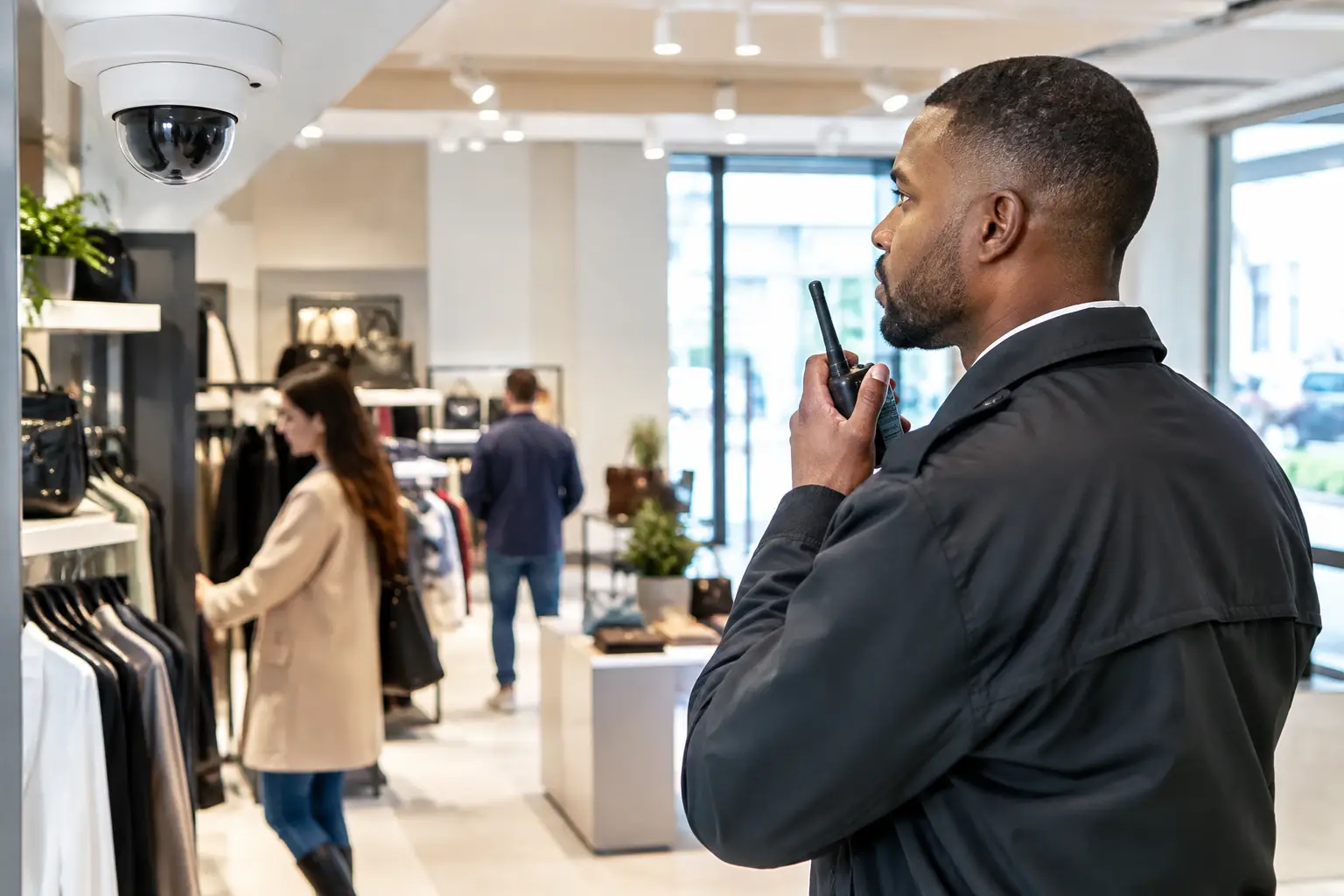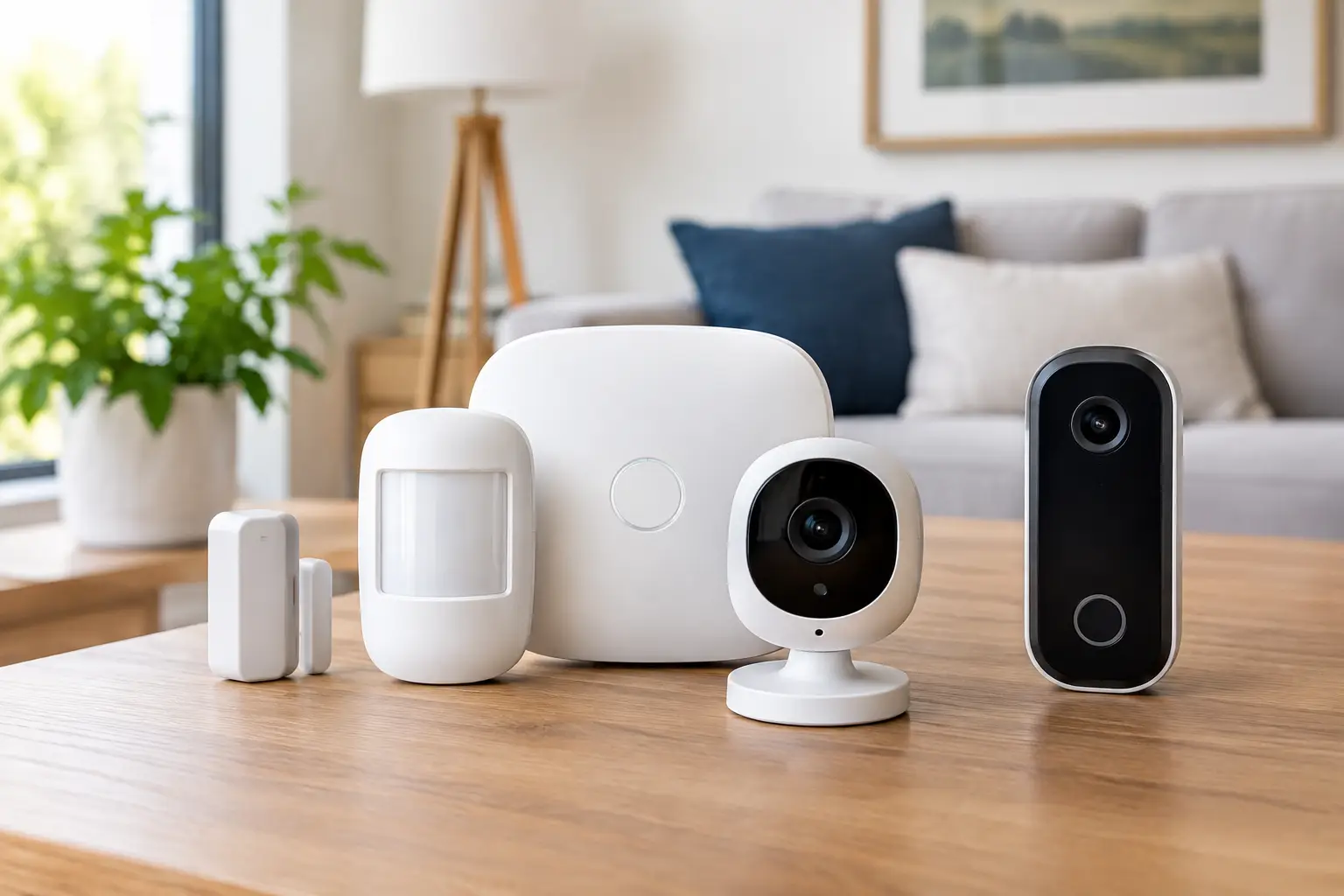
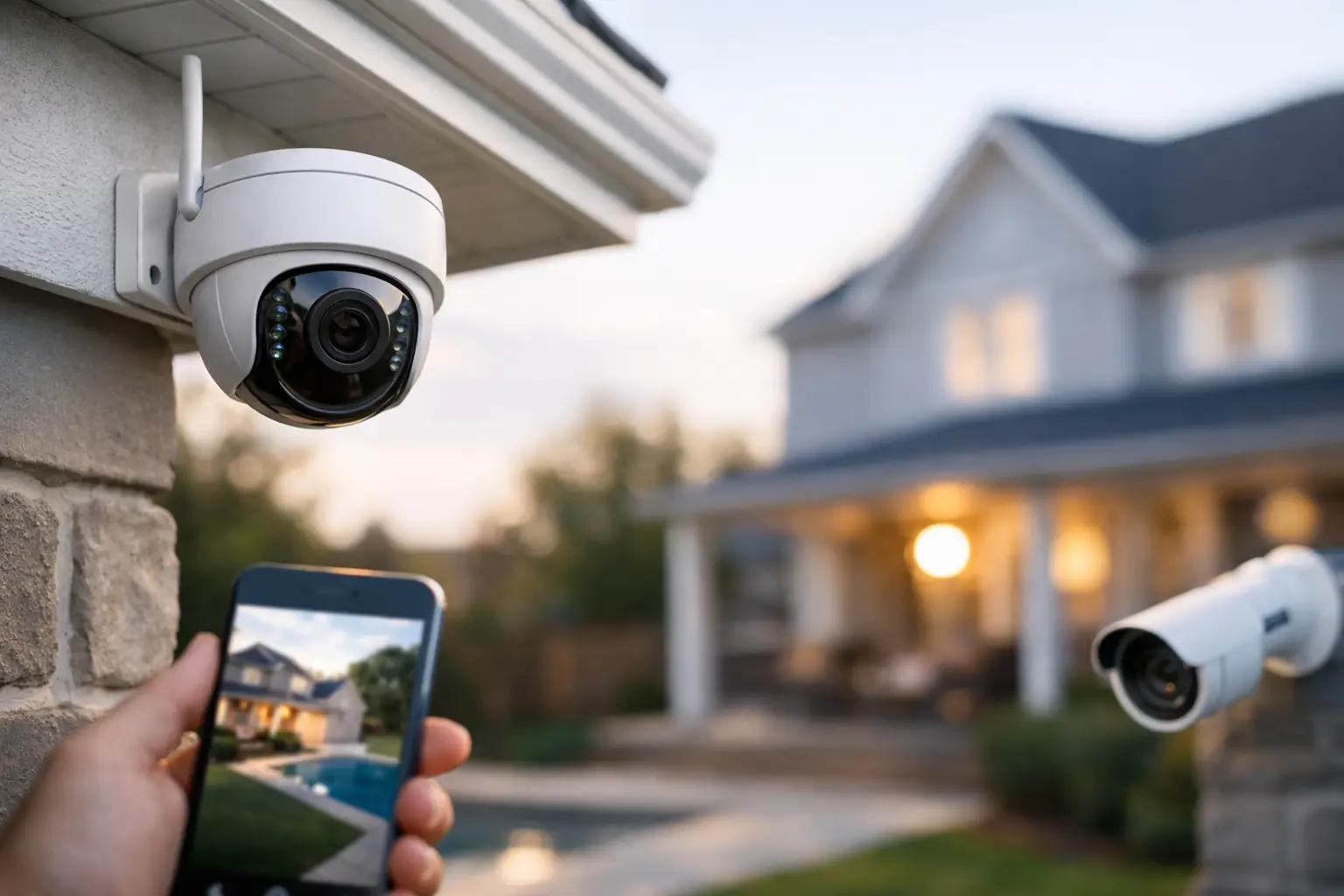
A camera over the front door can catch a package delivery. A well-planned camera system can do much more – deter trespassers, verify activity in real time, and help you stay connected to your home whether you are at work, on vacation, or asleep upstairs. That is what this guide to residential security cameras is really about: choosing coverage that gives you clear visibility, fewer blind spots, and more peace of mind.
Many homeowners start with one camera and quickly realize the bigger question is not which single device to buy. It is how to protect the property as a whole. The right setup depends on your entry points, lot layout, lighting conditions, and whether you want simple video clips or a professionally managed system that can verify threats and respond when something is wrong.
What a residential camera system should actually do
The best camera system is not the one with the longest spec sheet. It is the one that helps you see what matters, reduces false alarms, and fits naturally into your daily routine. For most homes, that means fast mobile access, clear video day and night, smart alerts that do not become background noise, and coverage in the places where incidents are most likely to happen.
A useful camera system should also support action. If someone approaches your porch at 2 a.m., you should be able to review live video quickly, speak through two-way audio if needed, trigger lights or deterrence features, and know whether the event requires a real response. That is where integrated security matters. Cameras are strongest when they work alongside motion detection, door sensors, smart lighting, and professional monitoring instead of acting as standalone gadgets.
A practical guide to residential security cameras by location
Camera choice gets easier when you think in zones rather than products. Most homes need exterior coverage first, then targeted interior visibility based on lifestyle and risk.
Front door and porch
This is the highest-value camera location for many households. Package theft, doorbell activity, unexpected visitors, and routine comings and goings all happen here. A doorbell camera is often the best fit because it combines motion alerts, live video, two-way talk, and a view of deliveries in one place.
The trade-off is field of view. Some doorbell cameras are excellent for face-level interaction but less effective at watching the full yard or driveway. If your porch sits far back from the street or receives frequent foot traffic, pairing a doorbell camera with a wider outdoor camera can close that gap.
Driveway and garage
A driveway camera helps identify vehicles, monitor late-night movement, and watch access points such as side garage doors. This area benefits from strong night vision and enough resolution to distinguish details without relying on digital zoom.
Placement matters more than many people expect. Too high, and you lose identifying detail. Too low, and the camera becomes easier to tamper with. A professionally installed camera can be angled for both coverage and practical evidence, which is not always easy to achieve with a quick DIY mount.
Backyard and side yards
These spaces are often quieter, darker, and less visible from the street, which makes them attractive to intruders. They also tend to create more motion events from pets, trees, and changing light. Outdoor cameras with smart analytics can help filter that activity so you are not getting alerts every time a branch moves.
Floodlight cameras are especially effective here because visibility and deterrence work together. A sudden light, paired with a recorded event, can be enough to stop suspicious behavior before it gets closer to the home.
Interior common areas
Indoor cameras can add reassurance when you are away, especially near main entry paths, living rooms, or stairways. They are useful for checking on kids after school, confirming whether a pet sitter arrived, or reviewing activity after an alarm event.
That said, interior placement requires more sensitivity. Bedrooms and private areas are usually off-limits. Many homeowners prefer indoor cameras that can be disabled, scheduled, or privacy-shuttered when the household is home. Convenience matters, but comfort matters too.
The features that make the biggest difference
Shoppers often get pulled toward headline specs. Some of those matter. Others matter less than you think once the camera is actually installed.
Video quality
Higher resolution helps, but only up to a point. A 2K or 4MP camera can offer a meaningful bump in clarity over basic HD, especially for faces and vehicles. But image quality also depends on lens design, lighting, compression, and placement. A poorly positioned high-resolution camera can still miss the details you need.
Night vision and low-light performance
A lot of important activity happens after dark. Good night vision is not just about seeing shapes. It is about seeing usable detail. Some cameras rely on infrared for black-and-white night footage, while others use spotlight assistance or enhanced sensors for color at night. The right choice depends on how much ambient light your property already has.
Motion alerts and analytics
This is where good systems separate themselves from frustrating ones. Basic motion detection can generate endless alerts from cars, shadows, or weather. Smarter analytics can distinguish between people, vehicles, and general motion so you can focus on what matters.
If your goal is proactive protection, look beyond recording alone. AI-enhanced alerts, deterrence features, and professional video verification can turn a camera from a passive witness into an active part of your security plan.
Storage and access
Some homeowners are comfortable reviewing clips only when needed. Others want continuous recording on key exterior cameras. Neither is automatically better. It depends on your property, your budget, and how much history you want available.
Cloud storage is convenient for remote access and protects footage if a device is damaged or stolen. Local storage can reduce recurring costs, but it may have limits on access, retention, or resilience. Many households value simplicity most – one app, reliable playback, and no guesswork when an event happens.
Guide to residential security cameras: DIY or professional installation?
This decision affects more than setup time. It changes how well the system works six months from now.
DIY cameras can be fine for a small apartment or a single entry point. They are often marketed as quick and inexpensive, and sometimes they are. But larger homes usually expose the weaknesses fast: weak Wi-Fi at the edge of the property, poor mounting angles, missed zones, inconsistent notifications, and too many apps managing too many devices.
Professional installation is usually the better fit when you want whole-home coverage, integrated devices, and confidence that the cameras are positioned correctly from day one. It also helps when you want the cameras tied into a broader system that includes smart locks, intrusion sensors, fire protection, flood monitoring, and 24/7 monitoring. That kind of setup is less about buying hardware and more about building a complete protection strategy.
For many families, the real value is simplicity. You do not have to figure out what works together, where each camera should go, or how to troubleshoot coverage gaps. The system is designed around your property and your priorities.
How many cameras do you really need?
Most single-family homes need enough coverage to see primary entrances, vulnerable side access, and the main outdoor activity areas. That usually means more than one camera, but not a camera on every wall.
A common mistake is overbuying indoor cameras while underprotecting the perimeter. Exterior visibility typically gives you more security value because it helps detect and deter problems before someone reaches the door. Once your entrances and exterior blind spots are covered, interior cameras can be added where they support daily awareness.
The right count depends on the shape of the home, detached structures, fencing, and whether you receive frequent deliveries or have high-value outdoor equipment. A custom quote is often the fastest way to avoid paying for the wrong layout.
What to ask before you choose a system
Before you commit, think less about the camera catalog and more about your goals. Do you want to monitor packages, watch over kids coming home from school, deter nighttime trespassing, or connect video to a professionally monitored alarm response? Those are different use cases, and they can point toward different camera types and service levels.
You should also ask how the cameras fit into the rest of the home. Can you control them from the same app as your alarm, locks, lights, and garage? Can alerts be filtered intelligently? Is professional monitoring available if you want more than self-monitoring? These details shape your day-to-day experience far more than a flashy product box.
A strong residential camera system should feel straightforward once it is installed. You should know what is happening at home, respond quickly when needed, and trust that your security setup is working even when life gets busy. If you want that kind of coverage without managing the complexity yourself, Fluent Home can help design a camera system that fits your property, your routine, and the level of protection you actually want.