A motion sensor trips at 2:14 a.m. In a standard alarm setup, that signal alone can trigger a rush of calls, stress, and sometimes a police dispatch for something as minor as a cleaning crew, a loose door, or user error. Understanding how video verified alarms reduce false dispatches starts with that moment – because the difference is not just better technology, but better decision-making before emergency resources are sent.
For homeowners and small business owners, false alarms are more than an inconvenience. They can lead to fines, wasted time, strained relationships with local responders, and a growing sense that your system cries wolf. Video verification changes that by adding visual context to the alarm event, helping monitoring professionals separate a real threat from a harmless trigger quickly and accurately.
How video verified alarms reduce false dispatches in real time
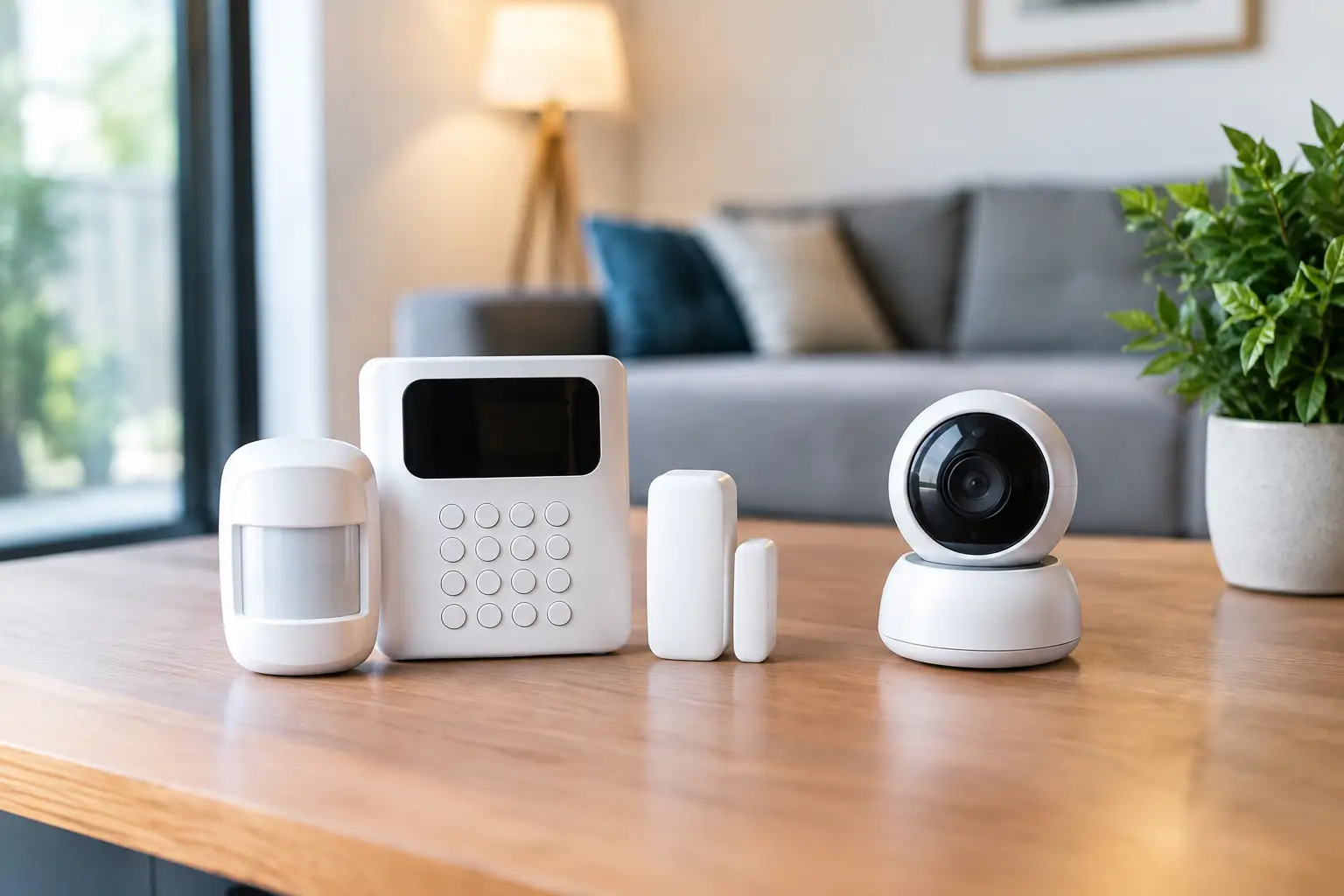
Traditional alarm systems rely on sensor activity. If a door contact opens, a glass break detector activates, or motion is detected in an armed area, the monitoring center receives a signal. From there, the operator follows a standard process, usually calling the property and emergency contacts before requesting dispatch if needed.
That process works, but it has limits. A sensor can report activity, yet it cannot explain what caused it. A family member might enter through the wrong door. An employee may arrive early and forget the code. A balloon drifting across a room, a poorly placed motion sensor, or a door that does not latch properly can all create alarm activity without an actual break-in.
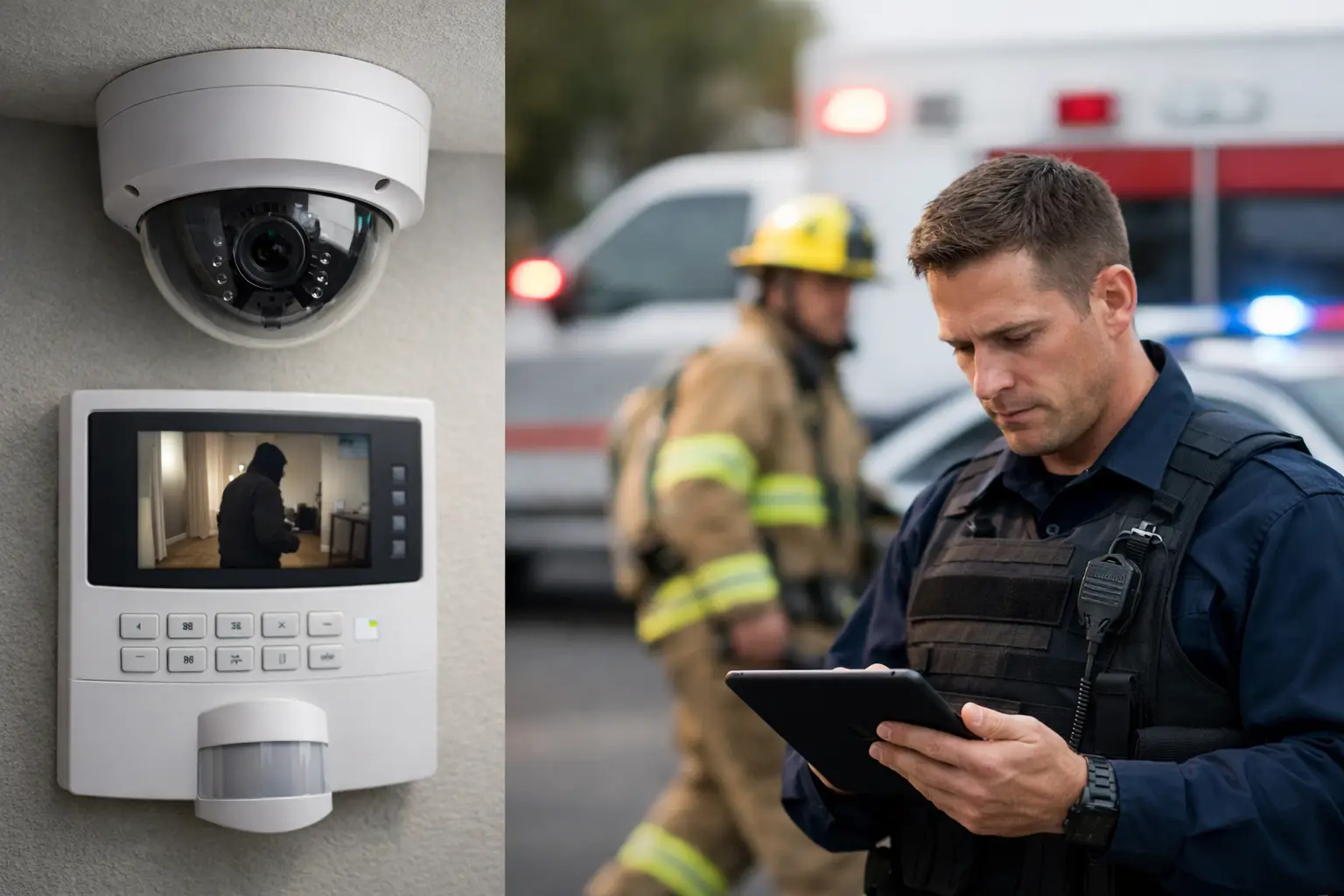
Video verified alarms add the missing layer. When an alarm event occurs, associated cameras or video clips give trained monitoring personnel a way to visually confirm what is happening at the property. Instead of reacting to a signal in isolation, they can assess whether there is an intruder, suspicious movement, forced entry, or no criminal activity at all.
That visual confirmation is what reduces false dispatches. If the footage shows an authorized person, an accidental trigger, or no threat, dispatch can often be avoided. If it shows a real intrusion, the response can be faster and more informed.
Why false dispatches happen so often
Most false alarms are not system failures. They are everyday mistakes or harmless events that happen in busy homes and working businesses. A child opens a protected door before disarming the system. A staff member forgets the schedule changed. A pet enters a restricted area. A contractor props open an entry point. These situations are common because real life is not perfectly controlled.
This is where a professionally designed and installed system matters. Good placement, proper calibration, and user training all help reduce nuisance alarms. Even then, no property is completely immune to human error. Video verification acts as a second layer of judgment, catching the situations where a sensor alone cannot tell the full story.
For small businesses, false dispatches can be especially disruptive. A retail store, office, warehouse, or restaurant may have multiple users, changing hours, delivery activity, and cleaning staff moving in and out. One missed code entry can set off a chain of calls. With video verification, monitoring teams can check whether there is an actual intrusion before escalating the situation.
What monitoring centers see with video verification
Video verification does not mean someone is constantly watching your cameras. It means video is available when a qualifying alarm event occurs, so monitoring professionals can review live footage, event-based clips, or images tied to that signal.
That distinction matters. The goal is not surveillance for its own sake. The goal is faster, smarter response when something unusual happens.
If an alarm is triggered at the front door and the associated camera shows a resident carrying groceries, the operator has useful context immediately. If a back door sensor trips and the clip shows an unknown person forcing entry, that context supports urgent action. In both cases, the response is more accurate because it is based on more than a single alert.
The strongest systems also combine video verification with analytics and deterrence features. That can include person detection, activity zones, spotlight activation, or two-way audio. These tools do not replace monitoring. They strengthen it by helping identify meaningful events and discourage criminal behavior before it gets worse.
How video verified alarms improve response quality
Reducing false dispatches is one benefit. Improving the quality of real dispatches is another.
When emergency responders receive a call tied to a video verified event, they are not responding to a vague sensor trip. They may know there is confirmed movement inside a business after hours, visible forced entry, or an unauthorized person on site. That added confidence can influence how the event is prioritized, depending on local agency policies.
For property owners, that means more peace of mind. You are not left wondering whether your system triggered because of a simple mistake or an actual threat. You get a clearer picture of what happened, and the monitoring team can act with more precision.
This is also why many property owners move away from passive alarm setups over time. They want a system that does more than make noise and send notifications. They want one that helps prevent unnecessary panic while still responding decisively when the risk is real.
How video verified alarms reduce false dispatches at home
In a residential setting, false alarms often come from rushed mornings, late arrivals, visiting relatives, service appointments, or kids using the wrong door. These are normal parts of family life, but they can create unnecessary monitoring events.
Video verification helps by showing what actually caused the alarm. If someone accidentally entered before disarming, the monitoring center can often identify that quickly. If a package thief approaches the porch or someone attempts entry where they should not, the same system provides a very different kind of confirmation.
For homeowners, the value is practical. Fewer unnecessary dispatches mean fewer interruptions, less stress, and less risk of false alarm penalties. At the same time, when a genuine threat appears, the system is better positioned to support an informed emergency response.
That balance matters. Security should make your home feel easier to manage, not harder.
How video verified alarms reduce false dispatches for businesses
For business owners, the stakes can be higher because false alarms affect operations, staff, and customer trust. An unnecessary police response to your storefront, office, or service location can create confusion and waste time. Repeated false alarms may also lead to local fines or a lower sense of urgency when future events occur.
Video verification helps protect against that pattern. When a stockroom motion detector activates after closing, the monitoring center can check whether it is an employee, a vendor, or a true intruder. When a side entrance opens unexpectedly, they can review what is happening instead of relying on guesswork.
This is especially useful for businesses with multiple access points, rotating teams, or after-hours activity. It gives owners and managers better visibility without requiring them to manage every alert themselves.
It still depends on system design
Video verification is powerful, but it is not magic. Results depend on camera placement, lighting, connectivity, monitoring protocols, and how well the system is customized to the property.
A camera pointed too wide may miss key details. Poor nighttime visibility can limit confirmation. Not every alarm event is equally easy to verify on video. Environmental conditions, building layout, and privacy considerations all play a role. That is why professional installation and thoughtful system design matter so much.
The best outcome comes from a setup where intrusion sensors, smart cameras, analytics, and 24/7 professional monitoring work together. At Fluent Home, that integrated approach is what turns separate devices into a more dependable layer of protection.
Why this matters beyond false alarms
There is a larger benefit here. When your security system can help confirm real threats and filter out harmless activity, it becomes more credible. You trust it more. Your family or staff take it more seriously. Monitoring becomes more effective because each event has better context.
That is the real shift. Video verified alarms do not just reduce false dispatches. They create a smarter response process from the first alert to the final action.
If you are investing in security for your home or business, accuracy matters as much as coverage. A system that sees more clearly can help everyone respond more confidently – and that is the kind of protection that earns its place every day.