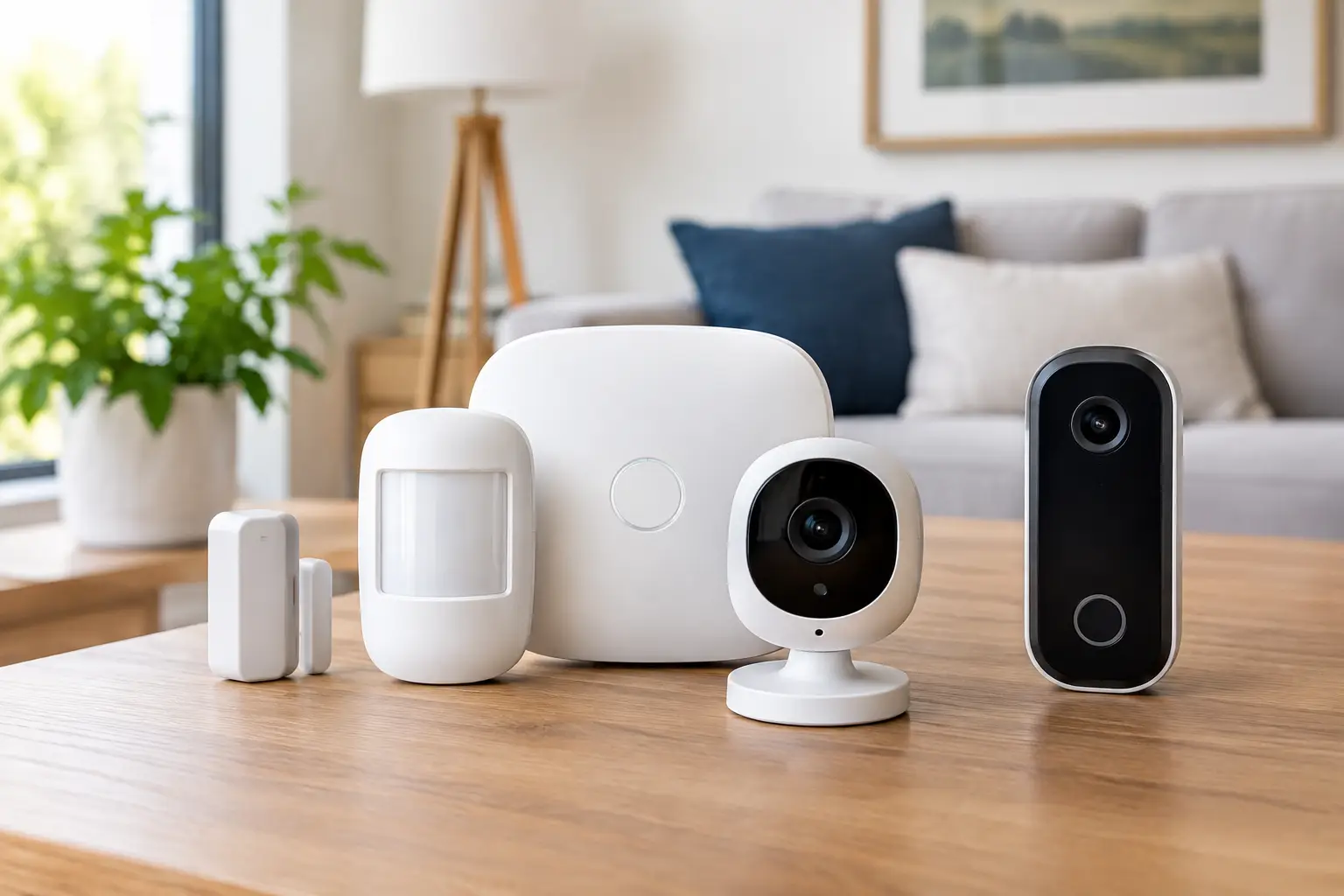
A camera in a box can feel like progress right up until motion alerts start firing at 2:13 a.m., the Wi-Fi drops, or you realize nobody is watching when you are asleep, traveling, or in a meeting. That is where the real difference in home alarm vs DIY security starts to show. Both can help protect a property, but they solve very different problems for very different people.
If you want the shortest answer, DIY security is usually built for people who want low upfront costs and hands-on control. A professionally installed home alarm system is built for people who want dependable coverage, expert setup, and support when something actually goes wrong. The better choice depends on how much risk, setup time, and responsibility you are willing to take on yourself.
Home alarm vs DIY security: what changes in real life
On paper, the comparison can look simple. DIY systems often advertise easy setup, app access, and lower starter prices. Professional systems emphasize monitoring, installation, and broader protection. In real life, the gap is less about gadgets and more about what happens before, during, and after an event.
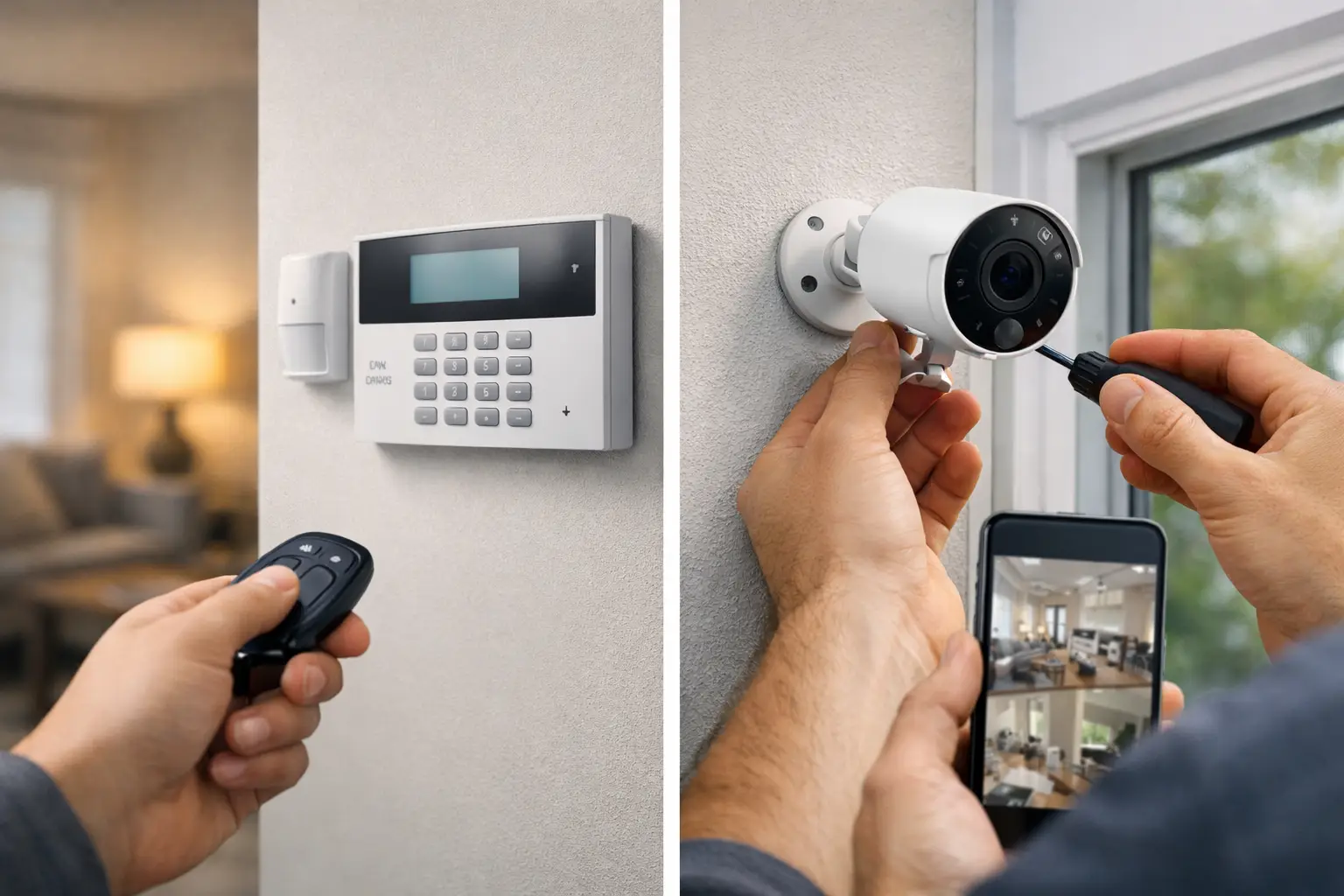
With DIY security, you are the designer, installer, troubleshooter, and first responder. You decide where sensors go, whether camera angles cover key entry points, how notifications are set up, and what to do when the app sends an alert. That can work well in a small apartment or a simple home where the goal is basic awareness.
A professionally installed home alarm system shifts that burden off your plate. The system is planned around the property, installed correctly, tested, and connected to monitoring services designed to respond when you cannot. That matters more in larger homes, multi-entry properties, households with children, or small businesses where coverage gaps are costly.
The biggest factor is not equipment – it is response
Most people shop security by comparing cameras, sensors, and monthly prices. The more important question is who responds when there is a break-in, fire, carbon monoxide alert, or flood event.
A DIY setup usually sends a push notification to your phone. If you see it in time, understand what you are looking at, and can act quickly, that may be enough. If you are on a flight, in a dead zone, asleep, or simply miss the alert, the system has done its job, but the response may stop there.
A monitored home alarm system adds another layer. Instead of relying on one person to catch and interpret an alert, professional monitoring centers can verify events and help dispatch emergency response when needed. That is a meaningful difference for families, older homeowners, second-home owners, and business operators who cannot watch a phone all day.
This is also where video verification and smarter deterrence tools change the conversation. A basic camera records. A more advanced system can help identify unusual activity, trigger alerts with more context, and support a faster, more informed response. That is not just convenience. It is a different level of protection.
Cost is more complicated than the sticker price
DIY security often wins the first glance because the upfront price is lower. You buy a starter kit, add a few cameras, and begin with no installation visit. For budget-focused shoppers, that is appealing.
But the true cost of DIY depends on how complete you want the system to be. Extra door and window sensors, indoor and outdoor cameras, doorbell cameras, smart locks, smoke detection, water sensors, cloud storage, and monitoring add up quickly. So does the value of your time if setup turns into trial and error.
A professionally installed home alarm system may come with a higher monthly commitment, but it can also deliver more complete coverage from day one. Installation, monitoring, integrated automation, and support are part of the value. For many homeowners and small businesses, that predictability matters more than chasing the lowest starting price.
There is also the cost of getting it wrong. A camera pointed too high, a sensor placed on the wrong door, a weak Wi-Fi signal in the garage, or missed alerts during an actual emergency can erase the savings fast. Security is one of those categories where the cheapest option can become the most expensive at the worst possible time.
DIY security works best in narrower situations
DIY is not the wrong choice in every case. It can make sense for renters, smaller spaces, tech-comfortable users, or people who want a temporary setup without a long-term service commitment. If your needs are basic and you are comfortable maintaining the system yourself, DIY can be enough.
It is also attractive for people who enjoy tinkering. Some customers prefer selecting each device, adjusting every setting, and building the system over time. If that sounds like a benefit instead of a hassle, a DIY path can fit.
The trade-off is consistency. As the property gets more complex, DIY systems tend to become more fragmented. One app for cameras, another for the thermostat, another for locks, and a different workflow for alerts can create friction. That is manageable when everything is calm. It becomes less manageable when something urgent is happening.
Professional home alarms are built for complete protection
A home alarm system earns its value when it is treated as more than a siren on the wall. The strongest systems connect intrusion detection, video surveillance, environmental sensors, smart locks, lighting, garage access, and mobile control into one experience.
That matters because threats do not arrive one at a time. A homeowner may want to deter porch theft, confirm when kids get home, lock the front door remotely, know if water is leaking in the basement, and receive help if a smoke detector goes off while the house is empty. A small business may need after-hours intrusion alerts, cameras, access control, and the ability to check on the property from anywhere.
Professional installation helps make sure those pieces actually work together. Device placement is smarter. Coverage is more intentional. The system is designed for the layout, routine, and risk profile of the property rather than copied from a generic starter bundle.
For people who want security without becoming their own installer and support desk, that difference is hard to overstate.
Reliability matters more than features
A long feature list looks good in marketing. Reliability is what you remember when something happens.
DIY systems depend heavily on self-install accuracy, home network strength, battery upkeep, and user attention. If any of those fail, the system may still exist on paper, but not in a way you can trust.
Professional home alarm systems are not immune to issues, but they are built around reducing those weak points. Expert installation, ongoing support, integrated equipment, and monitoring help close the gaps that are easy to miss when setting everything up alone.
That is especially important for outdoor cameras, motion sensors, and entry protection. A slight mistake in angle, sensitivity, or placement can mean nuisance alerts all day and a missed event when it counts. Good security should feel simple to use, but the work behind that simplicity is usually not simple at all.
Which option is right for your home or business?
If you want the lowest entry cost and are comfortable handling setup, maintenance, and alert response yourself, DIY security may be a practical fit. It can cover basic needs and give you more direct control.
If you want broader protection, one connected system, professional monitoring, and confidence that the setup is tailored to your property, a home alarm system is usually the stronger long-term investment. That is particularly true for families, larger homes, frequent travelers, and business owners who need dependable security without adding another job to their day.
For many customers, the decision comes down to one question: do you want security equipment, or do you want security service? Equipment can notify you. A professionally designed and monitored system is built to protect you.
That is why many homeowners and business owners choose a partner like Fluent Home. The goal is not just to install devices. It is to create a security system that fits the property, helps prevent problems, and gives you control from one app without leaving the hard parts on your shoulders.
The right security choice should leave you feeling less responsible for watching every alert and more confident that your property is covered, whether you are home, away, awake, or busy living your life.