A camera over the front door can help, but one badly placed camera will not give you the coverage most properties actually need. Outdoor security camera installation is about more than mounting a device on a wall. It is about seeing the right areas, reducing blind spots, capturing usable video, and building a system that supports faster response when something happens.
For homeowners, that usually means protecting entry points, driveways, side gates, and package drop zones. For small businesses, it often means watching customer entrances, rear access doors, parking areas, and delivery zones. The right setup makes daily life easier, but more importantly, it helps turn uncertainty into visibility.
Why outdoor camera placement matters so much
Most security problems do not happen in the middle of a wide-open yard with perfect lighting and a clear angle. They happen near choke points – front steps, back doors, garage entries, alleys, dumpsters, loading areas, and fence lines. If a camera is too high, too low, facing glare, or pointed at the wrong section of the property, you may record movement without capturing anything useful.
That is the gap many people discover after the fact. They have footage, but not the face, vehicle detail, or sequence of events they needed. Good placement solves that early. A professionally designed system considers approach paths, lighting changes, weather exposure, mounting height, and how people actually move around the property.
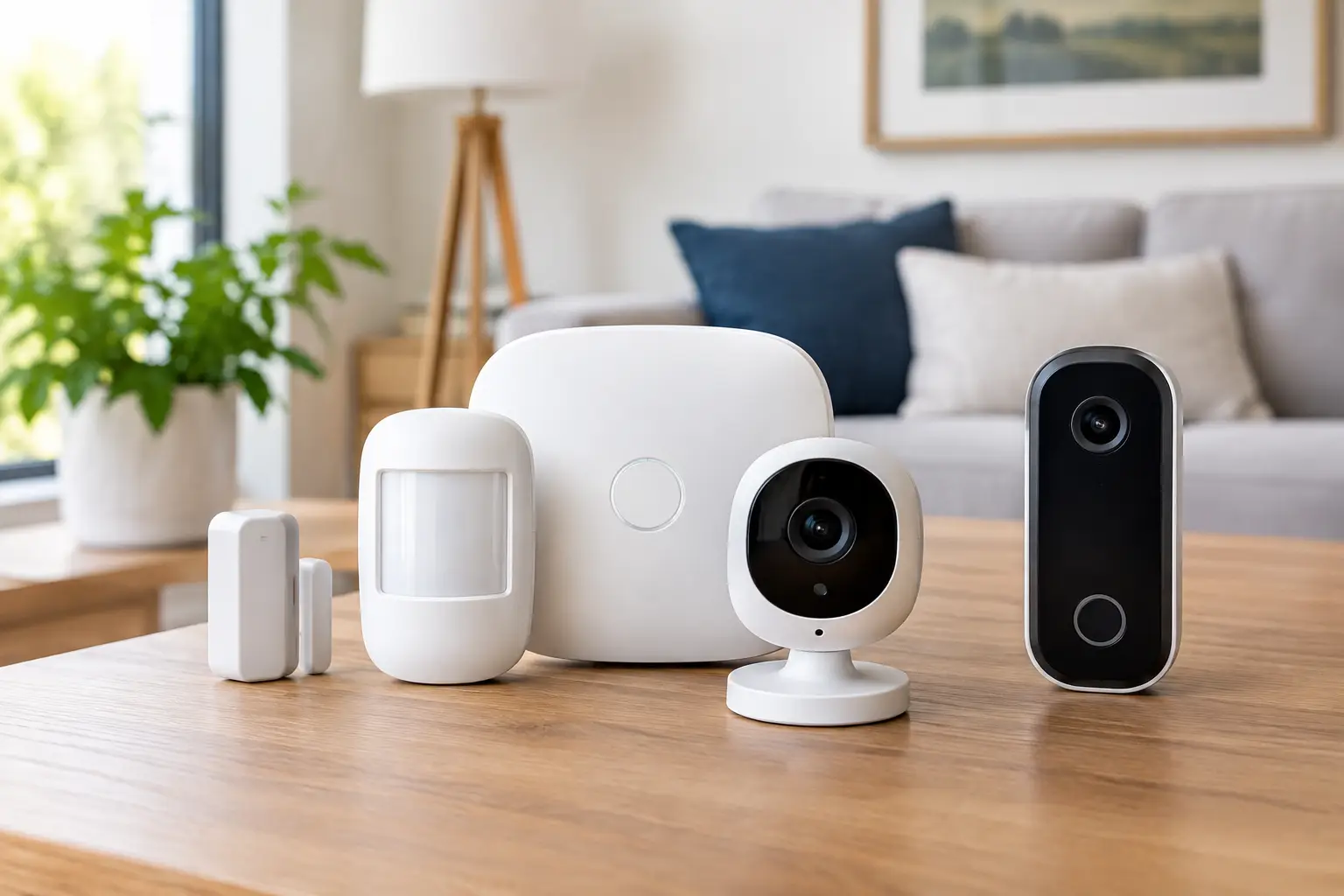
This is also where integrated security makes a difference. Cameras are stronger when they work with smart alerts, deterrence features, mobile control, and professional monitoring. Instead of passively collecting clips, the system becomes part of a larger protection plan.
What good outdoor security camera installation should cover
The first goal is perimeter awareness. You want visibility where someone approaches the property, not just after they are already at the door or inside the gate. That often includes the front walkway, porch, driveway, backyard access, and any side entrance that is less visible from the street.
The second goal is detail. Wide coverage is useful, but it should not come at the cost of recognition. A camera watching a full parking area may need support from another camera that captures faces or license plate zones more clearly. For a home, that could mean combining a doorbell camera with a wider outdoor camera. For a business, it may mean pairing lot coverage with focused views on entrances and registers.
The third goal is consistency. Outdoor cameras have to perform in bright sun, darkness, rain, and seasonal temperature swings. If the image quality drops every night or motion clips trigger constantly because of passing headlights, the system quickly becomes frustrating. Reliable performance depends on the equipment, but also on where and how it is installed.
Common mistakes in outdoor security camera installation
One of the most common mistakes is relying on coverage that looks good on paper but does not match real risk. A homeowner may cover the front door and ignore a dark side gate. A business owner may focus on the sales floor and miss the rear delivery entrance. The issue is rarely the number of cameras alone. It is whether they are aimed at the places where incidents are most likely to start.
Another mistake is poor mounting height. Too high, and faces become harder to identify. Too low, and the camera is easier to tamper with. There is no one perfect height for every property. It depends on the camera type, field of view, and the area being watched.
Lighting creates problems too. Backlighting at sunrise, strong porch lights, reflections from windows, and floodlights aimed directly into a lens can all reduce clarity. Night vision helps, but proper positioning still matters. A smart installer plans for daytime and nighttime conditions, not just how the view looks at noon.
Then there is the issue of overcoverage and undercoverage. Some people assume more cameras automatically means better security. In reality, too many overlapping views can add cost without improving protection, while too few cameras leave blind spots where someone can approach unnoticed. The right answer is a custom layout, not a generic package.
Professional vs. DIY installation
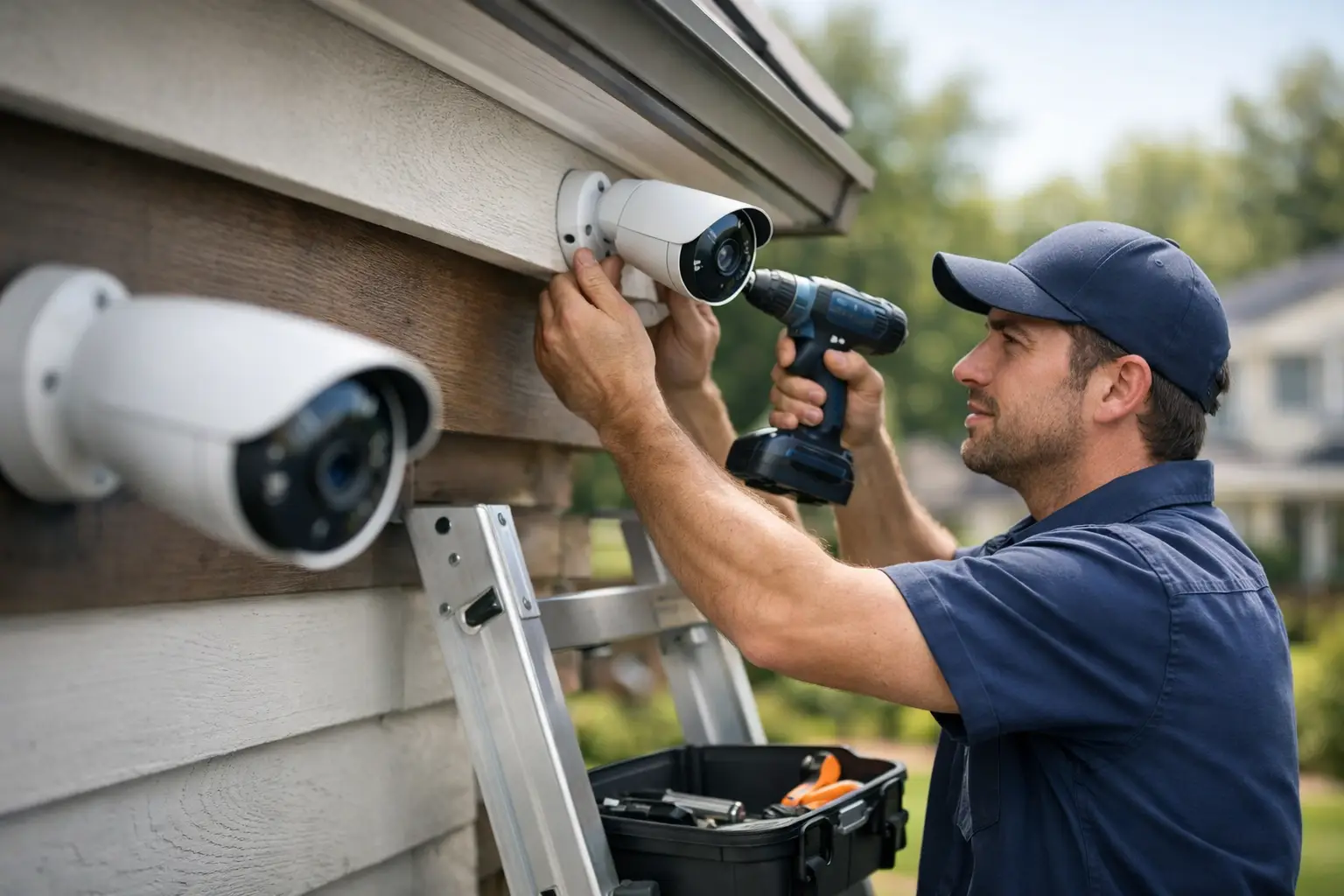
DIY systems appeal to people who want a quick fix, and for a small area they can serve a purpose. But outdoor camera installation becomes more complicated when you want full-property coverage, cleaner wiring, dependable connectivity, optimized angles, and integration with alarms, locks, sensors, and monitoring.
Professional installation reduces the guesswork. Instead of testing camera positions after an incident, the system is planned around the property from the start. Installers can identify better mounting points, account for network strength, reduce false alerts, and make sure every device works together in one app.
That matters even more for business owners. A small retail store, office, warehouse, or service location usually needs more than a few cameras stuck around the building. You need consistent visibility, reliable recording, and a setup that supports employee safety, loss prevention, and after-hours protection. A professionally installed system is simply easier to manage over time.
How integrated security changes the value of cameras
A camera by itself records. An integrated system helps you respond.
That difference is what many property owners are really paying for. When outdoor cameras connect with intrusion detection, smart notifications, deterrence features, and 24/7 monitoring, they move from passive observation to active protection. If a person enters a restricted area after hours, you are not waiting to review footage later. You can receive alerts, check live video, and take action faster.
For families, that can mean checking on a package delivery, confirming a child arrived home, or seeing whether a late-night motion event is a real concern. For small businesses, it can mean verifying a door activity alert, checking on a closing shift, or seeing what happened before police or staff arrive.
AI-enhanced video analytics can also reduce noise. Not every motion event matters. A smarter system can help distinguish between routine activity and behavior worth your attention. That keeps users from ignoring alerts because they have been overwhelmed by too many false triggers.
Choosing the right camera locations for homes and businesses
For most homes, the front door is the starting point, not the whole answer. The driveway, garage, backyard entry, and side access often deserve equal attention. If package theft is a concern, the delivery zone needs a clear, close view. If the property backs up to a trail, alley, or open green space, rear coverage becomes more important.
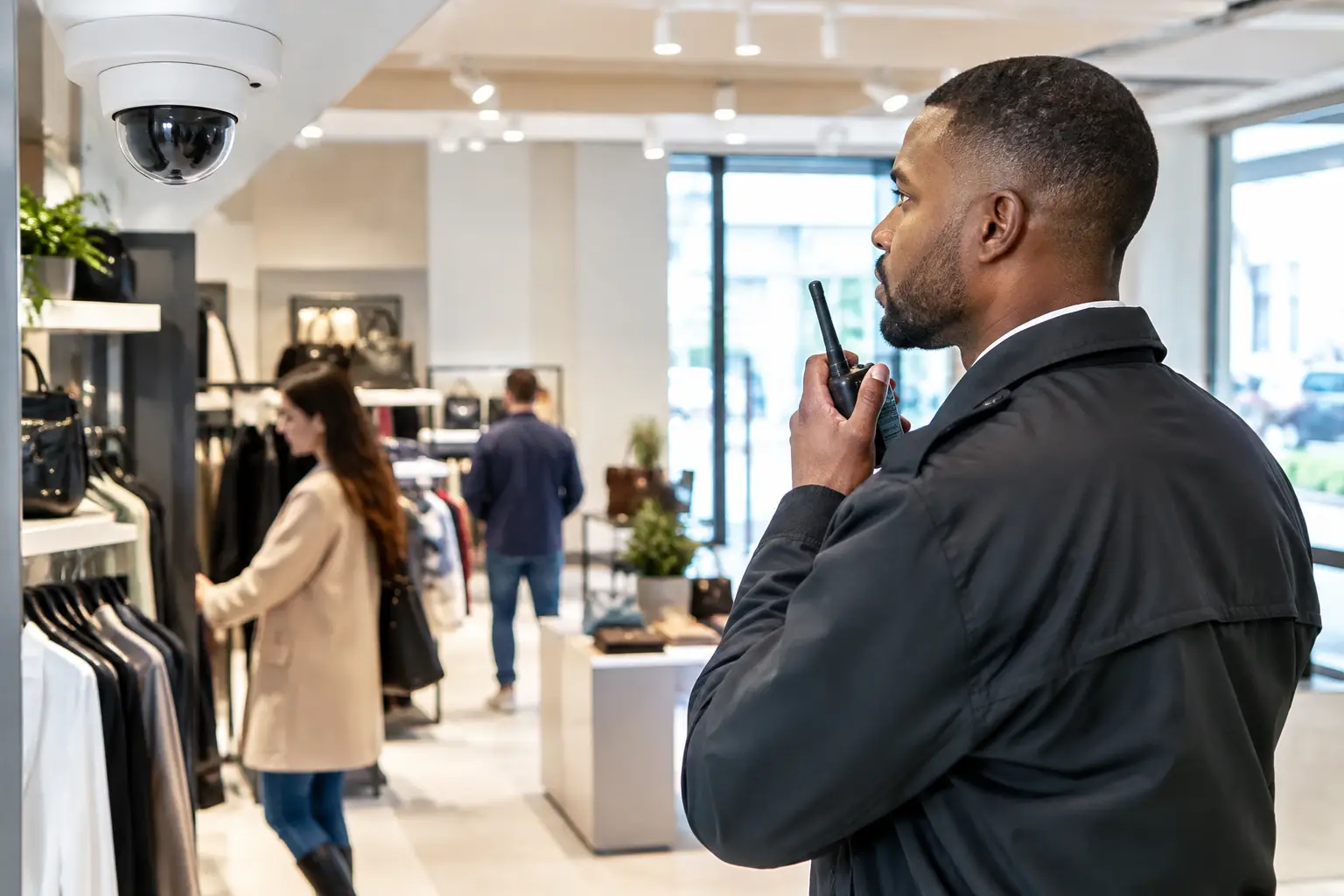
For businesses, priorities usually begin with public entrances, employee entrances, rear service doors, and parking areas. If there is inventory, cash handling, or equipment storage, those zones may need extra attention. If customers arrive after dark, lighting and image quality become even more important.
Every property has trade-offs. A wide-angle camera can cover more area, but finer detail may be better from a second camera in a tighter position. A visible camera can deter activity, while a more discreet angle may help capture behavior naturally. The best installation balances deterrence, evidence quality, and everyday usability.
What to expect from a professionally installed system
A strong outdoor security camera installation starts with a site-specific plan. That includes identifying vulnerable areas, selecting the right device types, planning power and connectivity, and making sure footage is easy to access through a mobile app. The result should feel simple to use, even if the technology behind it is advanced.
You should also expect the system to fit how you live or operate. A homeowner may want camera views tied to smart locks, lights, and alarm events. A business owner may want after-hours alerts, video verification, and a cleaner way to monitor multiple access points. Good security is not just about cameras. It is about how cameras support the full system.
That is why many customers choose a provider like Fluent Home instead of piecing equipment together themselves. Professional installation, customized system design, and monitored protection remove the trial-and-error process and make security easier to trust.
If you are thinking about outdoor security cameras, the smartest next step is not buying the first device you see. It is taking a hard look at the places you cannot afford to miss, then building coverage that works when conditions are less than perfect and the stakes feel very real.