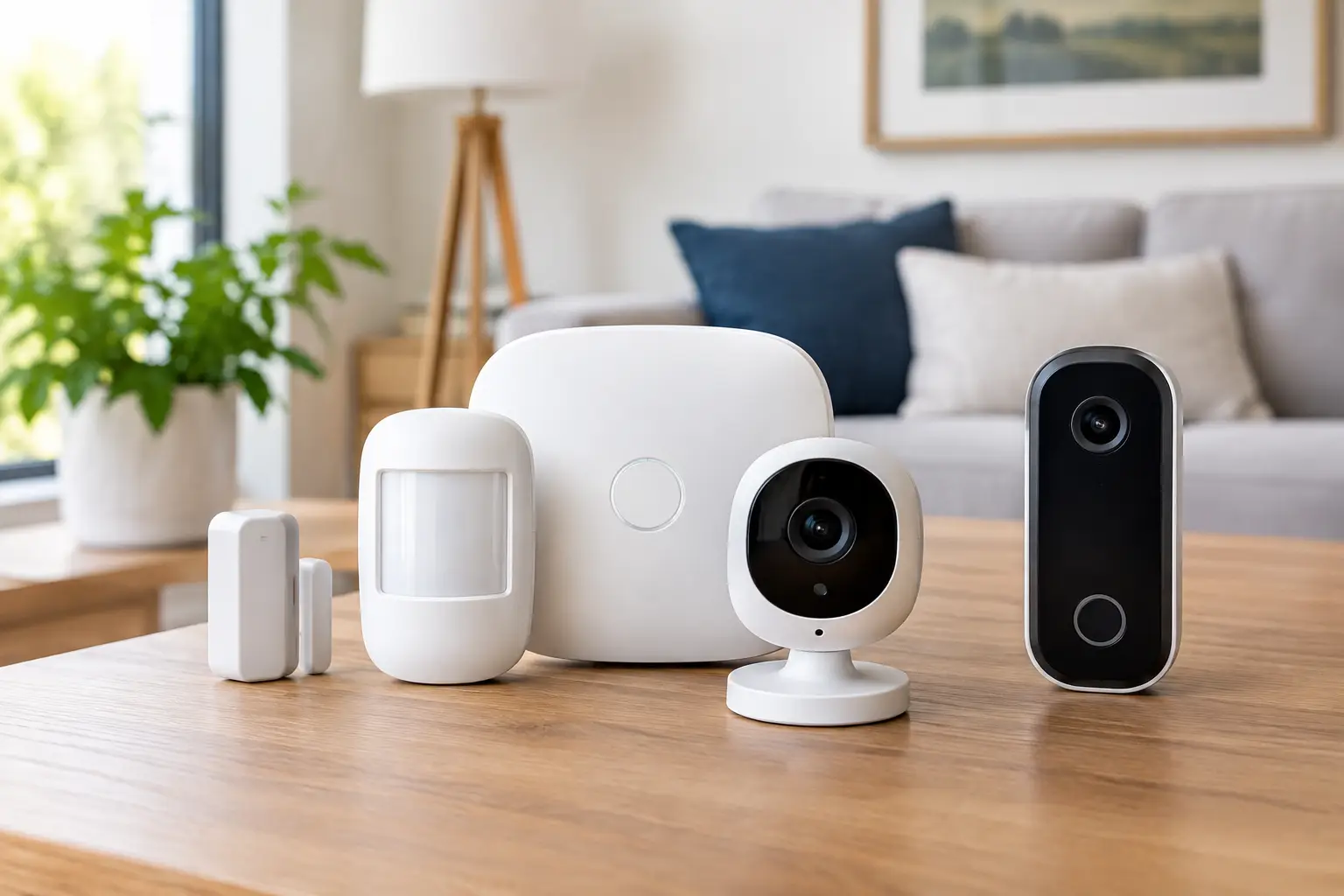

A motion alert at 2:13 a.m. can mean a lot of things. A delivery left too close to the camera. A family member getting home late. Or someone testing a side door. Video verification alarm response helps separate harmless activity from real danger fast, so the right action happens at the right time.
For homeowners and small business owners, that difference matters. A standard alarm can send a signal when a sensor trips, but it does not always explain what actually caused it. With video verification, trained monitoring professionals can review alarm-related video and respond based on what they see. That added context can lead to faster dispatch, fewer false alarms, and more confidence that your system is doing more than just making noise.
How video verification alarm response works
At its core, video verification alarm response connects intrusion detection with cameras and professional monitoring. When a door contact, glass break, motion detector, or another device is triggered, the system can send a linked video clip or live view to the monitoring center. Instead of relying only on the alarm signal, operators can check what is happening in near real time.
If the video shows a real intrusion, attempted break-in, or suspicious activity, the monitoring team can escalate the event appropriately. That may include contacting the property owner, issuing voice deterrence through compatible devices, or requesting emergency response with more confidence. If the video shows a known person, pet movement, or another non-emergency event, the response can be handled differently.
This is where the value becomes practical. Video does not replace sensors. It strengthens them. A door sensor can tell you that an entry point opened. A camera helps show whether it was your teenager coming home from practice or an unauthorized person entering the property.
Why standard alarm signals are not always enough
Traditional alarm monitoring still plays an important role, but signal-only response has limits. Monitoring centers receive a notice that something happened, not always why it happened. That gap can slow decisions or create uncertainty, especially when false alarms are common.
For homeowners, false alarms are frustrating. They interrupt your day, raise stress, and in some municipalities can lead to fines. For business owners, they can disrupt operations, pull staff off task, and make after-hours security harder to manage.
Video verification adds a layer of proof. It gives monitoring professionals the ability to review the event instead of guessing from sensor data alone. That can improve the quality of the response and reduce unnecessary escalations.
There is a trade-off, though. The system has to be designed correctly. Camera placement, lighting, network reliability, and the right mix of sensors all matter. A poorly placed camera will not help much if it misses the entry point or captures unusable footage at night. That is one reason professionally installed systems tend to deliver stronger results than pieced-together setups.
The biggest benefits for homes
For residential properties, video verification alarm response gives families a clearer sense of what is happening when an alert comes in. Instead of seeing only that the back door opened or motion was detected in the living room, the event can be reviewed in context.
That matters when every second feels long. If someone is in the backyard late at night, seeing whether they are approaching the home, lingering near a gate, or trying a window changes how seriously the situation should be treated. The response becomes more informed and less reactive.
It also helps with everyday life. Kids arriving home, dog walkers entering during a scheduled time, and expected service visits can all trigger activity. Video verification helps distinguish normal use from true security concerns. For households that want protection without constant uncertainty, that is a meaningful improvement.
Another advantage is deterrence. In some systems, video analytics and connected devices can trigger lights, warnings, or other automated actions when suspicious activity is detected. That can stop an incident before it becomes a break-in. Prevention is always better than cleanup.
The biggest benefits for small businesses
Small businesses often need stronger visibility after hours, especially when owners are not on-site. A retail shop, office, warehouse, salon, or restaurant may be empty overnight, which makes alarm context even more valuable.
Video verification alarm response helps business owners know whether an alert is tied to an employee entering early, a cleaning crew arriving on schedule, or an actual intruder forcing access. That kind of clarity protects inventory, equipment, cash-handling areas, and sensitive spaces.
It can also support faster decision-making when multiple locations are involved. If you manage more than one storefront or office, you do not want to drive across town for every alert that turns out to be nothing. Verified video lets you assess the situation before taking action.
For some businesses, verification is also useful in areas beyond break-ins. Interior cameras can help confirm whether restricted spaces are accessed at unusual times. Exterior cameras can show loitering, attempted theft, or suspicious vehicle activity. The exact setup depends on the property, but the goal is the same – move from blind alerts to informed response.
What makes a system effective
Not every camera-based security setup delivers the same level of protection. The strongest results usually come from combining several pieces into one coordinated system.
First, intrusion sensors need to be placed where threats are most likely to happen. Doors, first-floor windows, glass entry points, and key interior pathways are common starting points. Cameras then need to cover those same areas with usable angles and clear nighttime performance.
Second, the monitoring service has to be active and well integrated. Video verification only works when the alarm event, footage, and response process are connected. A camera that records passively is helpful after the fact, but it is not the same as active verification during the event.
Third, mobile control matters. Property owners want to check alerts, arm or disarm the system, review clips, and manage devices from one app. Convenience supports consistent use, and consistent use supports better protection.
Finally, installation matters more than many people expect. A professionally designed system can account for entry patterns, landscaping, blind spots, pet movement, Wi-Fi coverage, and building layout. Those details affect whether the system catches the right activity and avoids the wrong activity.
Video verification alarm response and false alarms
One of the most practical reasons people choose video verification alarm response is to reduce false alarm headaches. False alarms cannot be eliminated completely, but they can be managed more effectively when monitoring agents can see what triggered the event.
If a sensor trips because of user error, environmental conditions, or another non-threat event, video may help confirm that there is no emergency. That can prevent unnecessary dispatches and improve confidence in the system overall.
It also helps households and businesses use their security systems more consistently. People are more likely to fully arm a system when they trust that alerts will be handled intelligently. If every notification feels disruptive or unreliable, users start bypassing features. That weakens protection over time.
Is video verification right for every property?
Usually, yes, but the exact setup should match the space and the risk level. A small single-family home may need a different camera layout than a corner-lot property with multiple access points. A small office with one front entrance has different needs than a retail store with a stockroom, rear delivery door, and employee-only areas.
Privacy expectations also matter. Most people are comfortable with exterior cameras and entry-focused indoor coverage, but they may not want cameras in certain interior living areas or employee spaces. A good system design balances visibility, usability, and comfort.
Budget is another factor, but it helps to think in terms of outcome rather than equipment count. The goal is not to add as many devices as possible. The goal is to cover the places where verification improves response the most. Often, a well-planned system outperforms a larger but poorly designed one.
Why professional monitoring changes the equation
Cameras alone do not create response. They create footage. What turns footage into action is professional monitoring backed by a system built for verification.
When alarms, analytics, cameras, and monitoring work together, the result is more proactive protection. Instead of waiting to discover what happened after an event, you have a better chance of confirming the threat while it is happening. That can support faster intervention and stronger peace of mind.
For families, that means less uncertainty when the house is armed and everyone is asleep or away. For business owners, it means less guesswork when alerts come in after hours. And for both, it means your security system is not just reacting to noise. It is helping identify what is real.
A modern security system should do more than notify you that something changed. It should help confirm what happened, support the right response, and make protection feel manageable every day. That is why video verification alarm response has become such a smart next step for people who want security that works with more certainty.