A security system sounds simple until you have to choose how it connects. That is where most buyers pause. When comparing a wired vs wireless security system, the right answer depends less on trends and more on your property, your risk level, and how much support you want after installation.
For some homes and small businesses, a wired setup offers long-term stability and a clean, permanent installation. For others, wireless equipment makes more sense because it is faster to install, easier to expand, and better suited for changing needs. The better option is the one that protects the property consistently without creating extra friction for the people using it every day.
Wired vs wireless security system: the core difference
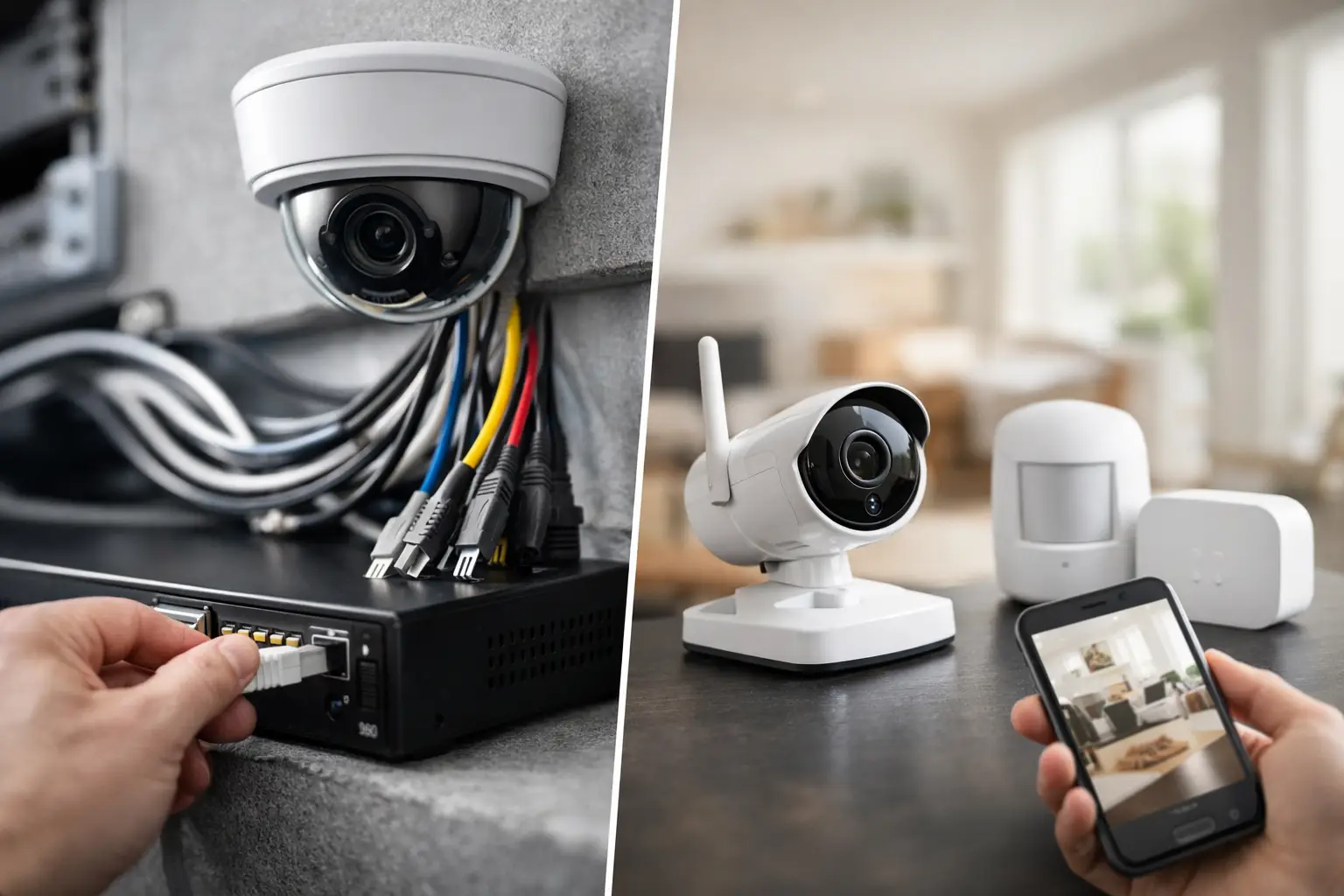
The main difference is how devices communicate with the control panel or recorder. In a wired system, sensors, cameras, and other components are connected through physical cabling. In a wireless system, devices communicate through radio signals, Wi-Fi, or cellular pathways, though they still need power in some form.
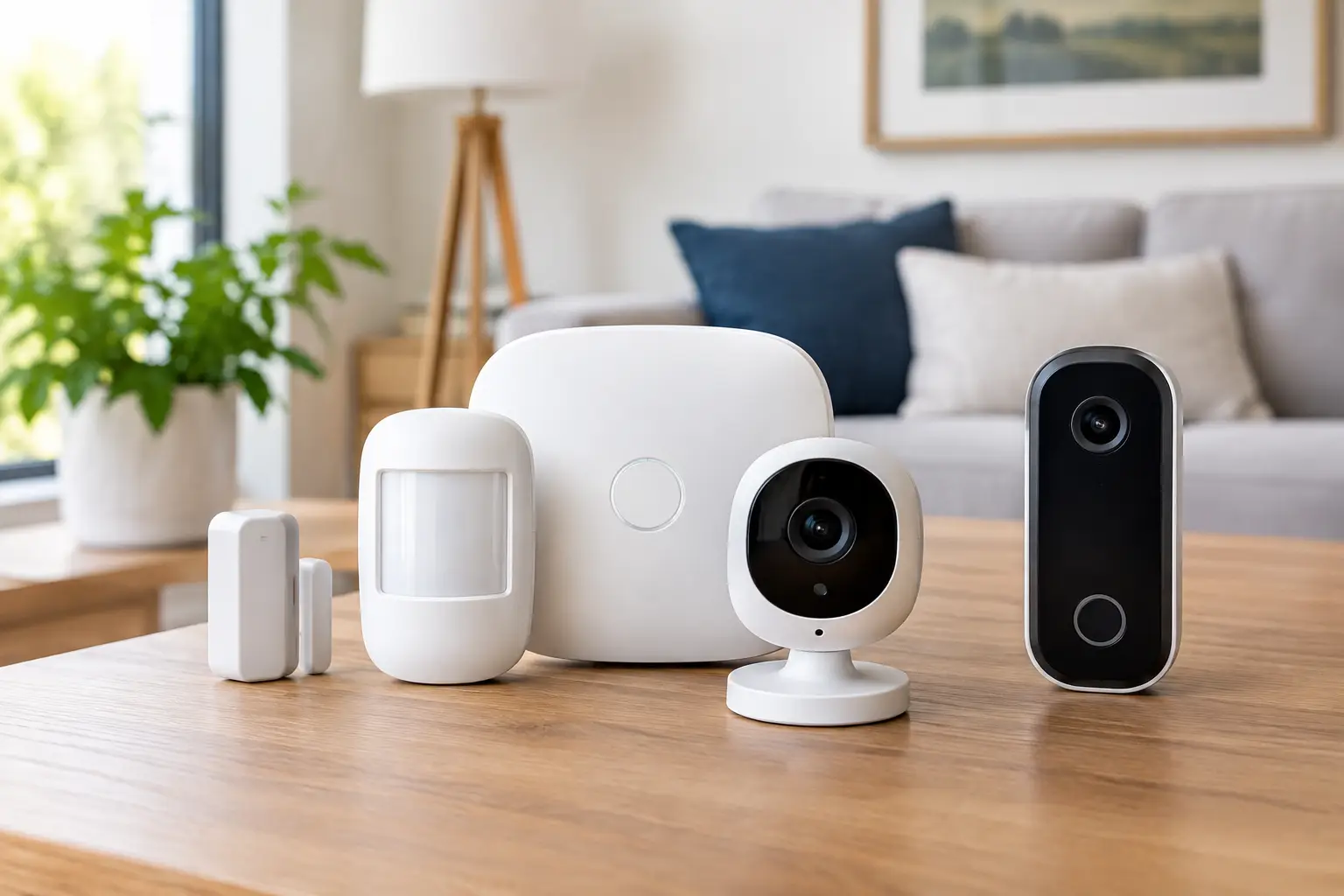
That distinction affects almost everything else, including installation time, reliability, appearance, maintenance, and upgrade flexibility. It also shapes how easily the system can grow to include smart locks, video doorbells, thermostats, flood detection, smoke monitoring, and mobile control.
If your goal is basic alarm coverage in a property you rarely change, wired may be a strong fit. If your goal is a connected security system that can adapt with your routine, wireless often has the edge.
Where wired systems stand out
A wired security system is usually strongest when the property is being built, renovated, or already outfitted for low-voltage wiring. In those cases, technicians can run cable behind walls and place equipment exactly where it should go without relying on battery-powered devices in every location.
That can create a very stable setup. Hardwired door and window sensors are not dependent on battery replacement schedules, and wired cameras can deliver consistent performance without the same concerns about wireless signal reach. For larger properties and some commercial spaces, that kind of permanence matters.
Wired systems also appeal to owners who want a clean, integrated look. Once installed properly, much of the infrastructure stays out of sight. The result can feel more built-in than added-on.
There are trade-offs, though. Installation is more involved, especially in finished homes or businesses with limited access behind walls. That can mean more labor, more planning, and less flexibility if you want to move devices later. If you decide six months from now that a camera needs to cover a different entrance, making that change may be more complex than it sounds.
Why wireless systems are now the go-to choice for many properties
Wireless systems have improved quickly, and that has changed the conversation. They are no longer a compromise for many homeowners and small business owners. In fact, for professionally installed smart security, wireless is often the more practical and scalable choice.
Installation is the most obvious advantage. Devices can usually be placed faster, with less disruption to the property. That matters if you are protecting a finished home, opening a new retail location, or adding security to a space without wanting major construction work.
Wireless systems are also easier to customize over time. If you start with intrusion detection and later want video doorbell coverage, smart locks, flood sensors, indoor cameras, or garage control, those additions are typically more straightforward. That flexibility is valuable because security needs rarely stay static. Families grow, routines change, businesses expand, and new risks show up.
For many users, the real benefit is convenience. A modern wireless system can bring security, automation, and video into one mobile app so you can arm the system, check cameras, lock doors, and respond to alerts from anywhere. That level of everyday control is a major reason many buyers lean wireless.
Reliability is not just about wires
A lot of people assume wired always means more reliable and wireless always means more vulnerable. That is too simple.
A professionally installed wired system can be very dependable, especially when infrastructure is well planned. But a professionally installed wireless system can also be highly reliable when it uses quality equipment, strong signal design, backup power, and cellular communication for alarm transmission.
What really affects reliability is the total system design. Device placement, panel location, signal strength, power backup, camera coverage, and monitoring all matter. A poorly planned wired system can underperform. A well-designed wireless system can provide excellent protection with fewer installation limitations.
This is one reason professional installation matters. Security should not be a pile of devices. It should be a coordinated system designed around the property layout, entry points, daily habits, and the level of response you want if something goes wrong.
Cost depends on more than the equipment
If you are comparing a wired vs wireless security system based on cost alone, be careful not to focus only on the sticker price.
Wired systems may involve higher installation costs because of labor and cabling, especially in existing buildings. Wireless systems may reduce upfront labor, but total pricing still depends on how many devices you add, what kind of cameras you want, whether you include smart home features, and whether the system is professionally monitored.
Long-term value matters more than the cheapest starting point. A lower-cost system that leaves blind spots, creates false alarms, or is difficult to manage can end up costing more in frustration and risk. The better investment is a system that works reliably, fits the property, and makes it easy to respond when alerts happen.
For many homeowners and small businesses, financing options and modular upgrades also make the decision easier. You can start with the right foundation and expand coverage as your needs change rather than trying to predict every future scenario on day one.
Which option is better for homes?
For most existing homes, wireless has practical advantages. It installs faster, supports mobile control naturally, and makes it easier to add cameras, smart locks, environmental sensors, and automation tools without opening walls. That is especially useful for families who want one system for burglary protection, package monitoring, smoke alerts, flood detection, and remote access.
Wireless also fits the way many homeowners actually use security today. They do not just want an alarm that sounds when a door opens. They want to see who is at the front door, know when kids get home, check indoor cameras while traveling, lock up remotely, and receive alerts they can act on immediately.
That said, wired can be a strong choice in a new custom build or major remodel. If you are already planning infrastructure and want a more permanent base system, hardwired components may make sense in key areas.
Which option is better for small businesses?
Small businesses often need a mix of intrusion detection, video surveillance, remote access, and user management. In many cases, a hybrid approach works best, but if you are choosing between the two, the right answer depends on the space and how the business operates.
Wireless is often attractive for offices, small storefronts, and leased spaces because it is easier to install and adapt. If the layout changes, if hours vary, or if you need to add cameras or access control later, a wireless-first system usually gives you more flexibility.
Wired can be a better fit for larger locations, properties with more fixed infrastructure, or businesses that want permanent camera placements with more extensive cabling already available. It may also appeal to owners who are planning around a long-term occupancy and want a built-in security footprint from the start.
The bigger point is that business security should support operations, not interrupt them. Owners need visibility, controlled access, reliable alerts, and professional monitoring that helps verify events quickly.
The best answer for many properties: professionally designed security
The wired vs wireless debate matters, but it should not overshadow the bigger decision. What protects a property best is not simply the transmission method. It is whether the system is designed well, installed correctly, monitored consistently, and easy to use every day.
That is why many buyers choose a professional partner instead of trying to sort through the options alone. A consultation-led approach helps match the system to the building, the risk points, and the people using it. In many cases, that leads to a wireless or hybrid setup that delivers strong protection without unnecessary complexity.
Fluent Home works with homeowners and small business owners who want more than a basic alarm. They want connected protection that includes intrusion detection, cameras, smart access, environmental safety devices, and 24/7 monitoring in one manageable system.
If you are still deciding, start with the property itself. Think about how long you plan to stay, how much flexibility you want, which risks matter most, and whether you want support from installation through monitoring. The right system should feel dependable the day it goes in and still make sense years later.