When an alarm goes off at 2 a.m., the real question is not whether you saved money on installation. It is whether the system works exactly as expected, whether someone is responding, and whether you trust every device in the chain. That is the heart of the self installed vs professionally installed alarms decision.
For some homes and small businesses, a DIY setup can cover the basics. For others, especially properties with multiple entry points, cameras, smart locks, fire protection, or a need for 24/7 monitoring, professional installation can make the difference between having devices and having a security system. The best choice depends on your property, your schedule, your comfort with setup, and how much risk you are willing to manage yourself.
Self installed vs professionally installed alarms: what really changes?
On the surface, both options may seem to offer the same thing. You get sensors, a control hub, maybe a few cameras, and a mobile app. But the difference is not just who mounts the equipment. It is how the system is designed, where devices are placed, how well everything is integrated, and what happens when there is a real event.
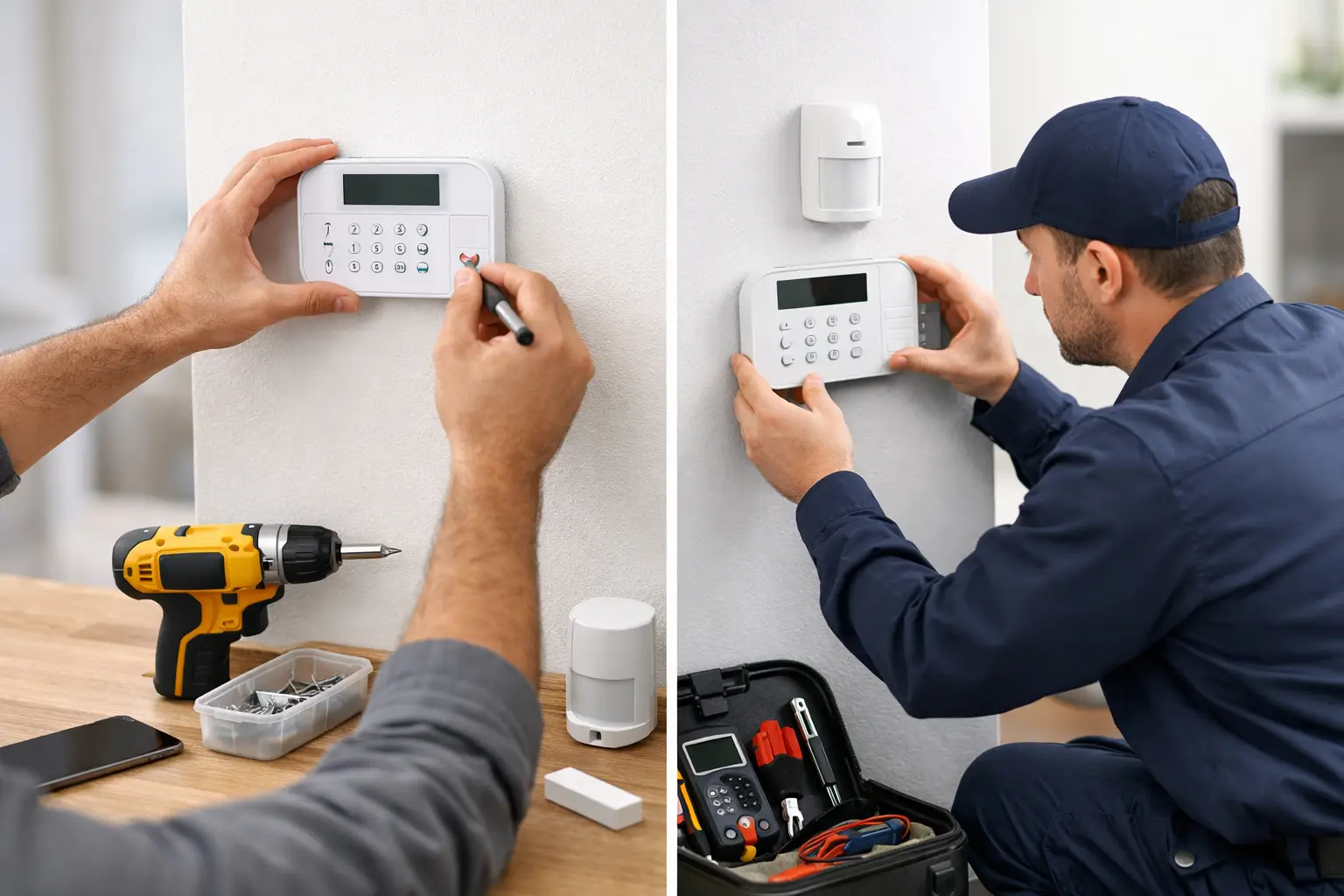
A self-installed system usually puts the homeowner or business owner in charge of planning, setup, testing, and troubleshooting. That can work well for a small apartment, a single entry door, or someone who enjoys technology and does not mind managing it.
A professionally installed system is built around coverage and response. An expert evaluates the property, recommends the right devices, installs and tests them, and makes sure everything communicates properly. If the system also includes professional monitoring, there is another layer of protection that does not rely on you noticing an app alert in time.
Cost matters, but it is not the whole story
DIY alarms usually win the first-price comparison. You buy equipment upfront, install it yourself, and may choose a lower monthly fee or no monitoring at all. If your main goal is spending as little as possible to get basic alerts on your phone, that can be appealing.
But the lower entry cost can hide a few trade-offs. You may need to buy extra sensors after realizing your original setup missed windows, side doors, or detached spaces. You may spend time repositioning cameras, adjusting motion sensitivity, and troubleshooting weak signals. If something does not work correctly, you are the installer and the support team.
Professional installation typically comes with a higher overall investment, especially if you are adding video surveillance, smart locks, environmental protection, and monitoring. In return, you are paying for a system that is designed to fit your space, installed correctly the first time, and supported over time. For many homeowners and business owners, that is a better value than chasing the lowest price.
Installation quality affects daily performance
Alarm systems are easy to judge when everything is quiet. The real test is how they perform during everyday use and under stress.
With self-installation, device placement often comes down to convenience. A camera goes where there is easy access. A motion sensor goes where it looks good. A door contact gets skipped because the frame is tricky. Those small choices can create blind spots or nuisance alerts.
Professional installers think differently. They look at likely entry points, traffic patterns, blind areas, line of sight, lighting conditions, Wi-Fi coverage, and how people actually use the property. That matters for homes, and it matters even more for small businesses where back doors, stock rooms, offices, and customer entrances all carry different risks.
Good installation also improves the user experience. Sensors respond more consistently. Cameras capture useful angles. Smart locks, garage controls, lighting, and thermostats work together in one system instead of feeling like separate gadgets.
Monitoring is where the gap gets wider
One of the biggest differences in self installed vs professionally installed alarms is what happens after an alarm is triggered.
A self-installed system often sends a push notification, text, or automated call. That may be enough if you are always available, always have your phone nearby, and can quickly tell the difference between a false alarm and a real threat. But if you are asleep, traveling, in a meeting, or simply miss the alert, the response may stop there.
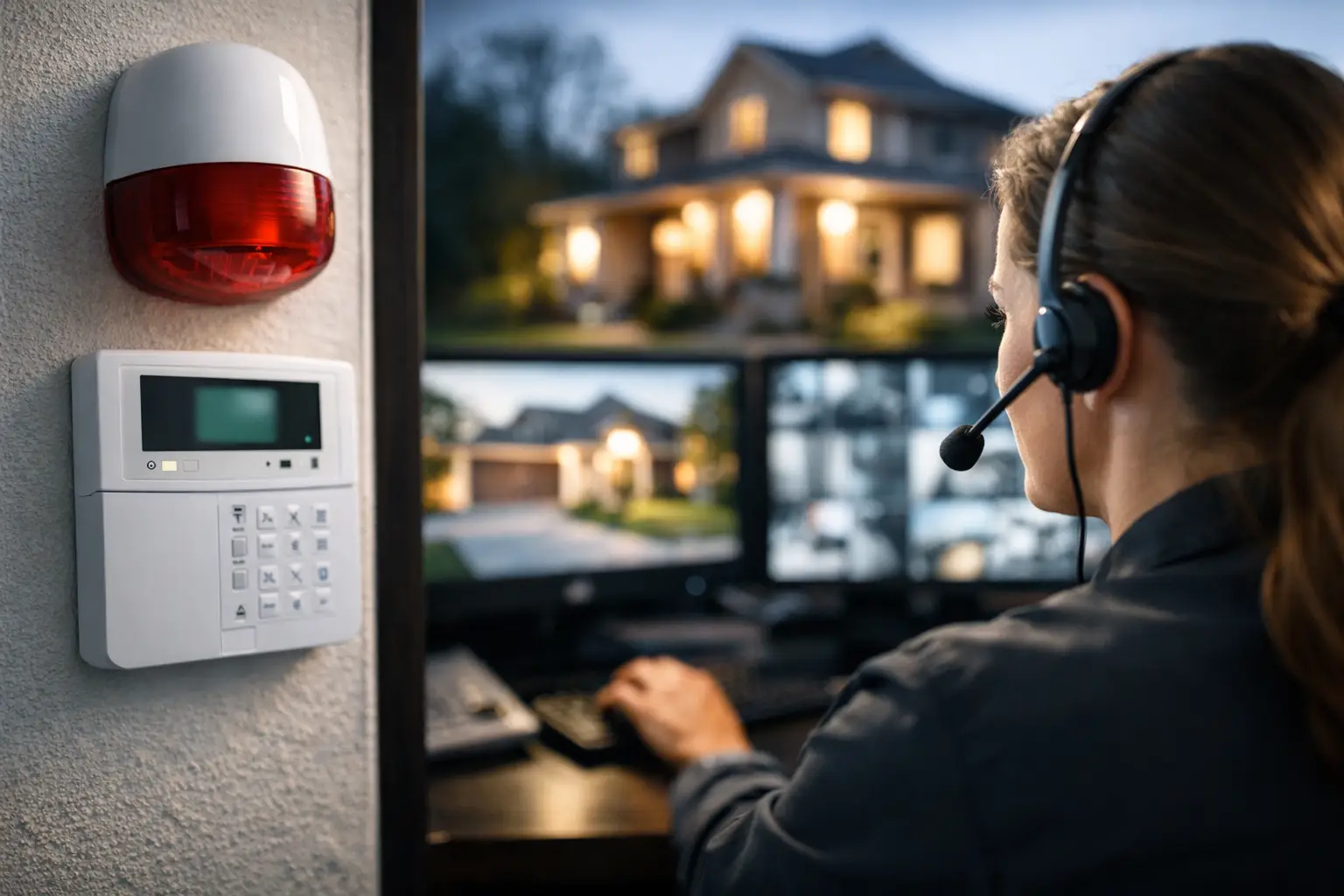
Professionally installed systems are often paired with 24/7 monitoring, which changes the equation. A trained monitoring team can review the signal, contact you, and dispatch help when needed. Some systems go further with video verification and AI-enhanced deterrence features that help confirm threats faster and support a more proactive response.
That is especially valuable for families, frequent travelers, second-home owners, and business operators who cannot personally monitor every alert. Security should not depend on whether you happen to check your phone at the right moment.
DIY can be enough for simple needs
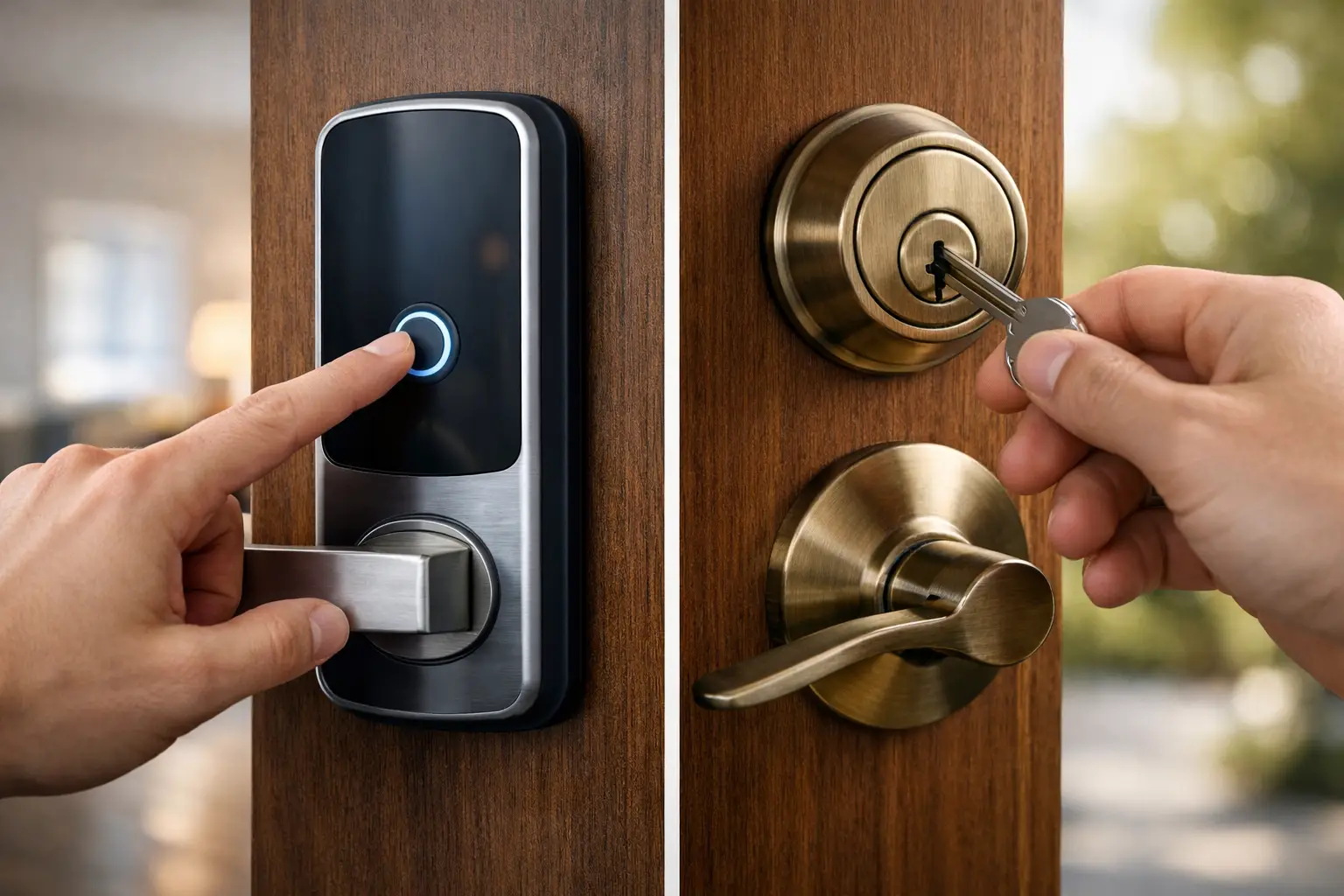
There are cases where self-installation is a reasonable fit. If you live in a small space, want a basic entry sensor and camera setup, and feel comfortable managing updates, batteries, device pairing, and app settings, DIY may meet your needs.
It can also work for people who want temporary coverage in a rental or who prefer total control over every component. If you enjoy researching equipment and adjusting settings yourself, the process may feel straightforward.
The issue is not that DIY alarms are inherently bad. It is that they are often better for simpler situations than people realize. Once you add multiple doors, first-floor windows, outdoor cameras, environmental sensors, smart home controls, and monitoring expectations, the margin for error grows.
Professionally installed alarms make more sense for layered protection
If you want your alarm system to do more than sound a siren, professional installation usually becomes the stronger option.
That is because modern security is no longer just about intrusion. It also includes package theft prevention, indoor and outdoor video, smoke and carbon monoxide detection, flood alerts, water shutoff controls, access management, and automation that makes the property easier to manage every day. The more connected the system becomes, the more important expert design and setup become.
A professionally installed solution can also be customized around your habits. Maybe you want the front door to lock automatically at night, exterior cameras to record when motion is detected, and lights to turn on when the system is disarmed. Maybe your business needs access control at one entrance and video coverage at another. Those details are where professional guidance pays off.
Reliability and support matter after the sale
Many alarm buyers focus on setup day and forget about month six, month twelve, or the first time something stops working. Batteries need replacing. Wi-Fi conditions change. Devices may need service, upgrades, or expansion.
With self-installed alarms, ongoing maintenance often falls back on you. That may be manageable for one or two devices, but it becomes more frustrating as the system grows.
With a professionally installed provider, you typically get a service relationship, not just a box of parts. That means help with system changes, troubleshooting, and upgrades as your needs evolve. If your family grows, you move, renovate, or open a second business location, your protection can evolve with you.
For customers who want security without becoming part-time technicians, that support is a meaningful advantage.
How to choose between self installed vs professionally installed alarms
The right answer usually comes down to complexity, risk tolerance, and how hands-on you want to be.
If your property is small, your needs are basic, and you are comfortable handling setup and ongoing maintenance, self-installation can be a practical option. If you want broader coverage, expert placement, integrated smart devices, and around-the-clock response, professional installation is the stronger fit.
For many homeowners and small business owners, the tipping point is peace of mind. They do not want to wonder whether a sensor was placed correctly or whether a missed phone notification could become a bigger problem. They want protection that is set up right, monitored continuously, and easy to control from one app.
That is why professionally installed systems continue to appeal to people who want more than convenience. They want confidence. A provider like Fluent Home is built around that expectation, combining expert installation, smart security technology, and continuous monitoring into a solution that is easier to live with and easier to trust.
If you are choosing between doing it yourself and having it done right for your property, think past the box on the shelf. The best alarm system is the one that protects your home or business when you are busy, asleep, away, or dealing with something else entirely.