A break-in alarm can make a loud sound. A monitored alarm system can set a real response in motion. That distinction is the central answer to why choose monitored alarm systems: when an emergency happens, you do not have to be the only person responsible for noticing an alert, deciding what it means, and finding help.
For homeowners, that can mean support when you are asleep, traveling, at work, or simply unable to reach your phone. For small business owners, it means your property is not left unprotected after closing time. Professional monitoring adds people, processes, and round-the-clock attention to the devices protecting your doors, windows, cameras, and safety sensors.
Why choose monitored alarm systems instead of alerts alone?
A self-monitored system can send notifications to your phone when a sensor is triggered. That can be useful, but it leaves the next step with you. If you miss the notification during a meeting, while driving, or overnight, there may be no immediate action.
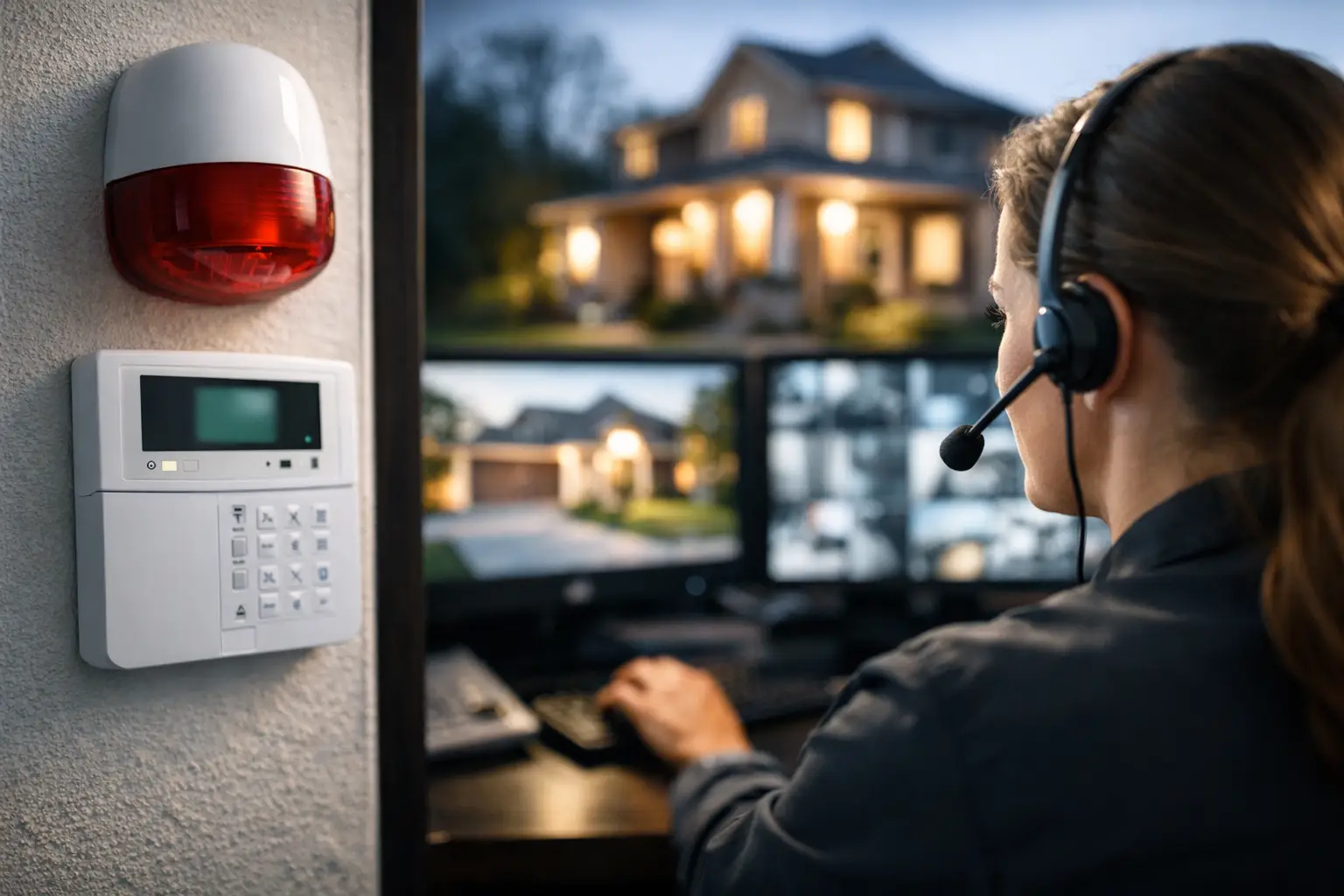
With professional 24/7 monitoring, trained specialists receive alarm signals and follow an established response process. Depending on the event and your service plan, they can contact you, notify your emergency contacts, or request help from the appropriate local authorities. The result is a stronger safety net when time matters most.
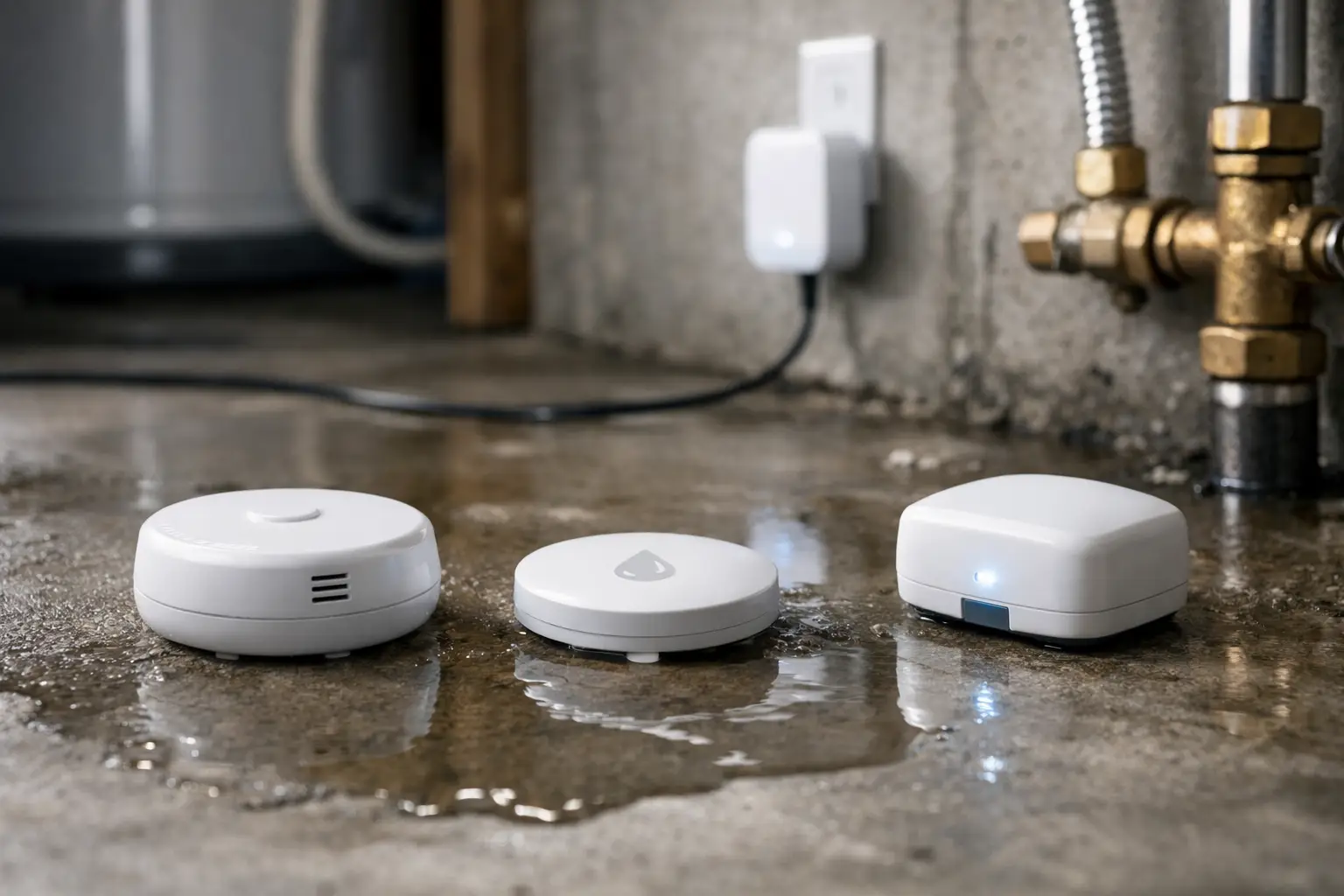
This is especially valuable for alarms that require immediate attention, including burglary, fire, carbon monoxide, and water-related events. A smoke detector is essential, but a monitored smoke alarm can help ensure the event is not overlooked when no one is home. The same principle applies to carbon monoxide, which cannot be seen or smelled, and to water leaks that can cause extensive damage over a few unattended hours.
An alarm is only one part of the response
A siren may deter an intruder and alert nearby neighbors. But a loud alarm does not confirm whether someone is inside, whether a door was forced open, or whether the event needs an urgent police response. Monitoring helps bridge the gap between detection and action.
Modern systems can also pair professional monitoring with video verification. When an alarm event is supported by video, monitoring professionals may have more context about what is happening on the property. Verified events can help reduce uncertainty and provide more useful information during a response.
Better protection when you cannot watch your phone
Most people do not ignore an alert on purpose. Life gets in the way. Your phone may be on silent. You may be on a flight, in the shower, helping a customer, or asleep on the other side of the house. A monitored system does not depend on you being available every second of the day.
That is a meaningful advantage for families with busy schedules, second-home owners, landlords, and people who travel frequently. It also matters for business owners who cannot personally review every notification after hours. Monitoring gives your system an active layer of protection even when you are focused somewhere else.
A professionally installed system also helps reduce the uncertainty that can come with piecing together separate DIY devices. Your sensors, control panel, cameras, locks, environmental devices, and mobile controls can be designed to work together from the start. You get one connected system rather than a collection of alerts competing for your attention.
Professional installation makes the system more dependable
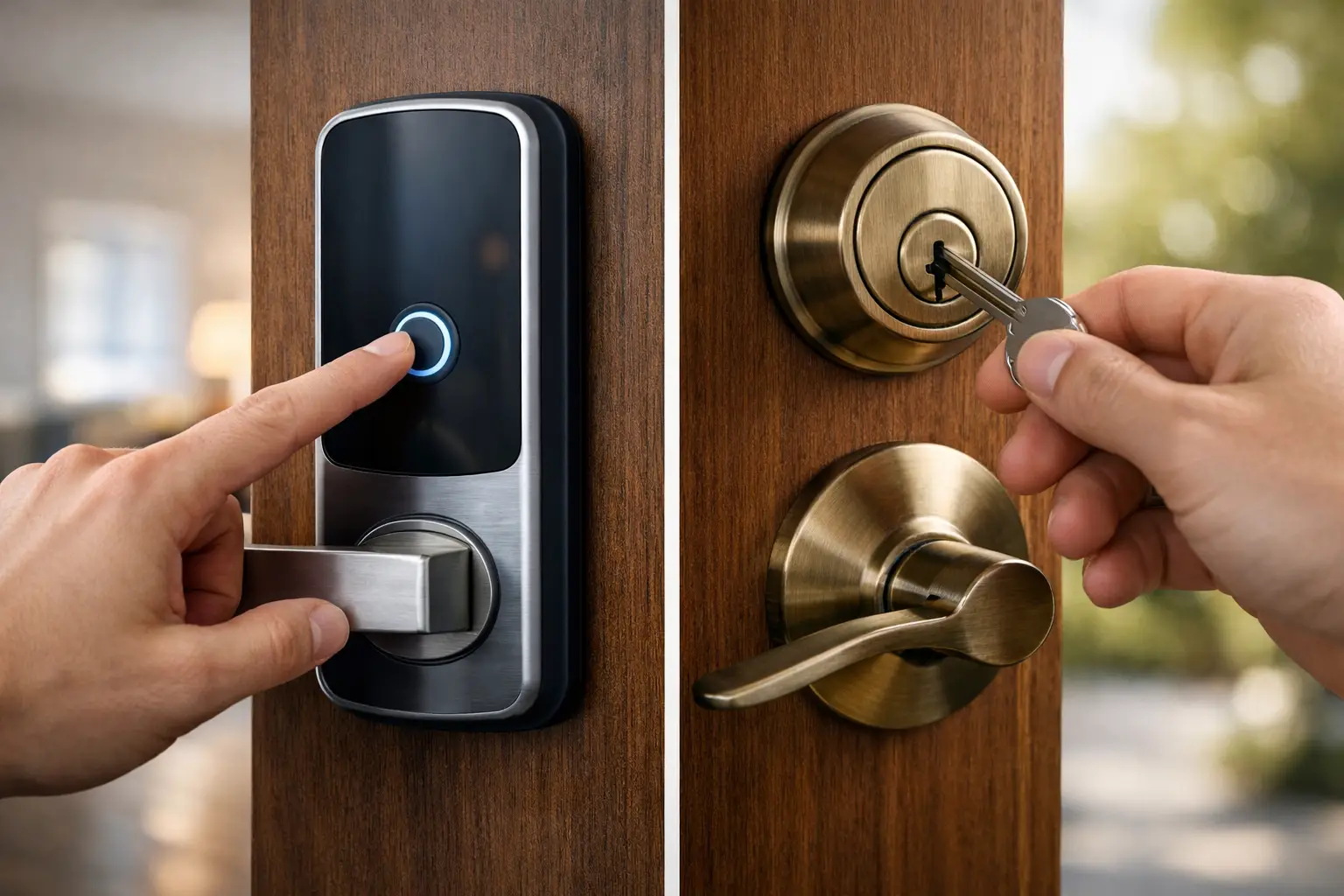
The quality of a security system depends on more than the equipment. Sensor placement, camera angles, entry-point coverage, network setup, and user training all affect how well the system performs.
Professional installation begins with the property itself. An expert can identify vulnerable doors, accessible windows, detached garages, side gates, storage areas, and blind spots around the exterior. For a business, the plan can also account for employee entrances, stockrooms, customer areas, restricted spaces, and access schedules.
That does not mean every property needs the same package. A smaller home may need focused intrusion coverage, a video doorbell, and monitored smoke and carbon monoxide detection. A larger property may benefit from outdoor cameras, floodlight cameras, smart locks, garage controls, water sensors, and automatic water shutoff. Small businesses may need cameras, intrusion protection, access control, and activity visibility across multiple areas.
The goal is not to add devices for the sake of it. It is to create coverage that fits the risks you actually face.
Monitored security can help prevent loss, not just report it
The best security event is the one that never escalates. Visible cameras, yard signs, doorbell cameras, exterior lighting, and audible alarms can make a property less appealing to an opportunistic intruder. AI-enhanced video analytics can add another layer by helping distinguish meaningful activity from routine motion.
For example, a camera near a driveway can help alert you to a person approaching the home, while a smart doorbell gives you a view of package deliveries and visitors. A floodlight camera can illuminate activity in a dark side yard. When these devices are connected to a monitored security system, they support both daily awareness and a more prepared response during an alarm event.
For businesses, proactive protection can be just as practical. Cameras can help owners check on opening and closing activity, while access control can limit entry to authorized employees. Instead of relying on a physical key that can be copied or misplaced, smart access can provide greater visibility over who enters and when.
Smart control adds convenience to real security
Choosing monitoring does not mean giving up control. A quality smart security system gives you direct access through a mobile app, so you can arm or disarm the system, review camera footage, receive notifications, manage smart locks, and adjust connected devices from wherever you are.
That convenience has real security value. You can check whether the garage door was left open, lock the front door after a child leaves for school, or see when a delivery arrives. You can also use smart thermostats, lighting, and automation to make your property more comfortable and easier to manage.
The difference is that your personal control works alongside professional support. You can act on everyday events yourself, while monitoring provides a backup for emergencies that demand immediate attention.
What to consider before choosing a monitored system
Monitoring is not the right choice for every situation. If you live in a very low-risk area, are always available to respond to alerts, and only need a single camera, a self-monitored device may be enough. Professional monitoring also comes with a recurring service cost, and it is worth reviewing the agreement, response procedures, equipment options, and any applicable local permit requirements before deciding.
Still, the right comparison is not simply monitored versus unmonitored. Consider what happens if an alarm goes off while you cannot respond. Consider whether your property needs protection from more than burglary, including fire, carbon monoxide, leaks, package theft, and unauthorized access. Then consider how much time and technical effort you want to spend installing, managing, and expanding the system yourself.
A consultation-led approach can make those choices clearer. It allows a security professional to recommend the right combination of intrusion detection, cameras, environmental sensors, smart automation, and monitoring based on your home or business rather than a one-size-fits-all kit.
Choose protection that stays alert when you cannot
Monitored alarm systems are built for the moments when a notification alone is not enough. They combine smart devices, professional installation, and 24/7 response support into protection that can keep working while you sleep, travel, work, and live your life.
Fluent Home can help you build a customized security plan around the people, property, and everyday concerns that matter most. A free custom quote is a practical first step toward security that does more than sound an alarm.