A camera that records everything is helpful. A camera that understands what it is seeing is far more useful when something actually happens.
That is the real difference with video analytics for home security. Instead of sending alert after alert for every passing car, blowing branch, or shifting shadow, analytics helps your system recognize meaningful activity and respond with more precision. For homeowners, that means fewer distractions and faster awareness. For families, it means stronger protection without adding more daily hassle.
What video analytics for home security actually means
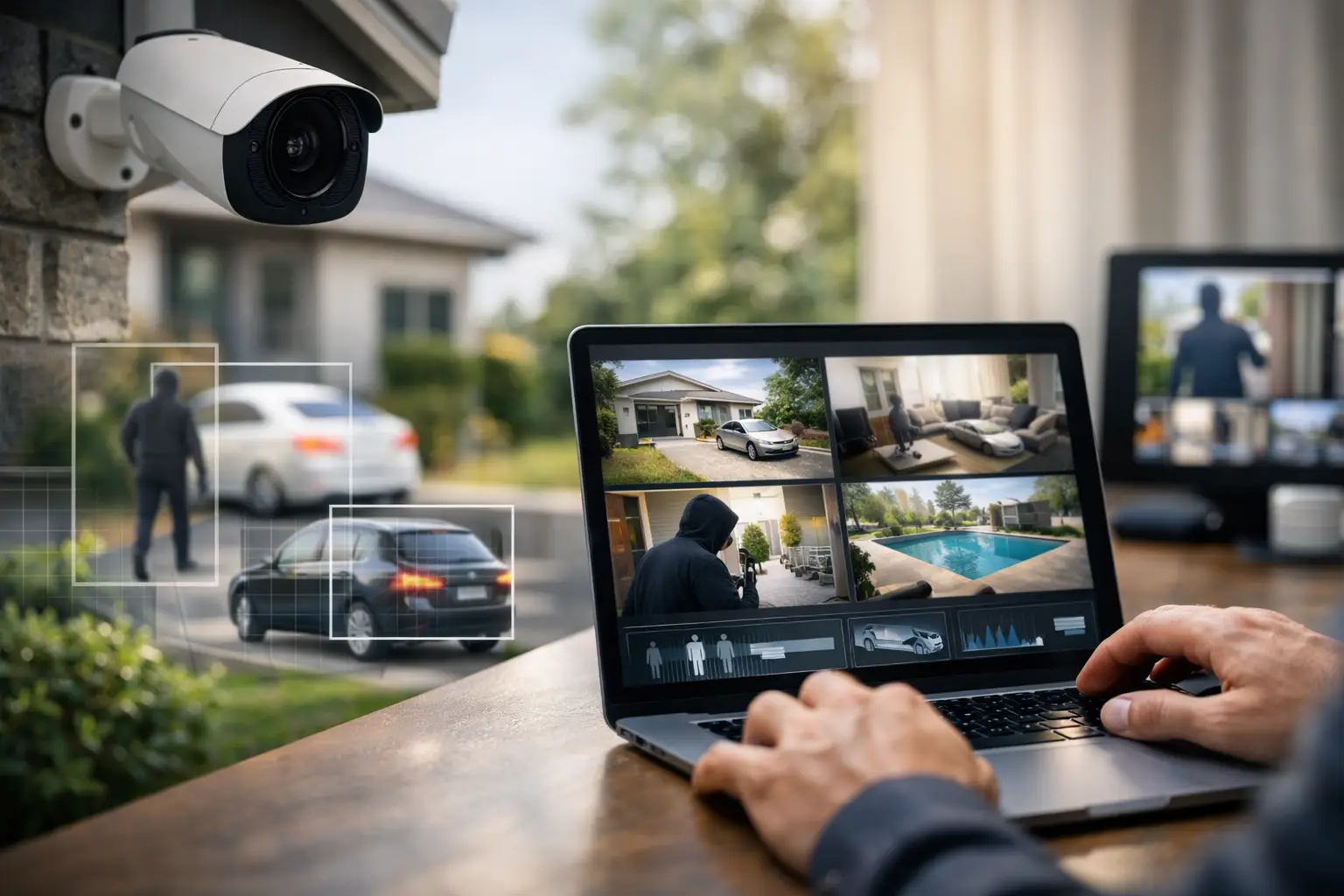
Video analytics is the layer of intelligence that turns a camera from a passive recorder into an active part of your security system. It analyzes motion patterns, object types, movement direction, timing, and activity zones so the system can better tell the difference between routine movement and behavior that deserves attention.
In practical terms, that might mean identifying a person walking up your driveway after midnight, recognizing when someone lingers at the front door, or separating a package delivery from general sidewalk traffic. The goal is not just to capture footage. The goal is to surface the moments that matter.
For many homeowners, that distinction matters more than camera resolution alone. Clear video is valuable, but clarity without context still leaves you scrolling through clips and guessing what triggered the alert.
Why standard motion alerts fall short
Basic motion detection has one job – notice movement. The problem is that movement by itself is not a very smart filter.
A traditional camera may alert you when headlights sweep across the yard, when the neighbor’s dog runs through the frame, or when rain distorts the image enough to register as motion. After enough unnecessary notifications, many people start ignoring them. That is where a security system loses value. If every alert feels minor, a serious one can get missed.
Video analytics improves that experience by adding context. It can help your system focus on events tied to people, vehicles, packages, or activity in specific areas around your property. That reduces false alerts and makes notifications more actionable.
There is a trade-off, though. Analytics works best when cameras are properly placed, calibrated, and integrated into a larger system. If the angle is poor or the camera is trying to cover too much space, accuracy can drop. That is one reason professionally designed systems tend to perform better than pieced-together setups.
Where video analytics makes the biggest difference at home
The front door is an obvious example. It is where package deliveries happen, where unknown visitors appear, and where porch theft often begins. Video analytics can help separate a normal drop-off from suspicious lingering, which gives homeowners more useful insight in real time.
Driveways and garages are another high-value area. A person walking toward a parked vehicle, repeated late-night movement, or unexpected activity near the garage door can mean more than a generic motion alert ever could. When the system recognizes the pattern as potentially important, you get a better chance to act quickly.
Backyards, side gates, and other lower-visibility entry points also benefit from analytics. These are the spaces where someone may try to avoid notice. A camera that can identify human movement in a defined zone is more effective than one that simply reacts to any motion in the frame.
Inside the home, analytics can also support awareness without turning every room into a source of constant notifications. It depends on the setup and the household. Some families want indoor coverage only when the system is armed away. Others prefer cameras limited to key areas like entry points or common spaces. The right design comes down to comfort, privacy expectations, and daily routine.
Faster response starts with better information
One of the strongest benefits of video analytics is not just what it tells you, but what it can help your monitoring team verify.
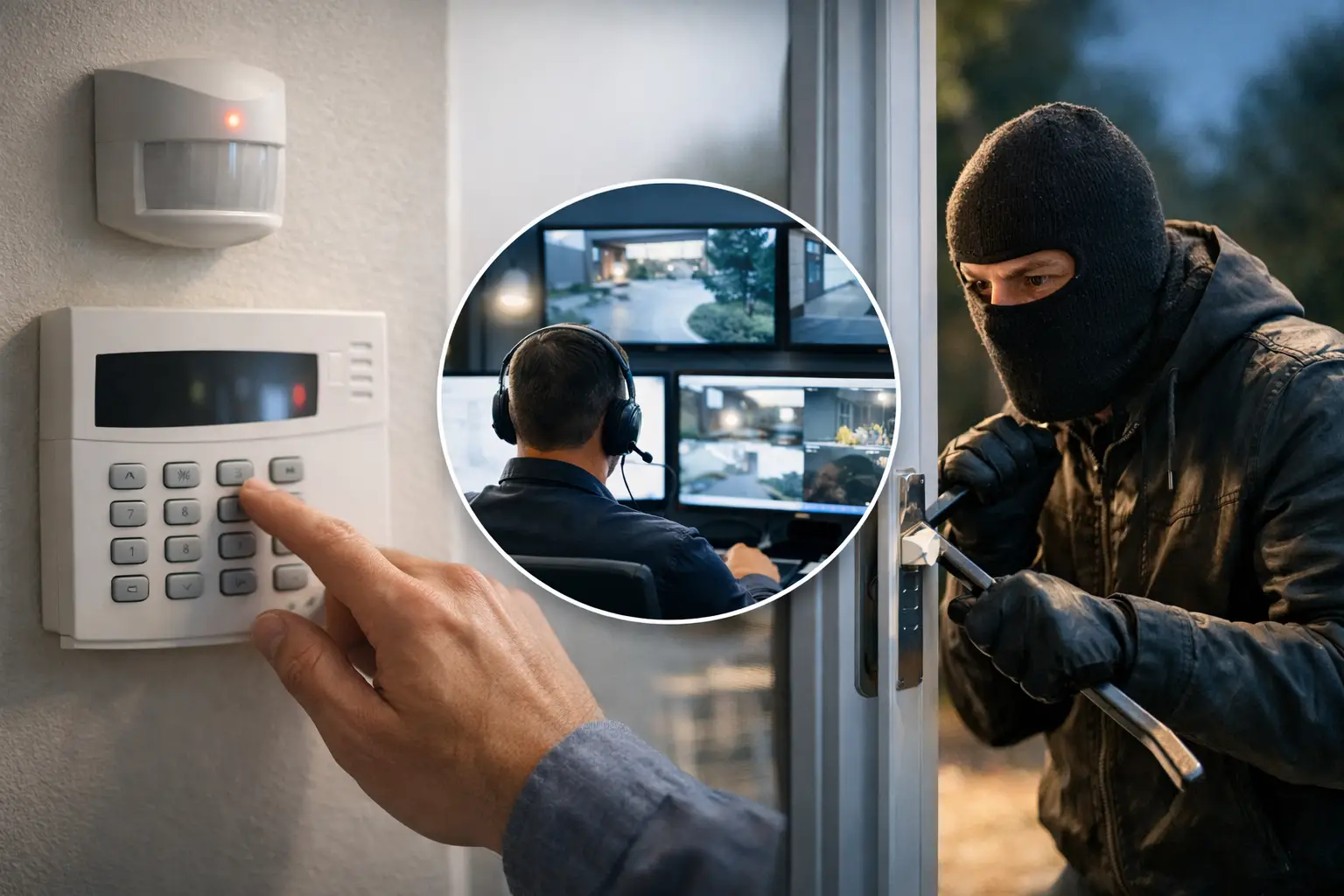
When a security event includes intelligent video data, responders have more than a generic alarm signal. They may be able to confirm whether a person is present, where movement occurred, and whether the activity appears consistent with a real threat. That can help support faster, more informed escalation.
This is where home security starts to move beyond passive monitoring. Instead of waiting for a break-in to be confirmed after the fact, analytics can support earlier detection and a more proactive response. If your system is connected to deterrence features such as lights, sirens, or two-way audio, the value goes even higher. The system is no longer just documenting an incident. It is helping interrupt it.
Video analytics is about convenience too
Most homeowners do not want to manage a complicated dashboard or spend time fine-tuning settings every week. They want a system that fits daily life, works reliably, and keeps control simple.
That is another reason video analytics matters. When it is built into a professionally installed platform, it can make security feel easier rather than more technical. You can check the app, review meaningful clips, confirm whether the kids arrived home, see if a delivery was made, or know whether someone entered a restricted area around the house.
This convenience matters because the best security system is the one people actually use. If alerts are relevant and the app is simple, homeowners stay engaged. If the system feels noisy or confusing, they tend to tune it out.
What to look for in a smarter system
Not all video analytics is equal. Some systems offer very basic person detection and stop there. Others are built to support a more complete protection strategy.
For homeowners looking at video analytics for home security, it makes sense to focus on how the technology works inside the full system. Can it identify people versus general motion? Can it create activity zones around doors, driveways, or gates? Does it support video verification during alarms? Can it connect with deterrence tools and mobile app control? Those details matter more than flashy marketing terms.
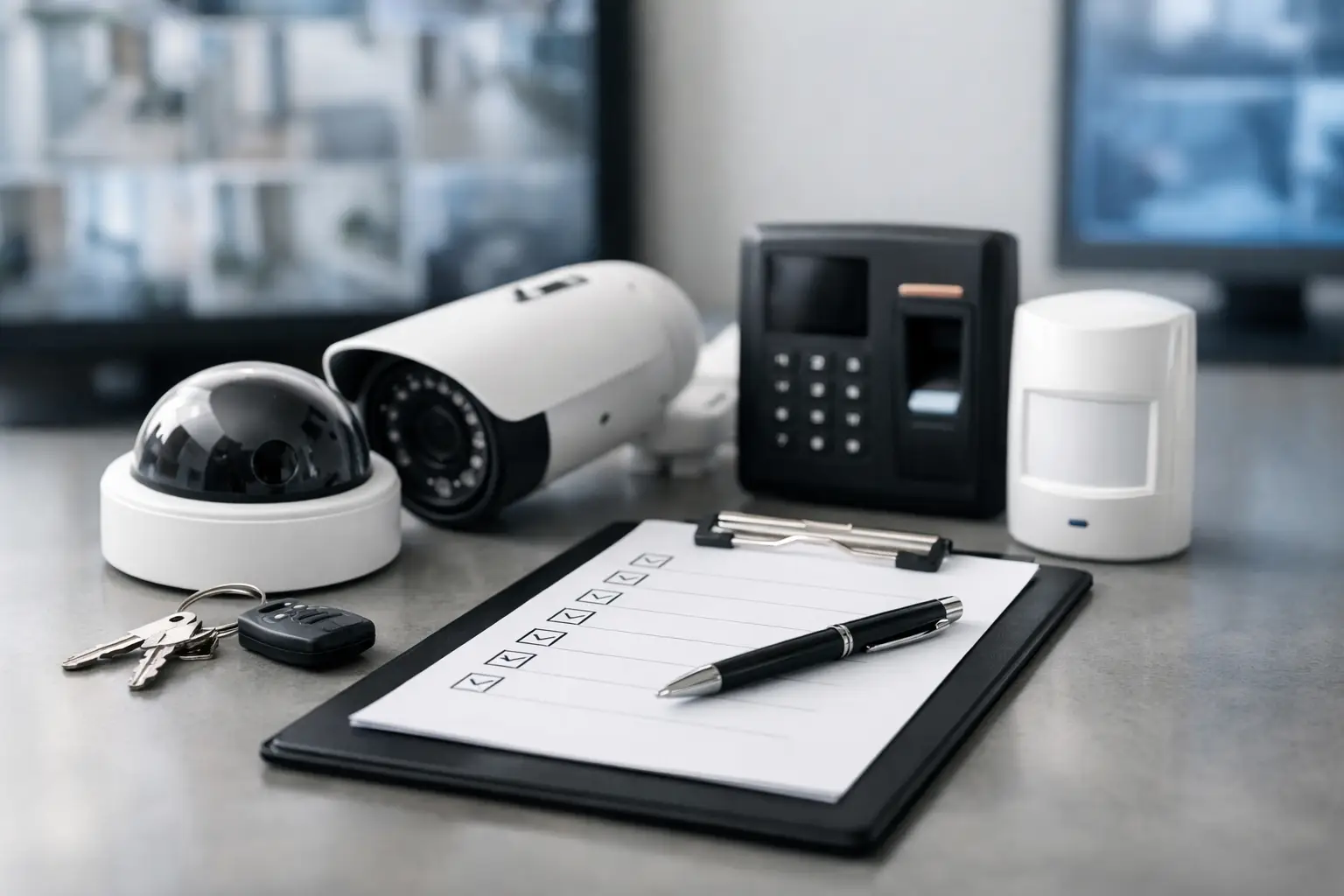
It also helps to think beyond the camera itself. A strong setup should fit the property layout, cover likely entry points, and work alongside door sensors, smart locks, environmental protection, and professional monitoring. The camera is one part of the answer. The real value comes from how all the parts work together.
That is why many homeowners choose a professionally installed solution instead of a DIY camera bundle. Expert placement, system integration, and ongoing support often make the difference between a camera that occasionally records something useful and a security system that actively helps protect the property.
When analytics is worth the investment
If your main goal is to occasionally check a live camera feed, advanced analytics may feel optional. But for many households, that is not the real use case.
It becomes far more valuable if you travel often, receive frequent deliveries, have kids coming and going, want better oversight of multiple entry points, or simply want fewer false alarms and more meaningful notifications. It is also a strong fit for homeowners who want a monitored system that can help verify events instead of just reporting that a sensor was tripped.
There are limits, and it is better to be honest about them. No analytic tool is perfect in every lighting condition, weather pattern, or property layout. Trees, reflective surfaces, pets, and camera height can all affect performance. That does not make the technology less useful. It means setup matters, and expectations should be based on real-world use rather than the idea of flawless automation.
For small business owners, the same logic applies. Smarter alerts around entrances, parking areas, and after-hours activity can reduce noise while improving awareness. If you manage both a home and a storefront, there is real value in using one integrated platform instead of juggling disconnected tools.
A better way to think about home cameras
For years, people were sold on cameras as proof after the fact. Something happened, and maybe the footage helped explain it later.
That standard is changing. Homeowners now expect cameras to do more than record. They want systems that can recognize risk sooner, reduce unnecessary alerts, support faster response, and make security easier to manage from one app. That is what makes video analytics worth serious attention.
When it is paired with professional installation, smart deterrence, and 24/7 monitoring, it becomes more than a feature on a product sheet. It becomes a practical layer of everyday protection. Fluent Home helps homeowners build that kind of system with customized security solutions designed to fit the property, the routine, and the level of protection needed.
If your cameras are only watching, you may be missing the real advantage. The better question is whether your system can tell the difference between ordinary activity and a problem that needs attention right now.