A break-in rarely starts with a smashed window. More often, it starts with a few quiet minutes – someone watching the property, testing routines, and looking for the easiest way in. That is exactly where understanding how alarm monitoring prevents break-ins matters. It changes a property from a soft target into one that is actively watched, quickly verified, and far more likely to trigger a real response.
For homeowners, that means more peace of mind when the house is empty, when kids get home before you do, or when a package is sitting on the porch. For small business owners, it means better protection after closing, during shift changes, and at vulnerable entry points like back doors, stock rooms, and side windows. The real value of monitoring is not just sounding an alarm. It is creating consequences for suspicious activity fast enough to make most intruders back off.
How alarm monitoring prevents break-ins in real life
Burglars usually want three things – speed, privacy, and low risk. A monitored security system disrupts all three.
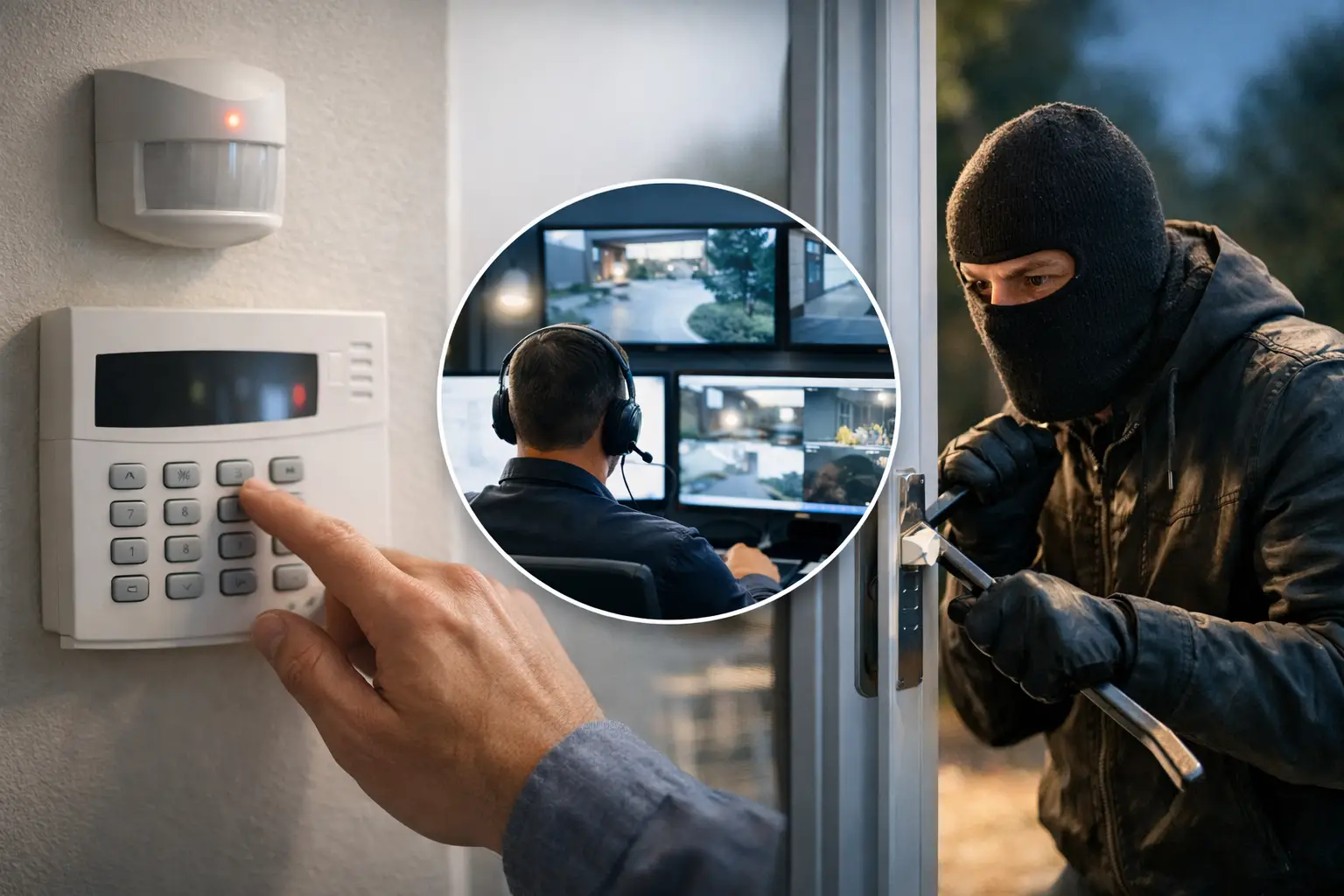
When a door sensor, motion detector, glass break detector, or camera event is triggered, the signal does not stop at the property. It goes to a professional monitoring center where trained specialists review the event and take action based on the type of alert. That action can include contacting the property owner, reviewing video verification, issuing deterrence measures, and dispatching emergency responders when needed.
That matters because noise alone is not always enough. An unmonitored siren may scare off some intruders, but others know that neighbors often ignore alarms. Monitoring raises the stakes. It tells the intruder that the event has been noticed, documented, and may already be in motion with law enforcement or other emergency response.
This is also why professionally installed systems tend to perform better than patchwork setups. Device placement, sensor coverage, camera angles, and communication pathways all affect whether suspicious activity gets detected early enough to stop an entry attempt before it turns into a loss.
The deterrent starts before anyone touches a door
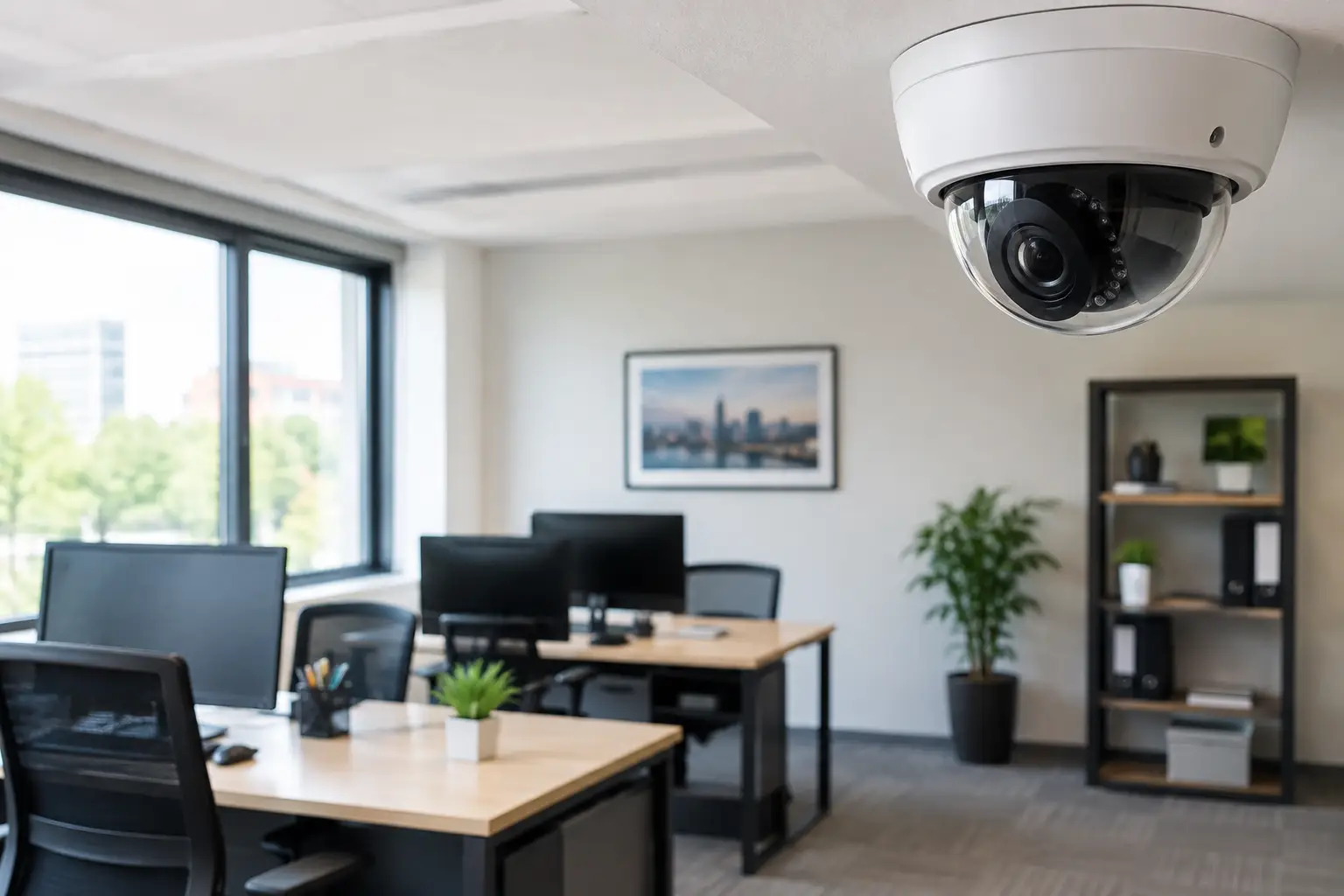
One of the most overlooked ways monitoring helps is by changing how a property looks to an outsider. Visible cameras, yard signs, window decals, smart doorbells, and well-placed exterior devices signal that the home or business is not operating on a delay. It is under active supervision.
Criminals often look for homes with dark entry points, no visible surveillance, predictable vacancy, or easy blind spots. A monitored system with outdoor cameras and smart lighting makes those weak points harder to find. If video analytics identify motion in a restricted area or unusual activity near an entrance, the system can surface that event quickly instead of waiting until after a break-in has happened.
For a small business, this can be especially valuable around loading doors, alleys, rear access points, and parking lot approaches. For a homeowner, it may be the front porch, garage, side gate, or basement window. Monitoring works best when it is paired with visibility.
Speed changes the outcome
Time is everything during an attempted break-in. If an intruder believes they have ten quiet minutes, they may keep going. If they realize someone is already reviewing the event and a response may already be underway, the calculation changes.
That is where monitored alerts outperform passive recording. A camera that stores footage is useful after the fact. A monitored system is built to act during the event. In many cases, that difference is what turns a completed burglary into an abandoned attempt.
There is a trade-off here. Not every alert means a crime is happening. Pets, weather, employee error, or an early family member arriving home can all trigger events. Good system design helps reduce false alarms, and smarter verification tools help distinguish between routine activity and actual risk. The goal is not constant panic. The goal is fast, informed action.
Why verification makes monitoring more effective
Monitoring is strongest when it does more than relay a signal. Video verification and analytics add context that helps responders and property owners make better decisions.
If a back door opens unexpectedly after business hours and a camera confirms a person entering, that event carries more urgency than a sensor alert alone. If a camera shows someone pacing along a fence line or approaching a garage repeatedly, that can trigger attention before forced entry even happens. Verified events also help reduce the chance that a serious alert gets treated like noise.
This is where modern systems have moved beyond the old model of siren-first security. AI-enhanced deterrence, real-time video review, and mobile visibility allow a monitored system to be more proactive. Instead of simply reporting that something happened, the system can help establish what is happening and whether intervention should start immediately.
For families, that may mean confirming whether someone at the door is a visitor, delivery driver, or stranger testing access. For business owners, it may mean identifying unauthorized entry, loitering, or after-hours movement in restricted areas.
Smart security closes the gaps burglars count on
Most break-ins do not happen through some dramatic Hollywood method. They happen through ordinary weaknesses – an unlocked side door, poor lighting, a garage left open, a disconnected camera, or a blind spot around the property.
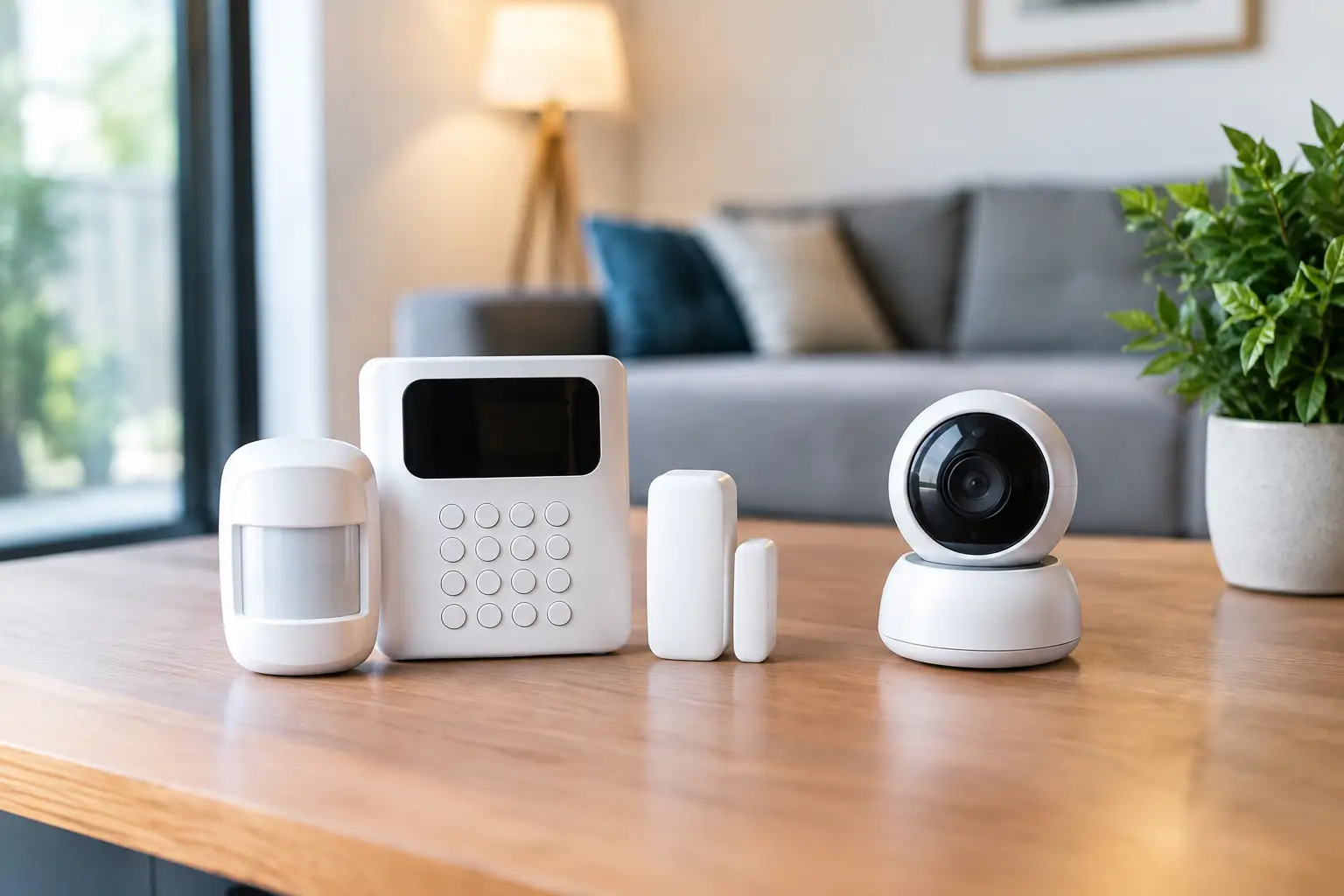
Alarm monitoring works better when it is part of an integrated system. Door and window sensors catch perimeter breaches. Motion detectors watch interior movement. Cameras provide visual confirmation. Smart locks help control access remotely. Lighting can make an exterior area less attractive for concealment. Smoke, carbon monoxide, and flood devices extend protection beyond intrusion, which matters because emergencies do not always fit into one category.
For example, if you are away and receive an alert that your garage door is open late at night, mobile control may let you check cameras and close it remotely. If a storefront is armed and someone enters through a side door after hours, monitoring can support a much faster response than a system that simply logs the event. Each connected device fills in a gap that an intruder might otherwise exploit.
Professional installation matters more than most people think
A system is only as strong as its setup. Coverage gaps, poorly positioned sensors, weak camera sightlines, and inconsistent connectivity can all reduce effectiveness. Professional installation helps ensure that the system is designed around the property, not just around a box of devices.
That is especially important in larger homes, multi-entry properties, and small businesses with separate access points or inventory areas. The right setup can mean the difference between detecting movement at the perimeter and discovering a loss after someone is already inside.
A professionally installed and monitored solution also tends to be easier to live with day to day. The app experience is cleaner, the devices work together, and users are less likely to ignore the system because it feels complicated. That convenience matters because security only helps if people actually use it consistently.
Monitoring helps after hours, but also during everyday routines
People often think of break-ins as strictly nighttime events, but many happen during the day when residents are at work or owners are away from the business. Monitoring protects those empty-hour windows, but it also supports normal routines.
Parents can check whether a child arrived home and disarmed the system. Homeowners can verify activity at the front door. Business owners can monitor openings, closings, and employee entry patterns. If a cleaner, contractor, or vendor arrives at the wrong time, the system can flag it.
That broader awareness is part of prevention. Criminal activity is easier when there is uncertainty about who is watching and when. Monitoring reduces that uncertainty.
What monitored security can and cannot do
It helps to be realistic. No security system can guarantee that a determined criminal will never attempt entry. Monitoring is not magic, and police response times can vary by location and circumstances. A property with poor physical security, overgrown sightlines, or inconsistent arming habits may still be vulnerable.
But monitored security changes the odds in your favor. It increases visibility, shortens response time, supports verification, and makes your property less attractive than an easier target nearby. That is often enough to prevent the break-in from happening at all.
For people who want more than a basic alarm, a professionally managed system offers a stronger layer of protection because it combines equipment, monitoring, and smart control into one strategy. That is where companies like Fluent Home stand out – not by adding complexity, but by making advanced protection easier to use every day.
If you are thinking about protecting a home or business, the best next step is not guessing which device to buy first. It is getting a system designed around the way your property is actually used. The right monitored setup does more than react to danger. It makes your space a harder place to target in the first place.