A missing item is rarely just a missing item. For a retailer, theft can mean lost revenue, disrupted operations, frightened employees, and difficult conversations with customers. Effective retail security helps protect inventory, but its larger purpose is to keep your people, property, and business running with confidence.
The right system should not force a small business owner to watch cameras all day or sort through unclear alerts after an incident. It should provide clear visibility, fast response, and practical control from wherever business takes you.
What Retail Security Needs to Protect
Every store has different risks. A boutique may be concerned about shoplifting and package deliveries at a rear entrance. A convenience store may need stronger protection for cash handling, employee safety, and late-night activity. A warehouse-connected retailer may need to secure stockrooms, loading areas, and multiple points of entry.
That is why a single device is not a complete answer. A door camera can show who approached the entrance, but it cannot detect a broken window in the back of the building. An alarm can signal an intrusion, but it cannot always show what triggered it. Strong retail protection brings these tools together so they support one another.
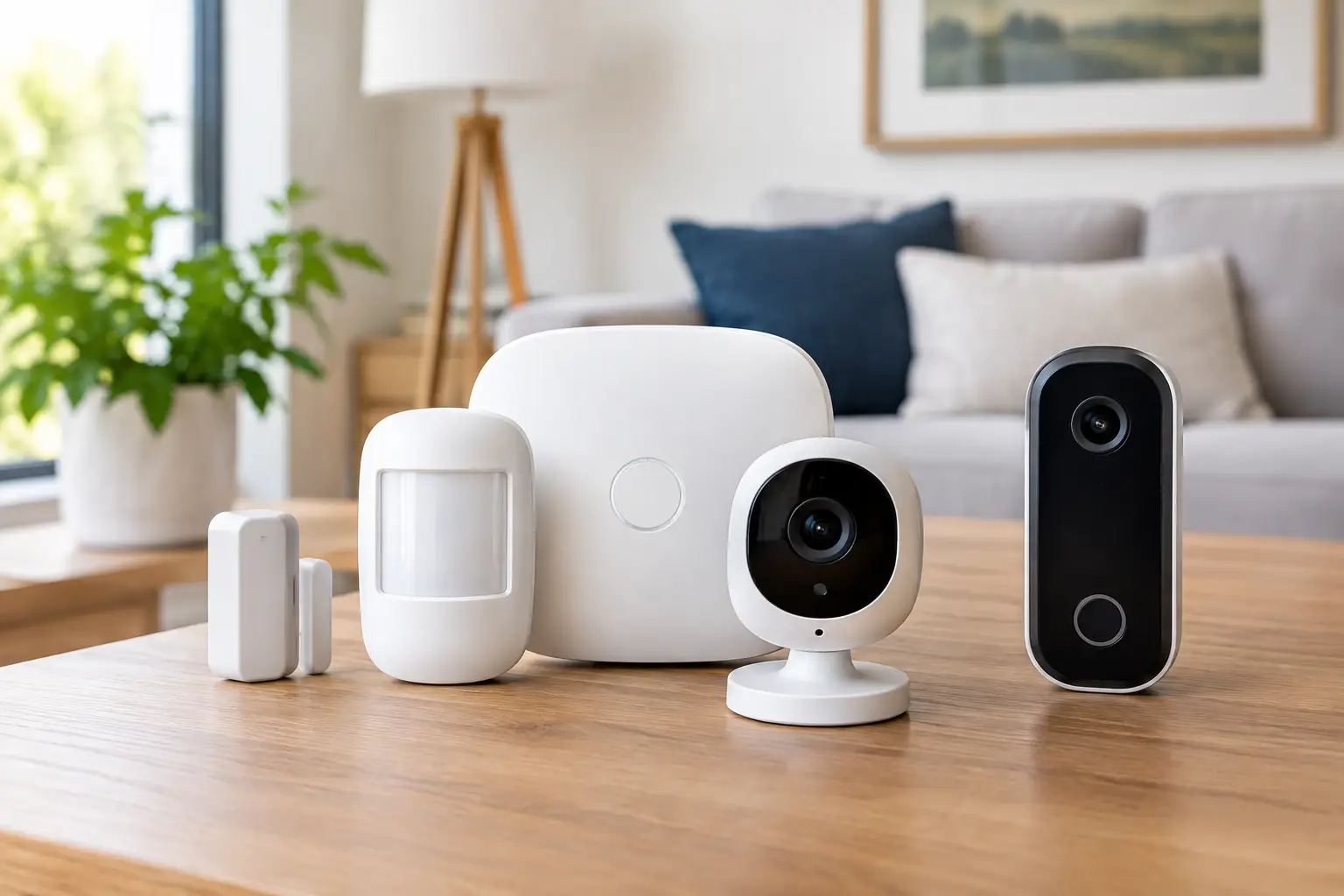
A professionally designed system can combine intrusion sensors, video surveillance, access control, environmental devices, and 24/7 professional monitoring. From one mobile app, business owners can check a camera, arm the system, review an alert, or confirm that a manager locked up for the night.
Start With the Risks You Can See and the Ones You Cannot
A security plan should begin with a walkthrough of the business, not a generic equipment list. Consider how people enter and leave the property, where high-value goods are stored, which areas employees work alone, and when the location is most vulnerable.
Front doors, side entrances, rear doors, windows, stockrooms, offices, cash wraps, and loading zones all require different forms of protection. Cameras should cover meaningful activity, not simply record a wide view of an empty parking lot. Sensors should be placed where an unauthorized entry is likely to occur. Access controls should protect areas that customers and unauthorized staff should not enter.
It also pays to think beyond crime. Smoke, carbon monoxide, frozen pipes, water leaks, and equipment failures can create expensive interruptions. Flood detection and connected water shutoff options can be especially valuable for retailers with storage rooms, break areas, or plumbing near merchandise.
Use Video to Create Actionable Visibility
Security cameras are most useful when they help answer a question quickly: What happened, where did it happen, and is someone on-site in danger? Clear indoor, outdoor, and doorbell camera coverage gives owners a better view of customer entrances, registers, aisles, receiving areas, and exterior approaches.
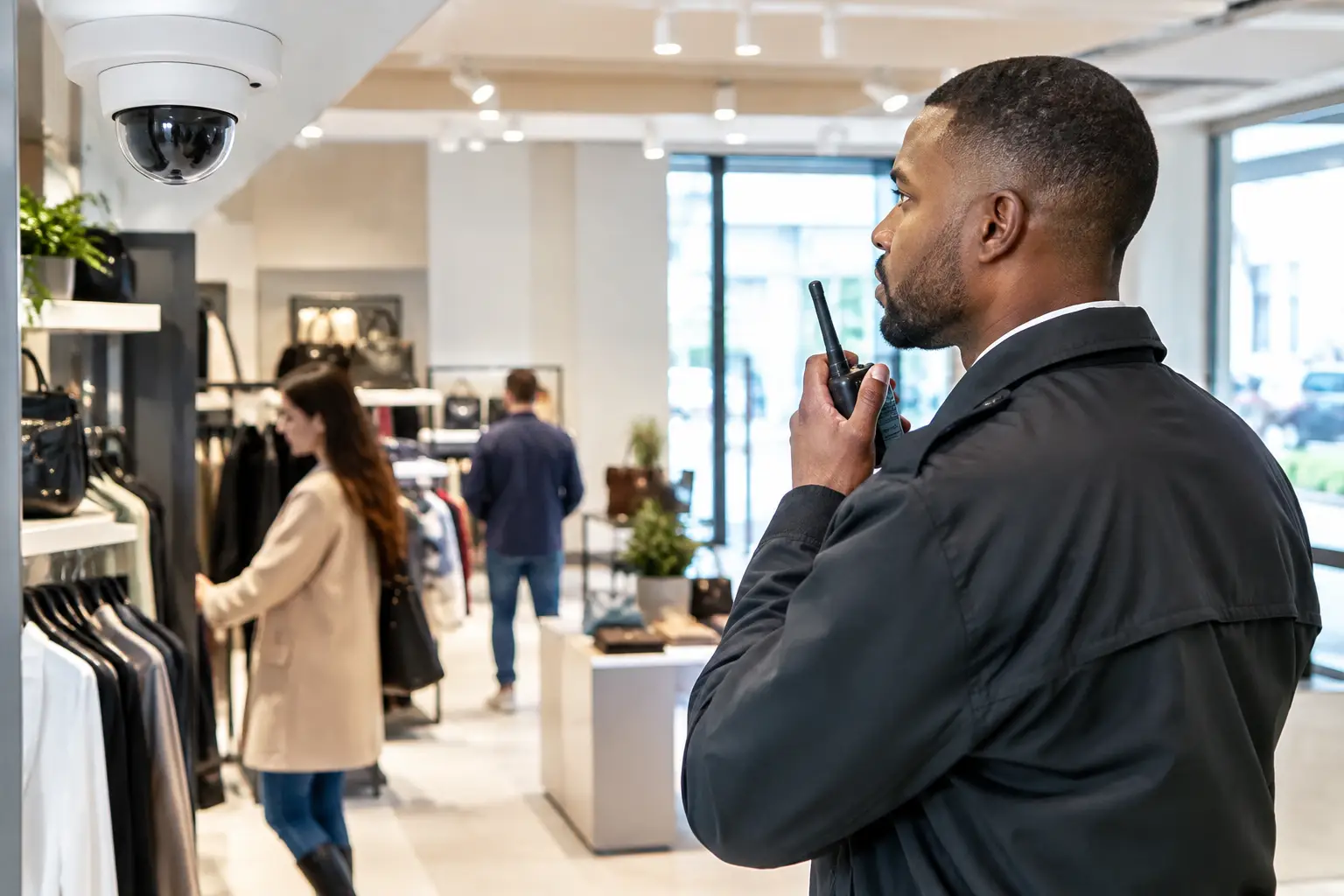
Placement matters as much as camera count. A camera aimed at a doorway can help identify activity at entry and exit. One covering the register area may support incident review and employee safety. Exterior cameras can monitor delivery activity, after-hours loitering, and suspicious movement near doors or dumpsters.
Video analytics can reduce some of the noise that comes with constant motion. Instead of receiving alerts for every passing car or changing shadow, businesses can set notifications around people, vehicles, or activity in specific areas. The goal is not more alerts. It is more useful alerts.
For higher-risk locations, AI-enhanced deterrence and 24/7 video verification add another layer. When trained monitoring professionals can verify an event using video, they can provide responding authorities with more specific information than an alarm signal alone. Response protocols vary by area, but verified events can help ensure a situation is treated with the urgency it deserves.
Retail Security Works Best With a Real Response Plan
Technology only delivers its full value when everyone knows what happens next. If an alarm goes off after closing, who receives the notification? If a camera captures suspicious activity, should the owner check the live feed, contact a manager, or rely on professional monitoring? If a water sensor trips, who can get to the location first?
Set clear roles for owners, managers, and keyholders. Keep contact information current, and make sure authorized users understand how to arm, disarm, and respond to common notifications. A short review of procedures with new managers can prevent confusion during a stressful event.
Professional monitoring is particularly useful when the owner cannot be available around the clock. Rather than relying on a phone alert that may be missed during a meeting, while driving, or overnight, a monitored system provides a dedicated response path. It helps turn security from a passive record of an event into a plan for taking action.
Control Access Without Handing Out More Keys
Traditional keys are easy to copy, lose, or forget to recover when an employee leaves. Smart access control gives business owners a clearer way to manage who can enter protected areas and when.
Depending on the setup, managers can issue unique codes or credentials to employees, restrict access to offices and stockrooms, and remove permissions without changing locks. This is especially practical for businesses with shift workers, cleaning crews, delivery teams, or multiple managers.
Access records can also settle simple questions that arise during operations. If a delivery was expected at 7:00 a.m., a manager can confirm when a receiving door was accessed. If the alarm was disarmed early, the system can show which authorized user entered. These details are not about mistrust. They create accountability and help owners spend less time guessing.
Balance Security With the Customer Experience
Visible cameras and alarm signage can discourage opportunistic theft, but a store should still feel inviting. Customers should be able to browse without feeling watched at every step. The best design protects vulnerable areas while preserving a clean, welcoming environment.
This balance depends on your store layout and customer traffic. A jewelry retailer may need more visible coverage around display cases, while a salon may prioritize discreet cameras at entrances and reception. A professional consultation can identify blind spots and recommend equipment that fits the space rather than overwhelming it.
Security should also make daily operations easier. Smart locks can reduce opening and closing hassles. Mobile controls can let an owner confirm the system status from home. Automated lighting can support safer closing routines and make a location look occupied after hours.
Why Professional Installation Matters
A retail security system is only as dependable as its design, installation, and ongoing support. Poor camera angles, unreliable connections, badly placed sensors, and complicated controls can create gaps that are discovered at the worst possible time.
Professional installation helps ensure that devices are positioned for useful coverage, connected correctly, and tested as a complete system. It also gives business owners a chance to learn the controls with an expert rather than attempting to troubleshoot a collection of disconnected products on their own.
Fluent Home can build a customized commercial security solution around your location, operating hours, and priorities, with professionally installed devices and 24/7 monitoring options designed for real-world business needs.
Build Protection Around Your Business, Not a Package
There is no universal retail security package because there is no universal retail risk. A single-location shop may need monitored intrusion protection, a few strategically placed cameras, and smart access for staff. A larger operation may benefit from additional exterior coverage, video verification, environmental sensors, and controls across several entrances.
Start with the incidents that would hurt your business most, then build outward. Protect the people who open and close the store. Cover the entry points that create risk. Add visibility where inventory, cash, or deliveries need more oversight. A free custom quote can help turn those priorities into a practical system that supports your business every day.