The first night after a break-in feels different. Doors that used to feel ordinary suddenly look vulnerable, every sound gets your attention, and the question is no longer whether security matters – it is whether your current setup can actually protect you the next time.
That is why home security after break in should start with immediate protection, not guesswork. Some homeowners replace a lock and hope for the best. Others overcorrect with random gadgets that do not work well together. The better path is to secure the home quickly, identify how the intruder got in, and build a system that closes the gaps without making daily life harder.
What to do first after a break-in
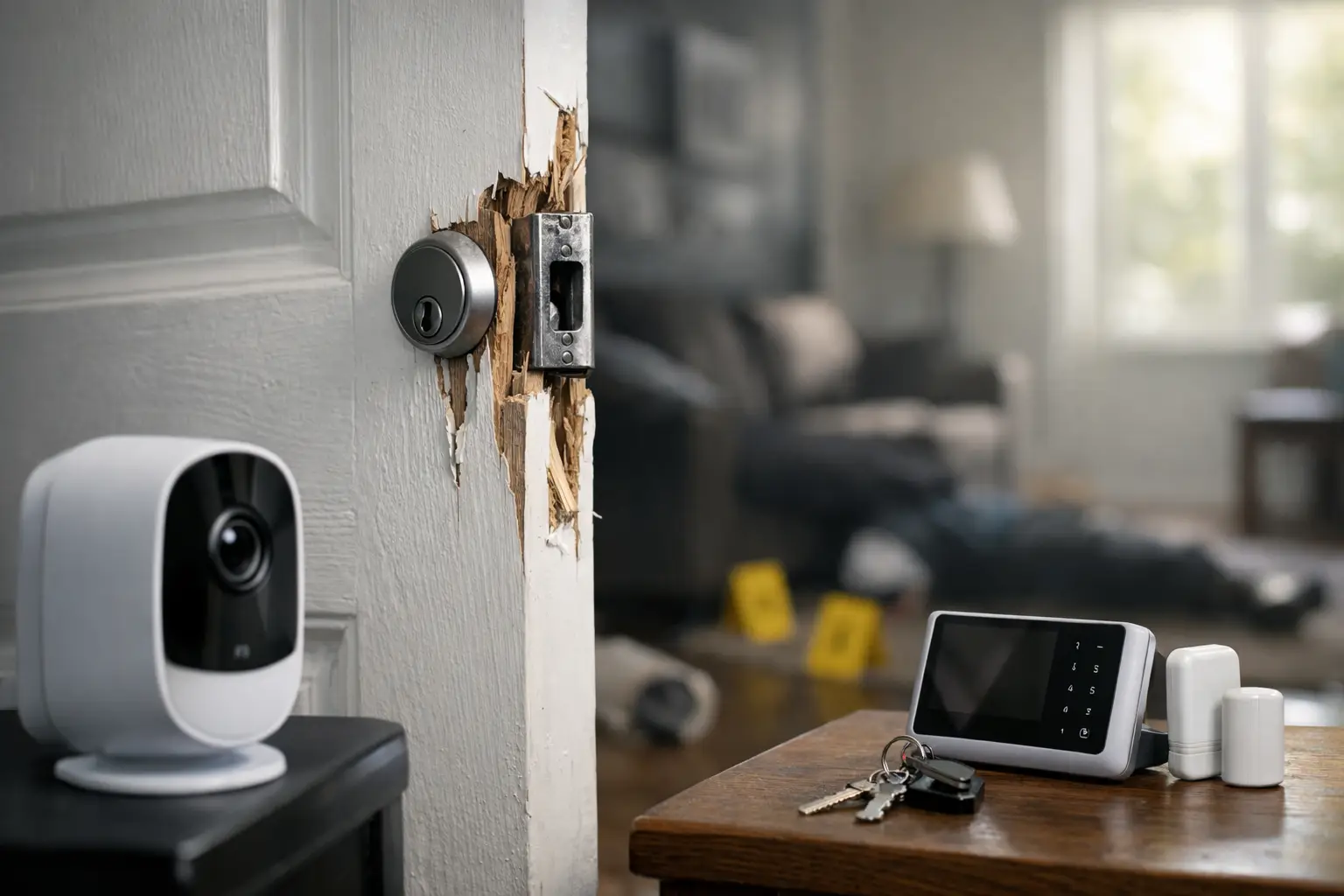
Before thinking about upgrades, make sure the home is safe to enter. If law enforcement has not cleared the property, wait. If a door, window, or frame is damaged, treat that opening as compromised even if it still appears to close.
Once you are inside, focus on the basics in order. Document visible damage, missing items, and any signs of forced entry. Take photos and notes for insurance and police records. Then secure the vulnerable points right away. That may mean boarding a window, replacing a lock, reinforcing a strike plate, or arranging same-day repairs.
This is also the moment to stop relying on memory. After a stressful event, it is easy to miss patterns. Was the garage left unsecured? Was a side door hidden from view? Did the intruder approach from a dark area with no camera coverage? Those details matter because they shape the right response.
Home security after break in is about fixing weak points
A break-in is not always a sign that a home had no protection. Often, it means the protection was incomplete. Maybe the front door had a smart lock, but the back slider had no sensor. Maybe there were cameras, but no active monitoring. Maybe there was an alarm, but no one responded fast enough when it triggered.
The goal is not to buy the most devices. It is to create layers that work together.
Start with entry points. Most intrusions still happen through doors and accessible windows, so physical reinforcement matters just as much as smart technology. Solid core doors, upgraded deadbolts, stronger door frames, window locks, and glass break sensors all reduce opportunity. If the garage connects to the house, treat it like a primary entry, not a secondary one.
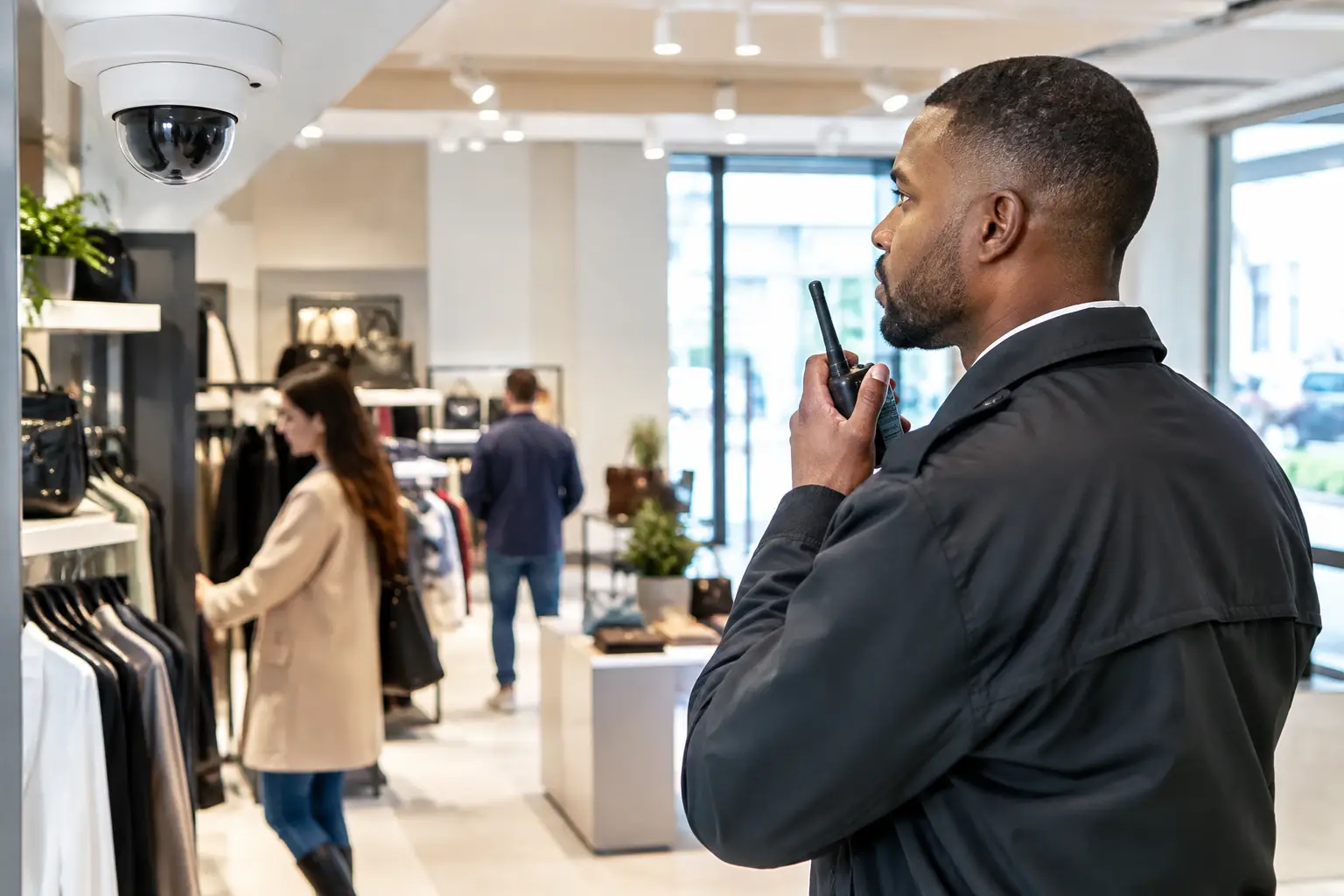
Then look at visibility. Burglars prefer dark, quiet approaches and quick exits. Outdoor cameras, video doorbells, motion-triggered lighting, and floodlight cameras change that equation. The best setups do more than record footage. They help deter suspicious activity before someone reaches the door.
The final layer is response. A siren may scare some intruders away, but it does not replace a monitored system. Professional monitoring adds speed and consistency when you are asleep, at work, or away from home.
Why piecemeal fixes often fall short
It is common to respond to a break-in with one or two quick purchases. A camera from one app, a lock from another, and a motion light from somewhere else can feel productive. But disconnected tools often leave gaps where it matters most.
If your cameras do not trigger your alarm, if your phone gets too many alerts to take seriously, or if no one is watching when you miss a notification, the system may look modern without delivering real protection. Homeowners usually find this out after the fact, not before.
A professionally designed system solves a different problem than a pile of devices. It connects intrusion detection, video surveillance, smart locks, lighting, and 24/7 monitoring into one coordinated setup. That matters after a break-in because recovery is not only emotional – it is operational. You want fewer blind spots, fewer apps, and fewer chances for something critical to be missed.
The upgrades that make the biggest difference
Not every home needs the same solution, but a few upgrades consistently improve home security after break in.
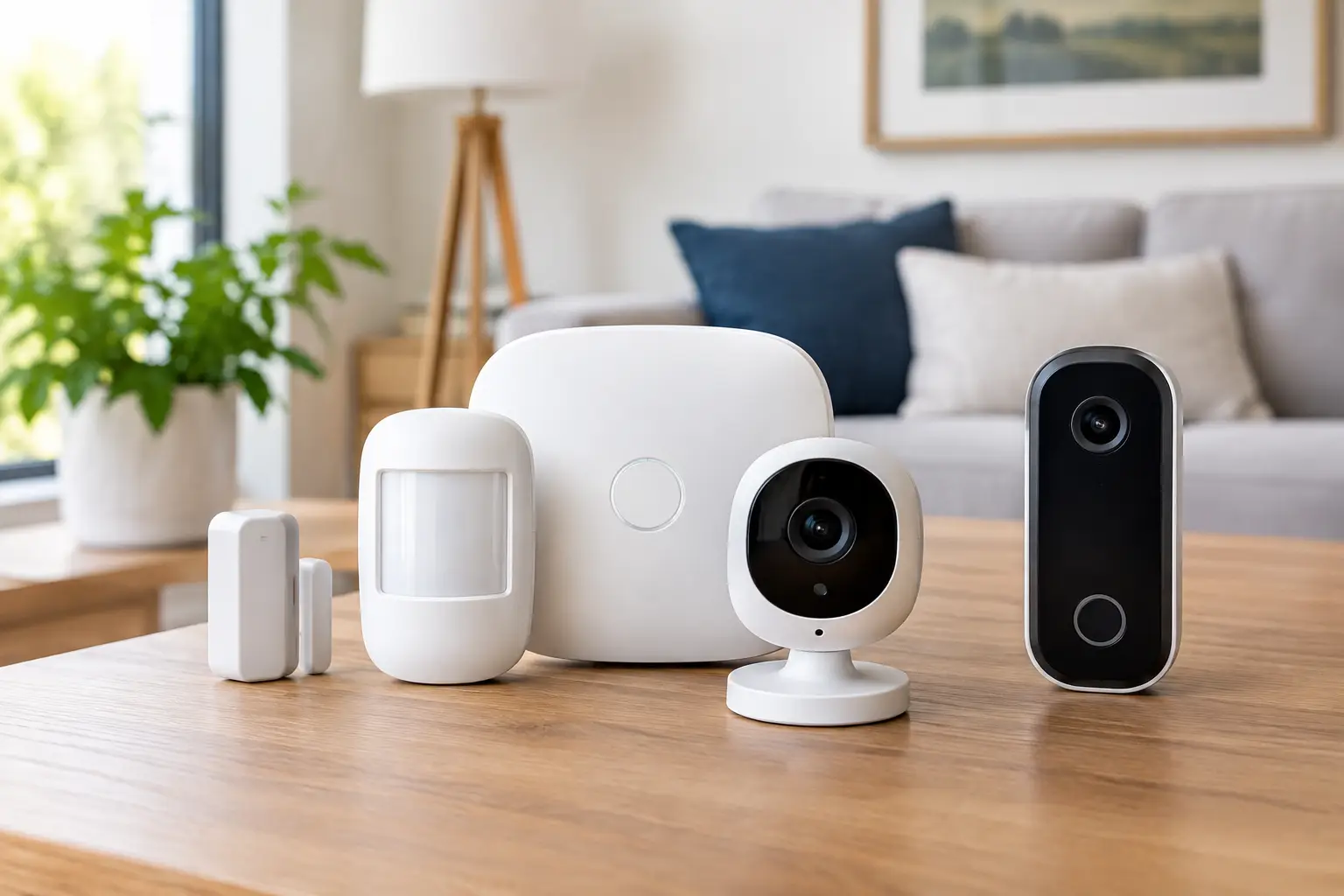
Door and window sensors are foundational because they alert you the moment a protected point opens unexpectedly. Glass break detection adds another layer for rooms with large windows or sliding doors. Smart locks help you regain control quickly, especially if keys were stolen or copied.
Cameras matter most when they are placed with intention. A doorbell camera helps with front entry activity, but it is rarely enough on its own. Side yards, back doors, first-floor windows, driveway access, and garage approaches often need coverage too. Indoor cameras can also be useful in certain homes, especially near entry paths or common areas, but placement should balance visibility with privacy.
Lighting is underrated. Motion-activated exterior lighting makes approach routes less attractive and improves camera image quality at night. If a property has deep shadows near fences, gates, or garages, lighting may fix a serious weakness faster than another indoor device.
Monitoring is where many systems separate themselves. Professional monitoring provides a response path when an alarm triggers, while video verification can add critical context. AI-enhanced deterrence and video analytics can also help identify unusual activity early instead of waiting for a door to open.
When it makes sense to replace the whole system
Sometimes a break-in exposes a single weak point. Other times it reveals that the existing setup was never built for the property. If your current system is outdated, unreliable, or difficult to manage, replacement may be the smarter move.
That is especially true if you have dead zones in camera coverage, old sensors that fail intermittently, or a DIY mix that no longer fits your needs. Households change. Maybe you now travel more, receive more deliveries, have teenagers coming and going, or want better garage and package protection. Security should keep up with real life.
A custom system is often the better investment because it accounts for layout, routines, and risk areas instead of forcing every home into the same package. For many families, that means professionally installed cameras, smart access control, environmental protection devices, and one app that manages the full property. Fluent Home is built around that kind of connected protection, which is why many homeowners move to professional installation after an incident makes the weaknesses obvious.
Security should support everyday life too
After a break-in, it is easy to focus only on worst-case scenarios. But the right system should also make daily routines easier. That is not a luxury feature – it is part of what keeps security active over time.
If arming the system is complicated, people stop using it. If camera alerts are constant and irrelevant, they get ignored. If you cannot check the garage, lock a door remotely, or confirm a family member got home safely, the system adds friction instead of peace of mind.
Integrated smart home security works better because it fits how people actually live. Remote arm and disarm, mobile video access, smart locks, garage door control, and custom alerts make protection easier to maintain every day. That consistency matters more than any single device.
Choosing professional help after a break-in
This is one of those moments where expert guidance can save time, money, and frustration. A professional security consultation should look at the full property, identify how the intrusion happened, and recommend equipment based on actual risk – not generic assumptions.
That includes evaluating vulnerable entry points, camera placement, lighting conditions, monitoring needs, and the role of automation. A good provider will also explain trade-offs. For example, some homes need broader outdoor coverage more than extra indoor devices. Others need better access control because service entrances, detached garages, or frequent deliveries create exposure.
Professional installation also matters more than many people expect. Even quality equipment can underperform if sensors are placed poorly, cameras miss approach angles, or automation rules are not set up correctly. After a break-in, most homeowners want certainty, not another project to manage themselves.
Moving forward with more confidence
A break-in changes how a home feels, but it does not have to define it. The right response is not fear. It is control.
Home security after break in works best when it combines physical reinforcement, smart detection, visible deterrence, and 24/7 monitoring into one clear plan. Whether you need a targeted upgrade or a fully customized system, the priority is the same: make the home harder to access, easier to monitor, and faster to protect when something is not right.
If your current setup left too much to chance, this is the right time to replace uncertainty with a system designed to protect how you live now.