A package shows up early, your dog walker arrives 20 minutes ahead of schedule, and your teenager forgets their key again. Those moments used to mean a rushed phone call, a hidden spare, or a neighbor doing you a favor. With remote home access control, they become simple decisions you can handle from your phone.
That is the real value here. Remote access is not just about opening a lock from a parking lot or checking whether the garage door is down. It is about knowing who can enter, when they can enter, and what happens around that entry point before and after the door opens.
What remote home access control really means
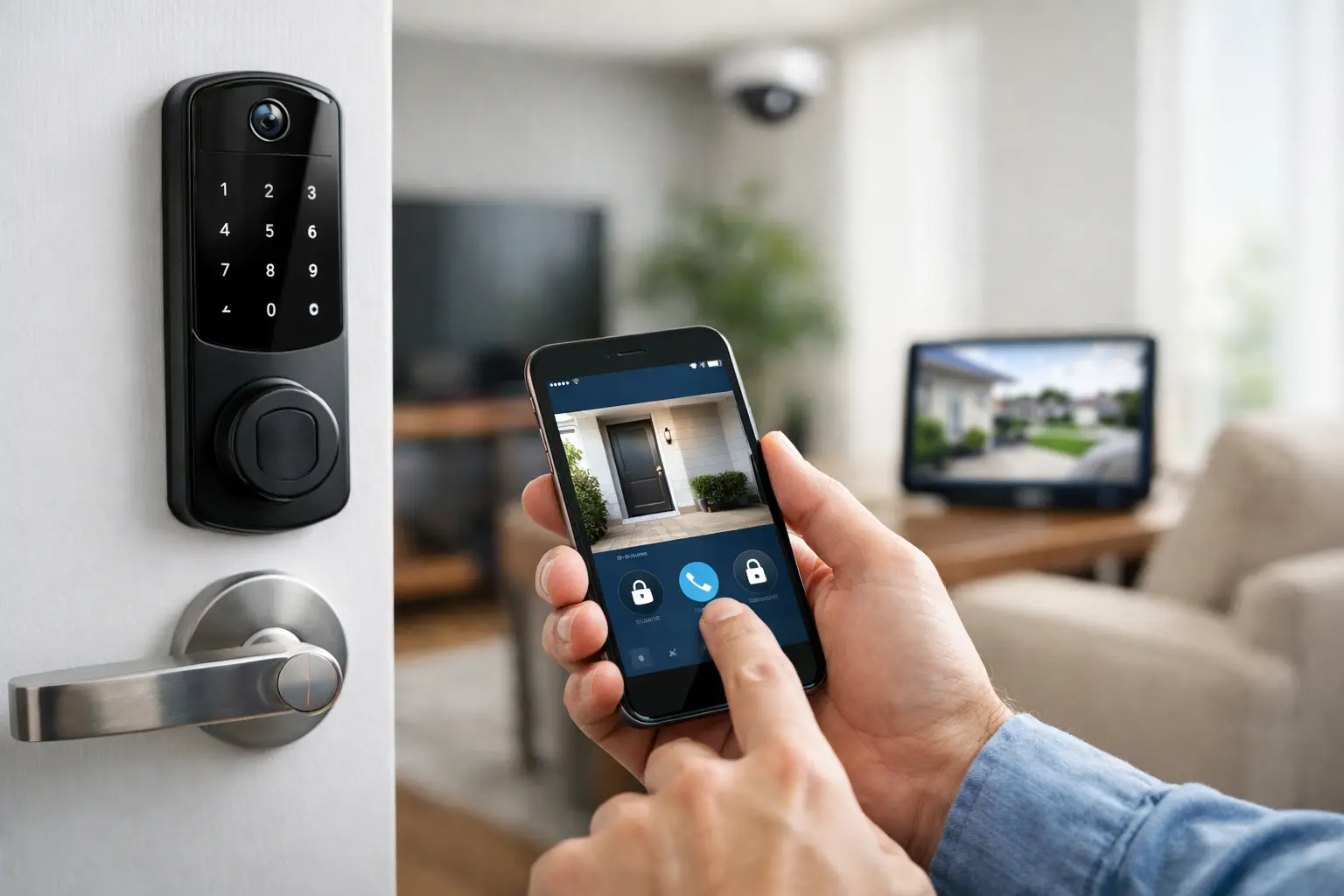
At the most practical level, remote home access control gives you the ability to manage entry to your home from anywhere. That usually includes locking and unlocking doors through a mobile app, creating user codes for family or service providers, receiving alerts when someone comes or goes, and pairing access events with video or automation.
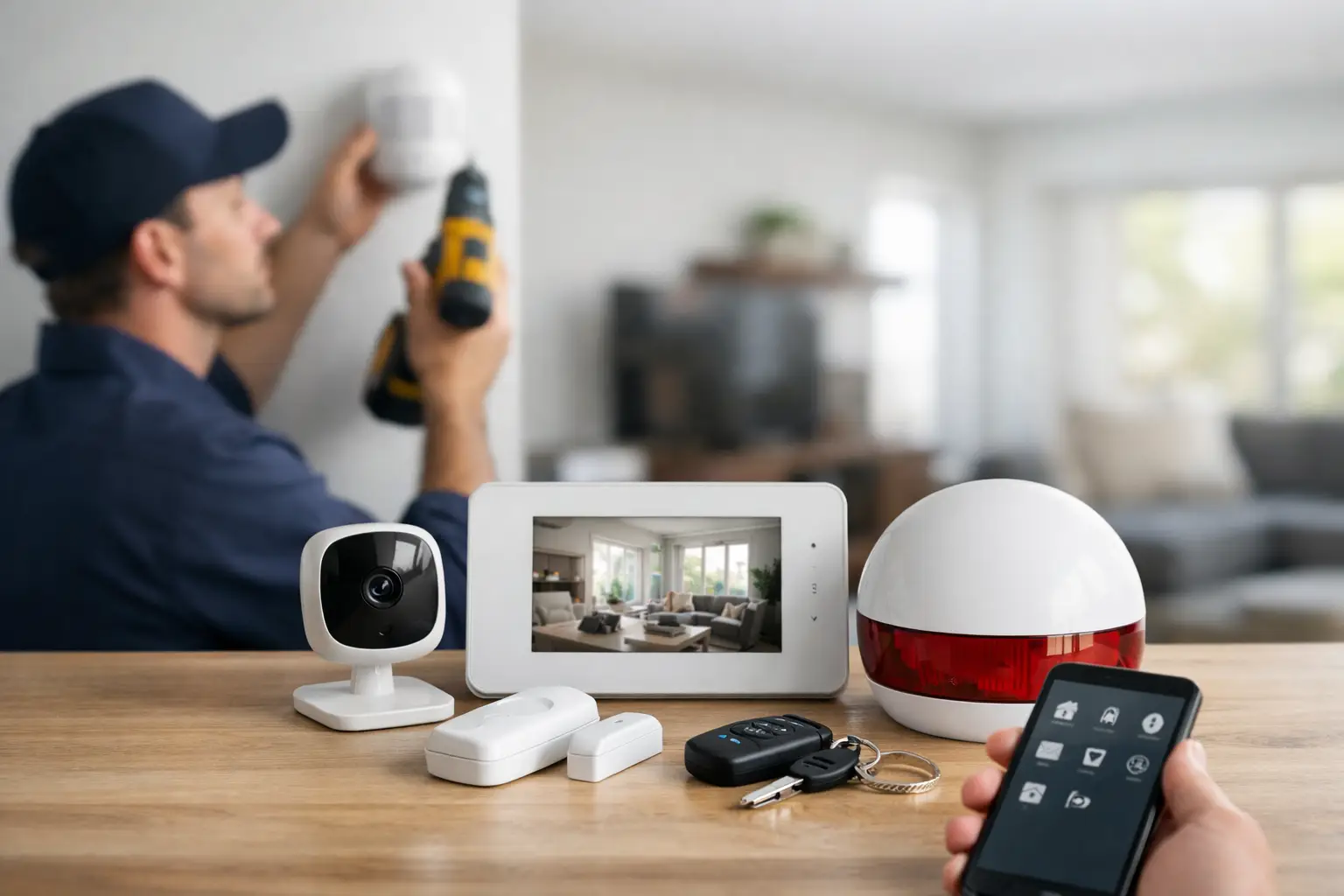
A basic setup may stop at a smart lock and mobile control. A more complete system connects the lock, security panel, cameras, doorbell camera, garage door, lights, and monitoring service into one experience. That difference matters more than most homeowners expect.
If your front door unlocks but you cannot verify who is there, you are managing convenience, not full security. If your lock event can trigger a camera clip, turn on entry lights, disarm a system for an approved user, and log the activity in one app, you are much closer to true control.
Why homeowners are adopting remote home access control
Most people start for convenience and stay for peace of mind. They want to let in a family member, confirm a package delivery, or stop wondering whether they locked up before leaving town. Those are everyday needs, and remote control solves them fast.
The bigger benefit shows up over time. You begin to reduce small security gaps that add up – spare keys under planters, shared codes that never change, garage doors left open overnight, and blind spots around expected visitors. Instead of reacting after something feels off, you can set rules and get visibility ahead of time.
For families, that often means knowing when kids arrive home from school or when a caregiver enters and leaves. For frequent travelers, it means checking and managing the property without depending on someone else to swing by. For homeowners with deliveries, it can mean pairing entry control with doorbell video and camera coverage to reduce missed packages and porch theft risk.
The features that matter most
Not every remote access setup offers the same level of protection. The strongest systems do more than let you tap a lock icon on your phone.
Mobile app control is the starting point. You should be able to lock and unlock doors, receive real-time alerts, check system status, and manage users without needing multiple apps.
User-specific access is where convenience becomes accountability. Temporary codes for guests, recurring schedules for dog walkers, and separate credentials for family members let you avoid sharing one code with everyone. If something changes, you can update or remove access immediately.
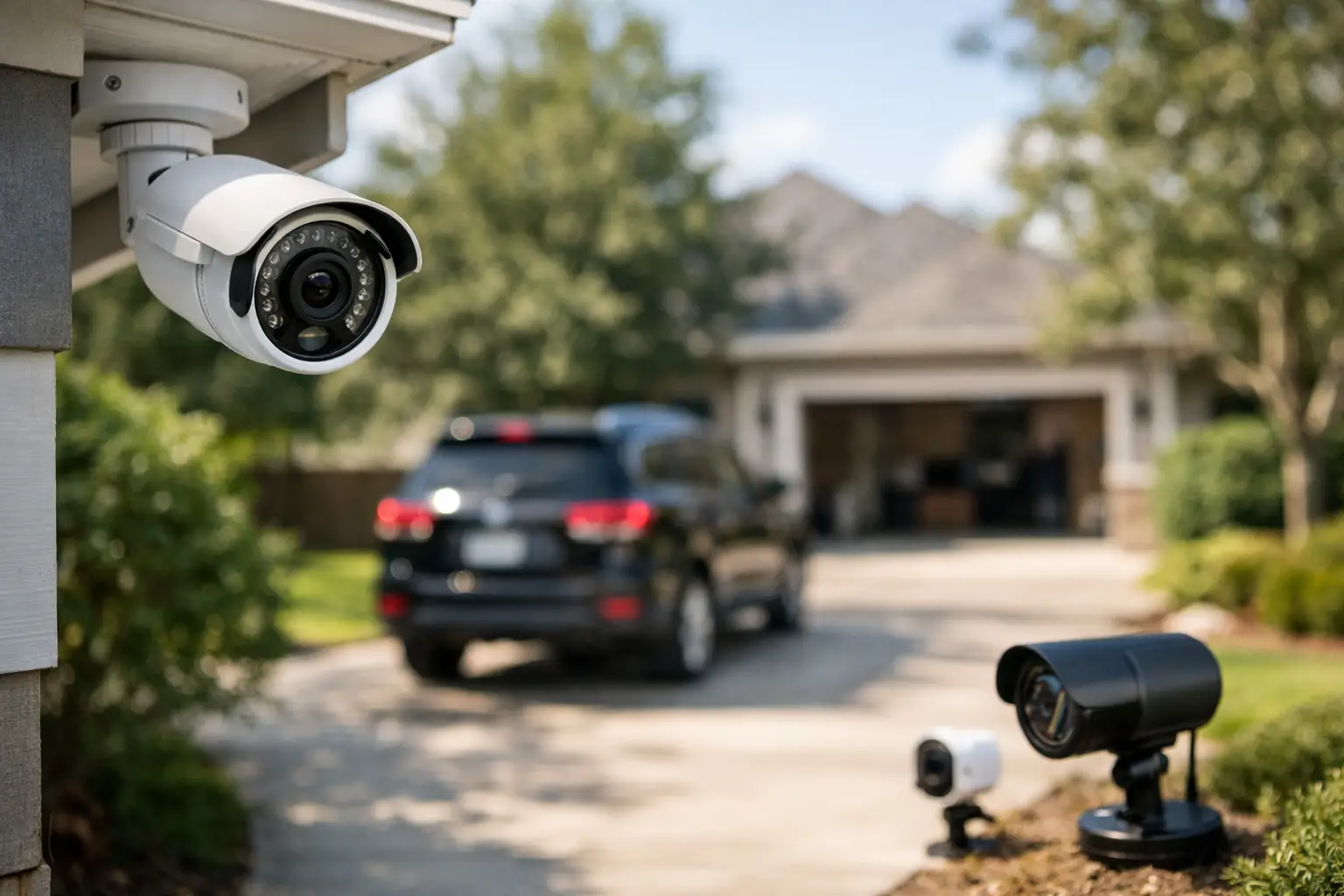
Video verification adds another layer. When a person rings the bell or approaches the entry, seeing the live view or recorded clip helps you decide whether to grant access. This is especially useful for deliveries, contractors, and unfamiliar visitors.
Automation also matters. Entry events can trigger lights, disarm a security system for an authorized user, or send alerts if a door is opened at an unusual time. Those connected actions make your system easier to live with and more effective in real situations.
Professional monitoring can be the difference between a smart gadget and a security solution. If an intrusion, forced entry, or suspicious event happens while you are unavailable, trained monitoring professionals can respond quickly instead of leaving everything on your shoulders.
Smart locks alone vs. a connected security system
A standalone smart lock can be useful, but there is a limit to what it can do on its own. You may gain app-based locking and temporary codes, but you are still piecing together visibility, alerts, and response across separate devices.
A connected system brings your doors, cameras, alarm, environmental sensors, garage access, and mobile control into one place. That means fewer gaps and fewer chances to miss something important. It also tends to be easier for the household to use consistently because everything follows the same routines.
There is a trade-off, of course. A connected professionally installed system usually costs more upfront or involves a service agreement. For many homeowners, that cost is worth it because the system is designed to work together from day one. You are not spending weekends troubleshooting compatibility or hoping a firmware update does not break an important feature.
Where remote access control makes the biggest difference
Front doors get the most attention, but they are only one part of the picture. Many homes have multiple entry points that deserve the same level of control.
Garage access is a common one. If your garage is attached, an open garage door can create a direct path into the home. Remote control and alerts help you close that gap fast, and scheduled checks can keep it from becoming a recurring problem.
Side doors, back doors, and basement entries also matter, especially for households that use them regularly. If family members or service providers use a side entrance more often than the front door, that entry point should not be treated as an afterthought.
Vacation homes and rental properties benefit even more. Being able to issue and remove temporary access without exchanging physical keys saves time, but the real advantage is knowing when someone arrived, how long they stayed, and whether the property was secured afterward.
Choosing the right remote home access control setup
The right setup depends on how you live. A single homeowner with one front entry has different needs than a family with teenagers, frequent deliveries, and a two-car garage. The goal is not to collect devices. It is to build a system around the habits and risks that matter most.
Start with the entry points you use every day. Then think about who needs access and how often that access changes. Family members, house cleaners, pet sitters, maintenance teams, and short-term guests all create different requirements.
Next, consider visibility. If you plan to grant remote access, you should be able to see what is happening at the door and review activity later. Cameras, doorbell video, and app alerts make that possible.
Finally, think about support. DIY systems can work for some households, but many homeowners prefer expert installation and a customized setup that fits the property. When locks, sensors, cameras, automation, and monitoring are configured correctly from the start, the system is more likely to perform the way you expect when it matters most.
That is where a professionally designed solution stands apart. Fluent Home, for example, builds remote access control into a broader security experience, so homeowners can manage locks, cameras, garage doors, alerts, and monitoring from one app instead of juggling disconnected tools.
Common concerns and what to expect
Homeowners often ask whether remote access is secure enough to trust. That depends on the quality of the devices, the app, the user settings, and how the system is installed. Strong user management, secure mobile access, and professional configuration all help reduce risk.
Another concern is reliability. If your Wi-Fi goes down, some remote features may be limited until connectivity returns. That is one reason integrated systems with professional support are attractive – they are built with reliability in mind, and they give you more than a single lock operating in isolation.
There is also the question of complexity. People want smart security, but they do not want a second job. The best systems feel simple in daily use. You open one app, check one dashboard, and control the home without guessing which device talks to which platform.
Remote home access control is really about confidence
The appeal of remote home access control is not the novelty of tapping your phone to open a door. It is the confidence that comes from knowing your home is protected, your routines are easier to manage, and the people who need access can get it without creating new risk.
When the system is built well, you stop thinking about workarounds. No more hiding keys. No more wondering whether someone came by. No more driving home just to check a lock or garage door. You get practical control, clear visibility, and a smarter way to protect the place that matters most.
If you are considering an upgrade, focus on a solution that matches your home, your schedule, and the level of support you want. The best remote access setup is the one you can trust every day, not just the one with the longest feature list.