That delivery notification should not come with a second thought: Will the box still be there when I get home? If you are wondering how to secure package deliveries, the answer is rarely one device or one habit. The best protection comes from layering visibility, access control, and fast awareness so your front door is not an easy target.
Porch theft is opportunistic. A package sits in plain view, a driver leaves, and someone passing by makes a quick decision. That means your setup needs to do two things well: make the drop-off area less attractive to thieves and make you aware of activity the moment it happens. For most homeowners, that starts with a smarter front entry, not just a louder warning after the fact.
How to secure package deliveries with a layered setup
A single camera can help you see what happened. A complete package protection setup helps prevent it in the first place. That distinction matters.
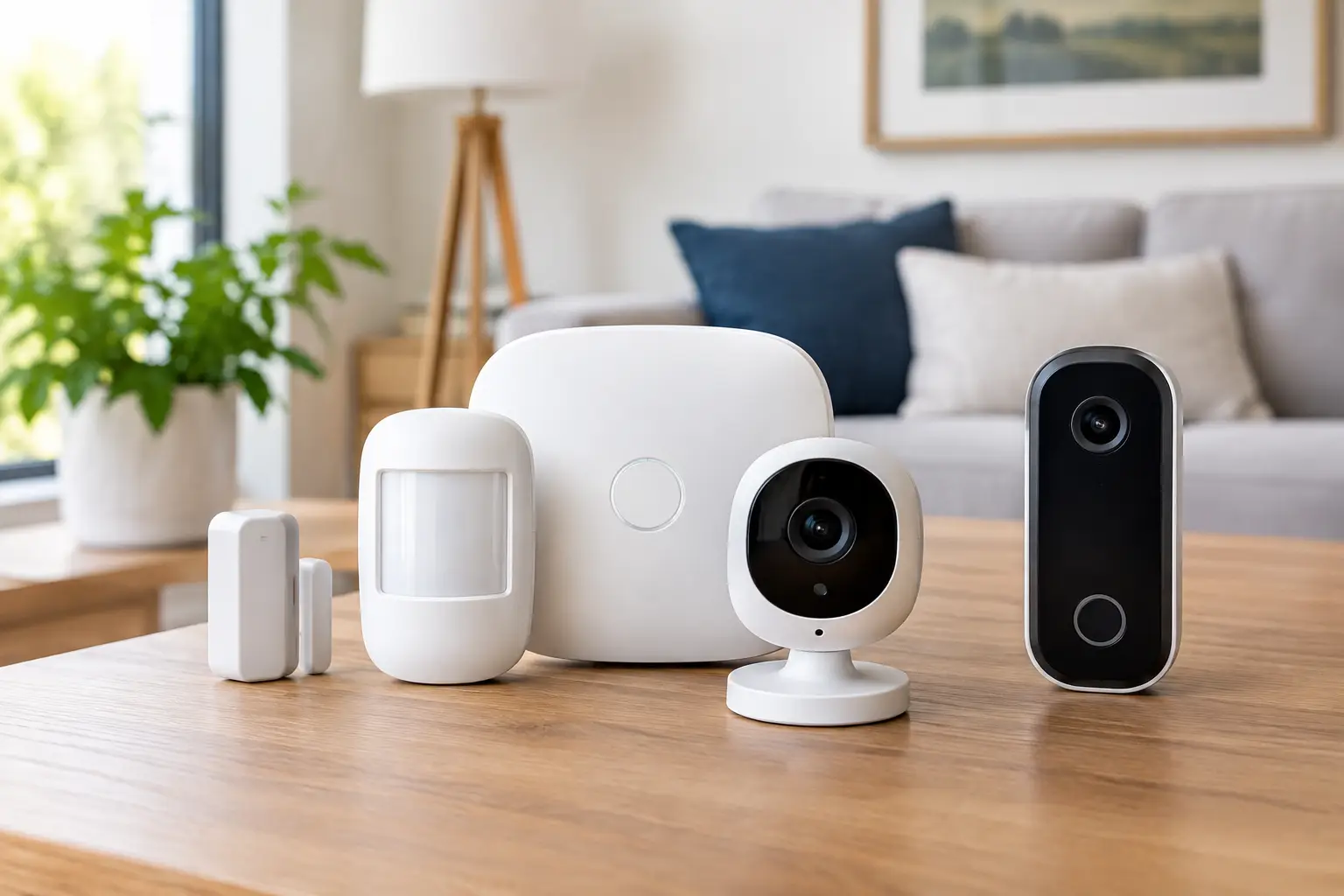
Start with visibility. A video doorbell or front porch camera gives you a live view of deliveries, motion-triggered clips, and mobile alerts when someone approaches your door. This is the baseline because you cannot respond to what you do not know is happening. But visibility alone has limits. If a package is left on the porch for hours, recorded footage may confirm the theft without stopping it.
That is where deterrence and control come in. Smart lighting makes evening drop-offs more visible. Two-way audio can interrupt someone lingering near your door. AI-enhanced detection and video analytics can help distinguish a person approaching your package area from routine background movement. Professional monitoring adds another layer by helping ensure suspicious activity does not go unnoticed when you are busy, traveling, or simply away from your phone.
The strongest setups also reduce how long packages sit exposed. If you can remotely manage entry points, open a garage, or coordinate a safer delivery location in real time, you shrink the window of opportunity for theft. Convenience is not separate from security here – it is part of the strategy.
Build a safer delivery zone at your front door
Most package theft happens because the drop-off spot is easy to access and easy to scan from the street. The goal is to make your front entry less predictable and less exposed.
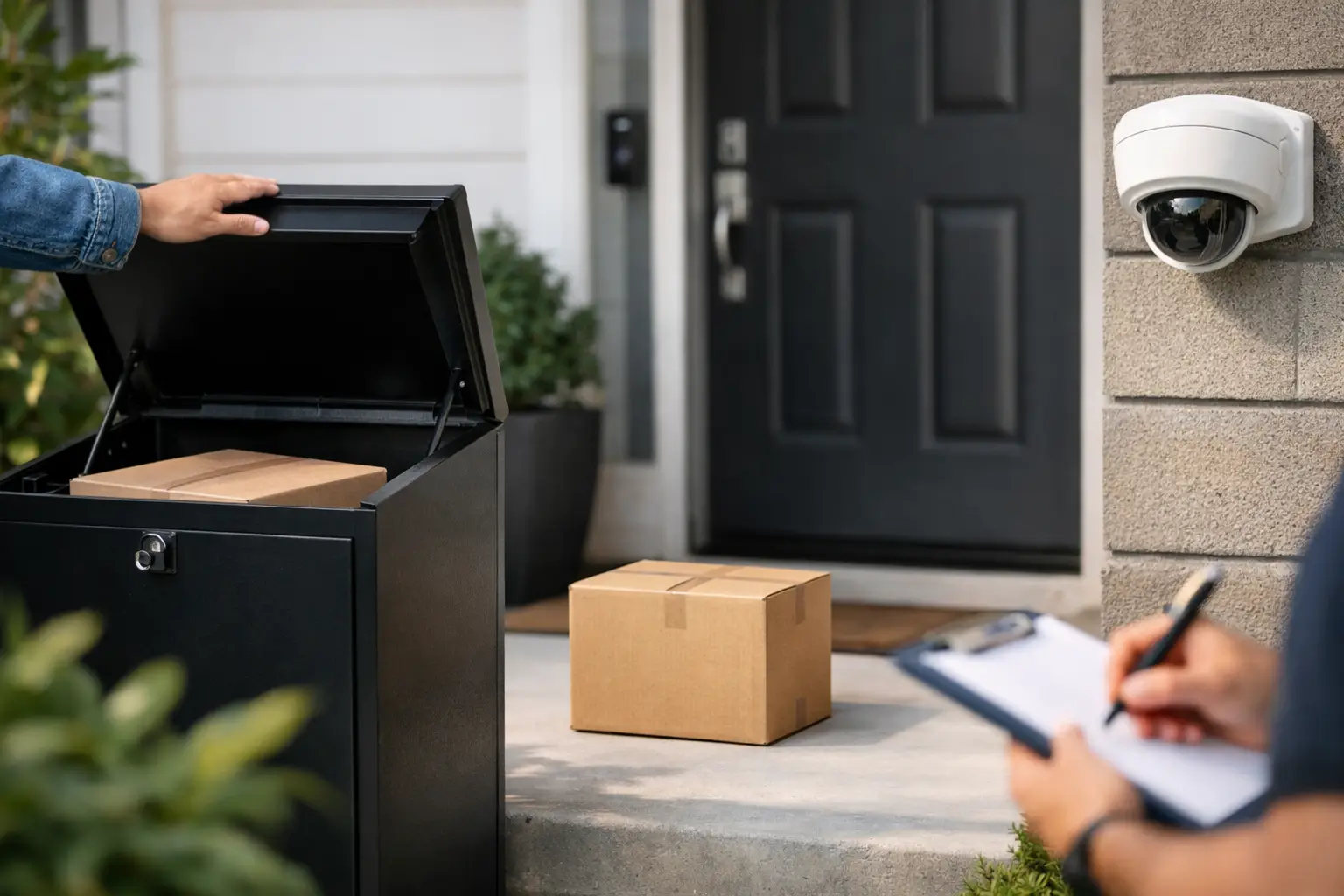
Begin by looking at the area from a delivery driver’s perspective. Where do packages naturally get placed? Is that spot visible from the sidewalk, driveway, or street? If the answer is yes, think about how to create a more discreet drop zone. Even moving deliveries behind a column, planter, bench, or side wall can make a difference, as long as the area remains visible to your camera.
Camera placement matters just as much as camera quality. A doorbell camera can capture face-level activity near the door, while a wider outdoor camera can cover approach paths, package placement, and anyone leaving with a box. One without the other can create blind spots. If your porch is deep, oddly angled, or partially blocked by décor, a professional installation often produces better coverage than a quick DIY placement.
Lighting also deserves more attention than it usually gets. Motion-activated lights signal that activity is being noticed, and they improve video quality after dark. That matters in winter, during short days, and for households where deliveries often arrive in the evening.
Smarter delivery access reduces package exposure
If you want to know how to secure package deliveries beyond the porch, think about access. The safest package is usually the one that never sits outside in the open.
For some homes, that means using a smart lock to let a trusted person bring a package inside. For others, garage access control is the more practical answer. A monitored smart security system can let you verify the delivery, open the garage remotely, and close it once the package is safely inside. That approach is especially useful for families who are at work during the day, travel often, or receive high-value shipments.
There are trade-offs, of course. Remote access should always be tied to clear visibility and strong account security. You want to confirm who is at your property before granting entry, and you want every action logged in your app. Convenience works best when it is paired with accountability.
Not every home layout supports indoor package placement, and not every homeowner wants to allow any type of delivery access. In that case, a secure exterior drop area can still help. The point is not to force one method. It is to choose the level of control that fits your home, your schedule, and your comfort level.
When a video doorbell is enough – and when it is not
A video doorbell is often the first upgrade homeowners make, and for good reason. It provides immediate awareness, two-way talk, and a clear record of delivery activity. For low-traffic neighborhoods or homes where someone is usually around to retrieve packages quickly, that may be enough.
But if deliveries stack up during the day, your porch is highly visible, or package theft is common in your area, a doorbell camera alone may fall short. You may need a wider camera angle, smarter alerts, deterrence features, or integration with locks, lighting, and professional monitoring. The difference is response time. Seeing a theft later is not the same as getting the chance to interrupt it while it is happening.
Use alerts that help you act quickly
Fast awareness is one of the biggest advantages of connected security. If your phone alerts you the moment a package arrives, you can bring it in sooner, ask a neighbor to grab it, or watch the area more closely until you get home.
The key is reducing alert fatigue. Too many generic notifications and people stop paying attention. More refined motion settings, activity zones, and person-based detection can make alerts more useful. You want notifications for the front entry and package area, not every passing car or swaying branch.
This is where integrated systems stand out. When cameras, lights, locks, and monitoring work together in one app, you spend less time managing devices and more time actually protecting the delivery. If motion is detected near a package, you can check the live feed, speak through the camera, turn on lights, or take the next step without bouncing between platforms.
Small habits still matter
Technology is powerful, but habits close the gaps. Delivery timing, package instructions, and pickup speed still influence risk.
If carriers allow notes, ask for packages to be placed in a less visible spot. If a shipment is expensive, schedule it for a day when someone is home. If you are away, consider asking a trusted neighbor to collect the package promptly. None of these steps replace security devices, but they make your system more effective.
It also helps to avoid broadcasting deliveries unnecessarily. Visible stacks of boxes can signal that no one is home or that more valuable items may be inside. During holiday seasons or promotional sales, that risk tends to rise because thieves know more packages are arriving and households are busier.
For repeat delivery problems, think beyond a single device
If you have already dealt with missing packages, adding one camera and hoping for the best is usually not the strongest move. Repeat problems often point to a bigger issue with visibility, exposure, or response.
That is where a professionally designed system can make a real difference. Instead of piecing together isolated devices, you can build coverage around how your property actually works – where packages are dropped, when deliveries tend to arrive, which entry points matter most, and how quickly you want to be notified. Fluent Home takes that consultative approach so homeowners can protect deliveries with smart cameras, access control, automation, and monitoring that work together from day one.
For small business owners, the same thinking applies. If inventory, supplies, or customer shipments are left outside a storefront or office, the risk is not just inconvenience. It can interrupt operations. Cameras, access control, and smart alerts can help create a more secure handoff process without adding unnecessary complexity.
The best package security plan fits your routine
There is no single answer for every household. A family in a quiet cul-de-sac may need a strong doorbell camera and fast alerts. A homeowner on a busy street may need layered cameras, smart lighting, and monitored deterrence. Someone who receives frequent deliveries may benefit most from remote garage access and tighter front-entry automation.
The right question is not which gadget is most popular. It is what makes your home less vulnerable and your response more immediate.
Package protection works best when it feels easy enough to use every day. When your cameras are well placed, your alerts are meaningful, and your entry points are under control, deliveries stop feeling like a risk sitting on your porch and start feeling managed the way they should be.