A false alarm at 2 a.m. does more than interrupt sleep. It creates stress, wastes emergency response time, and can make you less confident in the very system that is supposed to protect your home or business. If you are wondering how to prevent false alarms, the answer usually is not one big fix. It is a combination of better system setup, better daily habits, and the right professional support behind the scenes.
False alarms happen for simple reasons more often than people expect. A door gets opened before the system is disarmed. A motion detector is aimed at the wrong area. A low battery triggers trouble signals. A cleaning crew enters a business outside normal hours. The good news is that most of these issues are preventable when your security system is designed correctly and everyone using it knows what to do.
Why false alarms happen in the first place
Most false alarms are caused by user error, equipment placement, or missed maintenance. That does not mean the system is unreliable. It usually means the system needs to fit the property and the people using it more closely.
In a home, common triggers include rushing out the door and arming the system without checking that all entry points are secure, forgetting the code, or leaving a pet in an area covered by a standard motion sensor. In a small business, false alarms often happen when employee schedules change, opening and closing procedures are inconsistent, or multiple people have different levels of training.
Environmental conditions can also play a role. Drafts from vents, loose doors, insects inside devices, worn contacts, and power issues can all create trouble. With smart security, these problems are easier to identify early, but they still need attention.
How to prevent false alarms with the right system design
The best way to reduce false alarms starts before the system is even used. Proper design and professional installation matter because a security system is only as reliable as the way it is configured.
A well-planned system takes your layout, routines, and risk areas into account. Door and window sensors should be placed securely and tested. Motion detectors should be positioned to avoid high-traffic areas that do not need coverage, direct sunlight, moving curtains, or HVAC airflow. If you have pets, that should be part of the equipment selection from day one.
For businesses, system design should reflect who enters the building, when they enter, and which areas need restricted access. A front office, stock room, and back entrance may all need different rules. The more closely the setup matches real use, the fewer false alarms you are likely to see.
This is one reason professionally installed systems tend to perform better over time than one-size-fits-all DIY setups. Expert installation reduces guesswork and catches problems before they become recurring disruptions.
Train every user, not just the main account holder
Even the most advanced system can produce false alarms if the people using it are not comfortable with it. One of the simplest ways to improve reliability is to make sure every user knows the basics.
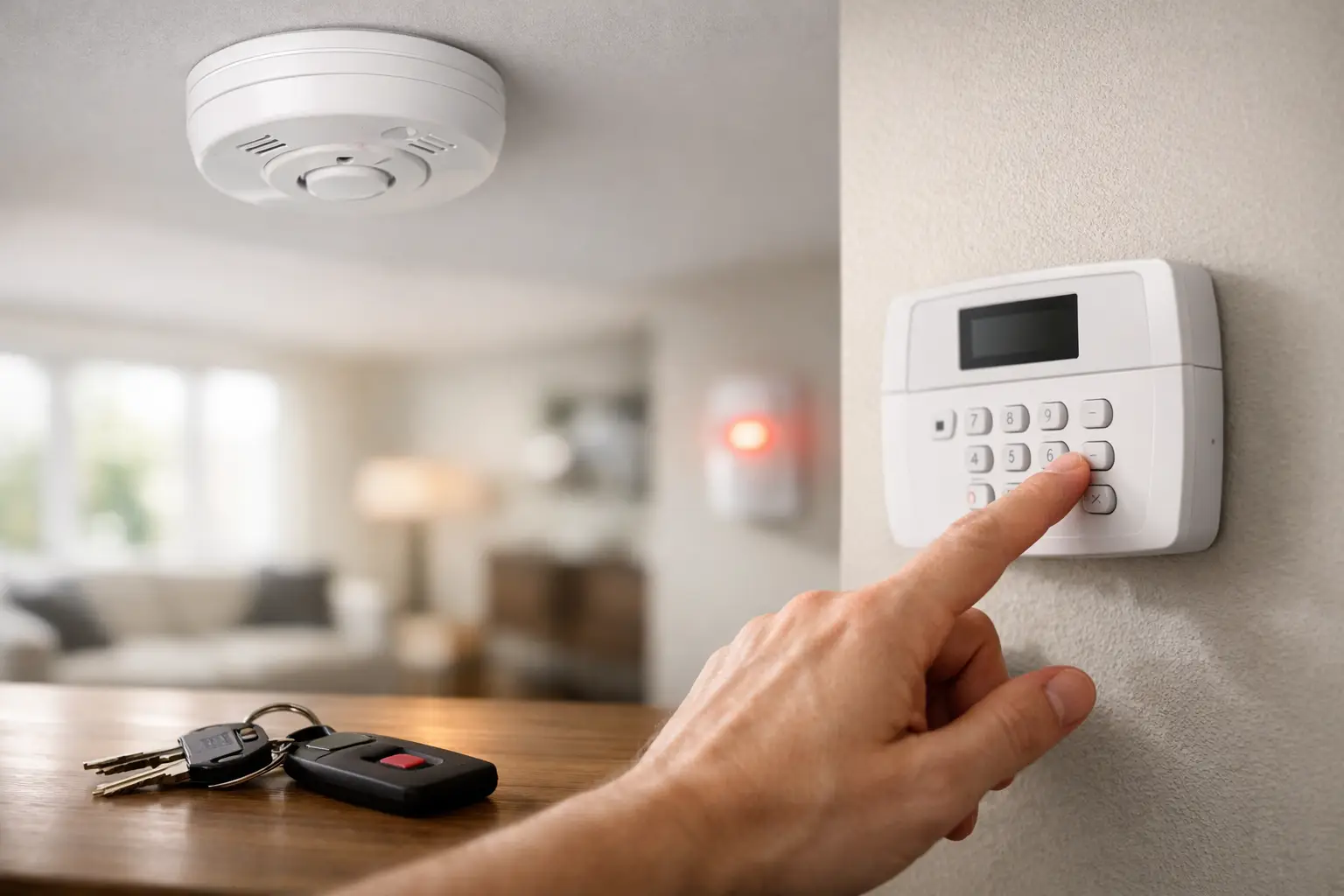
Everyone who arms or disarms the system should know how to do it from the control panel and the mobile app, how much entry delay time they have, what to do if they make a mistake, and how to cancel an accidental alarm if that feature is available. Children old enough to come home alone, frequent visitors, house sitters, and employees with after-hours access should not be left to guess.
This is where consistency matters. If one person arms the system one way and another person uses a different routine, mistakes become more likely. A clear process lowers that risk.
For businesses, this is especially important during staffing changes. New hires, temporary workers, and third-party vendors should not have broad alarm access unless they have been trained. A simple access mistake can trigger repeated alerts and create avoidable headaches.
Build habits that stop accidental alarms
If you want to know how to prevent false alarms in day-to-day life, habits matter as much as hardware. Most accidental alarms happen during transitions, leaving the house, coming home, opening the business, or closing for the night.
Create a short mental checklist before arming the system. Make sure doors and windows are fully closed. Confirm anyone who should stay inside knows the system is about to arm. Keep entry points clear so nobody feels rushed during the delay countdown.
When returning home, disarm first and then unload groceries, pets, or packages. In a business setting, assign alarm responsibilities clearly so there is no confusion about who disarms in the morning and who arms at closing time.
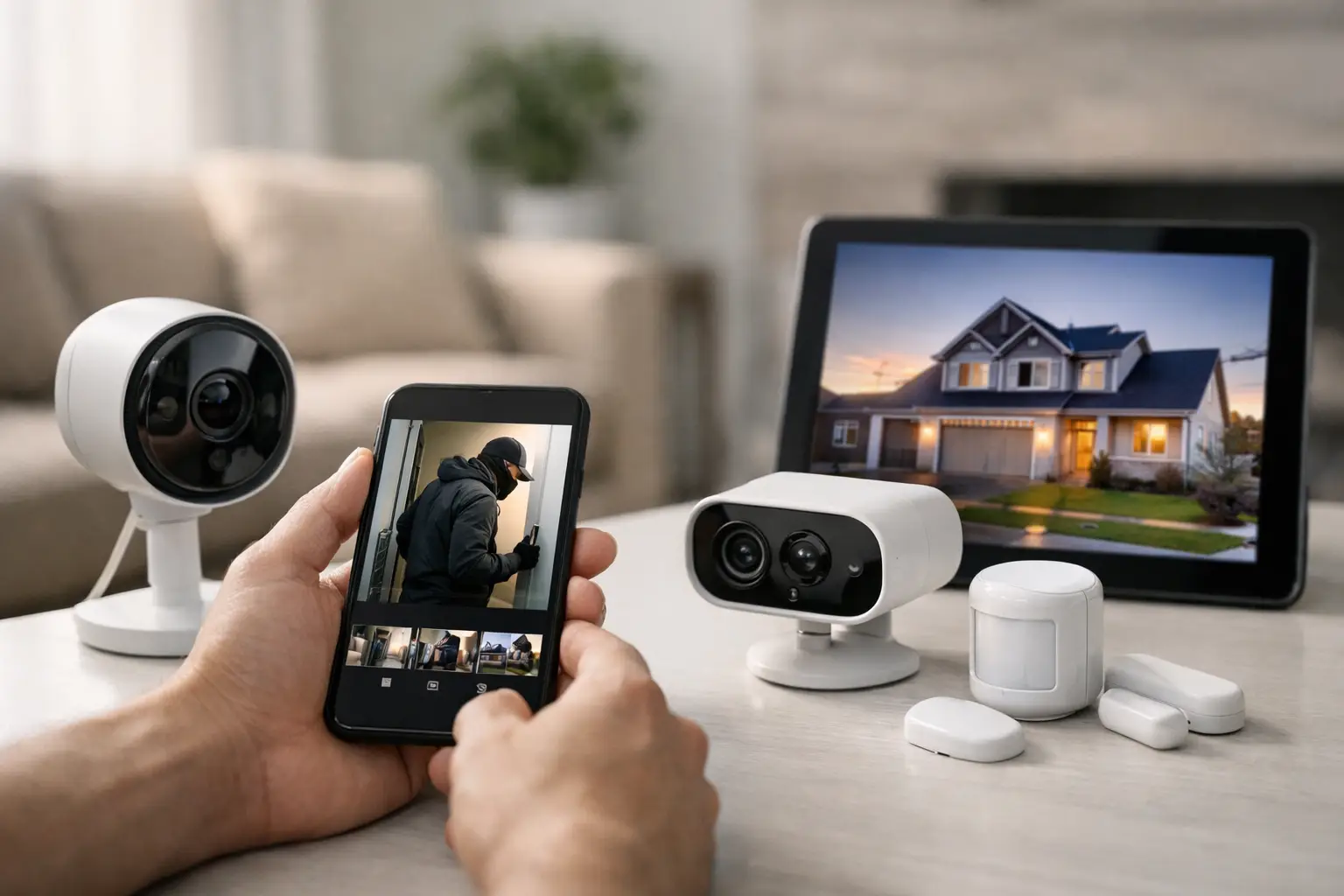
Mobile control helps here because it gives users another way to manage the system quickly and verify status without walking back to the panel. It also helps reduce the common mistake of assuming the system was disarmed when it was not.
Keep devices maintained and up to date
Security systems are not set-it-and-forget-it devices. Batteries wear down. Sensors shift. Connectivity issues develop. A system that worked perfectly a year ago can start producing avoidable alerts if maintenance is ignored.
Check low-battery notifications promptly. Do not wait until a beeping keypad or trouble alert turns into a larger problem. Keep sensors clean and free from dust, debris, or insects. If a door contact feels loose or a camera has shifted, address it early.
Software and firmware updates also matter. Smart security devices rely on current performance settings, app compatibility, and stable communication. If your provider offers remote diagnostics or account support, use it. Small adjustments made early can prevent larger issues later.
Professional monitoring adds another layer of protection because trained teams can often identify patterns in repeat alarms and help troubleshoot the cause. That is especially valuable if you are dealing with multiple users or a larger property.
Use smarter verification to cut down on false dispatches
Not every alarm event should be treated the same way. Smart verification tools can help separate a real threat from a simple mistake.
Video verification is one of the most effective ways to reduce unnecessary dispatches while still responding quickly when something is wrong. If an alarm is triggered and monitoring professionals can verify activity through connected cameras, the response can be more informed and more urgent when needed.
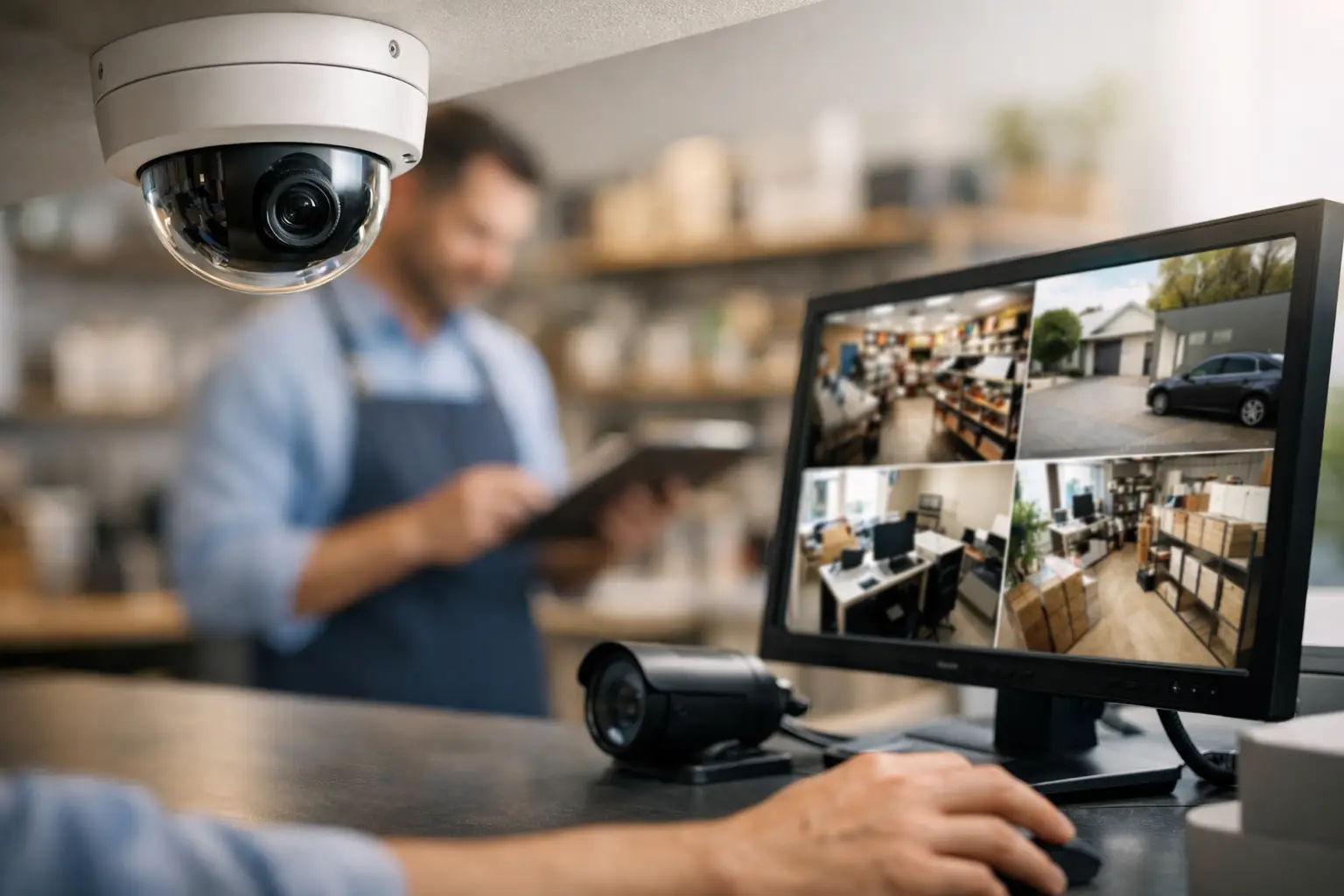
This approach is useful for both homes and small businesses. It gives homeowners more confidence that alerts are meaningful, and it gives business owners better visibility into after-hours activity, employee access, and vendor entry.
AI-enabled analytics can also help by distinguishing between routine motion and unusual activity. That does not mean every property needs every advanced feature. It means the right tools, used correctly, can reduce noise and improve real protection.
Pay attention to pets, deliveries, and service visits
A lot of false alarms come from normal daily activity that was never accounted for. Pets are a classic example. If you have a dog that roams the house or a cat that jumps onto furniture, your system should reflect that. Pet-friendly motion sensors and better detector placement can make a major difference.
Deliveries and service visits are another common issue. If cleaners, dog walkers, contractors, or maintenance teams have access to your home or business, they need a reliable way to enter without triggering the system. That might mean temporary user codes, scheduled disarming, or app-based management.
What matters is control. Shared codes, handwritten instructions, and informal workarounds tend to create confusion. Clear permissions and simple access tools create fewer mistakes.
When repeated false alarms are a sign of a bigger issue
If false alarms happen once, it is usually a user mistake. If they keep happening, it is time to look deeper. Repeated alarms from the same zone may point to a failing sensor, a placement issue, or a wiring problem. Frequent accidental alarms at the same time of day may point to a routine problem rather than an equipment problem.
This is where professional review helps. An experienced security partner can look at event history, test devices, evaluate placement, and recommend adjustments based on how the property is actually being used. In many cases, a few targeted changes solve the problem quickly.
For homeowners and business owners who want protection without daily friction, that support matters. A system should feel dependable, easy to manage, and ready when it counts. That is exactly why companies like Fluent Home focus on professional installation, smart control, and monitoring built to reduce guesswork.
The real goal is not just fewer false alarms. It is more trust in your security system every time you arm it, every time you leave, and every time you need peace of mind.