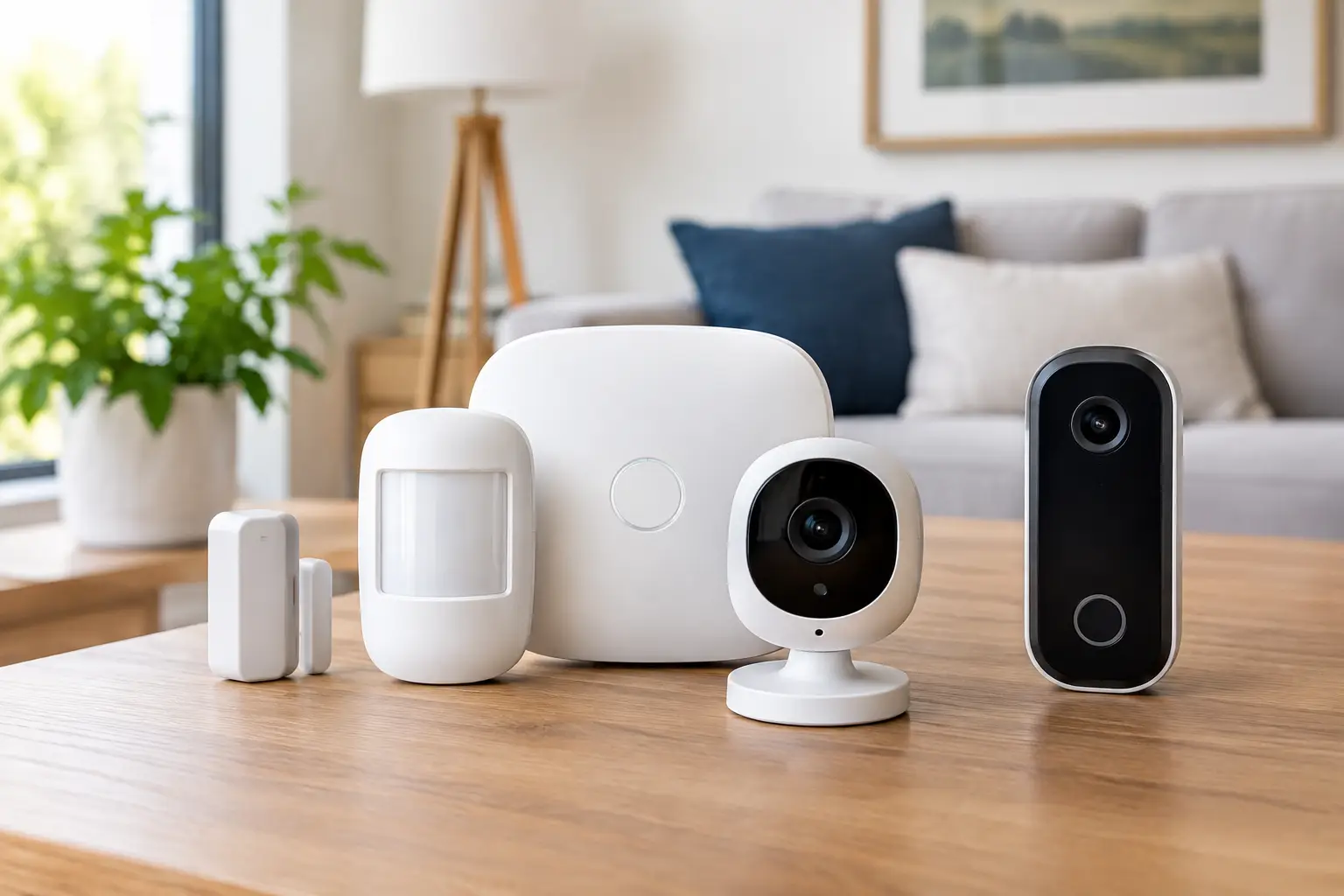
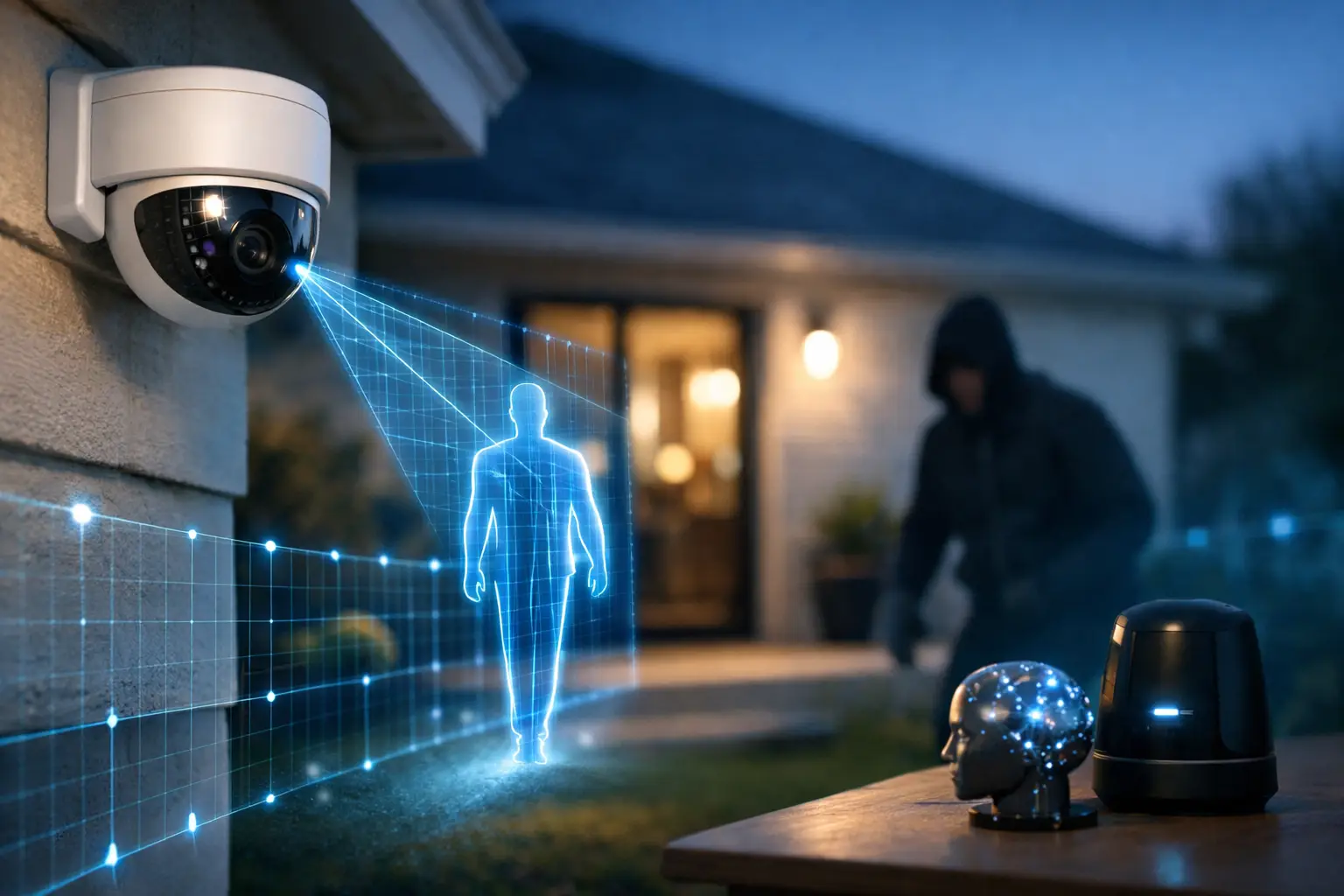
A camera that records a break-in after it happens is useful. A system that spots suspicious behavior, turns on lights, triggers a warning, and gets trained professionals involved before someone reaches the door is a different level of protection.
That is the real promise of ai deterrence home security. It is not just about collecting video. It is about recognizing risk fast enough to change what happens next.
For homeowners, that can mean fewer package thefts, less worry when the house is empty, and better visibility around garages, driveways, and side yards. For small business owners, it can mean catching after-hours activity early and responding before a trespass turns into a loss. The shift is simple but significant – security moves from passive evidence to proactive prevention.
What ai deterrence home security actually means
AI deterrence home security combines smart cameras, video analytics, automation, and professional monitoring to identify events that matter and respond in real time. Instead of treating every motion event the same, the system is designed to tell the difference between routine activity and behavior that deserves attention.
That distinction matters because traditional motion alerts can create fatigue. If your phone lights up all day for blowing branches, passing cars, or a neighborhood cat, the important alerts start to blend in with the noise. AI helps filter those events so the alerts you receive are more relevant and more actionable.
Deterrence is the second half of the equation. Once the system identifies a possible threat, it can trigger visible and audible responses such as lights, sirens, warning messages, or rapid monitoring intervention. The goal is not just to document what happened. The goal is to make a would-be intruder think twice and leave.
Why homeowners are moving beyond basic cameras
Many people start with a simple video doorbell or a few connected cameras. That setup is a good first step, but it often leaves gaps. You may be able to review footage after an incident, but that does not always help you stop one.
The difference with an integrated system is speed and coordination. When cameras, intrusion sensors, smart locks, lighting, and monitoring work together, the response becomes more immediate. A person approaches a restricted area, the camera analytics flag the event, exterior lights come on, a clip is reviewed, and a monitoring team can verify the situation and act based on the type of threat.
For families, this creates a stronger sense of control without adding daily complexity. You are not juggling disconnected apps or trying to interpret every alert on your own. For property owners who travel often or manage second homes, it adds another layer of confidence because activity can be reviewed and addressed even when no one is nearby.
How AI deterrence works in real life
The best way to understand ai deterrence home security is to look at common situations where timing matters.
A package thief walks up the driveway in broad daylight. With a standard camera, you might get a clip after the box is gone. With AI-enhanced deterrence, the system can recognize a person approaching a key zone, send a meaningful alert, and trigger lights or other deterrent actions quickly enough to disrupt the attempt.
Late at night, someone lingers near a side gate or checks car doors in the driveway. Not every person outside is a threat, which is where analytics matter. A better system can evaluate the event based on location, behavior, and time, then escalate when the situation appears suspicious rather than forcing you to review every passing motion event.
For a small business, the same logic applies after hours. If someone moves around a loading area or back entrance where no employee should be present, a smart system can flag the event earlier and support a faster response. That matters because many losses happen in the minutes before a break-in is fully underway.
The core pieces that make the system effective
AI by itself is not enough. It works best as part of a professionally designed security setup where each part supports the others.
Smart cameras are the front line because they provide the visual context. Placement matters just as much as image quality. A camera aimed at the wrong angle will miss the moments that count, no matter how advanced the software is.
Video analytics help sort meaningful activity from routine movement. This is what allows the system to focus on people, vehicles, and specific motion patterns instead of treating every event equally.
Deterrence tools create the visible response. Depending on the setup, that may include floodlights, sirens, mobile alerts, or automated rules tied to suspicious activity. These features matter because many criminals prefer easy opportunities. If a property looks aware and responsive, they often move on.
24/7 professional monitoring adds the human layer that many self-monitored systems lack. AI can help identify events, but trained monitoring professionals are still essential when decisions need to be made quickly. Verification and response are where a lot of the real value shows up.
A smart control panel and mobile app tie everything together. That gives homeowners and business owners one place to arm the system, review video, lock doors, manage users, and stay informed without piecing together separate platforms.
Where AI deterrence helps most
Not every property has the same risk profile, which is why customization matters.
For single-family homes, the biggest opportunities are usually front entryways, porches, garages, backyards, and first-floor access points. These are the areas where package theft, trespassing, and attempted entry often begin.
For larger homes or homes with detached garages, wider coverage becomes important. Long driveways, side yards, and secondary doors can create blind spots that simple camera kits often miss.
For small businesses, entry doors, back entrances, stock areas, offices, and parking lots are common priority zones. Access control can add another layer by limiting who can enter and when, while cameras and analytics help verify unusual activity around those areas.
This is one reason professional installation matters. The technology can be powerful, but results depend on how the system is designed for the property. A custom setup usually performs better than a one-size-fits-all package because it aligns the equipment with real vulnerabilities.
Trade-offs to understand before you choose a system
AI deterrence is a strong upgrade, but it is still worth asking the right questions.
First, no system eliminates every false alert. Good analytics reduce noise, but weather, shadows, traffic patterns, pets, and busy streets can still affect performance depending on camera placement and sensitivity settings. The best systems improve over basic motion detection, not replace common sense.
Second, deterrence works best when the response is well matched to the environment. A bright floodlight and audible warning may be ideal for a rear driveway but less appropriate in a dense neighborhood where frequent late-night activity is normal. This is another reason a custom consultation helps.
Third, self-monitoring and professional monitoring are not the same experience. If your goal is full-time oversight and faster intervention, monitored service generally offers better protection. If your goal is only occasional remote visibility, a lighter setup might be enough. It depends on how much risk you want the system to absorb for you.
What to look for in an ai deterrence home security provider
Start with integration. The system should bring together cameras, intrusion detection, environmental protection, smart automation, and mobile control in one platform. That creates a better day-to-day experience and a more coordinated response when something happens.
Next, look for professional installation and system design. AI features are only as useful as the equipment placement, coverage zones, and automation rules behind them. A provider that evaluates your property and builds around your needs will usually deliver a stronger result than a generic kit.
Monitoring should also be part of the conversation. If the provider offers video verification and trained support around the clock, that is a meaningful advantage. It can reduce uncertainty during alarms and help move from alerting to action.
Finally, pay attention to ease of use. Advanced security should not feel complicated. You should be able to check cameras, arm or disarm the system, manage locks, and receive useful alerts from one app without a learning curve.
For homeowners and business owners who want that kind of turnkey experience, Fluent Home brings together professional installation, AI-enhanced deterrence, smart automation, and 24/7 monitoring in one customized system.
Why this matters now
Most property crime is opportunistic. People look for easy targets, poor visibility, delayed responses, and signs that no one is paying attention. That is why ai deterrence home security stands out. It changes what your property communicates.
Instead of appearing passive, your home or business can look aware, connected, and ready to respond. That alone can discourage some threats. When paired with monitoring and smart automation, it also improves your ability to react when something does happen.
Security does not need to be complicated to be effective. It needs to be designed well, easy to use, and ready before the moment you need it. If your current setup only helps after the fact, this may be the right time to look at protection that does more than record.