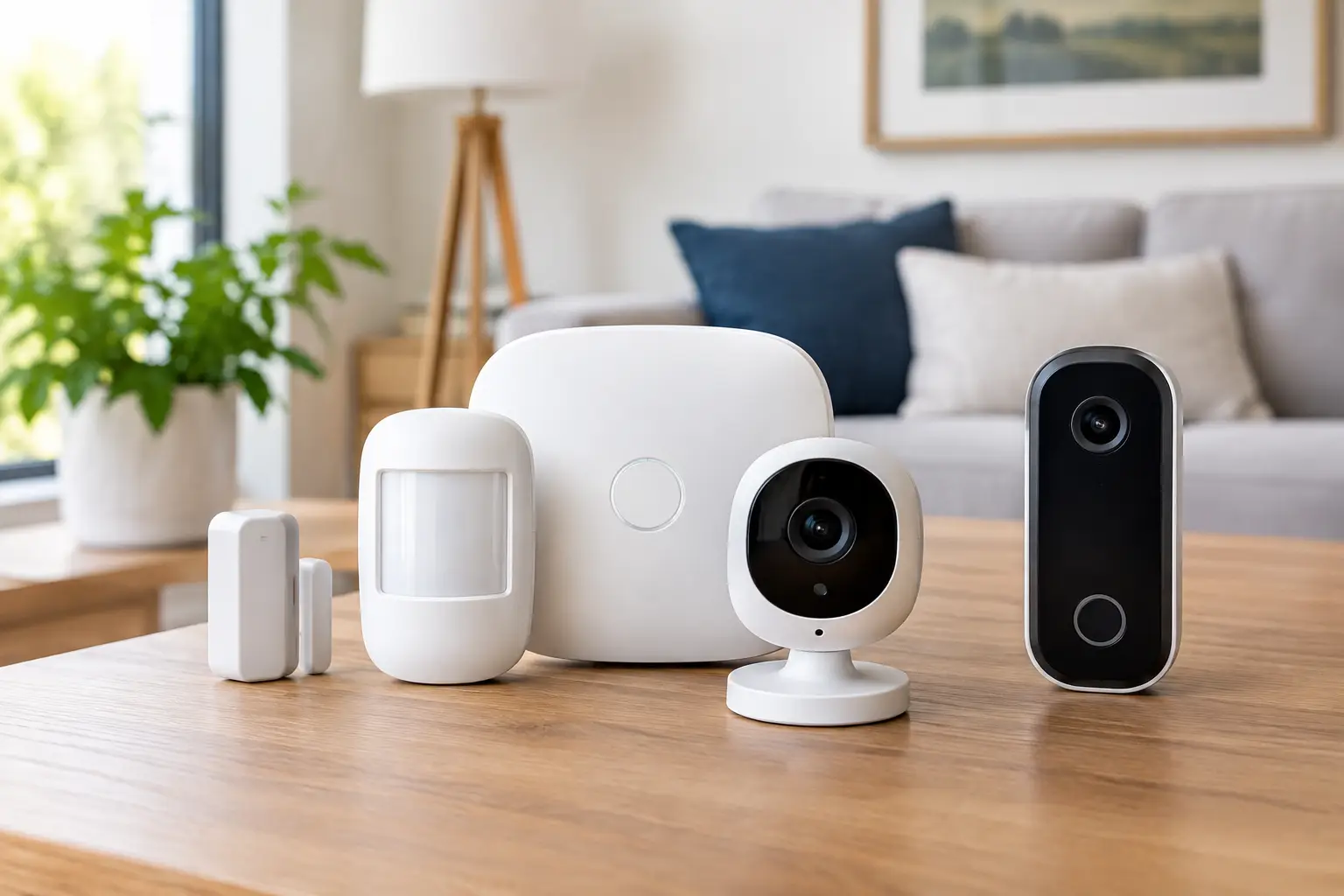

If you’re comparing security options and wondering, do alarm systems lower insurance, the short answer is yes – sometimes. Many home insurance carriers offer discounts for certain security features, but the size of the savings depends on the system, the monitoring, and the insurer’s own underwriting rules. A basic alarm may help a little. A professionally installed, professionally monitored system usually carries more weight.
That distinction matters because insurance companies are not rewarding gadgets for their own sake. They are looking at risk. If your system reduces the chance of a costly claim or helps limit damage when something goes wrong, it is more likely to qualify for a discount.
Do alarm systems lower insurance for every home?
Not automatically. Some insurers offer a small discount for any verified burglary alarm, while others reserve better discounts for systems that include 24/7 professional monitoring, fire protection, or environmental sensors. A few carriers may offer no meaningful discount at all in certain markets.
Your ZIP code, claim history, home value, and policy type all affect the equation. In a high-risk area, an insurer may view monitored security as more valuable. In another market, the same system might make only a modest difference to the premium. That is why two homeowners with similar equipment can get different results.
For most households, the real answer is this: an alarm system can lower insurance, but it should not be the only reason you buy one. The bigger value is the protection itself – stopping a break-in, catching smoke early, detecting a water leak before it turns into a major repair, and giving you immediate visibility into your property.
What kinds of alarm systems are most likely to earn a discount?
Insurance carriers usually care less about brand names and more about how the system is built and monitored. A local siren on its own may offer limited credit because it makes noise but does not guarantee a response. Professionally monitored systems tend to be viewed more favorably because there is a documented chain of action when an alarm event occurs.
A monitored intrusion system is often the starting point. If doors or windows are breached, the monitoring center can verify the signal and help trigger the right response. For insurers, that may reduce the severity of a loss or improve the odds of intervention before more damage occurs.
Fire and life-safety devices can matter just as much, and sometimes more. Smoke detectors connected to a monitored system, carbon monoxide detection, and flood sensors may support additional discounts because they address events that lead to expensive claims. Water damage, in particular, is a major insurance cost. A system that detects a leak quickly – or even shuts off water with a smart valve – can be valuable well beyond any premium reduction.
Video surveillance and smart home automation may also strengthen your overall risk profile, though insurers vary on how they treat those features. Cameras deter crime, help document incidents, and improve property awareness. Smart locks, remote access, and app-based control help you secure the property consistently. Even when these features do not create a separate line-item discount, they can improve the practical effectiveness of the system.
Why professional monitoring usually matters most
When homeowners ask whether do alarm systems lower insurance, what they are really asking is whether their security setup looks credible to an insurer. Professional monitoring often becomes the deciding factor.
From an insurance standpoint, monitored security is more dependable than a self-managed alert sent only to your phone. If you miss a notification while traveling, sleeping, or in a meeting, the event still unfolds. With 24/7 monitoring, trained professionals can respond according to the type of alarm, the verification available, and local protocols.
That is one reason professionally installed systems tend to carry more weight than DIY setups. Installation quality affects sensor placement, device reliability, communication pathways, and coverage gaps. A system designed around the actual layout of the property is more likely to perform the way it should in a real emergency.
For homeowners and small business owners, that difference shows up in daily life too. A professionally managed system is simpler to live with. You get one integrated setup for intrusion, video, fire, carbon monoxide, and smart controls instead of trying to piece together separate devices and hope they work well together.
How much can you save?
There is no universal number, and anyone who gives one without qualifiers is oversimplifying it. Some policyholders may see only a small percentage off the premium. Others may qualify for a larger discount if the system includes monitored burglary protection plus monitored smoke, carbon monoxide, and water detection.
In many cases, the insurance savings alone will not fully offset the cost of the system and monitoring. That is a realistic trade-off. Security should be measured first by what it helps prevent: break-ins, property loss, false confidence from underpowered equipment, and costly damage that spreads while no one is home.
If your goal is purely financial, think bigger than the premium. Preventing one theft, one kitchen fire from spreading, or one hidden plumbing leak from damaging floors and drywall can make the system worthwhile fast. Insurance may help after the fact, but avoiding the event in the first place is the stronger outcome.
What to ask your insurer before you buy
Before choosing a system, call your insurance provider and ask a few specific questions. Ask whether they offer discounts for burglary alarms, monitored systems, monitored smoke or carbon monoxide detection, water leak detection, or smart shutoff devices. Then ask what proof they require.
Some insurers want a certificate of monitoring. Others may ask whether the system was professionally installed, whether it reports to a central station, or whether fire devices are integrated into the same platform. It is better to verify those details in advance than assume every alarm package qualifies the same way.
You should also ask whether the discount applies only to homeowners insurance or to landlord, condo, or small business policies as well. Commercial property insurers can have different standards, especially if access control, video surveillance, and after-hours activity monitoring are involved.
Do alarm systems lower insurance enough to justify upgrading?
Sometimes yes, but the better question is whether your current protection matches your actual risk. If your home only has a standalone siren and a couple of battery-powered sensors, upgrading to a professionally installed smart security system can improve both protection and convenience. The insurance discount becomes an added benefit, not the sole payoff.
For example, a homeowner who travels often may benefit from mobile app control, smart locks, video doorbells, and real-time alerts. A family with kids coming and going may value remote arming, door notifications, and indoor or outdoor cameras. A small business owner may need intrusion detection, video verification, and access control to protect inventory and monitor after-hours activity.
These are not cosmetic upgrades. They change how quickly you can spot problems, how confidently you can respond, and how much support you have when something goes wrong.
The strongest case for a modern security system
The best security systems do more than sound an alarm. They help prevent incidents, verify what is happening, and support faster action. That can include smart deterrence, analytics that distinguish meaningful motion from background activity, integrated cameras, environmental safety devices, and 24/7 monitoring that does not stop when you are unavailable.
This is where a consultation-led approach makes a difference. Instead of buying a one-size-fits-all package, you can build around the property and your priorities. A family focused on package theft may emphasize video doorbells and exterior cameras. A homeowner worried about water damage may prioritize leak sensors and automatic shutoff. A business may need a stronger mix of surveillance and access control.
Fluent Home is built around that kind of customized protection – professionally installed systems that combine security, smart control, and continuous monitoring in one easy-to-manage platform. For many customers, that level of coverage is what turns a possible discount into a smarter overall investment.
Insurance savings are helpful. Peace of mind is better. If you’re evaluating alarm systems, choose the setup that protects your property the way you actually live and work, then let the insurance discount be the extra value on top.