A front door camera helps with package theft. A smoke detector helps with fire. A smart lock helps when your kids forget their keys. But real protection starts when those pieces work together. That is why custom home security packages make more sense than one-size-fits-all systems for most homeowners.
If your home has multiple entry points, frequent deliveries, pets, kids coming and going, or a detached garage, your security needs are already specific. The right system should reflect that. Instead of paying for devices you do not need or missing coverage where it matters most, a custom package lets you build around your layout, routines, and priorities.
Why custom home security packages work better
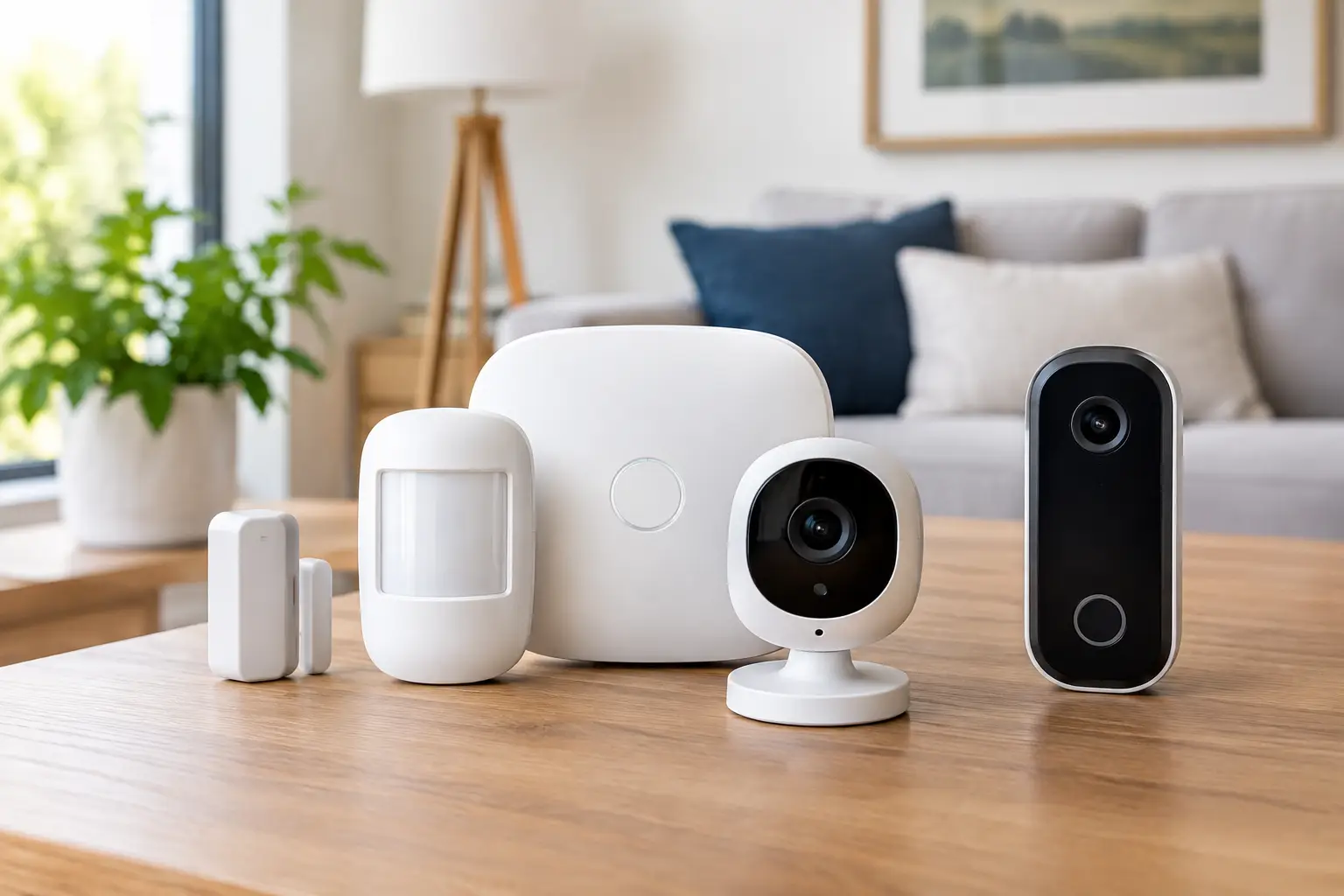
A basic security kit can cover the minimum. It usually includes a control panel, a few door or window sensors, and maybe one camera. That may be enough for a small apartment or a simple entry setup. It is often not enough for a family home, a larger property, or a household that wants more than break-in alerts.
Custom home security packages are designed around how you actually live. If your biggest concern is package theft, a doorbell camera and mobile alerts may matter more than extra indoor sensors. If you travel often, remote arming, smart locks, video verification, and environmental monitoring become more valuable. If you have a finished basement or a laundry room on the lower level, flood detection may be just as important as intrusion protection.
The advantage is not just better coverage. It is better fit. A well-designed system cuts down on blind spots, reduces false assumptions, and makes daily use easier. When the system matches your habits, you are more likely to use it consistently.
What should be in a custom home security package?
The answer depends on the home, but most strong packages start with a professionally installed control panel, entry sensors, motion detection, and 24/7 monitoring. That foundation handles core intrusion protection and gives you a central place to manage the system.
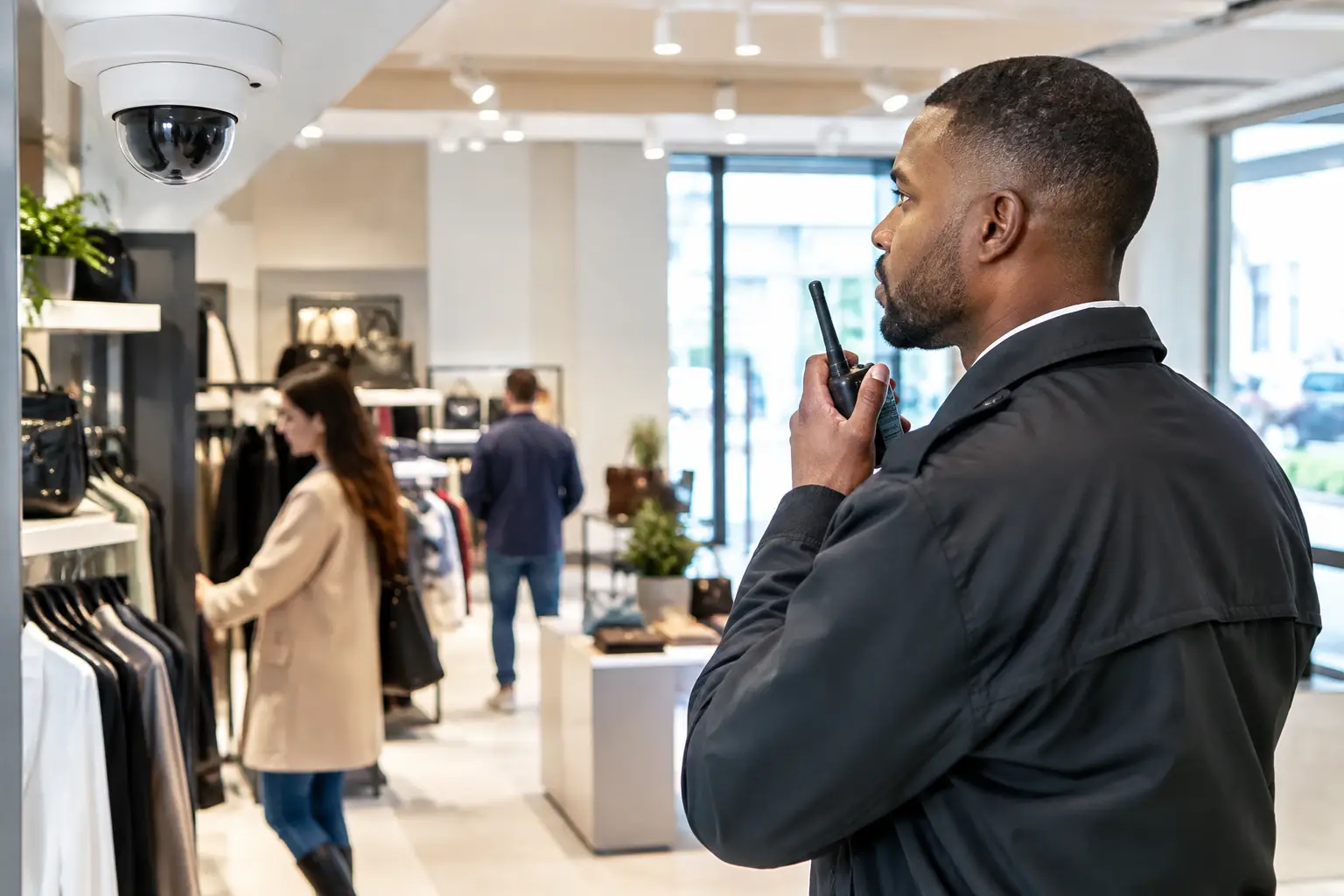
From there, the right add-ons depend on risk, layout, and convenience goals. Cameras are often the next priority. A video doorbell helps with front porch activity, while outdoor cameras cover driveways, side gates, and backyard access points. Indoor cameras can be useful in main living areas, entry halls, or homes where you want visibility while away.
Smart locks are another common upgrade because they solve everyday problems while improving security. You can lock up remotely, create codes for family or service providers, and avoid the usual spare-key issues. Garage door control adds another layer, especially for homes where the garage is a primary entry point.
Environmental devices are where customization becomes even more valuable. Smoke detectors, carbon monoxide detection, flood sensors, and automatic water shutoff controls are not always included in standard packages, but they can prevent some of the most expensive and dangerous household emergencies. For many homeowners, these devices deliver just as much peace of mind as burglary protection.
Security should match your property, not a preset box
A two-story suburban home does not need the same setup as a condo, a rural property, or a townhouse with a rear alley entrance. That sounds obvious, but many off-the-shelf systems still treat every home the same.
For example, a home with sliding glass doors may need glass-break detection or added perimeter coverage near the backyard. A property with long sight lines may benefit from outdoor cameras with better range and motion-based deterrence. A home with frequent visitors, dog walkers, cleaners, or deliveries may put more value on smart locks, app access, and recorded video clips.
There is also a budget trade-off. Going custom does not always mean spending more. In many cases, it means spending smarter. You avoid overbuying low-priority equipment and invest where your home is most exposed. A good package is not the biggest package. It is the one that closes the right gaps.
Professional installation changes the outcome
This is where many homeowners see the biggest difference between a custom solution and a DIY setup. Devices can look simple in a product photo. Placement, signal strength, camera angles, and sensor coverage are where systems either perform well or fall short.
Professional installation helps ensure each device is placed for real-world use, not just convenience. A motion sensor should account for traffic flow and pet activity. A camera should capture faces and key approach paths, not just a wide but useless angle. A doorbell camera should be positioned for both package visibility and visitor detection.
Just as important, professional setup keeps the system easy to use. The goal is not to create a complicated control center. It is to make security feel natural – arm the system, check live video, unlock the door, get alerts, and know someone is monitoring when it matters.
The value of integrated protection
One of the strongest reasons to choose custom home security packages is integration. When devices work together through one platform, you get more than a collection of gadgets.
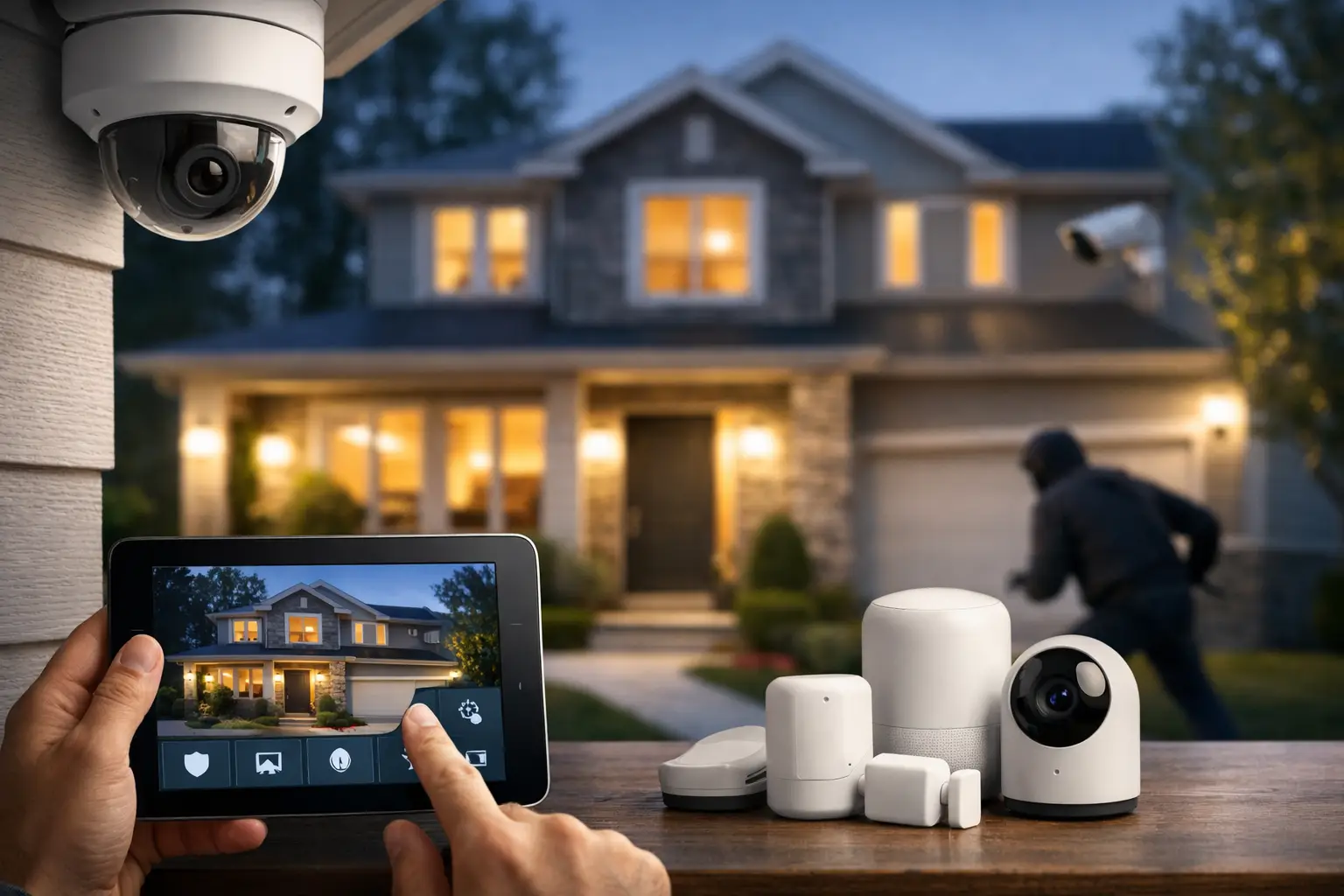
If a door sensor is triggered, the system can prompt a camera recording and send an alert. If smoke or carbon monoxide is detected, monitoring can respond quickly while you receive mobile notifications. If someone approaches your property at night, AI-enhanced deterrence and video analytics can help identify activity sooner and create a more proactive response.
That integrated approach matters because emergencies rarely happen in neat categories. A break-in risk, a water leak, or an unattended garage door all affect the same home. Managing them from one app with one professional support structure is simpler and more effective than juggling separate products.
Custom packages for families, travelers, and busy households
Different households use security differently. Families often want a system that supports daily movement without adding friction. That might mean disarm schedules, user-specific access codes, alerts when kids get home, and video coverage at the front door.
Frequent travelers usually care more about remote visibility and monitored response. They want to see what is happening, control the system from anywhere, and know that someone is watching when they cannot. In that case, video surveillance, smart locks, outdoor detection, and environmental alerts often move to the top of the list.
Busy households may focus on convenience as much as security. A system that combines automation with protection can save time every day. Lock the door from the app, check whether the garage is open, adjust lights, and confirm a delivery arrived without switching between multiple platforms.
How to choose the right custom home security package
Start with your priorities, not the equipment list. Ask what concerns you most. Break-ins, package theft, fire, flood damage, child access, or simply wanting to stop wondering whether you locked up. Your answers should shape the package.
Next, think in zones. Front entry, back entry, first-floor windows, garage access, upstairs sleeping areas, basement, and outdoor perimeter all present different needs. A strong package covers those zones based on actual risk, not assumptions.
Then consider how involved you want to be. Some homeowners want a professionally managed system that works with minimal effort. Others want more automation and visibility. Neither approach is wrong, but the system should support your comfort level.
It also helps to think beyond today. If you plan to add cameras later, connect smart thermostats, or expand into more home automation, choose a package that can grow with you. Modular systems offer better long-term value than setups that need to be replaced when your needs change.
Why monitoring still matters
Mobile alerts are useful, but they are not a replacement for professional monitoring. If you are asleep, in a meeting, on a flight, or simply miss a notification, an alert alone does not solve the problem.
Professional monitoring adds a response layer when timing matters most. With the right setup, monitoring can work alongside video verification and smart alerts to help confirm incidents faster and improve response. That creates more confidence than a system that only sends messages to your phone.
For many homeowners, this is the part that turns a smart system into real protection. Technology helps you stay connected. Monitoring helps ensure someone acts when you cannot.
A better package feels simpler, not bigger
The best security system is not the one with the longest feature list. It is the one that covers the way you live, protects the areas that matter, and stays easy to use every day.
That is the real value of customization. You get a system built around your home instead of forcing your home to fit a preset bundle. With professional installation, integrated smart devices, and 24/7 monitoring, the result is practical protection you can trust.
If you are comparing options, focus on fit over flash. A custom quote from a provider like Fluent Home can help you see what your property actually needs and where a standard package may fall short. Peace of mind usually starts with a better plan, not just more equipment.
The right system should make you feel more in control the moment it is installed – not more complicated, not more dependent on guesswork, just better protected where it counts.