A security system matters most when no one is watching the screen, checking the app, or standing near the keypad. That is exactly where 24 7 alarm monitoring earns its value. It keeps your home or business connected to trained professionals who can respond when a sensor trips, a fire alarm sounds, or a flood detector catches a problem before it turns into major damage.
For many property owners, the real question is not whether alarms are useful. It is whether a notification-only setup is enough. If your phone is on silent, you are in a meeting, you are asleep, or you are out of town, an alert by itself may not move help any closer. Monitoring fills that gap.
What 24 7 alarm monitoring really does
At a basic level, monitored security means your system is connected to a professional monitoring center around the clock. When a device detects a threat, the signal does not stop at your phone. It is sent for review so the right next step can happen quickly.
That can include contacting you, verifying the event, dispatching emergency responders, or escalating based on the type of alarm. Intrusion, fire, carbon monoxide, and flood events do not all follow the same path, and they should not. A well-designed monitored system treats each one with the urgency and process it requires.
This matters because emergencies rarely happen at convenient times. Break-ins often happen when people are away. Smoke and carbon monoxide can spread while families are sleeping. Water damage can build for hours before anyone notices. A professionally monitored system is built for those moments when fast action matters most.
Why app alerts alone are not the same thing
Mobile alerts are useful. They let you check cameras, arm your system remotely, and stay connected to your property from almost anywhere. But alerts are a tool, not a response plan.
If you are the only person responsible for every notification, you are also the only point of failure. Miss one alert during a flight, while driving, or overnight, and the delay can be costly. For homeowners, that may mean more damage and more stress. For small business owners, it can mean lost inventory, interrupted operations, and a larger recovery problem the next morning.
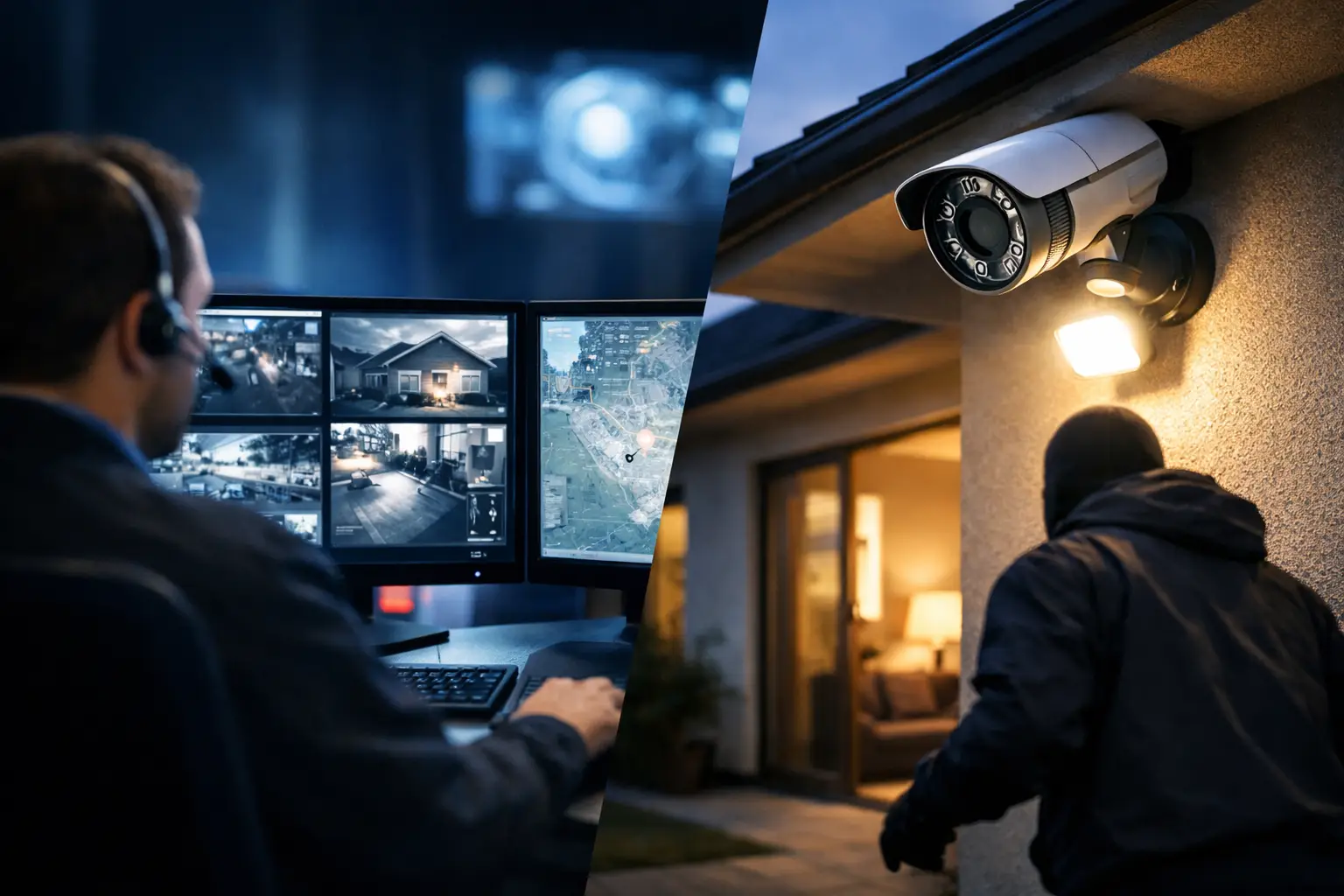
24 7 alarm monitoring adds a human layer to your security. Instead of hoping you see the alert in time, you have a team ready to act.
Where 24 7 alarm monitoring makes the biggest difference
The biggest advantage of monitoring is not just burglary response. It is broad protection across the events that create real financial and personal risk.
Intrusion and break-in events
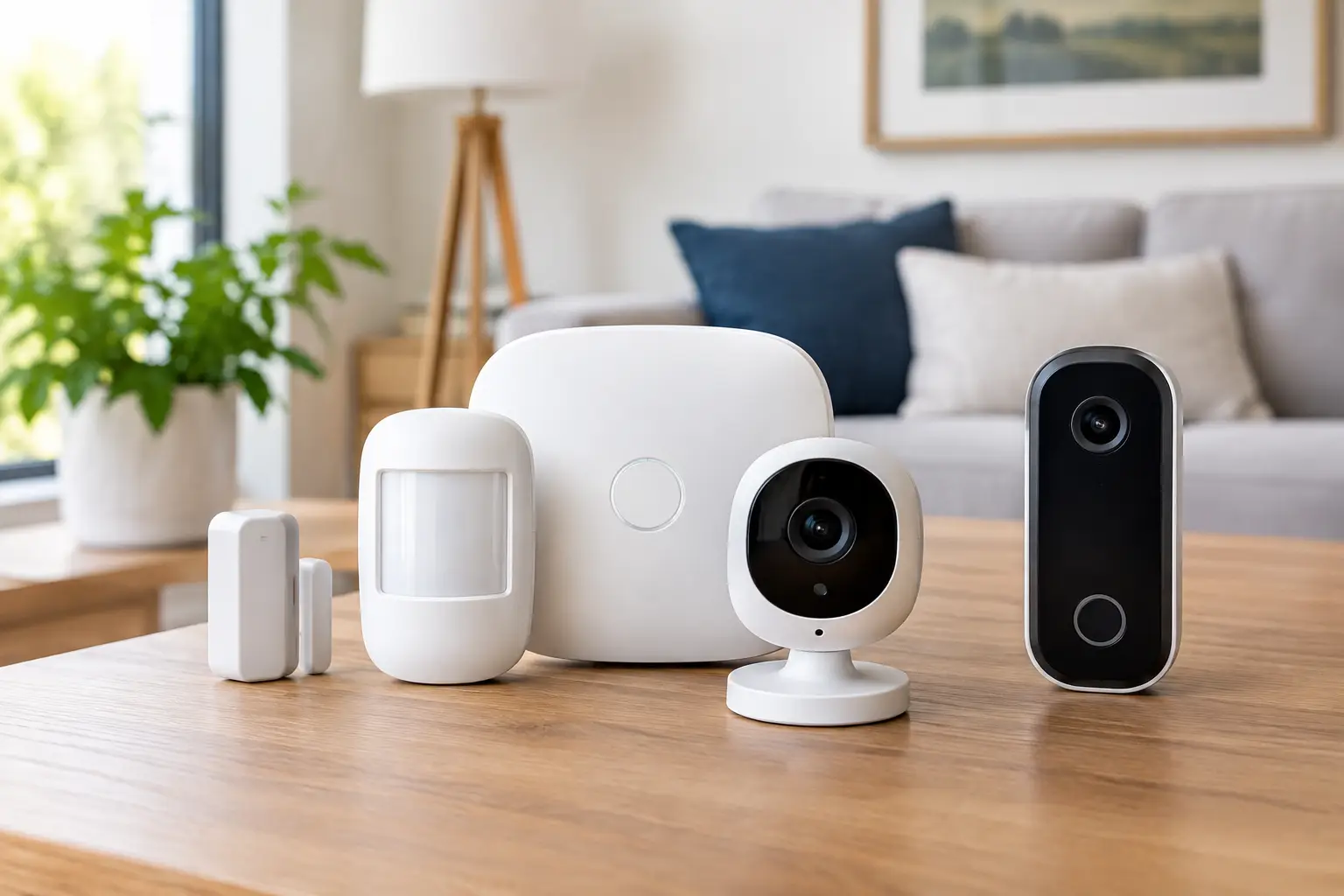
Door and window sensors, motion detectors, glass break sensors, and outdoor cameras can work together to identify unauthorized entry. When monitoring is paired with modern video tools, there is more context behind the alarm and a stronger path to faster action.
That is especially valuable for families who travel, households with older children coming and going, and small businesses that close for the night with nobody onsite.
Fire and carbon monoxide emergencies
These are the events where speed matters in minutes, not hours. A monitored smoke or carbon monoxide detector can trigger a response even if no one is home or if occupants are asleep and unable to call for help.
A standalone detector can sound an alarm. A monitored safety device can help move the event toward emergency response.
Floods and water damage
Water is one of the most expensive threats many property owners face, and it often starts quietly. A leak near a water heater, laundry room, sump area, or under a sink can do serious damage before anyone sees it.
With flood detection tied into monitoring and smart controls such as automated water shutoff, the system can do more than report a problem. It can help limit the size of it.
The difference between passive monitoring and proactive protection
Not all monitoring is equal. Some systems simply wait for a sensor trip and pass along the alert. More advanced setups can do more, especially when cameras, analytics, and deterrence tools are part of the system design.
For example, video verification can help confirm whether an alarm event appears legitimate. That context can improve response quality and reduce wasted time around false alarms. AI-enhanced video analytics can also identify activity patterns and trigger smarter notifications instead of forcing you to sort through every motion event yourself.
This is where professionally installed systems stand apart from many off-the-shelf options. The devices are selected to work together, the placement is planned for real coverage, and the monitoring strategy is part of the design instead of an afterthought.
What homeowners should look for in a monitored system
The best setup depends on the property, daily routines, and the risks you care about most. A family in a suburban single-family home may want strong perimeter protection, package monitoring, indoor safety devices, and app-based control for locks, garage doors, lighting, and thermostats. A condo owner may focus more on entry points, video, and environmental sensors.
The key is to think beyond the panel on the wall. Good 24 7 alarm monitoring works best when it is tied to a complete system that includes intrusion protection, cameras, smart automation, and life-safety devices.
Professional installation also matters more than many buyers expect. Sensor placement, camera angles, signal reliability, and user setup all affect performance. A system that is easy to use every day is more likely to stay armed and actually protect the property when it needs to.
What small business owners should look for
For small businesses, monitoring is often about more than after-hours break-ins. It can support opening and closing accountability, restricted areas, video coverage, and awareness across multiple risk points.
A restaurant, retail store, office, or service business may need intrusion detection, indoor and outdoor cameras, access control, and alerts tied to unusual activity outside business hours. If the owner is managing staff, inventory, and customers all at once, it helps to have one connected system rather than a mix of disconnected tools.
This is another case where customization matters. A business does not need an oversized enterprise platform to get meaningful protection. It needs a system designed for its layout, schedule, and exposure.
Common trade-offs to consider
Monitoring is not a one-size-fits-all service, and it helps to be honest about priorities.
A self-monitored setup may cost less upfront, but it puts more responsibility on you when something happens. That trade-off can make sense for some people, especially in low-risk situations, but many homeowners and business owners eventually decide the savings are not worth the gap in response.
On the other hand, professional monitoring usually comes with ongoing service costs. The value is in consistent oversight, trained response, and a system built to do more than send alerts. If you are comparing options, look at the total outcome, not just the monthly number.
False alarms are another concern people raise, and fairly so. Poorly placed sensors, weak setup, or inconsistent user habits can create avoidable alerts. That is one more reason expert installation and system design matter. Better equipment and better planning usually mean better performance.
Why integration matters as much as monitoring
The strongest monitored systems do not treat security as a stack of separate devices. They connect alarm events with cameras, smart locks, lighting, thermostats, garage controls, and environmental sensors so the property is easier to protect and easier to manage.
That kind of integration changes the everyday experience. You can arm the system from one app, check live video, confirm whether the kids are home, lock a forgotten door, or get notified if a water sensor is triggered in the basement. Monitoring sits behind all of that as the constant safety net.
For customers who want protection without technical headaches, a professionally installed smart security platform often delivers the best balance of convenience and confidence.
Choosing a provider for 24 7 alarm monitoring
When you compare providers, look past the headline features. Ask how the system is customized, what devices are included, how video is used, whether environmental safety is part of the design, and how the installation process works. A low advertised price does not always reflect the system you actually need.
It also helps to choose a company that can support both immediate protection and future upgrades. Security needs change. Families add devices, move, renovate, or want more automation over time. Businesses expand, shift layouts, or need better access control. A flexible system gives you room to grow without starting over.
Fluent Home is built around that model – professionally installed security, smart home and business integration, and continuous monitoring designed to turn alerts into action.
The right monitored system should make you feel less responsible for watching every screen and more confident that your property is protected even when life gets busy. If your current setup depends entirely on you noticing a notification, it may be time for something stronger.