A cellular alarm review should answer one question before anything else: will the system still get help when your internet is down, your power is out, or a burglar damages a cable outside? For homeowners and small business owners, that reliability is the real reason to consider cellular security monitoring.
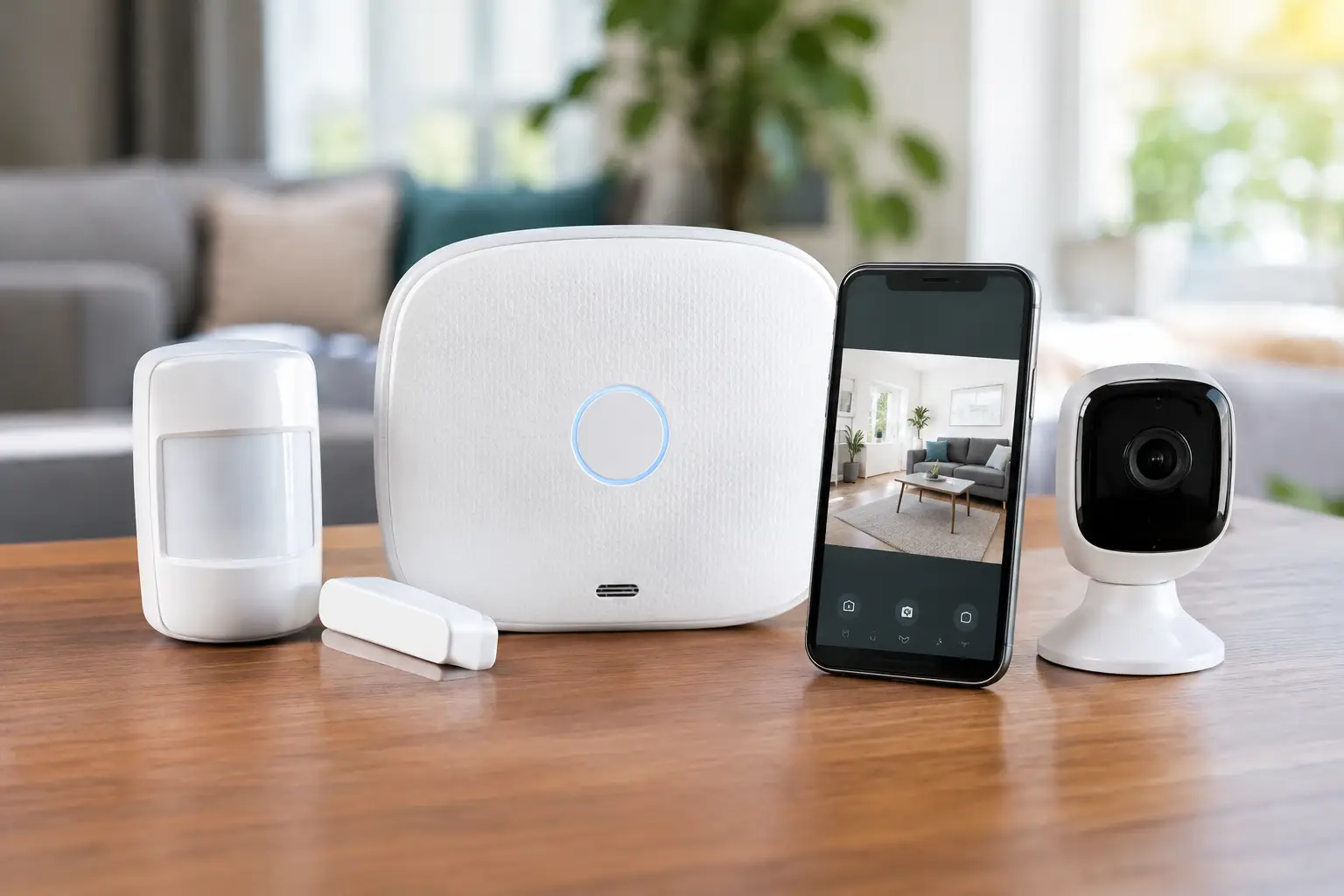
Unlike systems that depend solely on Wi-Fi or a landline, a cellular alarm panel communicates through a cellular network. When a door sensor, smoke detector, flood sensor, or glass-break detector is triggered, the panel can send the alarm signal to a professional monitoring center without relying on your home internet connection. That extra communication path can make a meaningful difference during the moments when protection matters most.
What a Cellular Alarm Does Well
A cellular alarm is designed for dependable communication. Your security panel uses a built-in cellular communicator, similar in concept to the connection inside a mobile phone, to report an alarm event. If your home Wi-Fi drops during a storm or your router needs to be reset, the alarm system can remain connected to monitoring.
This is particularly valuable for properties with unreliable internet service, vacation homes, rental properties, detached garages, and small businesses. A retail store may lose internet after closing. A family may be away when a storm interrupts service. In either case, an alarm signal should not have to wait for a router to come back online.
Cellular communication is also harder to disrupt than an exposed phone or cable line. No security method is invulnerable, but removing one obvious point of failure gives a monitored system a stronger foundation.
The best setups pair cellular monitoring with battery backup. If the power goes out, the panel and selected security devices continue operating for a limited period on backup power. The exact duration depends on the equipment, device load, and battery condition, so ask for specifics during your consultation rather than assuming every system performs the same way.
Cellular Alarm Review: The Features That Matter
Cellular service alone does not make a complete security system. It is the communications layer. The quality of your protection depends on what happens before, during, and after the system sends an alert.
Professional monitoring creates a response path
A self-monitored app notification can be useful, but it places the burden on you to see the alert, decide whether it is real, and take action. That can be difficult when you are driving, sleeping, traveling, or in a meeting.
With 24/7 professional monitoring, trained operators receive alarm signals and follow the response plan established for your property. Depending on the event and service configuration, they may contact you, dispatch emergency responders, or use available video information to help verify an active threat. For a small business owner, this can mean a response process continues even when no one is available to check a phone.
Ask how the provider handles intrusion, fire, carbon monoxide, panic, and environmental alarms. These events should not all be treated as though they carry the same urgency.
Video can turn an alert into useful information
Cameras do not replace door and window sensors, and sensors do not replace cameras. Together, they provide a clearer view of what is happening.
A doorbell camera can help you check a delivery. Outdoor cameras can watch driveways, entry points, and parking areas. Indoor cameras can cover common spaces or sensitive business areas. When video analytics can distinguish between a person, vehicle, or general motion, you may receive more relevant alerts and spend less time reacting to a swaying tree or passing headlights.
For higher-risk properties, 24/7 video verification and AI-enhanced deterrence can add another layer. A verified event may allow monitoring professionals to assess activity and respond with more context. Visible deterrents, two-way audio, and proactive intervention may discourage a person from continuing before a break-in occurs.
There are trade-offs. Camera placement must respect privacy, local requirements, and the daily routines of your household or employees. Video monitoring service may also have different costs and availability than standard intrusion monitoring. A good provider will explain those distinctions clearly.
Environmental protection fills the gaps burglary alarms miss
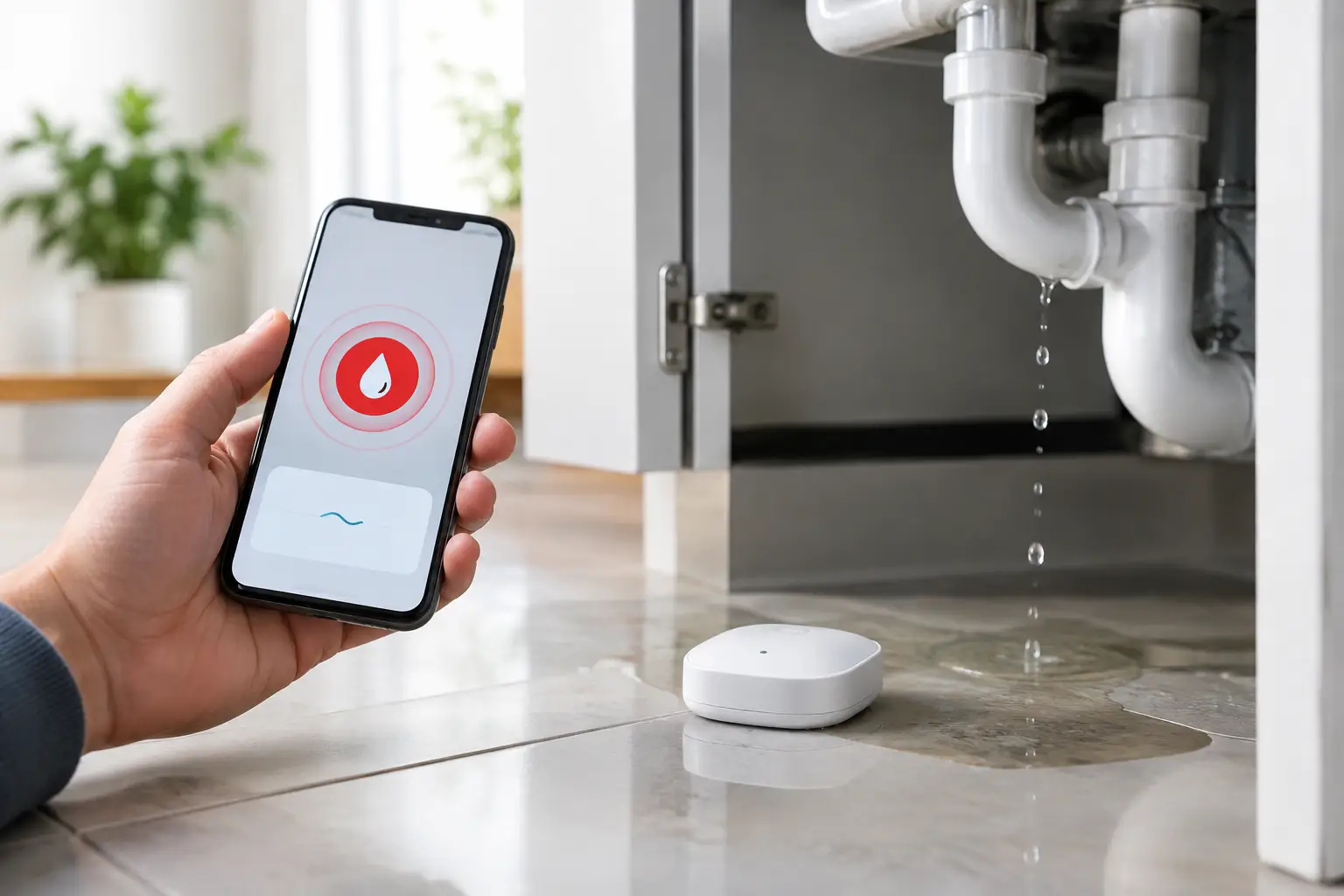
A cellular security system can protect against more than unauthorized entry. Monitored smoke alarms and carbon monoxide detectors can alert you to life-safety hazards. Flood sensors can detect water near a water heater, washing machine, sump pump, or bathroom. A smart water valve can shut off the water supply after a leak is detected, helping limit damage while you are away.
These devices matter because many of the costliest home and business emergencies do not begin with a break-in. They begin with smoke, carbon monoxide, or a small leak that has hours to spread.
One app should make protection easier to use
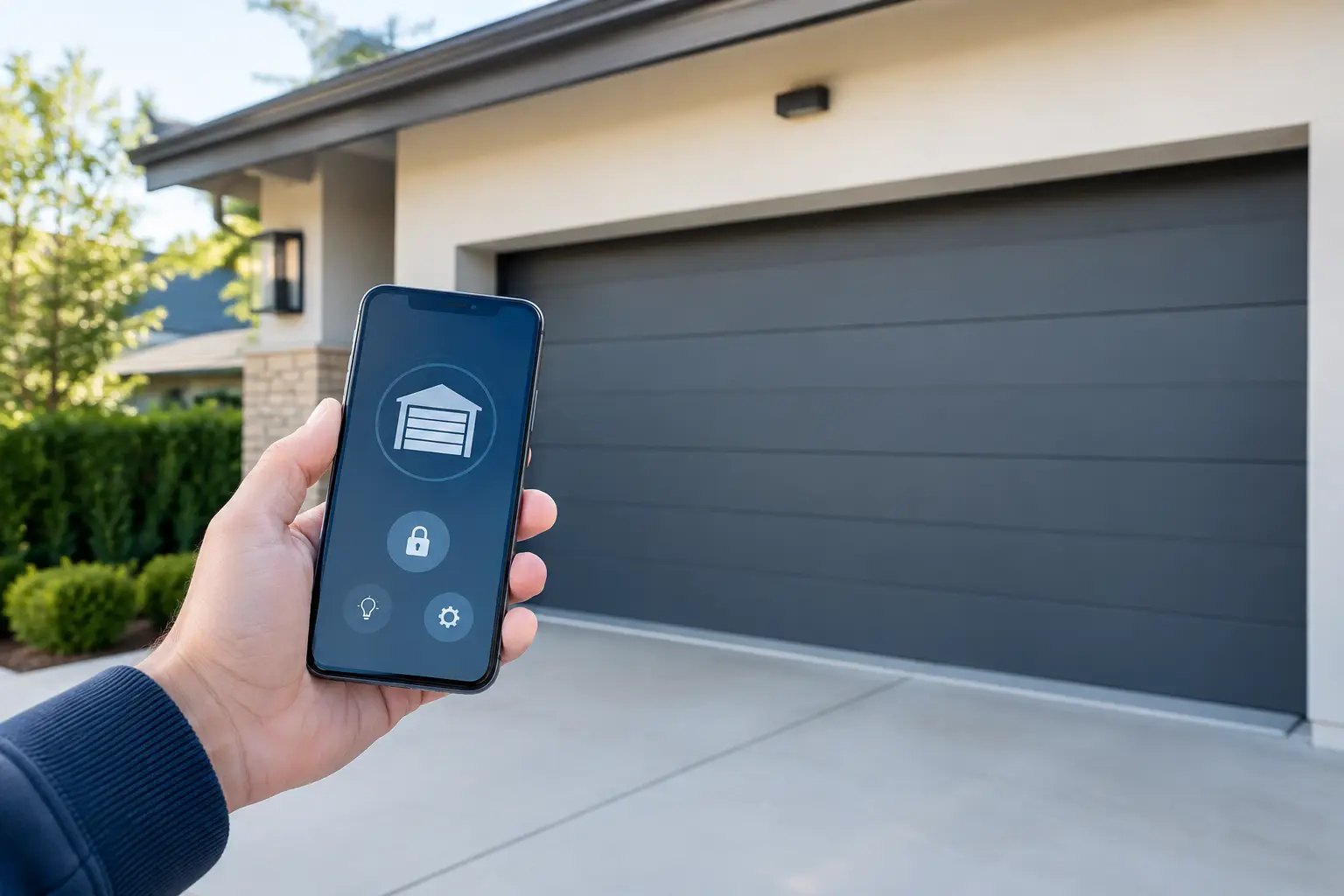
A well-designed smart security system brings alarm controls, cameras, locks, lights, thermostats, and garage doors into one mobile app. You should be able to arm the system from bed, check whether the back door is locked, receive a camera alert, and adjust the thermostat without switching between several disconnected platforms.
Convenience supports security. If arming your system requires a complicated routine, it is easier to skip. If remote control is simple, it is more likely to become part of everyday life.
Where Cellular Security Has Limits
Cellular alarms depend on local carrier coverage. Before installation, confirm that the selected communicator has dependable signal strength at your address. Basements, remote properties, metal structures, and some commercial buildings can affect performance. A professional site assessment is far more useful than relying on a coverage map alone.
Cellular monitoring also requires an active service plan. The monthly cost typically covers monitoring, cellular communication, and possibly cloud video storage or advanced video services. Compare what is included, whether equipment is financed or purchased, the length of any agreement, and what happens if you move.
It is also worth asking whether the system supports current cellular technology. Older communicators may eventually need an upgrade as carriers retire legacy networks. A security partner should be prepared to explain the equipment lifecycle and available upgrade options.
Finally, cellular monitoring does not eliminate the need for sensible physical security. Strong locks, reinforced entry points, proper lighting, and clearly visible cameras still matter. Technology works best when it supports a property that is already difficult to approach and easy to monitor.
Who Benefits Most From a Cellular Alarm?
A cellular alarm is a strong fit for homeowners who want protection that does not depend entirely on their Wi-Fi connection. It is especially practical for families who travel, homeowners with package theft concerns, and property owners who want to monitor multiple risks from one app.
Small businesses can benefit as well. Intrusion detection, video surveillance, smart locks, and access control can help owners manage closing procedures, employee access, deliveries, and after-hours activity without building an enterprise-level security operation.
The right system is not always the one with the longest feature list. It is the one designed around your actual entry points, routines, risks, and response expectations. A professionally installed solution can place devices where they will be effective, confirm that the panel has a reliable connection, and make sure you know how to use the system before relying on it.
Fluent Home can help build that kind of customized setup, from monitored intrusion protection and cameras to environmental devices and smart home controls. A free custom quote can clarify which equipment and monitoring options make sense for your property.
When you evaluate a cellular alarm, look past the panel and the monthly price. Ask how the system communicates during an outage, who responds to a real alarm, what information they receive, and how the protection can grow with your needs. Peace of mind is not a single device on the wall – it is knowing your home or business has a plan when you cannot be there.