A garage door is often the largest moving entry point in a home, yet it is easy to treat as an afterthought. When you automate garage door security, you gain more than the ability to open and close the door from your phone. You gain visibility into a vulnerable access point, faster awareness when something is wrong, and more control over the routines that protect your household.
For many families, the garage connects directly to the home. It may hold vehicles, tools, bikes, packages, and a door leading inside. A garage left open after a rushed morning, or opened unexpectedly while you are away, can create an avoidable security gap. Smart automation helps close that gap without adding another task to your day.
Why garage door automation matters for security
Traditional garage door openers are convenient, but convenience alone is not security. A remote clipped to a vehicle visor can be lost or stolen. A door can be left open accidentally. And without a connected system, you may not know about the problem until you return home.
A professionally designed smart security system can turn the garage into an active part of your protection plan. Instead of wondering whether the door is closed, you can check its status in one app. Instead of relying on a neighbor to look in after an alert, you can view a live camera feed. Instead of receiving a basic notification with no context, you can create rules that trigger lights, video recording, and security alerts when the door opens at an unusual time.
The goal is not to make every garage opening feel suspicious. It is to make normal activity easy to manage and unusual activity harder to miss.
The essential tools to automate garage door security
The right setup depends on your garage layout, daily routines, and whether the garage is attached to your home or used as a workspace. Still, a few connected devices deliver the strongest practical coverage.
Smart garage door control
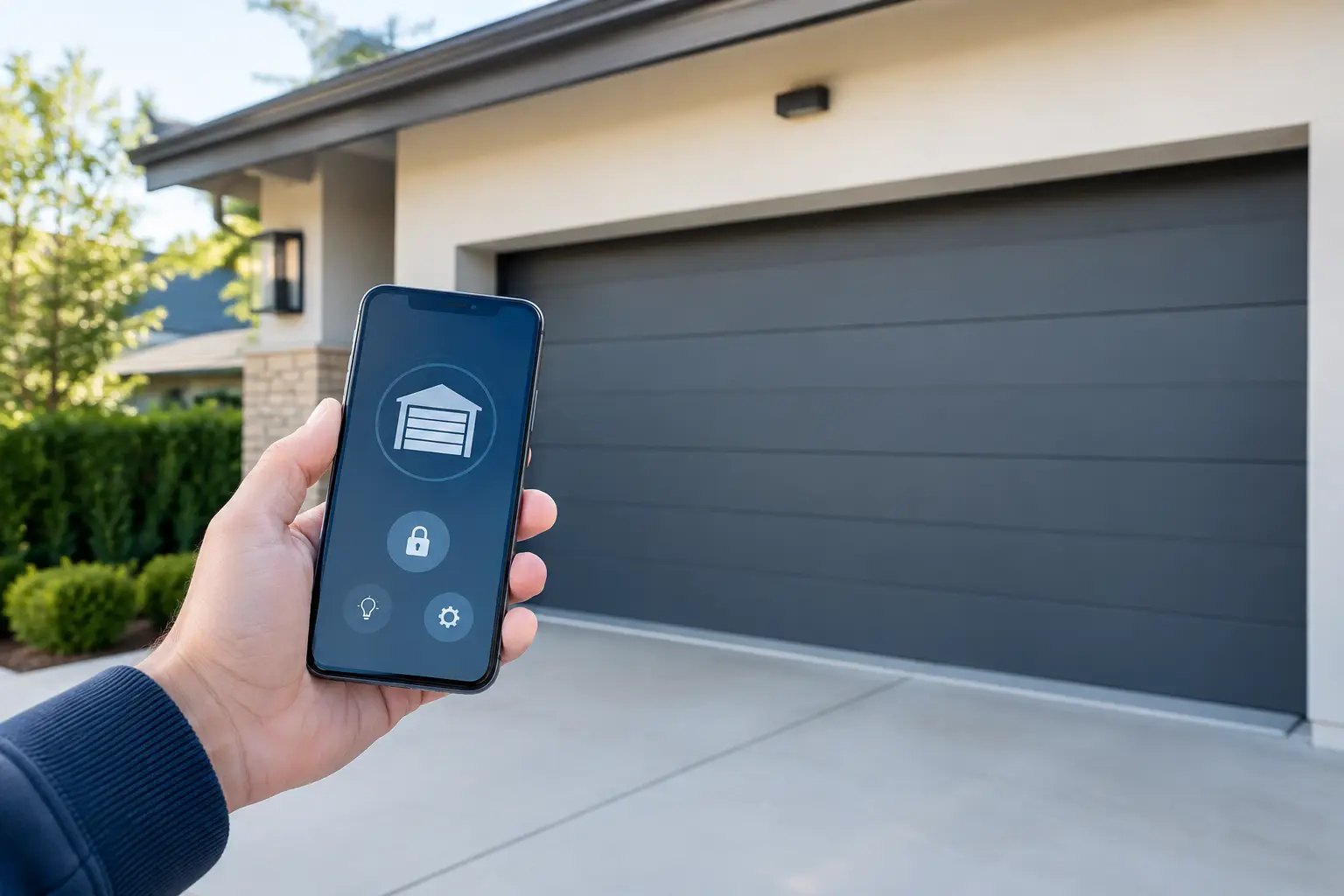
A smart garage door controller lets you check whether the door is open or closed and operate it remotely through a mobile app. This is useful when you leave for work and cannot remember whether you shut the door, when a family member needs access, or when you want to let a trusted service professional in without sharing a physical remote.
Remote control should be paired with strong account security. Use a unique password, enable multi-factor authentication when available, and limit app access to people who truly need it. For households with teenagers, guests, or caregivers, individual app access is generally more accountable than passing around a universal garage remote.
Door and motion sensors
A garage door sensor confirms the door’s actual position. That matters because a command to close is not the same as confirmation that the door closed completely. A sensor can notify you if the door remains open longer than expected or opens outside your preferred schedule.
Motion detection adds another layer of awareness inside the garage. It can help identify unexpected activity after hours, especially when paired with a camera. Placement matters, though. A sensor aimed toward high-traffic areas may create frequent alerts when family members come and go. A professional installer can position devices to focus on meaningful activity rather than normal household movement.
Security cameras with useful coverage
A camera can give an alert valuable context. An outdoor camera facing the driveway can show who approaches the garage, while an indoor garage camera can help confirm whether the door opened and what happened afterward. Video also helps distinguish a family member arriving home from activity that deserves immediate attention.
For garages with poor lighting, choose camera coverage designed for clear nighttime visibility. If the garage faces a street or alley, smart video analytics can help reduce nuisance notifications by focusing on people, vehicles, or specific activity zones instead of every passing shadow.
A visible camera can deter opportunistic crime, but it should not be your only protection. Cameras document and alert. Locks, sensors, lighting, and professional monitoring help create a fuller response when an intrusion is attempted.
Smart lighting and access control
Automated lighting makes the garage safer and less inviting to someone trying to remain unseen. You can have garage or driveway lights turn on when the door opens after dark, when a camera detects a person, or when you arrive home. Light also makes video footage more useful.
If your garage has a service door, treat it like any other exterior entry. A smart lock can provide controlled access, activity history, and remote locking. For a small business, controlled access to a storage bay or attached garage can be especially useful when employees, vendors, and deliveries need different levels of access.
Set automations around real household routines
The best garage security automations support the way you already live. Start with the moments when an open garage door would be most likely to go unnoticed: the morning rush, school pickup, late-night arrivals, and travel days.
A simple rule might send an alert if the garage door remains open for 10 minutes after your usual departure time. Another can turn on driveway lights and start a camera recording when the door opens after sunset. If the door opens while your system is armed in Away mode, you may want a higher-priority alert so you can check the video immediately.
Auto-close rules can be helpful, but they require care. A door should never close when a person, pet, vehicle, or object could be in its path. Modern garage doors should have working safety sensors, and your automation plan should respect those protections. Some households prefer alerts over automatic closing because they want to confirm the garage is clear first. Others use a timed auto-close setting only during predictable routines. The right choice depends on your property and comfort level.
For an attached garage, create a second layer of protection at the interior door. Keep that door locked when practical, install a sensor that alerts you if it opens, and consider a camera view that captures the transition from garage to home. If someone gains access to the garage, this additional barrier can buy time and improve detection.
What professional monitoring adds
App alerts are useful, but they depend on you seeing and acting on them. You may be in a meeting, asleep, traveling, or somewhere with limited phone service. Professional monitoring adds a team prepared to respond when a verified alarm event requires attention.
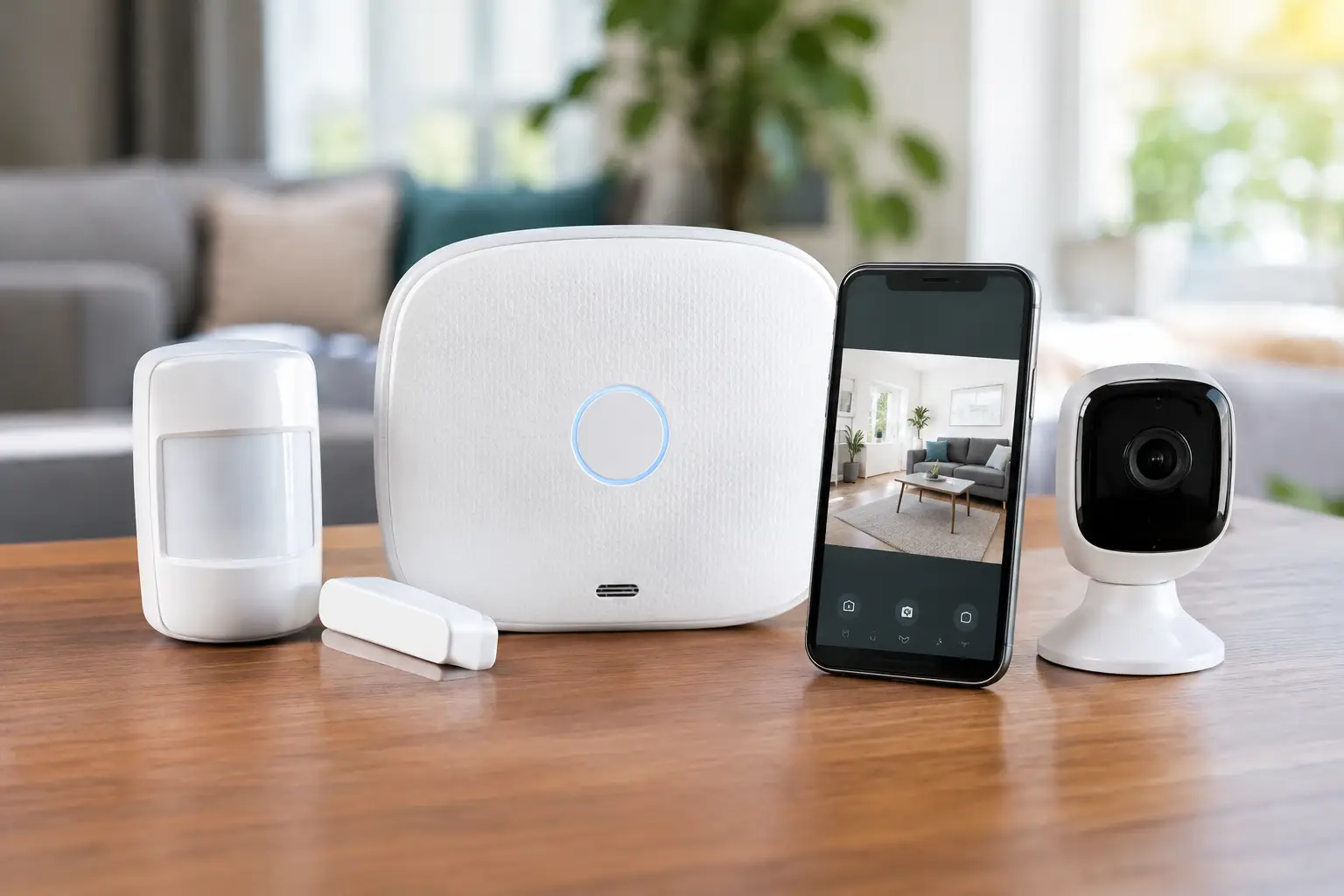
When garage security is integrated with intrusion detection and video surveillance, it can become part of a coordinated system rather than a collection of separate gadgets. A garage sensor can trigger a camera recording. A camera event can provide visual context. An alarm condition can be escalated according to your system setup.
For homeowners who want a more proactive approach, video verification can help monitoring professionals assess an event and support a faster, more informed response. This is especially valuable for garages that store expensive equipment or provide a direct route into the home.
Avoid the common weak points
Automation works best when the physical garage is secure. Start by checking the manual release mechanism, side door, windows, and the door leading into the house. Do not leave a garage remote in an unlocked vehicle parked outside. If you use an exterior keypad, update access codes when household circumstances change.
Also check the garage door itself. Worn rollers, damaged tracks, or a misaligned safety sensor can interfere with reliable operation. Smart technology cannot compensate for a door that does not close correctly. Regular maintenance helps protect both the equipment and the automation routines built around it.
Avoid adding devices solely because they connect to an app. Too many disconnected products can create notification fatigue and make it harder to recognize a serious event. A professionally installed system helps bring garage control, cameras, sensors, lighting, and monitoring into one place with settings that make sense for your property.
Build garage security into your complete home plan
Your garage should not operate outside the rest of your security system. Connect its activity to the same app you use for doors, locks, cameras, lighting, and alarms. That gives you a clearer picture of what is happening at home, whether you are upstairs, at work, or away for the weekend.
Fluent Home can help design a customized system that brings smart garage door control together with video surveillance, intrusion detection, automation, and 24/7 professional monitoring. Expert installation helps ensure devices are placed correctly and work together from day one.
A safer garage starts with knowing what is open, what is moving, and what needs your attention. Request a custom security quote to build a setup that protects this often-overlooked entry point without making everyday access more complicated.