A dishwasher supply line can leak quietly for hours behind a cabinet. A water heater can fail while you are at work. In both cases, the first sign may be warped flooring, a damaged ceiling, or a repair bill that grows by the minute. So, can alarms detect water leaks? Yes – the right water leak alarm can identify unwanted water early and alert you before a manageable issue becomes major property damage.
The key is choosing a system designed for the way water actually moves through your home or business. A basic sensor can detect water at a specific location. A smart, professionally installed system can also send mobile alerts, trigger an audible alarm, and, when paired with a compatible smart water valve, help stop the flow at its source.
How Water Leak Alarms Detect a Problem
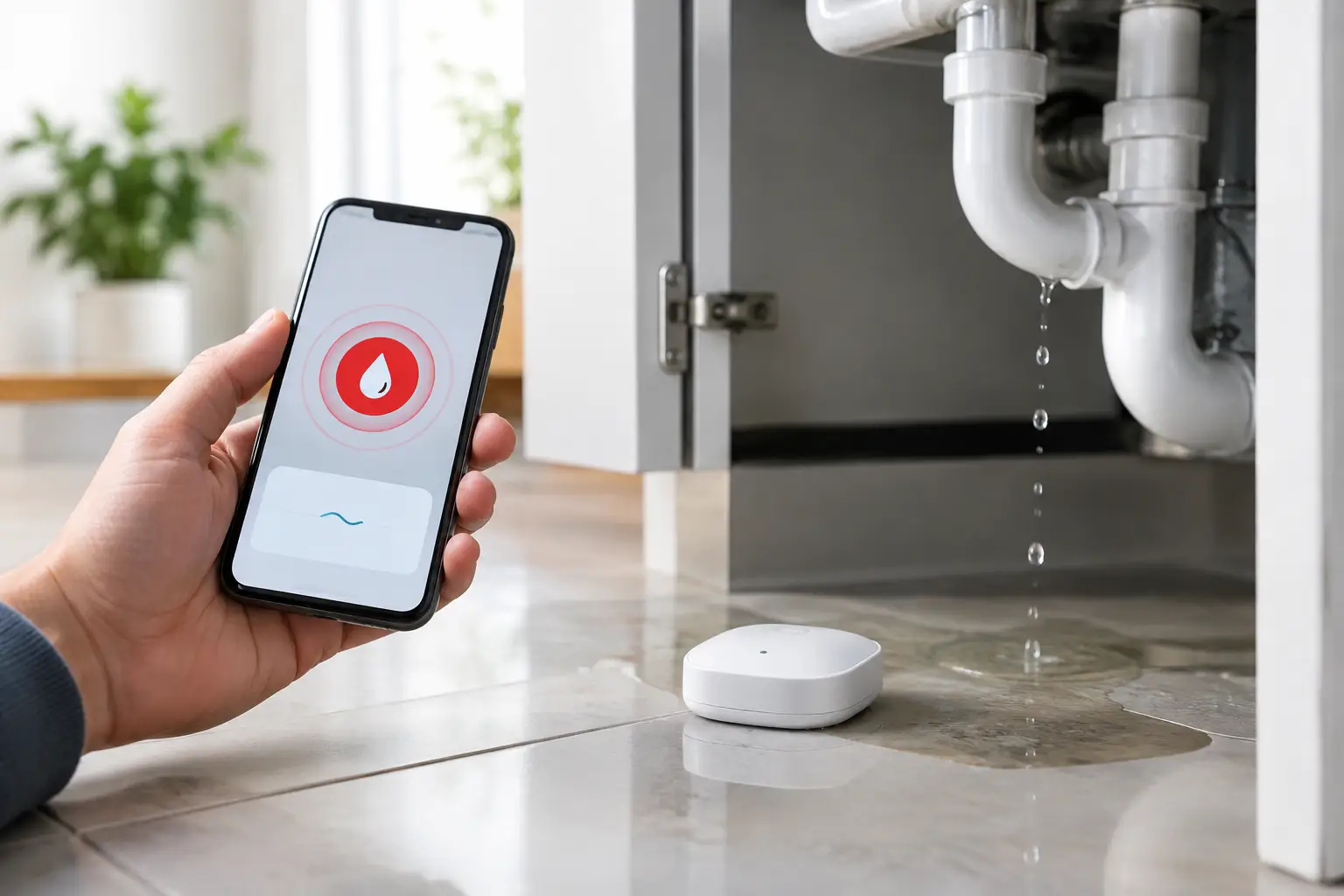
Water leak alarms use sensors placed where leaks are most likely to appear. When water bridges the sensor contacts or reaches a sensing cable, the device recognizes the change and sends an alert. Depending on the system, that alert may sound locally, appear in your mobile app, and be shared with a professional monitoring center.
These devices are often called flood sensors, water sensors, or leak detectors. While the names vary, their job is the same: identify water where it should not be.
A properly placed sensor can provide early warning near a washing machine, water heater, dishwasher, refrigerator line, sump pump, toilet, sink cabinet, basement drain, or HVAC condensate pan. For small business owners, common locations include break rooms, restrooms, utility closets, mechanical rooms, and areas with water-using equipment.
That early notification matters. Water does not need to fill a room to cause a serious problem. Slow leaks can soak subflooring, damage inventory, create conditions for mold growth, and reach adjacent rooms before anyone notices them.
Can Alarms Detect Water Leaks Anywhere?
Not exactly. Water alarms detect water at or near the sensor, so placement determines what the device can catch. A sensor beneath a water heater cannot detect a pinhole leak inside a wall on the other side of the house until water travels to its location.
That does not make leak alarms less valuable. It means they work best as part of a thoughtful protection plan. The goal is to cover high-risk points where water is likely to collect first, especially appliances, plumbing connections, and low areas.
Some systems also use flow-based detection through a smart water valve. Instead of waiting for water to reach a floor sensor, a valve can monitor patterns in your plumbing system. Unusually long water use or unexpected continuous flow may indicate a leak. When configured appropriately, the valve may alert you or automatically shut off the water supply.
Flow monitoring adds a broader layer of protection, but it has trade-offs. A home with irrigation, a pool fill line, or frequent long showers may need settings that account for normal water use. A professional can help configure the system so it is responsive without creating unnecessary alerts.
What Happens When a Leak Is Detected?
The response depends on the equipment and service plan. At the most basic level, a water sensor emits a loud local alarm. That can be useful when someone is home, but it has obvious limits if the property is empty, you are asleep upstairs, or the leak begins after closing time.
With an integrated smart security system, detection can trigger several layers of response. You can receive a mobile notification and check the alert from virtually anywhere. If your system includes 24/7 professional monitoring, the monitoring team can follow the response procedures associated with your account. A connected smart water valve can add another critical step by shutting off water to reduce the amount that escapes.
No device can reverse damage that occurred before detection, and no alarm replaces routine plumbing maintenance. But fast awareness gives you options: call a plumber, ask a neighbor to check the property, direct an employee to inspect the area, or shut off water remotely when your system supports it.
The Best Places to Install Water Sensors
The most effective installation starts with the places most likely to leak, not simply the rooms that are easiest to reach. In a typical home, prioritize the water heater, laundry area, under-sink cabinets, dishwasher, refrigerator water line, toilets, basement, and HVAC equipment.
For a small business, think beyond the visible restroom. A sensor in a utility closet or under a break-room sink may protect nearby equipment, stock, finished materials, and tenant spaces. Businesses with multiple suites or unattended areas benefit from alerts that reach the owner or manager without requiring someone to be on-site.
Placement also requires practical judgment. Put the sensor on a level surface where water will pool, not on a shelf where it may never contact a leak. Keep it accessible for battery checks and testing. If the area has several possible leak points, more than one sensor may be the better choice.
Professional installation is especially helpful when you want water protection to work with your existing security, automation, and monitoring equipment. An experienced technician can identify coverage gaps, place devices correctly, verify communications, and show you how alerts appear in the mobile app.
Water Sensors, Smart Valves, and Cameras Serve Different Jobs
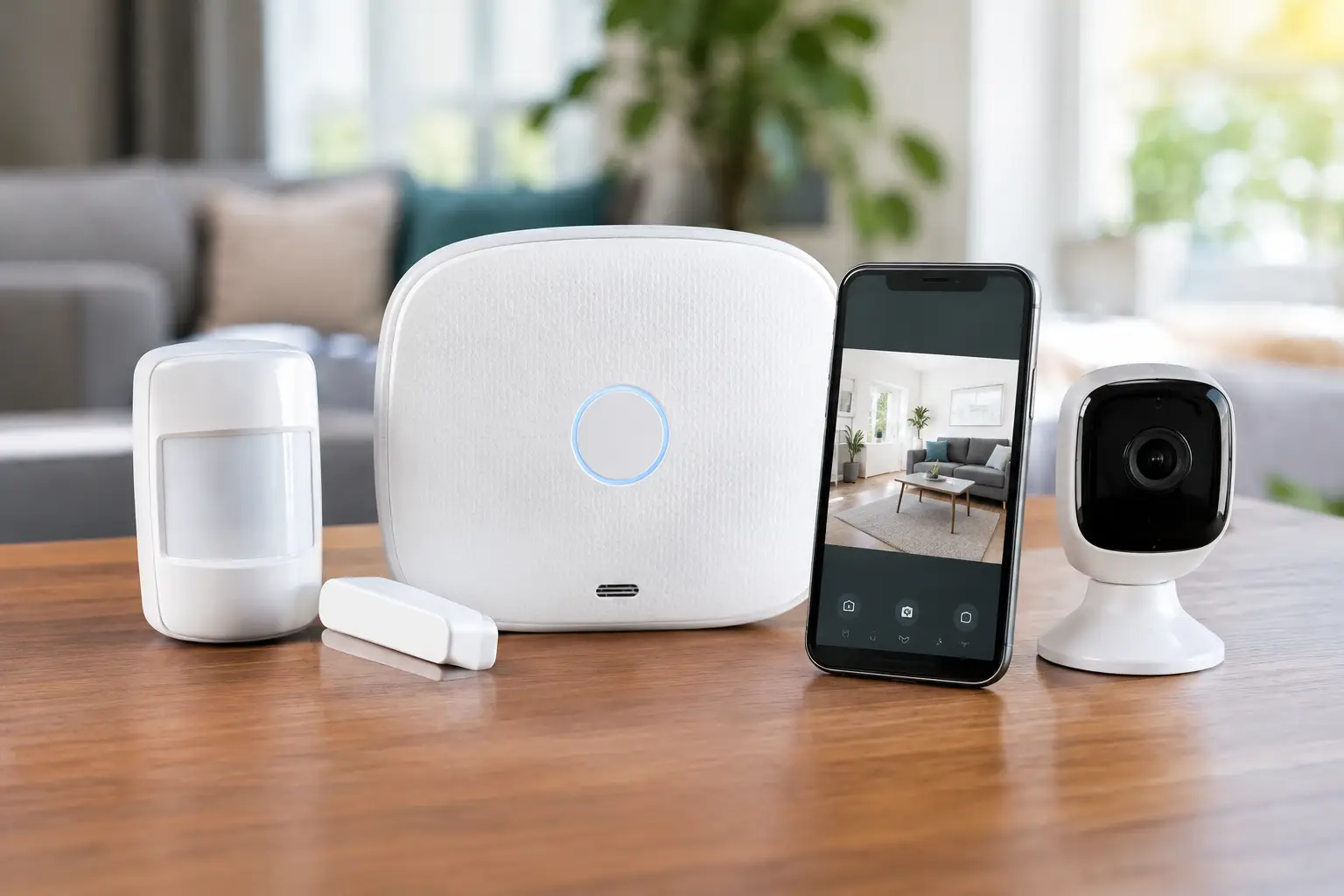
A complete property protection plan uses each device for what it does best. Water sensors identify moisture at high-risk locations. Smart water valves can address abnormal water flow and may stop the supply. Security cameras help you see what is happening in visible spaces, but they are not a substitute for a leak detector behind an appliance or inside a utility room.
Smoke and carbon monoxide detectors operate the same way from a planning perspective: each environmental device addresses a different threat. Combining them in one professionally managed system makes daily protection easier to oversee from one place.
For example, a homeowner leaving for a week can arm the security system, receive camera and environmental alerts through the same app, and know a water event will not wait until they return. A business owner can get a notification during off-hours and respond before water disrupts the next day of operations.
Choosing a Water Leak Alarm That Fits Your Property
Start with the risk you are trying to reduce. If you only want protection under one appliance, a standalone sensor may be enough. If you travel frequently, own a rental property, manage a business, or want the ability to respond remotely, an integrated system provides more practical value.
Look for dependable alerts, straightforward mobile control, battery status reporting, and compatibility with professional monitoring and water shutoff options. Also consider how the device will be installed. A sensor is only useful if it stays connected, powered, and positioned where a leak can reach it.
Do not overlook the plumbing itself. Replace worn supply hoses, have aging water heaters inspected, fix slow drips promptly, and know where your main shutoff valve is located. Smart detection works best alongside responsible maintenance.
Protect the Places Water Can Reach First
Water damage rarely announces itself with a dramatic burst pipe. More often, it starts with a small failure in a hidden spot and continues until someone finds it. A customized Fluent Home system can bring flood detection, smart control, and professional monitoring together to help you respond sooner and protect what matters most.
A free custom quote can help you identify the leak risks around your home or business and build protection that fits the property, your routine, and your peace of mind.