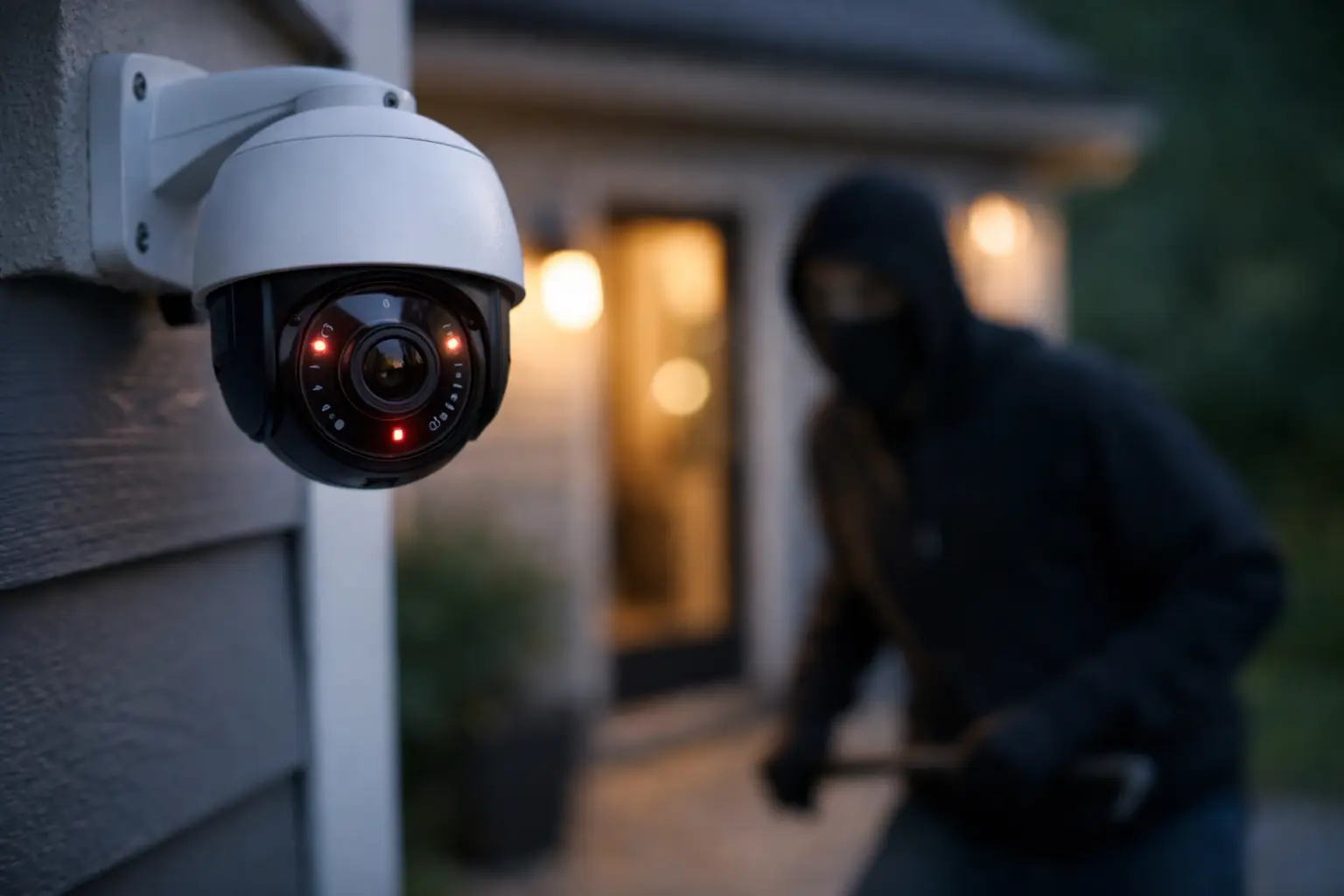
A burglar standing on your porch is making a quick calculation. Can they get in fast, stay unseen, and leave before anyone responds? That is why homeowners and business owners keep asking the same question: can security cameras deter burglars? In many cases, yes – but the real answer depends on what kind of camera setup you have, how visible it is, and whether it is backed by a system that can do more than simply record what already happened.
Can security cameras deter burglars in real life?
Security cameras can absolutely discourage opportunistic crime. Most burglars want an easy target. If they see visible cameras near entry points, a video doorbell by the front door, or a floodlight camera covering the driveway, that property immediately looks harder to approach without being identified.
That matters because most break-ins are not carefully planned like they are in movies. They are often driven by speed, convenience, and low risk. A home or small business with visible surveillance sends the opposite message. It signals that someone is watching, footage is being captured, and the chances of getting caught are higher.
Still, cameras are not magic. Some intruders will test whether a system is active. Others may hide their face, approach from blind spots, or move quickly enough that recorded video only helps after the fact. Cameras are strongest when they are part of a larger security strategy, not the whole strategy by themselves.
Why visible cameras change behavior
The biggest deterrent effect comes from visibility. A clearly placed outdoor camera changes the psychology of the situation. It tells a potential intruder that the property is monitored and that their actions may be documented from the moment they step onto the lot.
That pressure can be enough to make someone move on to a less protected target. The same is true for commercial spaces. A small business with visible cameras at entrances, parking areas, and rear access points appears more controlled and less vulnerable.
Placement also shapes perception. A camera tucked under an eave where no one can see it may still collect footage, but it does less to stop a crime before it starts. A visible camera near the front door, garage, side gate, or loading entrance creates a clearer warning. Add lighting and the deterrent effect gets stronger because it removes cover and increases exposure.
What cameras do well – and where they fall short
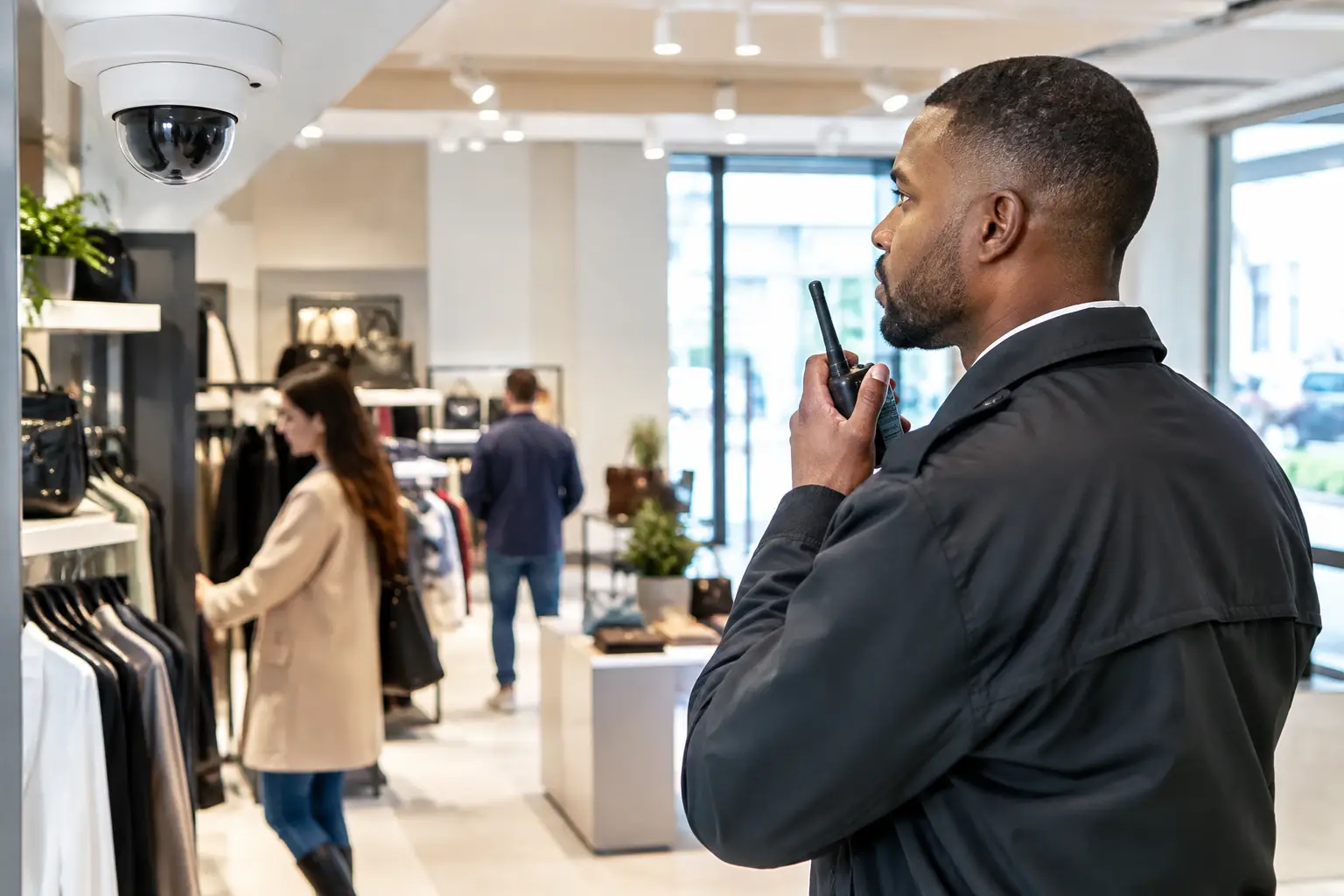
Cameras are excellent at increasing awareness. They let you check your property remotely, review activity, verify deliveries, and monitor entrances after hours. For families, that means knowing when someone approaches the house. For business owners, it can mean seeing who entered a back lot or whether an employee locked up properly.
They also create evidence, which is valuable. Clear video can support police reports, insurance claims, and incident review. But evidence is not the same as prevention. If a camera only records, and no one sees the event until later, the break-in may still happen.
This is the main trade-off. A basic camera setup can help deter burglars, but it does not always stop determined intruders. If there is no alarm response, no deterrent audio, no motion-triggered light, and no professional monitoring, the system may only document the crime instead of disrupting it.
The difference between passive recording and active protection
This is where many people underestimate what modern security systems can do. There is a major difference between a standalone camera and a professionally installed system that combines cameras with intrusion detection, smart alerts, and 24/7 monitoring.
A passive camera watches. An active security system can respond.
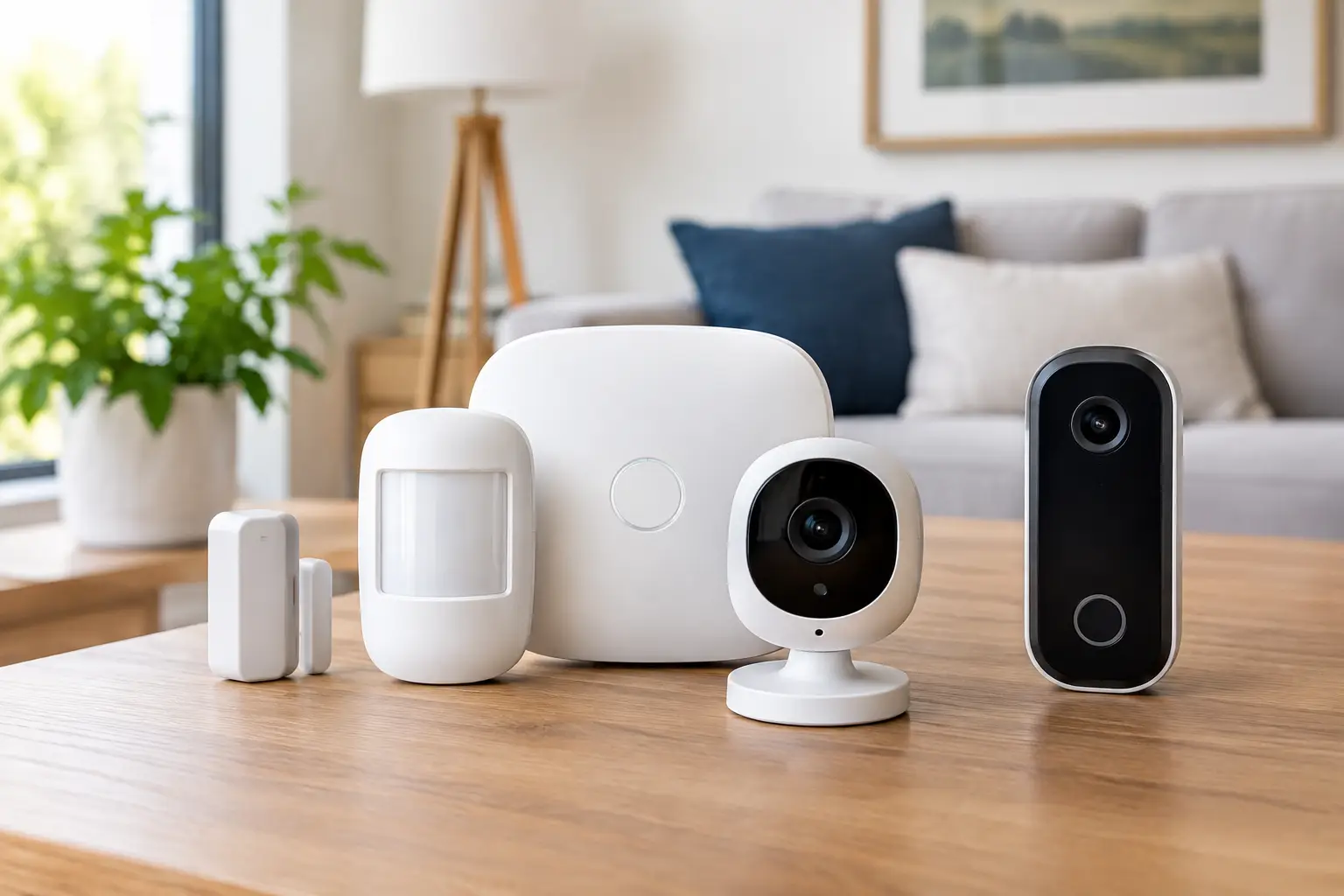
When cameras are connected to door and window sensors, motion detectors, smart lighting, and a monitored control panel, the property becomes much harder to target. If someone approaches, the camera captures the activity. If they attempt entry, sensors can trigger an alarm. If monitoring is in place, that event can be reviewed and escalated quickly.
For homeowners, that means faster awareness and a stronger chance of interrupting a burglary in progress. For small businesses, it adds another layer of control after closing time, especially in vulnerable areas like side doors, stock rooms, and employee entrances.
Can security cameras deter burglars on their own?
They can, but only up to a point.
If a person is looking for an easy opportunity, visible cameras may be enough to send them elsewhere. That is especially true in neighborhoods where many homes look similar and a burglar can choose the least protected option. In those situations, cameras can tip the balance in your favor.
But if someone is specifically targeting your property, or if they are experienced enough to look for system weaknesses, cameras alone may not be enough. They might enter through a poorly covered side door, cut across a dark area, or act knowing that no one is actively responding.
That is why the best answer is not just yes or no. Cameras are a strong first line of deterrence, but they work best when they are paired with smart system design.
How to make cameras more effective at deterring crime
If your goal is prevention, not just recording, setup matters.
Start with the obvious entry points. Front doors, back doors, first-floor windows, garages, and side gates are high-priority areas. For businesses, include customer entrances, rear exits, parking areas, and anywhere inventory or equipment is stored.
Make sure cameras are visible enough to be noticed. A criminal cannot be deterred by what they do not see. At the same time, your system should cover angles that reduce blind spots. This balance between visibility and coverage is one reason professional installation matters.
Lighting is another major factor. A well-placed floodlight camera can make a would-be intruder feel exposed instantly. Motion-triggered lighting works especially well around driveways, garages, alleys, and backyards.
Smart alerts also improve deterrence because they shorten the gap between activity and awareness. If someone lingers near your front porch or circles a side entrance, a mobile notification can prompt immediate action. The sooner unusual behavior is noticed, the better your chance of stopping it from escalating.
Why professional installation makes a difference
A lot of people assume a few off-the-shelf cameras will provide the same level of protection as a designed security system. Sometimes they provide decent visibility. Often, they leave gaps that are only obvious after an incident.
Professional installation helps solve that. Instead of guessing where devices should go, you get a system built around the actual risks of your property. That includes camera placement, viewing angles, lighting conditions, entry-point protection, and integration with alarms and monitoring.
For homes, that can mean full coverage of the front approach, garage, backyard access, and main interior pathways. For businesses, it can include layered security that protects both public-facing areas and restricted spaces.
This is also where ease of use matters. A security system only helps if you actually use it. Mobile control, clear alerts, and one app for cameras, locks, alarms, and automation make daily protection simpler. That convenience is not a bonus feature. It increases the odds that the system stays armed, watched, and effective.
What burglars notice besides cameras
Cameras matter, but they are part of a bigger picture. Burglars also notice whether a property looks occupied, whether entrances are well lit, and whether there are signs of an active alarm system. They look for weak doors, hidden side access, overgrown landscaping, and routines that suggest no one is home.
That is why the most effective security approach combines visible deterrence with real response capability. Cameras tell intruders they may be seen. Sensors tell them the property is protected. Monitoring raises the stakes further because it suggests someone can act on the alert.
AI-enhanced deterrence and video verification add even more value. Instead of treating every motion event the same, smarter systems can help identify unusual activity and prioritize what matters. That reduces noise for the user and improves the odds of faster intervention when something is wrong.
The better question to ask
Instead of asking only whether cameras deter burglars, it helps to ask what kind of camera system actually changes outcomes.
A visible camera by itself may discourage some criminals. A professionally installed, monitored system with smart cameras, intrusion protection, and mobile control does much more. It can warn, record, alert, verify, and support a response while the event is still unfolding.
That is the difference between watching your property and actively protecting it. If you want real peace of mind, the goal is not simply to catch footage of a break-in later. It is to make your home or business a place a burglar would rather avoid in the first place.
The right security setup should make you feel safer every day, not just more informed after something goes wrong.