A front door camera helps, but it does not solve for a side gate that stays unlatched, a back office with after-hours deliveries, or a basement where a small leak can turn into major damage overnight. That is where custom security system design makes the difference. Instead of forcing your property into a one-size-fits-all package, the system is built around how you live, work, enter, leave, lock up, and respond when something goes wrong.
For homeowners, that might mean better package protection, smarter control of doors and lights, and faster response to smoke, carbon monoxide, or water alerts. For small business owners, it often means combining intrusion detection, video surveillance, access control, and mobile oversight into one managed system. The point is simple – better protection starts with a system designed for your actual risks.
What custom security system design really means
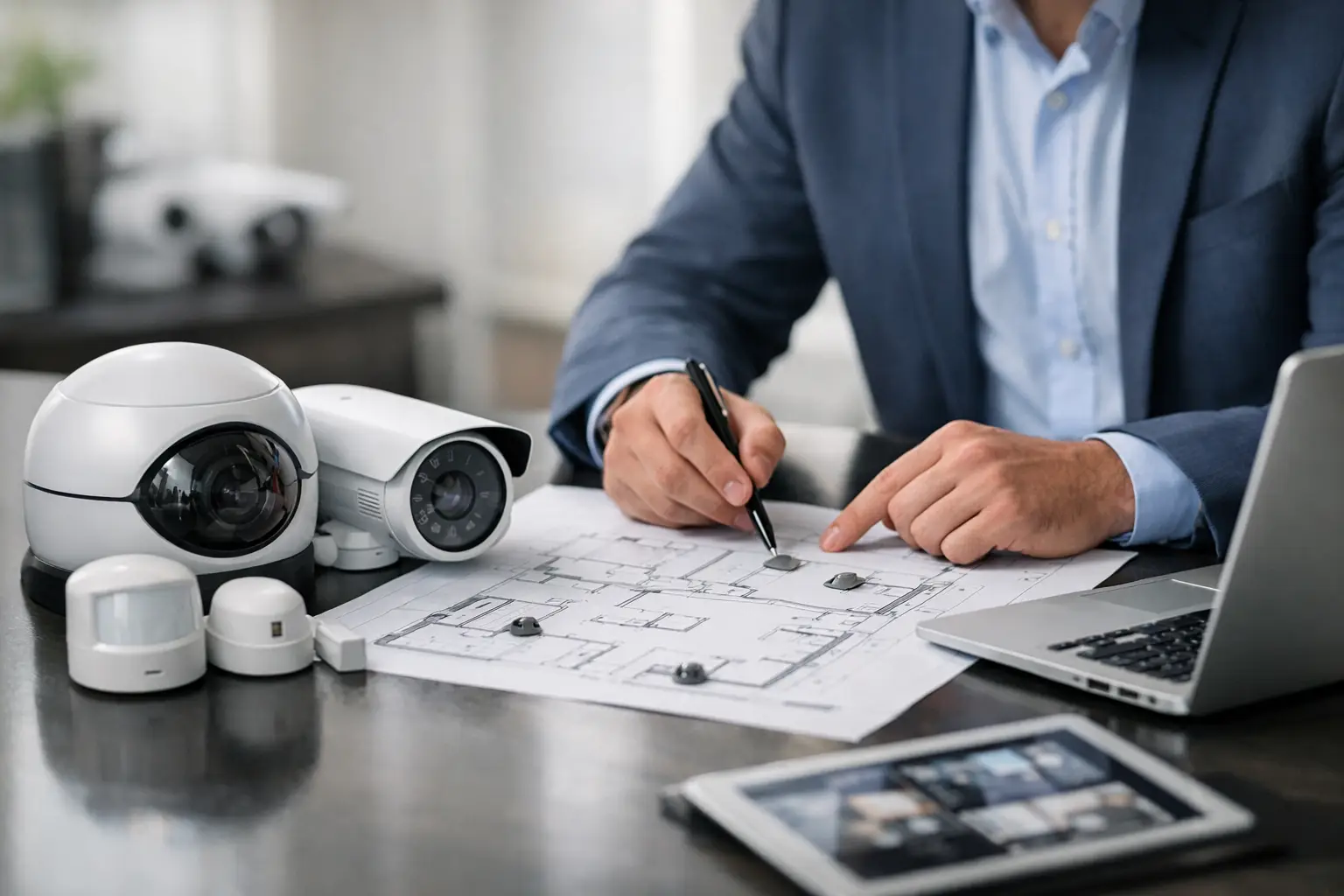
Custom security system design is not just choosing a few devices from a menu. It is the process of evaluating a property, identifying vulnerabilities, understanding daily routines, and matching the right equipment and monitoring strategy to that environment.
A family with kids coming home from school at different times has different priorities than a restaurant owner closing late at night. A retail space may need video verification at entrances and stock areas, while a homeowner may care more about driveway coverage, garage access, and flood detection near a water heater. Good design accounts for the layout, the habits of the people using the space, and the level of visibility needed when no one is there.
This is also where professional guidance matters. On paper, two properties can look similar. In practice, one may have blind spots, detached structures, vulnerable first-floor windows, or multiple delivery points. A properly designed system closes those gaps without overloading the customer with equipment they do not need.
Why standard packages fall short
Prebuilt kits are appealing because they look simple. The problem is that simple is not always sufficient. A basic package may cover the front door and a few windows, but leave out the garage entry, backyard approach, or environmental threats that cause just as much disruption as a break-in.
For businesses, cookie-cutter systems can be even more limiting. A storefront, office suite, warehouse, and salon all operate differently. Employee access needs, customer traffic patterns, opening and closing routines, and high-value areas vary from one business to the next. When the design is too generic, owners either live with weak coverage or end up patching the system later.
That piecemeal approach usually costs more over time. It can also create a frustrating user experience, especially when devices do not work well together or require multiple apps. A custom approach is designed to be practical from day one and flexible enough to grow with your needs.
The core parts of a well-designed system
The right mix depends on the property, but most custom systems start with intrusion protection and then expand into visibility, automation, and environmental safety.
Door and window sensors are still the foundation because they alert you when someone enters where they should not. Motion detectors add another layer inside the property, especially in large living areas, entry corridors, and business interiors after hours. Smart control panels and mobile app access make the system easier to arm, disarm, and manage from anywhere.
Video becomes far more valuable when it is positioned with purpose. A doorbell camera may handle packages and visitors, while outdoor cameras cover driveways, gates, loading areas, and other likely approach paths. Indoor cameras can help verify activity in key spaces, though placement should always reflect privacy needs and the way the space is actually used.
Environmental protection is another major part of custom design. Smoke detectors, carbon monoxide sensors, flood sensors, and automatic water shutoff devices can help stop a different category of emergency before it becomes a costly disaster. For many properties, these devices are not extras. They are essential.
Then there is smart automation. Lights that respond to activity, locks you can control remotely, thermostats managed through the same app, and garage door control all add convenience. More importantly, they support security by making the property easier to manage consistently.
Custom security system design for homes
At home, security has to fit daily life or people stop using it properly. That is why residential design should start with habits, not hardware. Who leaves first in the morning? Does anyone come home alone? Are packages left in plain sight? Is there a detached garage, a basement entrance, or sliding doors at the back of the house?
These details shape the system. A family that travels often may want strong perimeter awareness, remote lock control, and cameras covering all main approaches. A homeowner who receives frequent deliveries may prioritize a doorbell camera and front entry deterrence. Someone living in an area with severe weather or older plumbing may benefit just as much from flood detection and environmental alerts as from intrusion sensors.
A good home system should also reduce friction. If arming the house is complicated, people skip it. If notifications are constant and unhelpful, they get ignored. The better approach is a professionally installed system that is easy to use, easy to check from your phone, and smart enough to support the routines you already have.
Custom security system design for small businesses
Business owners need visibility, accountability, and control, especially when they cannot be on site. That is why custom security system design for commercial spaces usually goes beyond a basic alarm.
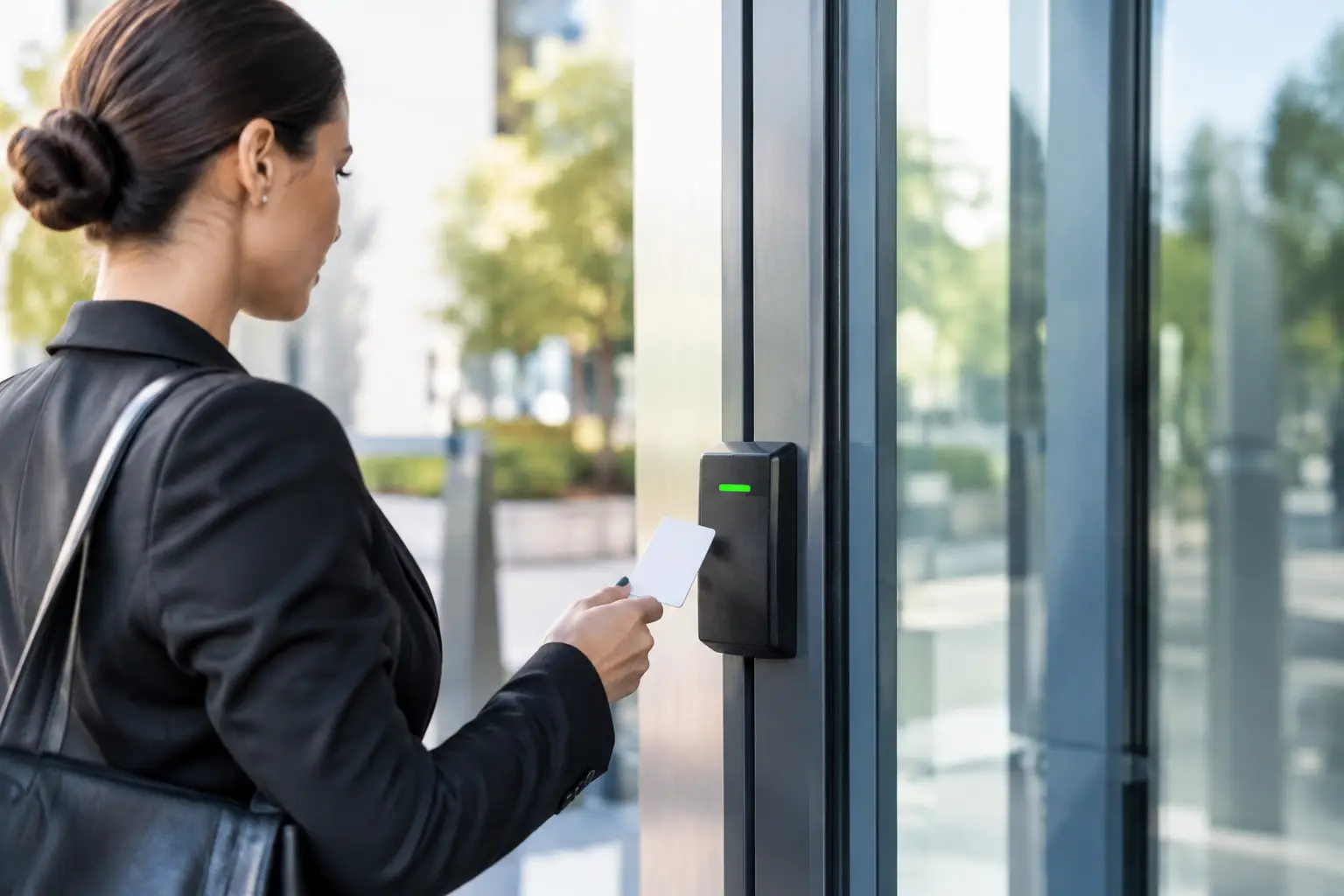
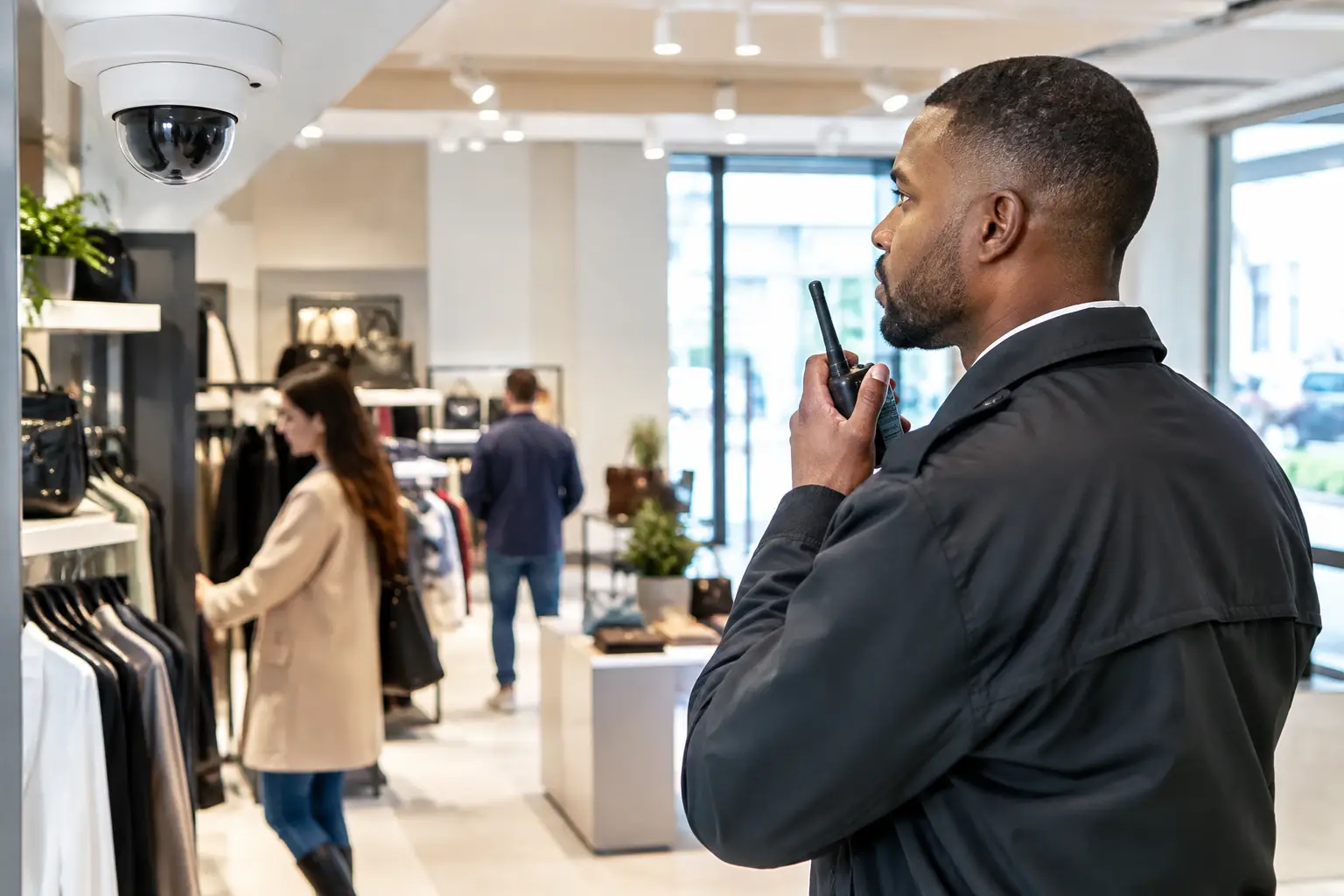
Video surveillance helps owners see what is happening at entrances, counters, storage areas, and exterior access points. Access control helps manage who can enter and when. Intrusion detection protects the property after hours, and mobile management lets the owner check status, receive alerts, and respond quickly.
For some businesses, video verification and smart analytics add another layer of value. A standard alert tells you a door opened. Verified video and analytics can provide stronger context around what triggered the event and whether immediate action is needed. That matters when every false alarm interrupts operations and every real event carries financial risk.
The right commercial setup also depends on the pace and layout of the business. A quiet office may need simple access schedules and lobby coverage. A busy retail location may need broader visibility, smarter after-hours protection, and stronger control over employee entry points. The design should support the way the business runs, not complicate it.
Why professional installation changes the outcome
Security devices are only as effective as their placement, configuration, and reliability. Professional installation matters because small mistakes have large consequences. A camera mounted too high can miss detail. A sensor placed poorly can trigger constant nuisance alerts or miss real activity. A control panel in the wrong location can be inconvenient at best and ineffective at worst.
Professional installation also creates a cleaner experience. Devices are integrated correctly, mobile controls are set up properly, and the system is tested as a complete solution. That means fewer headaches and better performance when it counts.
This is one reason many customers prefer a consultation-led process instead of building their own setup online. You are not just buying equipment. You are getting a system designed to work as one connected layer of protection.
Monitoring, deterrence, and what happens after an alert
A security system should do more than send a notification and hope you see it in time. Professional monitoring adds a response layer that many DIY systems cannot match. When an alarm, camera event, or environmental sensor is triggered, trained professionals can assess the signal and help move the response forward.
This matters even more when the system includes advanced deterrence and video-based awareness. Smart alerts, visible cameras, lights, and monitored verification can help discourage criminal activity before it escalates. For customers, that means the system is not just recording events after the fact. It is part of a more proactive protection strategy.
There is still a trade-off to consider. More visibility and more intelligence can mean more decisions during the design process. That is exactly why customization matters. The goal is not to add every available feature. It is to build the right level of protection for your property, your routines, and your budget.
The best system is the one built for your property
Security works best when it feels like it belongs there. The cameras make sense. The alerts are useful. The app gives you control instead of extra work. The monitoring adds confidence instead of complexity. That is what custom design is supposed to achieve.
If you are protecting a home, a family, or a business you have worked hard to build, generic coverage is rarely the smartest long-term choice. A system tailored to your space can help you prevent more, manage more, and worry less – and that peace of mind starts with a conversation about what your property actually needs.