
A break-in rarely starts with shattered glass and a dramatic sprint through the front door. More often, it starts with a person lingering near a delivery entrance after hours, testing a side gate, or circling a dark section of the parking lot to see if anyone notices. That is where video verified alarms for business change the outcome. Instead of treating every signal like a guessing game, they add visual confirmation that helps your monitoring team respond faster, smarter, and with more context.
For small and midsize businesses, that difference matters. A standard alarm can tell you that something happened. A video verified system can help show what is happening, whether it is a real threat, and how urgently it needs attention. That means fewer false alarms, better information for dispatch, and more confidence that your security system is doing more than making noise.
What video verified alarms for business actually do
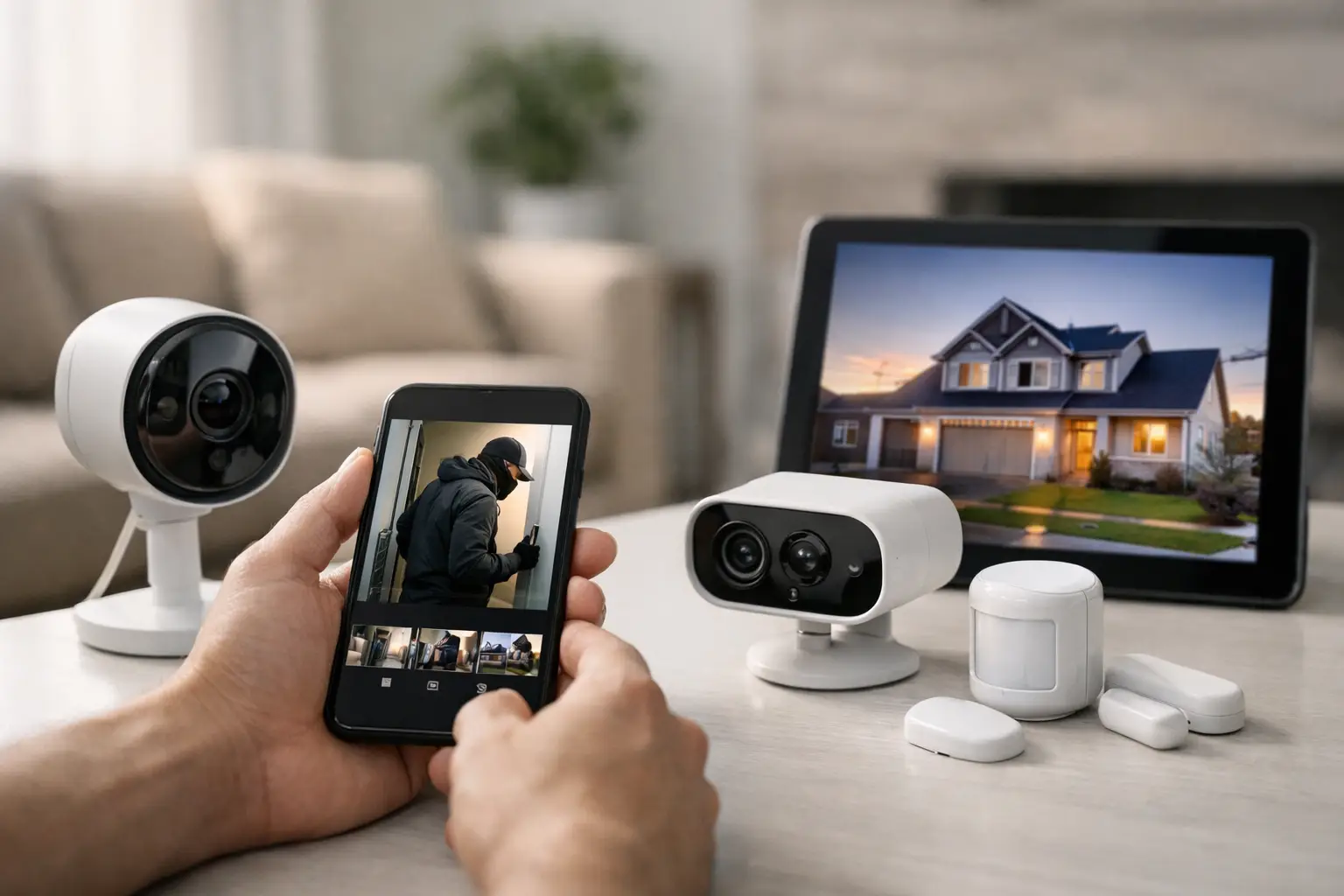
At the simplest level, a video verified alarm combines intrusion detection with cameras and professional monitoring. When a sensor is triggered, associated video clips or live views can help trained monitoring agents verify the event. If a real intrusion, attempted break-in, or suspicious activity is confirmed, that information can be passed to first responders with far more detail than a standard alarm call provides.
That detail changes the quality of the response. Instead of saying a motion detector tripped at your storefront, the monitoring center may be able to report that a person entered through the rear door, is moving toward the cash wrap, and appears to be carrying a bag or tool. The more accurate the information, the easier it is to prioritize a real event.
This is also where business owners see a practical advantage over basic camera systems. Cameras that only record footage are useful after the fact. Video verification is built to support action while an event is still unfolding.
Why standard alarms often fall short
Many businesses still rely on a basic setup of door contacts, motion sensors, and a siren. That can be enough for a very small space, but it has limits. If an employee opens up early and forgets to disarm, the system may trigger. If a sensor is poorly placed, environmental changes can create nuisance alarms. If a monitoring center cannot verify the cause, responders may treat it as a lower-priority call, depending on local policies.
False alarms create costs that are not always obvious at first. They can lead to fines, interrupt operations, frustrate staff, and make owners less likely to take alerts seriously. Over time, that weakens trust in the system.
Video verification helps solve that problem because it gives a clearer picture of what set the alarm off. If it is a real person in a restricted area after hours, the signal can be escalated with confidence. If it is an authorized employee or a harmless event, the response can be handled appropriately without unnecessary dispatch.
Where video verified alarms make the biggest difference
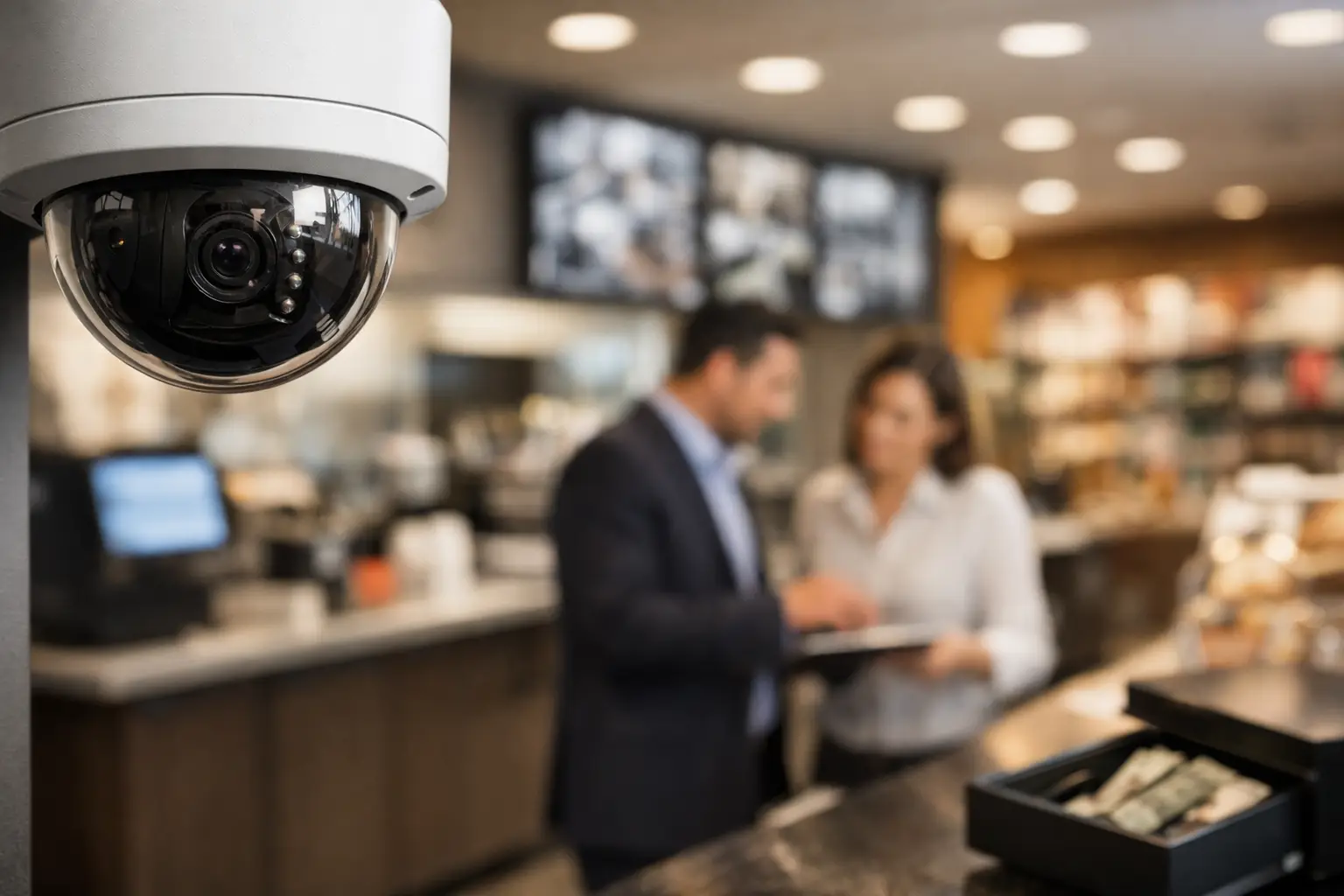
Retail stores are a natural fit because they often have multiple entry points, high-value inventory, and predictable open and close times. A back door opened after hours is one thing. A back door opened after hours with visible unauthorized entry is another. The second scenario supports a stronger response.
Offices benefit as well, especially when there are server rooms, stockrooms, or controlled-access spaces that should not be entered outside business hours. Restaurants, medical offices, salons, warehouses, and service businesses can all use video verification to reduce blind spots and improve after-hours protection.
For multi-site operators, the value grows quickly. If you manage several locations, you do not want to sort through fragmented alerts from disconnected systems. A professionally designed setup can help centralize what matters so you can see which event needs immediate attention and which one does not.
The real benefit is better decision-making
Security is not just about catching intruders. It is about making the right decision under pressure. Video verified alarms support that in three ways.
First, they improve situational awareness. You are not relying on a sensor name and a timestamp alone. You have visual context.
Second, they support faster intervention. A professionally monitored system can assess the event and act based on what is actually happening.
Third, they create stronger evidence. If a crime occurs, recorded clips can help document entry points, timelines, clothing, and movement inside or around the property.
That does not mean every business needs cameras covering every inch of the building. Placement matters more than volume. Entry points, cash handling areas, inventory zones, alleys, and exterior approaches often deliver the highest value.
Video verified alarms for business and police response
Response times depend on your local jurisdiction, dispatch load, and alarm policies. No provider can promise an identical outcome in every city or town. But video verification can help your monitoring signal carry more weight because it offers confirmation instead of assumption.
That distinction matters in areas where law enforcement is stretched thin or where unverified alarms receive lower priority. If dispatch receives information that a trained operator has visually confirmed unauthorized entry, it can improve how the call is classified.
There is a trade-off here, though. The system needs to be designed correctly to deliver that benefit. Poor camera placement, weak lighting, unreliable connectivity, or a patchwork of mismatched devices can limit what the monitoring center can verify. That is one reason professionally installed systems are often the better fit for business use. The goal is not just to add cameras. The goal is to create a system that performs when it counts.
What to look for in a business-ready system
Not every camera-enabled alarm setup is truly built for video verification. If you are comparing options, focus on how the system works as a whole.
Start with professional monitoring. Video footage is most useful when someone is available to review it immediately and take action. A recorded clip you notice an hour later is still helpful, but it is not the same as live response.
Next, look at camera coverage and analytics. Smart detection can help identify people and suspicious motion patterns, which reduces noise and helps focus attention on meaningful events. Exterior cameras, indoor cameras, and deterrence features such as lights or audio alerts may also play a role depending on the property.
Integration matters just as much. Your intrusion sensors, cameras, access control, mobile app, and alerts should work together. When systems are fragmented, response gets slower and day-to-day management gets harder.
Ease of use is another practical factor. Owners and managers should be able to arm and disarm the system, check footage, manage users, and receive alerts without dealing with a complicated interface. Strong security should make the business easier to run, not harder.
Why professional installation matters
Business security is rarely one-size-fits-all. A boutique retail store, a neighborhood restaurant, and a light industrial space all have different traffic patterns, risk points, and operating hours. A consultation-led approach helps match the system to the property instead of forcing the property to fit a prebuilt package.
Professional installation also helps avoid the small mistakes that reduce performance later. Camera angles, mounting height, field of view, sensor alignment, lighting conditions, and network reliability all affect whether an event can actually be verified. When the system is designed around your layout and routines, it is more likely to work the way you expect.
That is especially important for business owners who do not want a DIY project. If your priority is reliable protection with less guesswork, expert design and ongoing monitoring support are part of the value.
Is it worth the investment?
For many businesses, yes, especially if false alarms, theft risk, after-hours vulnerability, or limited on-site staff are already concerns. The cost is higher than a bare-bones alarm system, but the return is not just about replacing stolen items after a loss. It is about improving the chance of intervention, reducing avoidable dispatches, and giving owners more control over what happens at their property.
It also helps to think beyond intrusion. Many business security systems can be built as part of a broader setup that includes smart access control, environmental monitoring, and mobile management. That creates a more complete operating system for the property, not just an alarm panel on the wall.
For businesses that want a professionally installed, easy-to-manage solution, Fluent Home brings video, intrusion detection, smart control, and 24/7 monitoring together in a way that is built for real-world use.
If your current alarm only tells you that something might be wrong, it may be time for a system that can show you what is actually happening and help the right response happen faster. That kind of clarity is not a luxury for a business owner. It is peace of mind you can use every day.