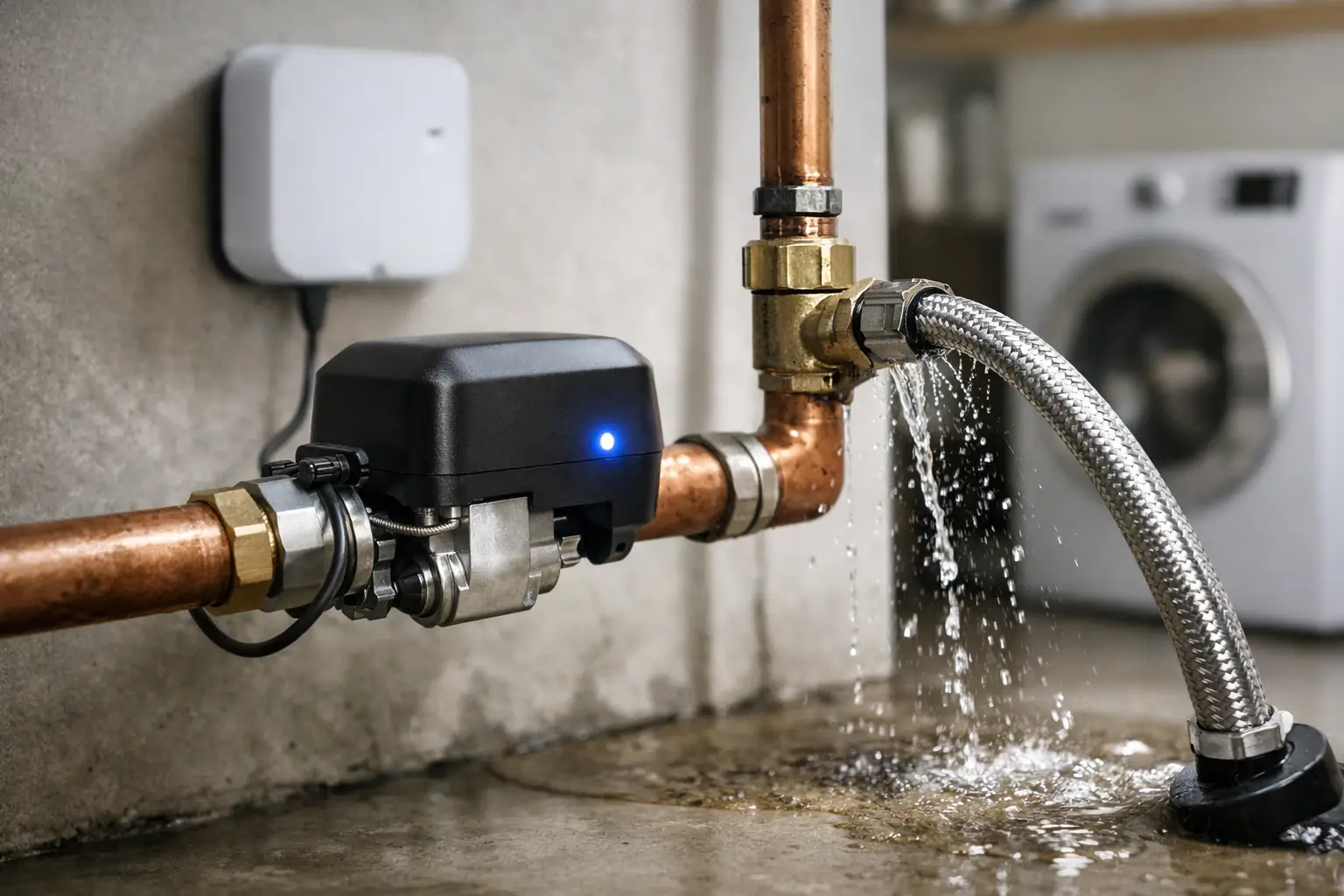
A washing machine hose can fail in minutes, but the damage can continue for hours if no one is home to see it. Smart water shutoff systems give homeowners and business owners a faster way to respond by detecting unusual water activity and closing the main water supply before a small leak becomes a major repair.
For properties already protected with security, cameras, smoke detection, and mobile controls, water protection is a practical next step. It adds another layer of oversight to the places where expensive damage often starts quietly: under sinks, behind appliances, near water heaters, and inside utility rooms.
What Are Smart Water Shutoff Systems?
A smart water shutoff system is designed to monitor your plumbing and control the main water valve. Depending on the equipment, it may detect a leak through connected flood sensors, track unusual water flow, or do both. When a problem is identified, the system can send an alert to your phone and, in many setups, automatically turn off the water.
That response matters because water damage is rarely limited to the original leak. A cracked supply line can soak flooring, cabinets, drywall, insulation, inventory, or equipment. Even a slow leak can create conditions for mold, weaken materials, and lead to repairs that are far more disruptive than the plumbing issue itself.
The strongest systems are not just alarms. They give you control. If a sensor reports water near a washing machine or water heater, you can check the alert, take action from your mobile app, and help limit exposure even when you are away.
How a Smart Shutoff Protects Your Property
Traditional leak alarms are helpful, but they depend on someone hearing the alert and getting to the property quickly. A smart shutoff adds an active response. It can reduce the time between detection and action, which is often the difference between cleaning up a small puddle and replacing part of a room.
Detect water where leaks commonly begin
Flood sensors can be placed near appliances, water heaters, sump pumps, sinks, toilets, and other high-risk areas. When water reaches the sensor, the system sends an immediate notification. This is especially valuable for basements, laundry rooms, vacant properties, vacation homes, and business locations that may not have someone on-site at all times.
Sensor placement is important. One device near the water heater does not protect every plumbing connection in the building. A professionally designed setup considers the property layout, appliance locations, finished spaces below plumbing, and the areas where a leak would create the greatest loss.
Shut off water before the damage spreads
A smart valve controller is installed at the main water line or works with a compatible shutoff valve. When the system receives a qualifying leak alert, it can close the valve to stop or limit the flow of water into the property.
Automatic shutoff is particularly useful for sudden failures, such as a burst hose or a broken pipe. In those moments, an alert alone may not be enough. You could be driving, sleeping, traveling, or unable to reach the property right away.
There is a trade-off to consider: closing the main valve stops water to the entire property, not just the leaking fixture. That can temporarily affect bathrooms, kitchens, irrigation, and certain equipment. For most owners, that interruption is preferable to allowing water to run unchecked. The right configuration depends on how the property is used and whether it contains systems that need a continuous water supply.
Put water controls in the same app as your security
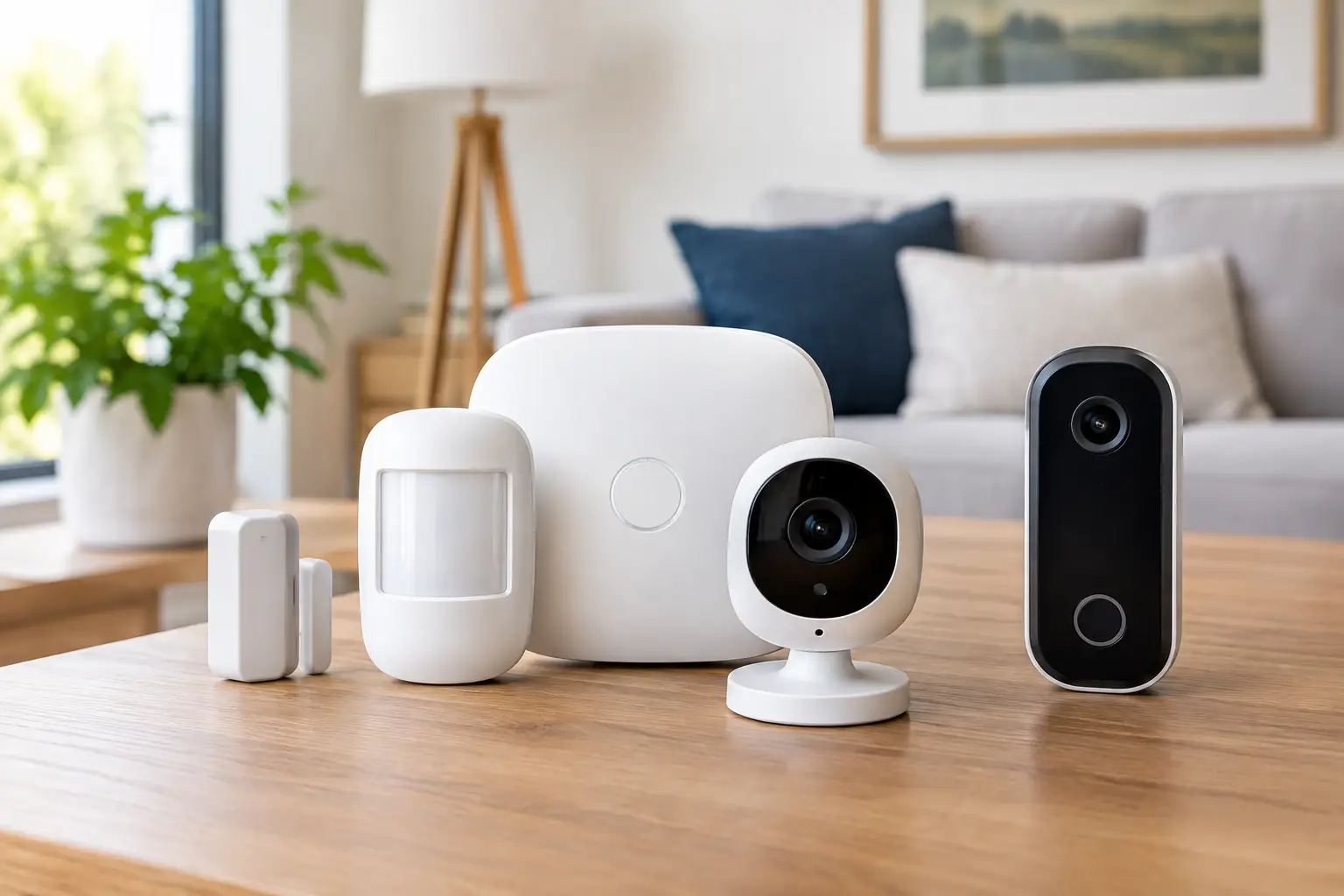
Managing separate apps for cameras, alarms, locks, thermostats, and leak sensors can make an emergency harder to handle. An integrated smart home system brings key controls and alerts into one place.
From the same mobile experience used to check cameras or arm the security system, you can receive water alerts and manage the valve. That means faster decisions without searching for a separate account, remembering another password, or relying on a neighbor to enter the home.
Who Benefits Most From a Smart Water Valve?
Any property with plumbing can experience a leak, but smart water shutoff systems are especially useful for owners with higher exposure or less time to react.
Homeowners often choose them to protect finished basements, renovated kitchens, hardwood floors, and belongings stored near plumbing. Families may also appreciate the ability to check on a property while at work, on vacation, or away for the weekend.
For small businesses, the risk can extend beyond repair costs. A leak in a retail space, office, salon, restaurant, or rental property can interrupt operations and affect customers, employees, inventory, and neighboring units. Remote alerting and shutoff control can help an owner respond before arriving on-site.
Landlords and owners of second homes also have a clear use case. A property that sits empty for days or weeks has fewer chances for someone to notice a drip, failed toilet connection, or appliance leak early. Smart monitoring creates visibility when the building is unattended.
What to Look for Before You Choose a System
Not every product offers the same protection. Some systems rely entirely on individual water sensors, while others monitor flow at the main line. Some can notify you but cannot close the valve. Others provide automatic shutoff, remote control, and integration with a broader security platform.
Before selecting equipment, consider these five questions:
- Can the system automatically shut off the main water supply after a leak is detected?
- Where should sensors be placed to cover the highest-risk areas of the property?
- Will the valve controller work with your existing plumbing and main shutoff configuration?
- Can you receive and act on alerts from one mobile app alongside your security system?
- Who will install, test, and support the equipment if your plumbing layout is more complex than expected?
Professional installation can make a meaningful difference here. The valve needs to be compatible with the existing shutoff, accessible for service, and installed correctly so it can operate when needed. Sensors also need thoughtful placement. A sensor positioned too far from the source may not detect water until it has already spread.
Smart Water Protection Works Best as Part of a Plan
A shutoff system is a powerful safeguard, but it does not replace basic maintenance. Check appliance hoses for wear, address slow drips promptly, know where your manual main valve is located, and avoid storing valuables directly on basement floors. If you leave a home vacant for an extended period, consider whether turning off the water manually is appropriate for the season and the building’s needs.
It is also wise to think through exceptions. Some homes use water-dependent heating equipment, humidifiers, sprinkler systems, or specialized appliances. An automatic shutoff plan should account for those systems so protection does not create an avoidable operational problem. A professional consultation can help identify the right valve settings, sensor locations, and response rules for your property.
Fluent Home can help build water protection into a professionally installed smart security system, with controls designed to be simple to manage from your phone. The goal is not to make you think about plumbing every day. It is to give you a practical response when water appears where it should not.
A leak does not have to become a disaster just because it happens out of sight. Protect the places where water can do the most damage, test the system after installation, and make sure everyone responsible for the property knows how alerts and shutoff controls work.