A security system should do more than sound an alarm after someone enters. The right smart home security guide starts with a simpler goal: help you see what is happening, respond quickly, and protect the people and property that matter most. For homeowners, that can mean stopping a package thief at the door. For a small business owner, it can mean checking a closing shift, managing access, or receiving an alert before a water leak becomes a costly repair.
The strongest systems bring intrusion protection, video, environmental safety, automation, and professional support into one connected experience. You should not have to manage a collection of disconnected devices or wonder who will respond when an emergency happens.
What a Smart Home Security System Should Protect
Security starts with the risks around your property, not with a preselected equipment package. A front-door camera is useful, but it cannot replace door and window sensors. An alarm can alert you to a break-in, but it will not detect carbon monoxide or shut off water during a leak.
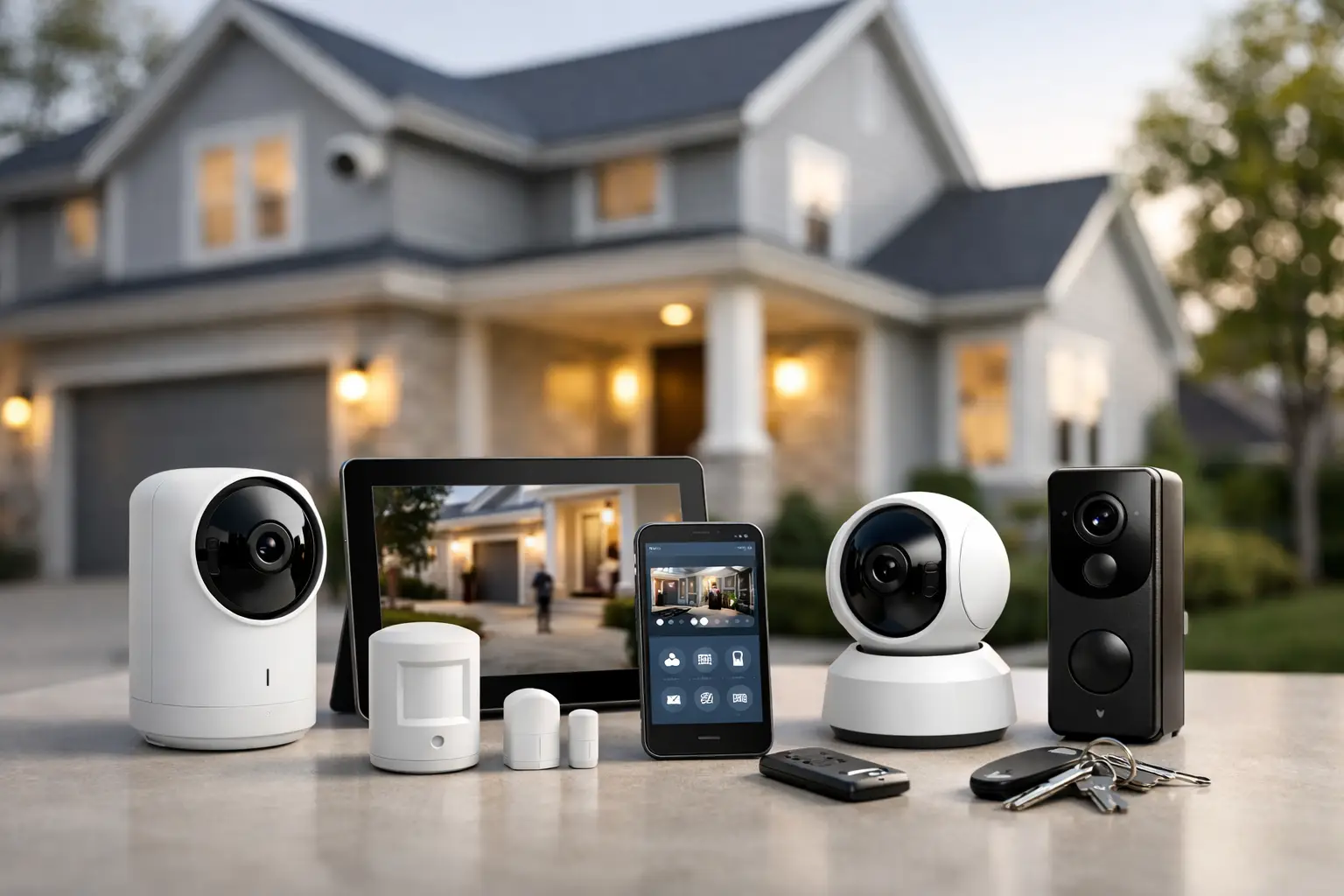
A complete professionally installed system can cover several areas at once:
- Intrusion detection for doors, windows, garages, and interior activity
- Video surveillance for entrances, driveways, backyards, and common business areas
- Life safety devices for smoke, carbon monoxide, flooding, and temperature concerns
- Smart controls for locks, garage doors, lighting, and thermostats
- 24/7 professional monitoring and video verification for urgent events
Not every property needs every device on day one. A condo owner may prioritize a video doorbell, smart lock, and monitored sensors. A family in a detached home may need perimeter coverage, outdoor cameras, flood sensors near appliances, and garage control. A small business may need monitored intrusion detection, cameras, and access control for employees. The value comes from designing around the property, routines, and real concerns.
Smart Home Security Guide: Build Around Your Entry Points
Most break-ins involve an entry point. Begin with every exterior door, accessible window, attached garage, and secondary entrance. These are the places where monitored sensors create an immediate layer of awareness.
Door and window contacts can notify you when an opening is breached. Motion detectors provide another layer inside, especially in hallways, main living areas, stock rooms, or offices. Glass-break detection may make sense in rooms with large ground-level windows or doors with glass panels.
The control panel matters, too. It should be easy for everyone in the household or business to use, with clear arming options and mobile app access when you are away. A professionally designed system can account for pets, children, employees, and normal traffic patterns so alerts are meaningful rather than disruptive.
Do not overlook the garage
Garages are often treated as storage space, yet they can provide direct access to the home and hold tools, vehicles, and equipment. A garage door controller lets you check whether the door is open, close it remotely, and receive alerts if it is left open. Adding a sensor to the interior door between the garage and home provides another important layer of protection.
Use Cameras to Verify, Deter, and Respond
Cameras are most useful when they are placed with a purpose. A video doorbell helps you monitor visitors and deliveries. Outdoor cameras can cover driveways, side gates, patios, and backyard access. Indoor cameras may help watch a main entry, pet area, office, or business register area.
Placement determines whether video is helpful. Cameras should capture faces at entry points, vehicle activity in driveways, and the path someone would take toward the home or business. They should not be mounted so high that they only record the top of a hat. Professional installation helps account for viewing angles, lighting, Wi-Fi coverage, weather exposure, and local privacy expectations.
Modern video analytics can distinguish relevant movement from routine activity. Instead of receiving an alert for every passing car or moving branch, you can focus on people, vehicles, and activity in selected areas. AI-enhanced deterrence can also help discourage suspicious behavior with proactive warnings before a situation escalates.
For higher-risk events, 24/7 video verification adds meaningful support. Trained professionals can review a verified event and help coordinate a faster, more informed response. This moves protection beyond passive recording. A clip is useful after an incident, but a verified response can help when time matters.
Add Safety Sensors for the Emergencies You Cannot See
Burglary is only one threat to a property. Smoke, carbon monoxide, freezing temperatures, and water leaks can cause serious harm with little warning. Connected environmental devices provide alerts at home and through your mobile app, while professional monitoring can help ensure an emergency is not missed.
Smoke and carbon monoxide detectors are essential because these events can happen while you are asleep or away. Flood sensors are particularly valuable near water heaters, washing machines, dishwashers, sinks, sump pumps, and finished basements. If your home has a compatible smart water valve, it may be possible to shut off the water remotely or automatically after a leak is detected.
These devices are practical protection, not extras. A small leak found early can prevent damage to flooring, walls, furniture, inventory, and equipment. For seasonal homes, rentals, and businesses closed overnight, that early warning can be especially valuable.
Make Everyday Control Part of Your Security Plan
Smart security should make daily routines easier, not create another task list. A single mobile app can let you arm or disarm the system, check cameras, lock a door, close the garage, adjust the thermostat, and receive event notifications from wherever you are.
Smart locks are useful for families, guests, cleaners, contractors, and business employees. Rather than handing out physical keys, you can create codes and manage access with greater control. If someone leaves a job or a contractor finishes work, access can be updated without rekeying every lock.
Lighting also supports security. Scheduled lights can make an empty home appear occupied, while automated lighting can improve visibility around entryways after dark. Thermostat controls add convenience and can help protect a vacant property during extreme temperatures. The right automations should fit real habits, such as arming the system at bedtime or closing the garage after you leave.
Why Professional Installation and Monitoring Matter
DIY devices can work for limited needs, but a connected property deserves a system that has been planned and installed correctly. Coverage gaps, weak Wi-Fi locations, poor camera angles, incompatible devices, and improperly placed sensors can reduce the value of otherwise capable equipment.
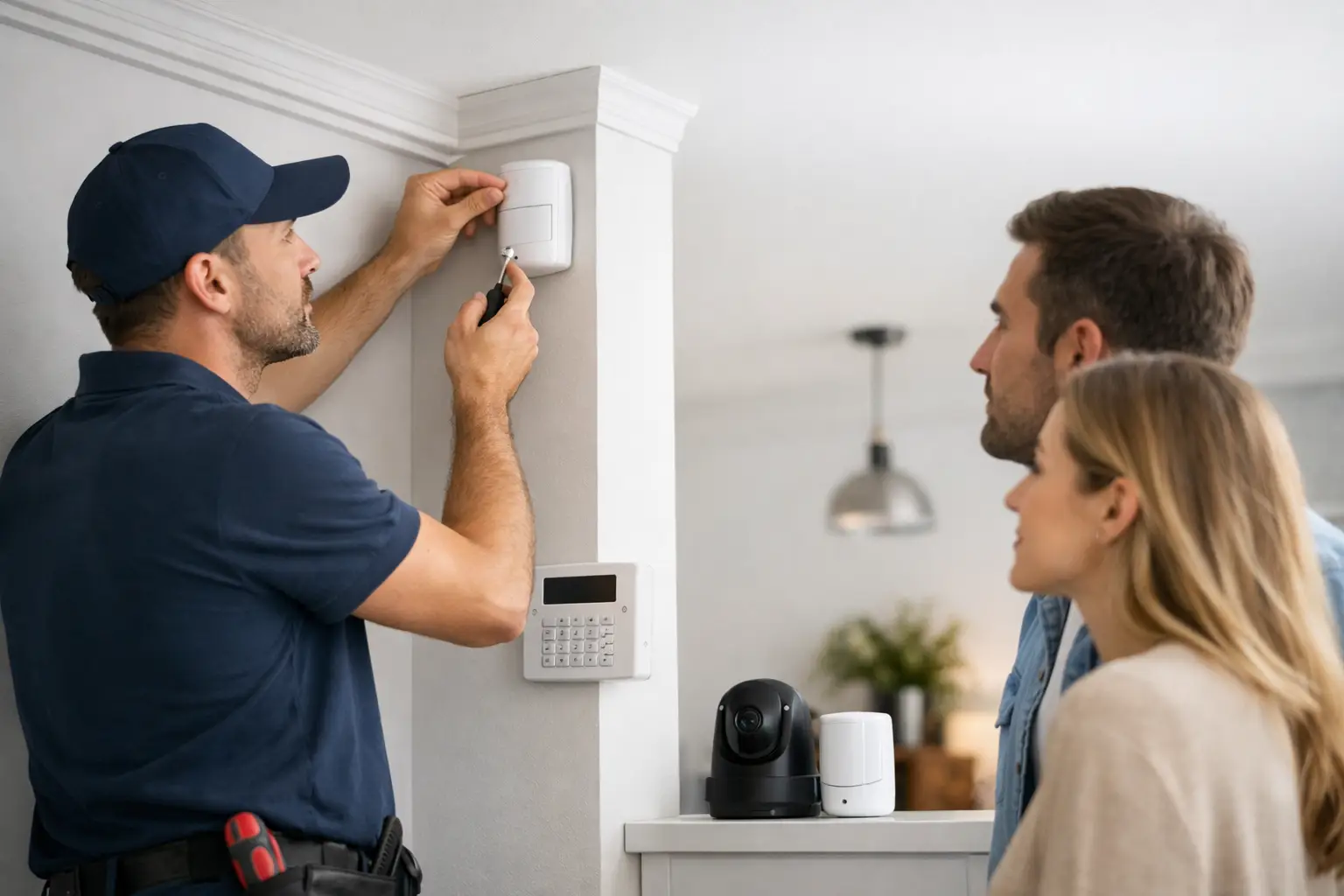
Professional installation removes much of that uncertainty. A security specialist can evaluate entry points, identify camera locations, recommend life safety devices, and make sure your system works as one solution. You also have support when questions arise, rather than relying on trial and error.
Professional monitoring adds another layer of peace of mind. If an alarm is triggered while you are in a meeting, on a flight, asleep, or simply unable to answer your phone, a monitoring team can follow the appropriate response procedures. It is not a replacement for good locks, clear sightlines, or smart habits. It is the support system behind them.
Choose a System That Can Grow With You
Your needs may change after installation. You might add a camera when a new vehicle is parked outside, install a smart lock for a rental unit, or add flood protection after a neighbor experiences water damage. A modular system lets you start with priority devices and expand without replacing the core of your protection.
Before choosing a provider, ask how the system handles professional monitoring, video verification, service, mobile control, and future additions. Also ask which features require subscriptions and what happens if your internet connection is interrupted. Clear answers help you choose protection that fits both your property and budget.
Fluent Home can help design a customized system around the way you live or run your business, with professional installation and connected protection from one app. The best next step is a custom assessment that identifies the entry points, safety risks, and daily routines that deserve the most attention. When your system is designed for your actual property, peace of mind becomes something you can use every day.