A security system should do more than sound an alarm after someone has entered your home. The best home security features help you see what is happening, discourage trouble before it escalates, and respond quickly when an emergency occurs. For homeowners, that means more confidence whether you are upstairs, at work, or away for the weekend.
The right setup depends on your property, routines, and biggest concerns. A family with school-age children may prioritize smart locks and indoor awareness. A homeowner who travels often may care most about verified alarms, exterior cameras, and remote controls. The goal is not to add every device available. It is to build connected protection that covers the moments and areas that matter most.
8 Best Home Security Features for Complete Protection
1. Professional 24/7 monitoring
Professional monitoring is the feature that turns connected devices into a dependable response plan. When a protected door or window opens unexpectedly, a smoke detector senses danger, or an alarm is triggered, monitoring professionals can assess the event and contact you or emergency services based on your plan.
This matters when you cannot reach your phone, are asleep, or are too far away to act. Self-monitored alerts can be useful, but they still rely on you seeing a notification and making a decision under pressure. Professional monitoring adds another layer of support when seconds count.
Look for a provider that can support more than burglary alarms. Fire, carbon monoxide, and water events deserve the same attention, especially because these emergencies can cause serious damage without any visible sign from outside the home.
2. Smart intrusion detection at doors and windows
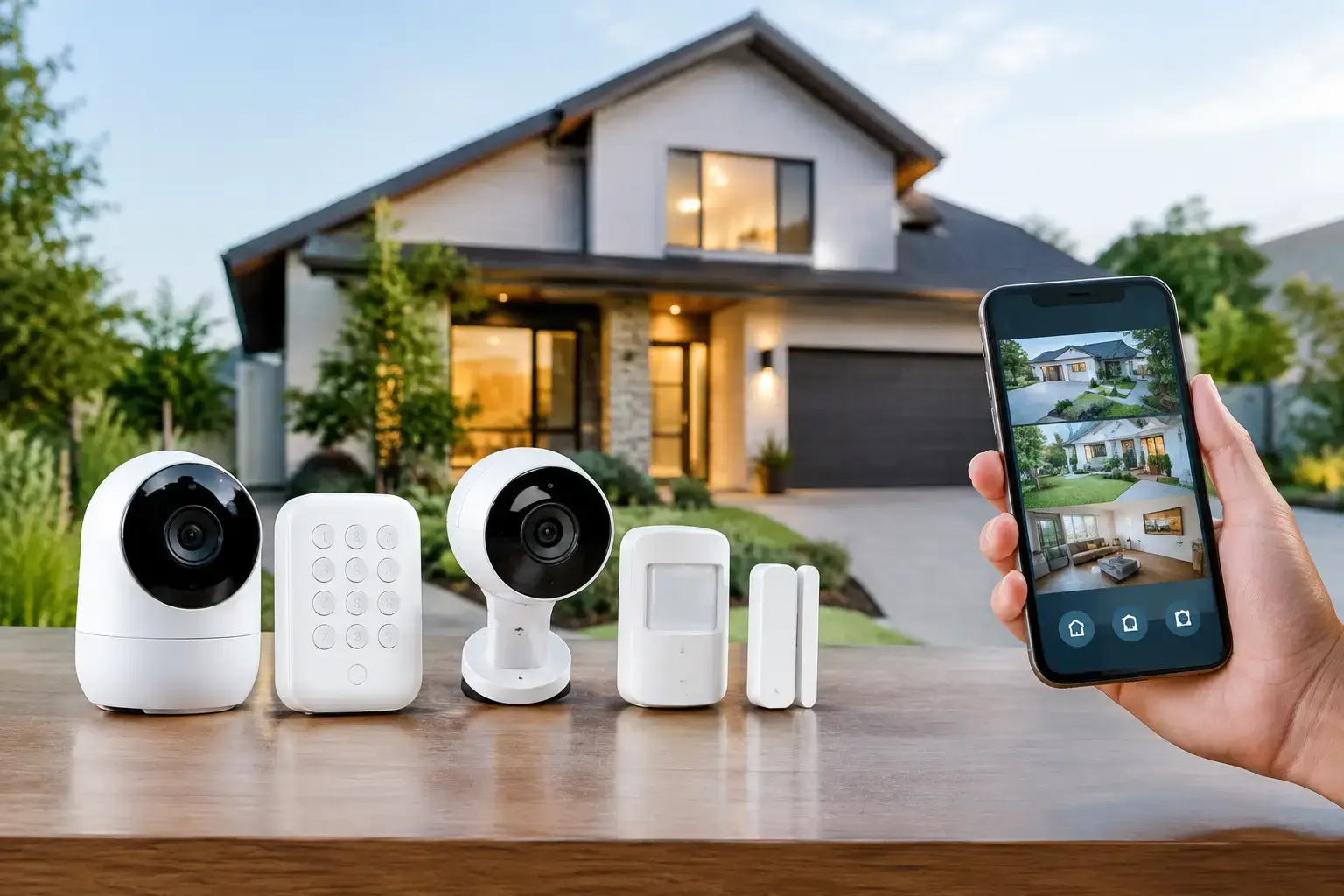
Doors and first-floor windows are common entry points, so dependable sensors are the foundation of a home security system. When the system is armed, door and window contacts can alert you when an opening occurs. Motion sensors extend that coverage to interior areas where activity should not be happening.
The advantage of a professionally designed system is placement. A security professional can identify vulnerable entry points, account for pets and household traffic, and recommend the right mix of perimeter and interior protection. That helps reduce blind spots and nuisance alarms.
For many households, perimeter protection is especially useful at night. You can arm doors and windows while people still move freely inside, giving your family protection without making the home feel restricted.
3. Outdoor cameras with active deterrence
A visible camera can make someone think twice before approaching a property. The most effective outdoor cameras go further by providing clear video, intelligent motion alerts, night vision, and active deterrence features such as lights or audible warnings.
Placement matters as much as camera count. Focus first on the front entry, driveway, side gates, backyard access, and any area where a person could approach without being noticed. A doorbell camera is valuable for visitors and deliveries, while a floodlight camera can cover larger, darker outdoor spaces.
Video analytics can help distinguish meaningful activity from routine movement. Instead of receiving an alert every time leaves blow across the driveway, you can receive notifications tied to a person, vehicle, or other event that deserves attention. No camera eliminates every false alert, but smarter filtering makes the system more useful day to day.
4. Video verification for faster, more informed response
A standard alarm tells you that a device was activated. Video verification can provide additional context around what triggered that alarm. With 24/7 video monitoring and verification, trained specialists may be able to review an event, determine whether a real threat is present, and help support an informed emergency response.
This is a meaningful difference between passive recording and proactive protection. Recorded footage can be helpful after an incident, but real-time assessment is designed to help address a potential break-in while it is unfolding.
Video verification is not necessary for every home, and camera coverage must be planned thoughtfully to respect privacy. Still, it is a strong option for homeowners who want more than a notification when an alarm occurs, particularly for homes that are frequently vacant or have multiple entry points.
5. Smart locks and remote access control
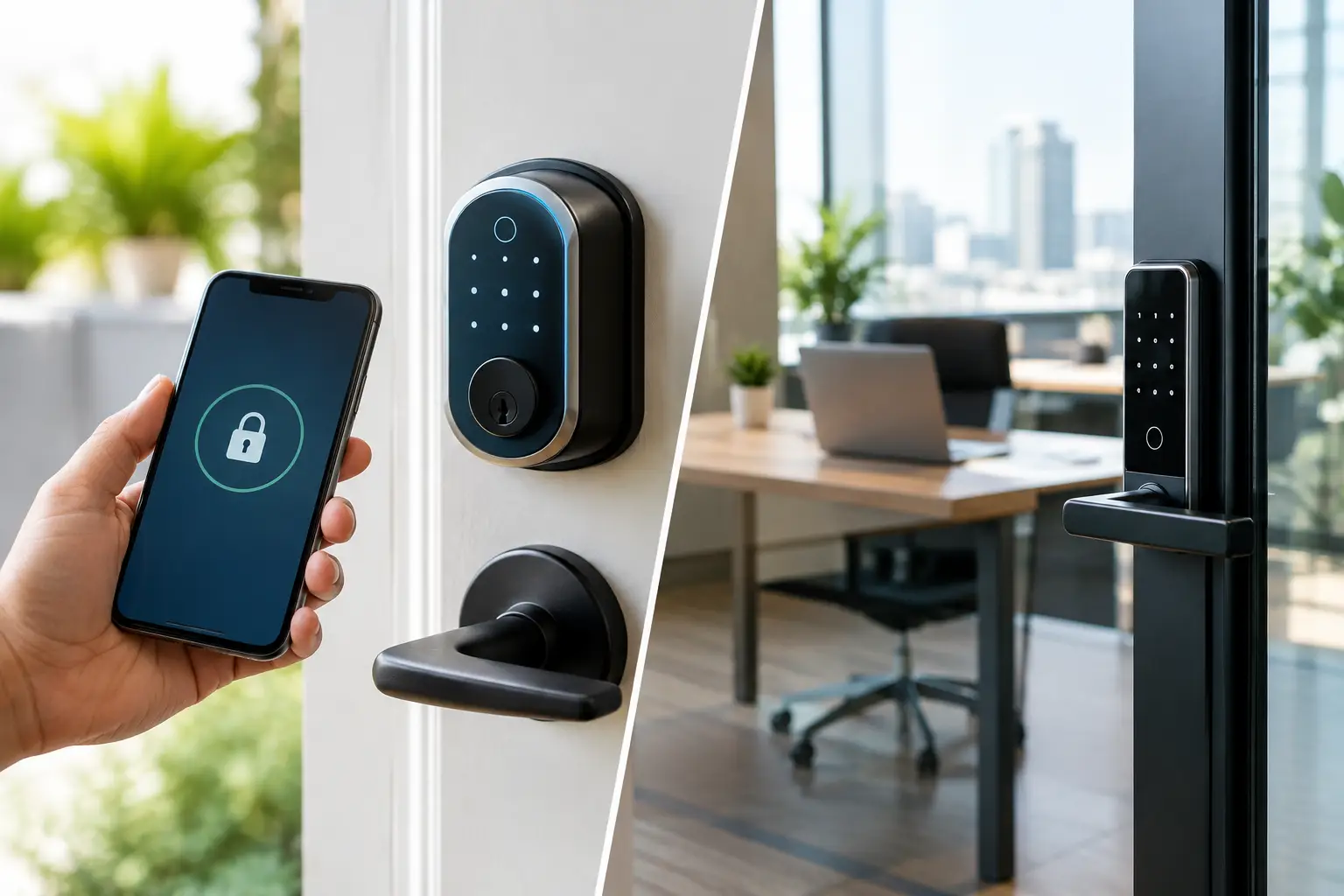
A smart lock lets you lock or unlock a compatible door from your mobile app, check whether it is secured, and create unique access codes for people you trust. That can simplify everyday situations: letting in a dog walker, providing temporary access to a contractor, or confirming that the front door was locked after a rushed morning.
The security benefit comes from control and visibility. Rather than hiding a spare key or sharing one code with everyone, you can manage access more intentionally. Many systems can also send an alert when a user code is used, creating a useful record of arrivals and departures.
Smart locks work best as part of an integrated system. Pairing them with a doorbell camera and mobile alerts gives you a clearer view of who is at the door and when access is granted.
6. Fire, carbon monoxide, and environmental detection
The most serious threats to a home are not always intruders. Smoke, carbon monoxide, freezing temperatures, and water leaks can create life-safety risks or expensive property damage. Connected environmental devices help bring these hazards into the same protection plan as your security system.
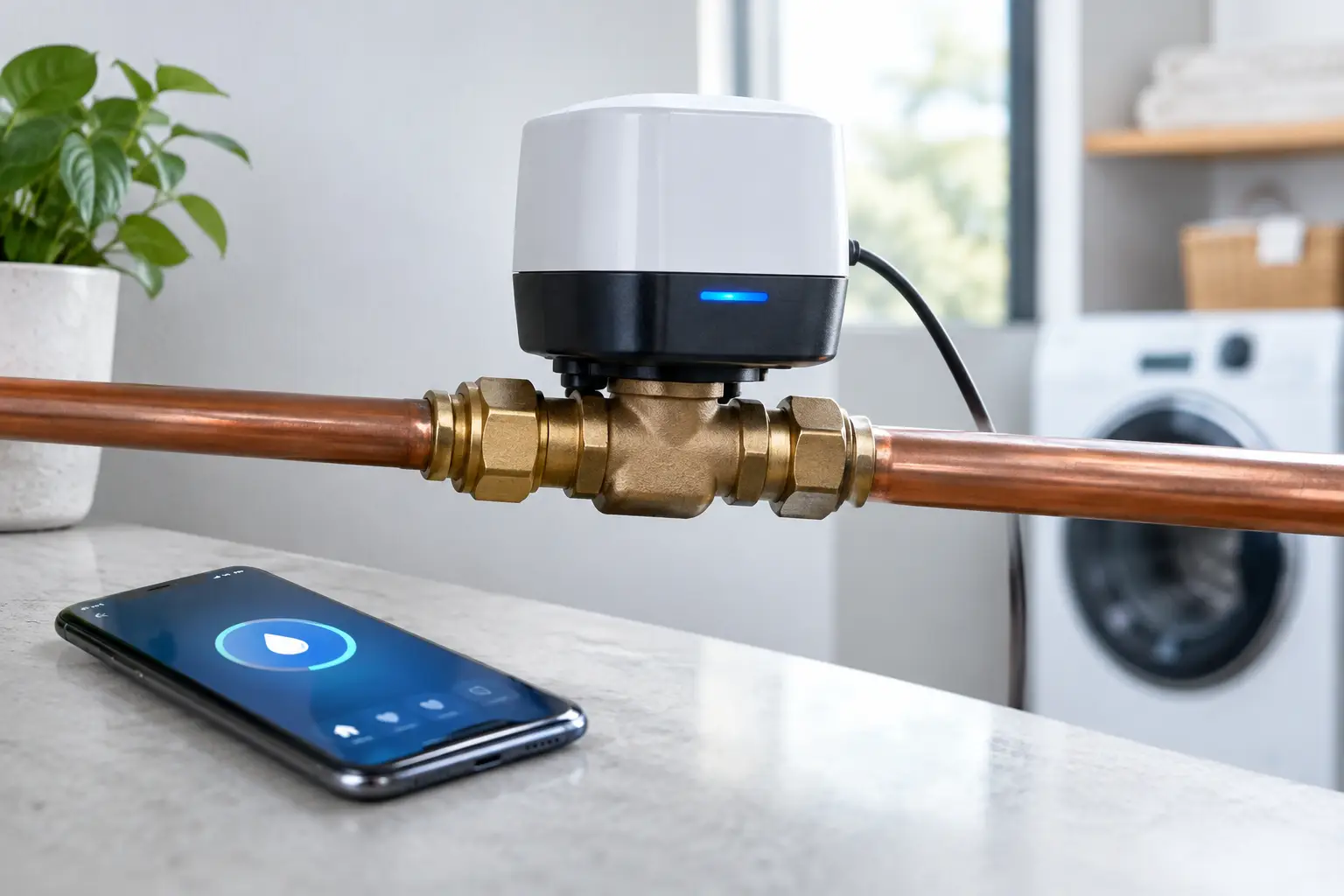
Professionally monitored smoke and carbon monoxide detectors can provide added reassurance when you are not home. Flood sensors can be placed near water heaters, washing machines, sinks, sump pumps, and other leak-prone areas. For greater protection, a smart water valve can shut off a home’s water supply when a leak is detected, limiting damage before it spreads.
Environmental protection is particularly valuable for vacation homes, rental properties, and households that spend long stretches away. A small leak can become a major repair if no one knows about it for days.
7. One mobile app for security and home control
A good smart security system should make protection easier to manage, not add another collection of apps, passwords, and disconnected alerts. Centralized mobile control lets you arm or disarm your system, view cameras, manage locks, adjust compatible thermostats, operate garage doors, and receive alerts from one place.
Convenience supports better security habits. When checking the system status takes only a moment, you are more likely to use it consistently. Automated routines can also help. For example, you may set lights to turn on at scheduled times, receive a reminder when a garage door is left open, or arm the system before bed with a single command.
Home automation is not a replacement for physical security and monitoring. It is a practical complement that helps your home appear occupied, reduces everyday oversights, and gives you more control when plans change.
8. Professional installation and a customized system design
Even advanced equipment cannot protect areas it does not cover. Professional installation helps ensure sensors, cameras, control panels, and life-safety devices are positioned for reliable performance. It also removes the uncertainty of figuring out device compatibility, power needs, network connections, and mounting locations on your own.
Customization matters because no two homes have the same layout or risk profile. A townhome may need focused entry protection and a doorbell camera. A larger property may benefit from perimeter cameras, multiple motion zones, garage control, and water protection. The best plan starts with how you use your home, not with a one-size-fits-all equipment bundle.
How to Choose the Right Home Security Features
Start by identifying the events you want to prevent, detect, or manage. Break-in concerns may point to entry sensors, cameras, active deterrence, and professional monitoring. Package theft may make a doorbell camera and smart lock the priority. Concerns about home damage may call for smoke, carbon monoxide, flood detection, and water shutoff capabilities.
Then consider how you want to respond to alerts. If you want support when you are unavailable, professional monitoring and video verification deserve serious consideration. If remote control is your biggest goal, look for a system that combines security, locks, cameras, garage access, and automation in one app.
Fluent Home can help homeowners build a professionally installed system around the risks, routines, and devices that fit their property. A free custom quote can clarify which features will make the greatest difference without paying for equipment you do not need.
The right security system should give you a simple answer to a complicated question: if something happens at home, who will know, what will they see, and what can happen next?