A vacation home should feel like an escape, not a property you worry about from hundreds of miles away. The right security system for vacation homes gives you a clear view of what is happening, alerts you when something needs attention, and connects trained professionals when a real emergency occurs.
Unlike a primary residence, a second home may sit empty for weeks or months. A missed water leak can become major damage. A package left at the front door can signal that no one is home. An open window, power outage, or smoke alarm deserves a response before a neighbor happens to notice. That is why vacation-home protection needs more than a basic alarm.
What a Vacation Home Security System Must Cover
A well-designed system protects against more than break-ins. It should help you monitor entry points, verify activity around the property, detect environmental hazards, and manage key home functions remotely. The goal is simple: know what is happening and have a clear path to action.
Intrusion protection for an empty property
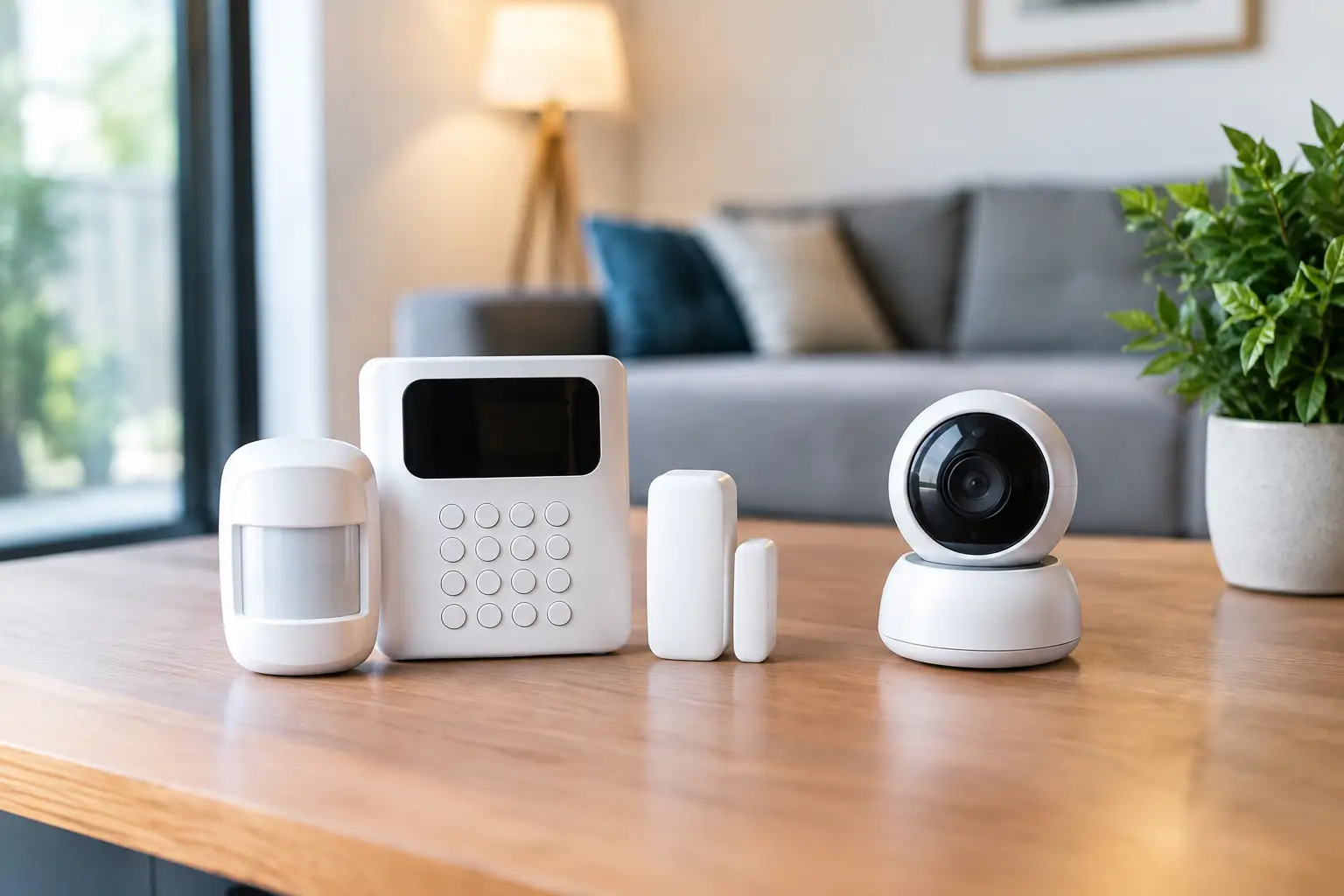
Door and window sensors are the foundation. They can alert you when an entry point opens unexpectedly, while motion detectors add another layer inside the home. A professionally installed system helps ensure these devices are placed where they can protect likely access points without creating unnecessary false alarms.
For many vacation properties, the garage, sliding doors, basement access, and detached structures need special consideration. A standard package may not cover every vulnerability. A custom design is especially valuable when a property has multiple levels, a boat house, a workshop, or several exterior doors.
Professional 24/7 monitoring adds protection when you are unavailable, asleep, or traveling internationally. If an alarm is triggered, monitoring professionals can assess the situation and take the appropriate next step according to your emergency plan. This is a meaningful advantage over an alert that only appears on your phone.
Video that helps you see and respond
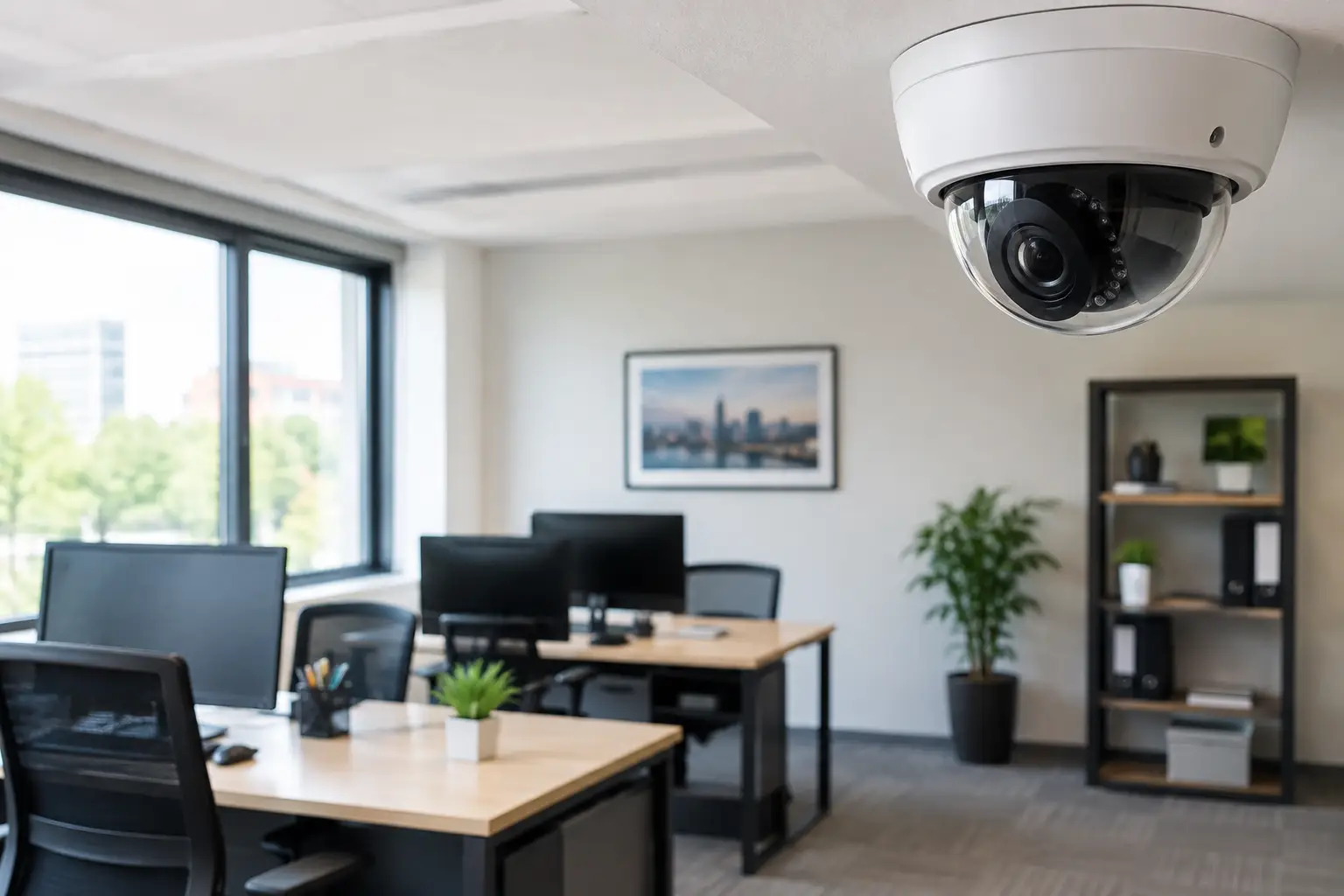
Outdoor cameras, doorbell cameras, and indoor cameras give you eyes on the property. They can help you check on deliveries, see when a cleaner or maintenance provider arrives, and review activity after an alert. Cameras with video analytics can distinguish relevant activity from routine movement, reducing the stream of notifications that makes people ignore alerts.
Placement matters more than simply adding cameras everywhere. Cover primary approaches, driveways, side gates, rear doors, and areas where equipment is stored. At a lake house or mountain cabin, camera coverage may also be useful around docks, sheds, fuel tanks, or seasonal vehicles.
Visible cameras can discourage opportunistic theft. AI-enhanced deterrence and two-way audio can take that a step further by helping address suspicious activity in real time. Video verification can also provide valuable context during an alarm event, helping monitoring teams prioritize a credible threat instead of treating every motion alert the same way.
Environmental protection can save the property
A vacation home is vulnerable to problems that have nothing to do with crime. Smoke, carbon monoxide, freezing temperatures, and water leaks can cause serious harm before anyone is nearby to intervene.
Smart smoke and carbon monoxide detectors can alert you to life-safety events. Flood sensors should be placed near water heaters, washing machines, sinks, toilets, sump pumps, refrigerators, and HVAC equipment. In cold-weather locations, temperature alerts can provide an early warning that heating has failed and pipes may be at risk.
For homes with a main water shutoff that can be controlled remotely, a smart water valve can help limit damage when a leak is detected. It is not a replacement for proper maintenance or winterization, but it gives owners an additional response option when they cannot get there quickly.
Smart Control Makes the Home Easier to Manage
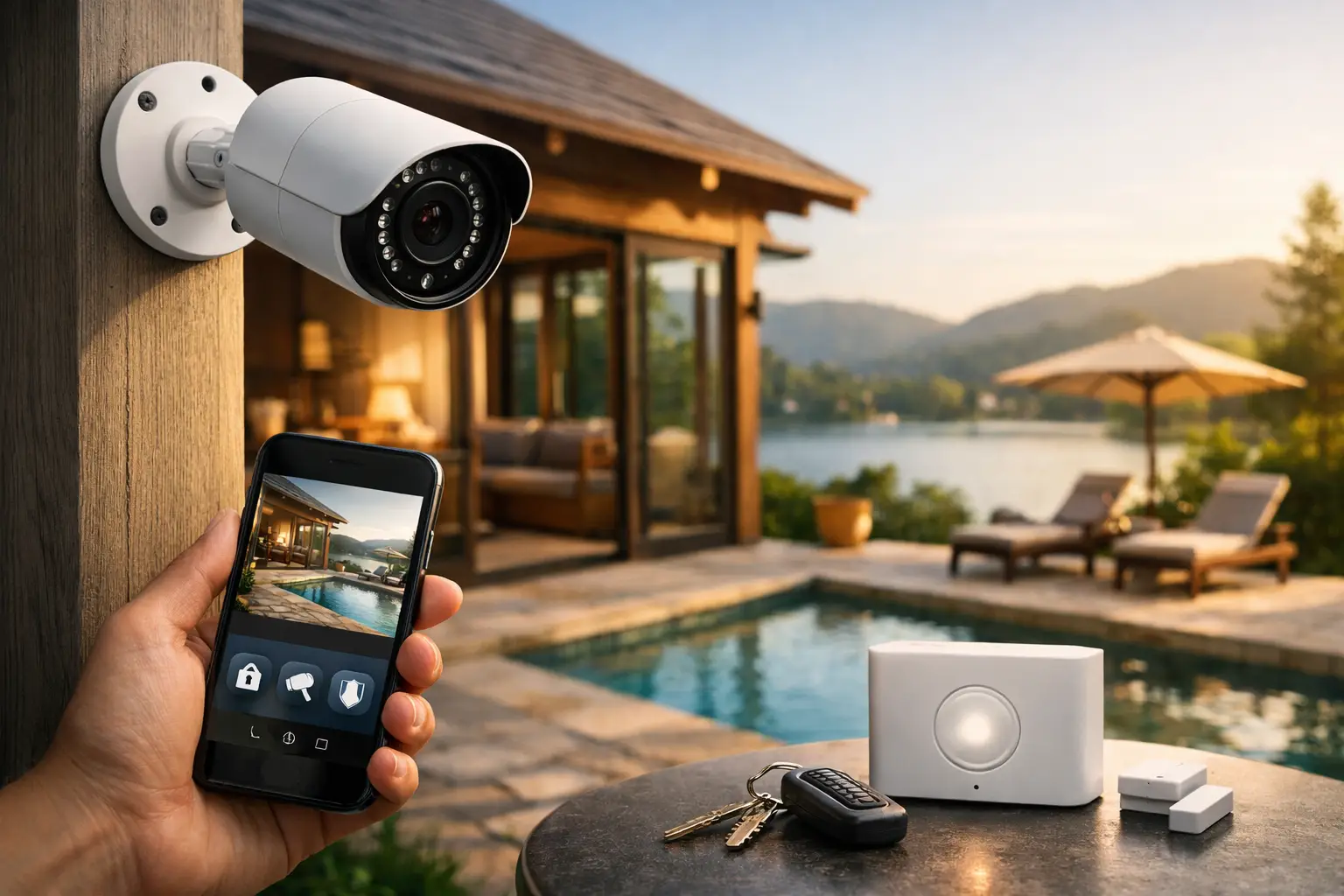
A security system for vacation homes should also make arrival, departure, and routine property care simpler. Mobile app control lets you arm or disarm the system, view cameras, receive alerts, adjust supported thermostats, manage lights, and check compatible garage doors from one place.
Smart locks are particularly helpful for second homes. Instead of hiding keys or changing locks after a contractor visit, you can assign unique access codes for family members, guests, housekeepers, and service providers. You can remove access when a job is complete and review entry activity when needed.
Lighting automation can make an unoccupied home look attended, especially when it follows a natural schedule rather than turning on at the exact same time every evening. Smart thermostat control lets you prepare the house before arrival while monitoring for unusual temperature changes when it is empty.
These features are convenient, but they also support security. A garage door left open after a maintenance visit can be closed remotely. A guest who forgets to arm the system can be reminded. A maintenance provider can enter without receiving a permanent key.
Professional Installation Is Worth Considering
DIY equipment can be a fit for a small condo with reliable Wi-Fi and limited coverage needs. But many vacation homes have challenges that are easy to underestimate: long driveways, detached buildings, weak signal areas, older construction, seasonal weather, and a mix of guests and service providers coming and going.
Professional installation removes much of the guesswork. An expert can identify the best locations for sensors and cameras, help avoid blind spots, confirm devices communicate reliably, and set up the system around the way you actually use the property. That means fewer frustrating alerts and more confidence that the system will work when it matters.
It also helps to plan for power and internet interruptions. Cellular backup can keep an alarm system connected if the home internet goes down. Battery backup helps maintain protection during a power outage. If your property is in a remote location, ask specifically how the system communicates during outages and what camera features depend on your internet connection.
Build the Right Package for How You Use the Home
There is no single package that fits every second home. A frequently used beach condo may need a doorbell camera, smart lock, intrusion sensors, and a few flood detectors. A secluded cabin may need more extensive exterior video coverage, temperature monitoring, and cellular backup. A home that is rented seasonally may benefit from user codes and alerts that help manage guest access without exposing your private spaces.
Start with the risks that would be hardest to manage from afar. For some owners, that is a water leak. For others, it is unauthorized entry, package theft, or checking on a remote property after a storm. Then consider the people who need legitimate access and what you want to control from your phone.
A consultation-led approach can turn those answers into a practical system rather than a collection of disconnected devices. Fluent Home can help tailor professionally installed security, video, smart access, and environmental devices to the layout and needs of your vacation property.
Before your next trip away, make a simple plan: decide who receives alerts, keep emergency contacts current, test your system, and confirm that your monitoring information reflects the people who can respond locally. The best vacation-home security setup is the one that lets you put your phone down, knowing your property has a reliable way to call for attention when it needs it.