A lost house key used to mean one thing – uncertainty. Who has it, where it ended up, and whether your property is still secure. That is exactly where the conversation around how smart locks improve safety becomes practical, not theoretical. For homeowners and small business owners, smart locks reduce the everyday gaps that traditional locks leave behind.
A standard deadbolt still has value, but it is limited. It cannot tell you who came in, it cannot let a trusted person inside while you are away, and it cannot alert you when something looks off. A smart lock adds visibility and control to one of the most important entry points on your property. When it is professionally installed as part of a larger security system, it becomes more than a convenience feature – it becomes an active layer of protection.
How smart locks improve safety in real life
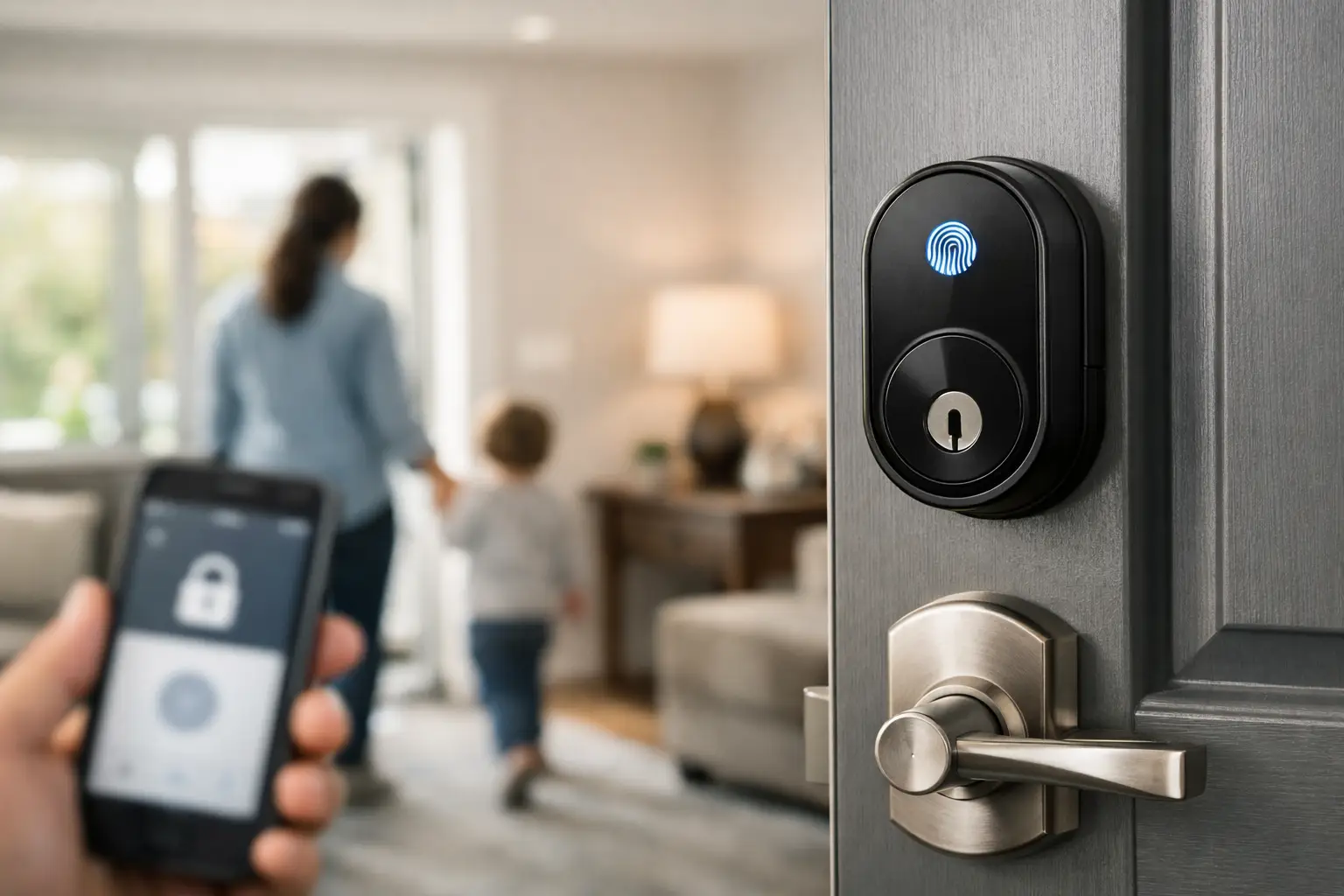
The biggest safety advantage of a smart lock is control. Instead of relying only on physical keys, you can manage access through a mobile app, unique user codes, schedules, and real-time alerts. That changes how you respond to day-to-day situations.
If your child gets home from school before you do, you can confirm that they entered safely. If a dog walker or house cleaner needs access, you can give them a code that works only during certain hours. If you are out of town and a relative needs to check on the house, you do not have to hide a spare key under a mat or planter. That small shift removes one of the most common weak points in residential security.
For small businesses, the same principle applies. Instead of copying keys for employees and hoping they are returned, owners can assign individual access credentials and remove them when roles change. That makes access management much cleaner and much safer, especially for offices, storefronts, and service-based businesses with rotating staff.
Smart locks reduce the risks that come with physical keys
Traditional keys create problems because they are easy to lose, copy, or share without oversight. Once a key is out in the world, you have very little visibility into where it goes. If a tenant moves out, an employee leaves, or a contractor finishes a job, there is always a lingering question about whether every copy was actually returned.
Smart locks solve much of that issue by replacing or reducing dependence on physical keys. You can issue a unique code to each person who needs entry. If circumstances change, you can update or delete that code without replacing the entire lock. That saves time, but more importantly, it closes a security gap quickly.
This matters after life changes too. Moving into a new home often comes with uncertainty about who may still have an old key. A smart lock gives you a cleaner reset from day one. The same goes for rental properties, vacation homes, and businesses where access changes regularly.
Remote access helps you act faster
One of the clearest examples of how smart locks improve safety is remote control. If you leave home and cannot remember whether you locked the front door, you do not have to turn the car around or spend the day wondering. You can check the lock status in the app and secure it from wherever you are.
That kind of visibility matters when schedules get busy. Maybe a family member forgot their code. Maybe a delivery needs to be brought inside the entryway. Maybe you want to let a neighbor in during an emergency. Remote access gives you the ability to make secure decisions in real time instead of relying on workarounds.
There is a trade-off, of course. Remote features depend on proper setup, stable connectivity, and a secure app environment. That is why professional installation and integration matter. A well-configured system helps ensure the lock communicates properly with the rest of your security equipment and that notifications reach you when they should.
Custom user codes create accountability
A shared key tells you almost nothing. A unique access code tells you exactly who came and went.
That difference is significant for both homes and businesses. When each family member, employee, or service provider has their own code, you can create a clearer record of activity. If a code is used at an unusual time, you can spot it. If someone no longer needs access, you can remove it without affecting everyone else.
This kind of accountability improves safety because it discourages casual code sharing and reduces confusion. It also helps families manage access for older children, caregivers, pet sitters, or visiting relatives without giving up control of the property.
For business owners, code-based access can support stronger internal security practices. If a staff member leaves, access can be revoked immediately. You are not left collecting keys, changing locks, or wondering whether an old copy is still circulating.
Activity tracking adds awareness
A smart lock does not just lock and unlock a door. It creates awareness around your entry points.
Activity logs can show when the door was opened, when it was locked, and which user code was involved. That information becomes especially valuable when paired with cameras, doorbell video, and mobile alerts. If someone enters the property, you are not left guessing. You can verify the event and respond appropriately.
This is where smart locks work best as part of a connected system. A front door event paired with a camera clip gives you more context than either device alone. If a door is unlocked unexpectedly, an alert can prompt you to check live video or contact the right person. Safety improves because you can make faster, better-informed decisions.
It depends on the property, though. A single-family home may need simple front-door awareness, while a small business may need multiple user permissions and tighter oversight around opening and closing times. The right setup should reflect how the space is actually used.
Smart locks support safer routines
Many security issues are not dramatic break-ins. They are routine mistakes. A door left unlocked overnight. A spare key hidden outside. A worker given access longer than necessary. A child forgetting their key and waiting outside.
Smart locks help close those gaps by supporting safer habits. Some systems can send reminders if a door is left unlocked or allow you to create schedules that fit your daily routine. That reduces the chance that simple oversight turns into a bigger problem.
For families, this can make the home feel easier to manage without sacrificing security. For business owners, it can support opening and closing procedures, especially when different people handle the space at different times.
Convenience is part of the value here, but convenience is not the end goal. The real benefit is consistency. When security is easier to manage, people are more likely to use it correctly every day.
They work best when integrated with a full security system
A smart lock on its own can improve safety, but it becomes much more effective when it is part of a professionally installed security system.
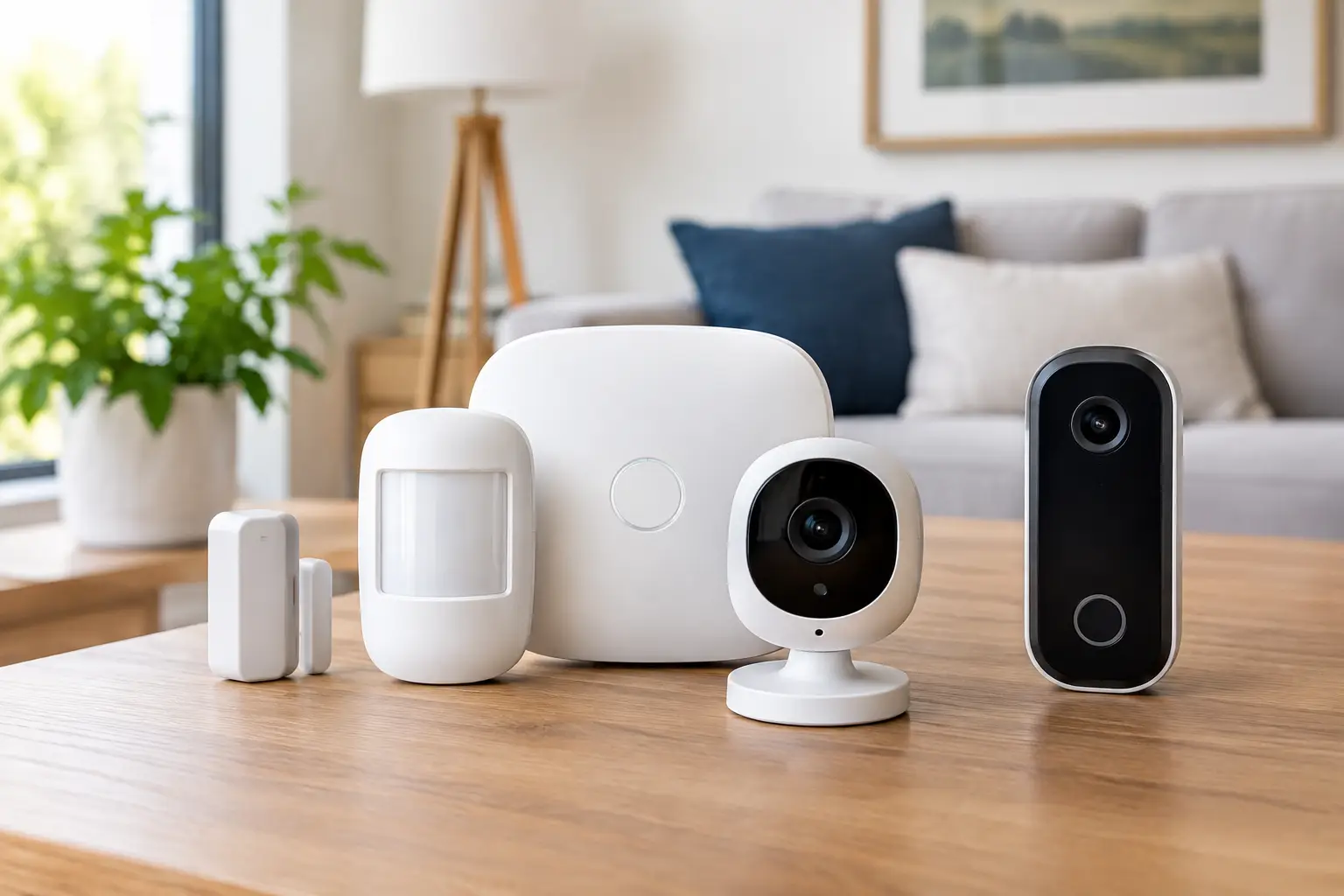
If someone unlocks the door, your cameras can capture the event. If a door is opened unexpectedly, your mobile app can send an alert. If there is suspicious activity at the entry point, monitoring and video verification can help support a faster response. Integration turns a lock into part of a coordinated security strategy.
That is especially important for people who do not want to manage a patchwork of separate devices. One app, one system, and one professional support team can make advanced protection much easier to use. For many property owners, that simplicity is what turns smart security from a nice idea into something they rely on every day.
What smart locks do not solve on their own
It is worth being clear about the limits. A smart lock is not a substitute for a solid door, quality hardware, good lighting, cameras, or a monitored alarm system. If the door frame is weak or the surrounding property has blind spots, the lock alone will not fix that.
There is also the question of user behavior. If codes are shared too widely or notifications are ignored, some of the safety value gets diluted. Technology works best when it is set up correctly and used with intention.
That is why consultation matters. The right smart lock setup should match the property, the number of users, and the level of oversight you want. A family with frequent service visits may need temporary access controls. A small business may need employee-specific credentials and tighter after-hours awareness. Good security is rarely one-size-fits-all.
The real value of a smart lock is not that it makes a door look more modern. It is that it gives you more control over who can enter, when they can enter, and how quickly you can respond when something changes. When safety is easier to manage, it becomes easier to trust. And that peace of mind tends to start right at the front door.