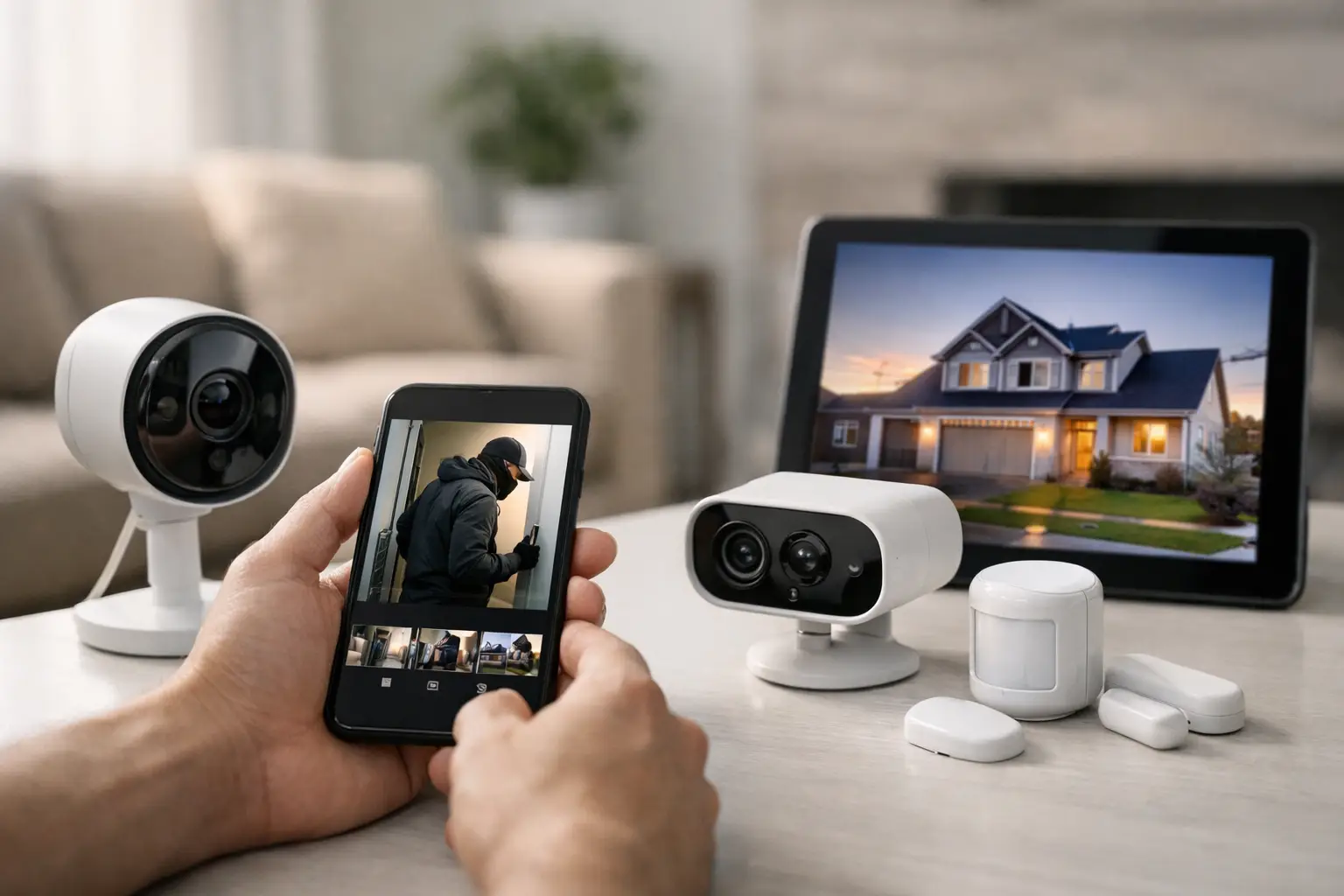
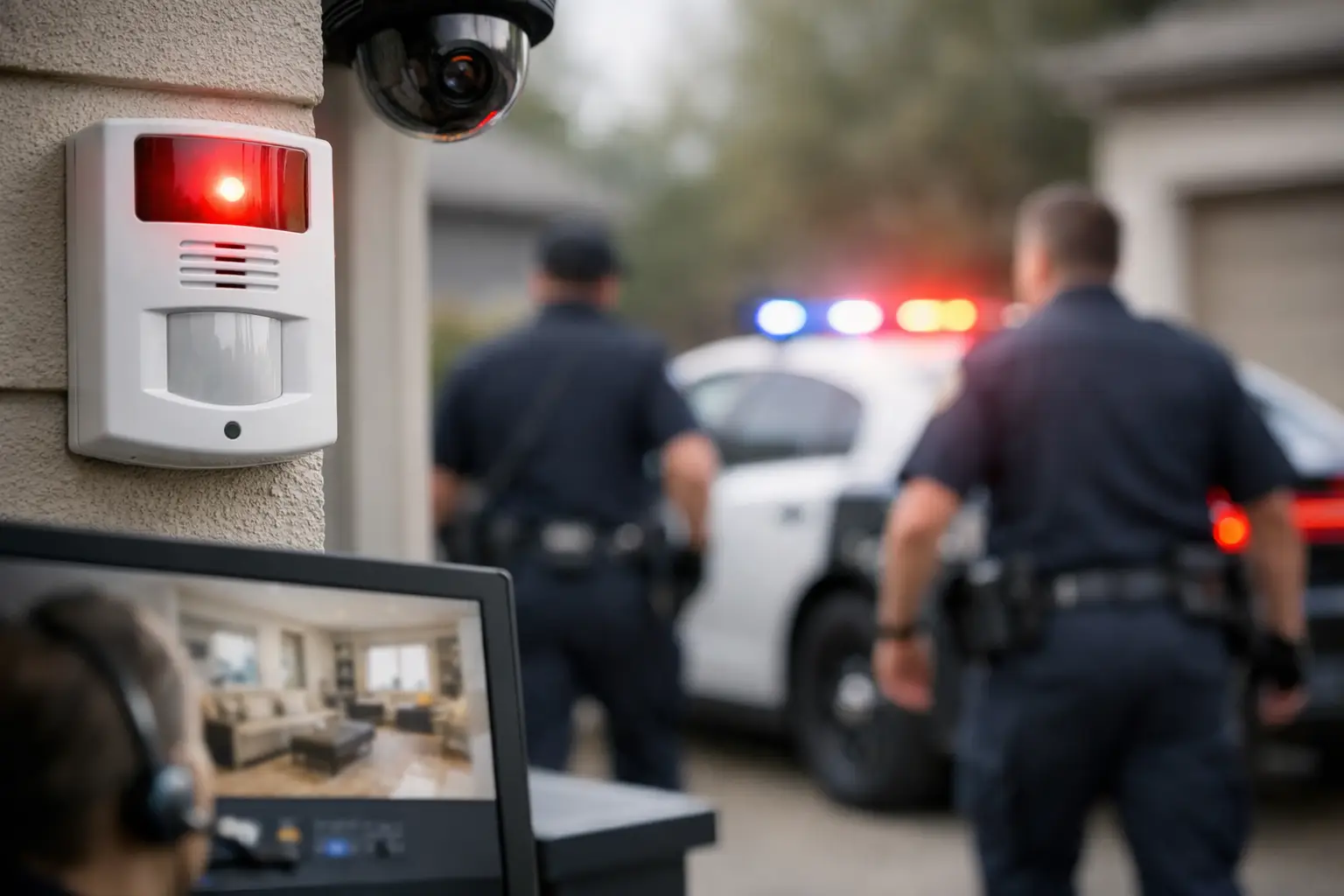
A motion sensor trips at 2:14 a.m. Your phone lights up. The siren sounds. The question most people ask next is simple: do monitored alarms call police, or is there another step first?
The short answer is yes, monitored alarm systems can lead to police dispatch. But it is not automatic in every case, and that distinction matters. Modern monitoring is built around verification, urgency, and local response policies – not just sending law enforcement the moment a sensor is triggered.
Do monitored alarms call police in every alarm event?
Not always. A professionally monitored alarm is designed to get trained operators involved right away, but what happens next depends on the type of alarm, the signals received, the contact process, and the rules in your city or county.
In many cases, the monitoring center will first try to verify whether the alarm appears real. That can mean calling the homeowner, checking for a safe word or passcode, reviewing video verification if the system supports it, or confirming that multiple sensors were triggered. If the operator has enough reason to believe there is a real break-in or emergency, they can request police dispatch.
That verification step is one of the biggest differences between a basic alarm and a professionally managed security solution. It helps reduce false alarms while still moving quickly when the threat looks real.
What happens after a monitored alarm goes off?
When an alarm signal reaches the monitoring center, the response starts within seconds. The system identifies the type of event, such as burglary, fire, carbon monoxide, panic, or environmental danger. From there, the operator follows an action plan tied to the account.
For an intrusion alarm, the first move is often verification. The operator may call the primary contact, then backup contacts, and ask for the account passcode. If nobody answers, the wrong passcode is given, or supporting evidence suggests a real emergency, the operator can contact local authorities.
For life-safety events like smoke, fire, or carbon monoxide, monitoring centers often escalate faster. These signals are treated differently because the risk to people inside the property is more immediate.
The key point is this: professional monitoring does not mean every alarm sends police. It means every serious signal is evaluated quickly by trained people who know when to escalate.
Why police do not respond to every alarm automatically
False alarms are a major reason. Police departments across the US handle a high volume of alarm calls every year, and many of them turn out to be caused by user error, pets, open doors, loose sensors, or weather-related issues. Because of that, many municipalities have adopted verified response or enhanced call confirmation rules.
That means dispatchers may require more than a single alarm signal before assigning officers. In some areas, they want a monitoring center to confirm suspicious activity through audio, video, multiple triggered devices, or failed contact attempts. In others, they still dispatch based on a standard burglary alarm request, but policies can change from one jurisdiction to the next.
This is why a professionally installed and professionally monitored system often has an advantage over a simpler setup. Better device placement, stronger system design, and advanced verification tools can improve the quality of the alarm event before law enforcement is contacted.
Does video verification help monitored alarms call police faster?
Often, yes. Video verification can make a big difference because it gives the monitoring center more context than a sensor signal alone. If an operator can confirm a person entering a restricted area, moving through the property, or triggering multiple zones, that alarm carries more weight with emergency dispatch.
Some systems also support AI-enhanced alerts and active deterrence features. For example, cameras may identify suspicious motion patterns, spotlight activity, or trigger audio warnings before a crime fully unfolds. That does not replace police response, but it can help stop an event earlier and provide stronger evidence if dispatch is needed.
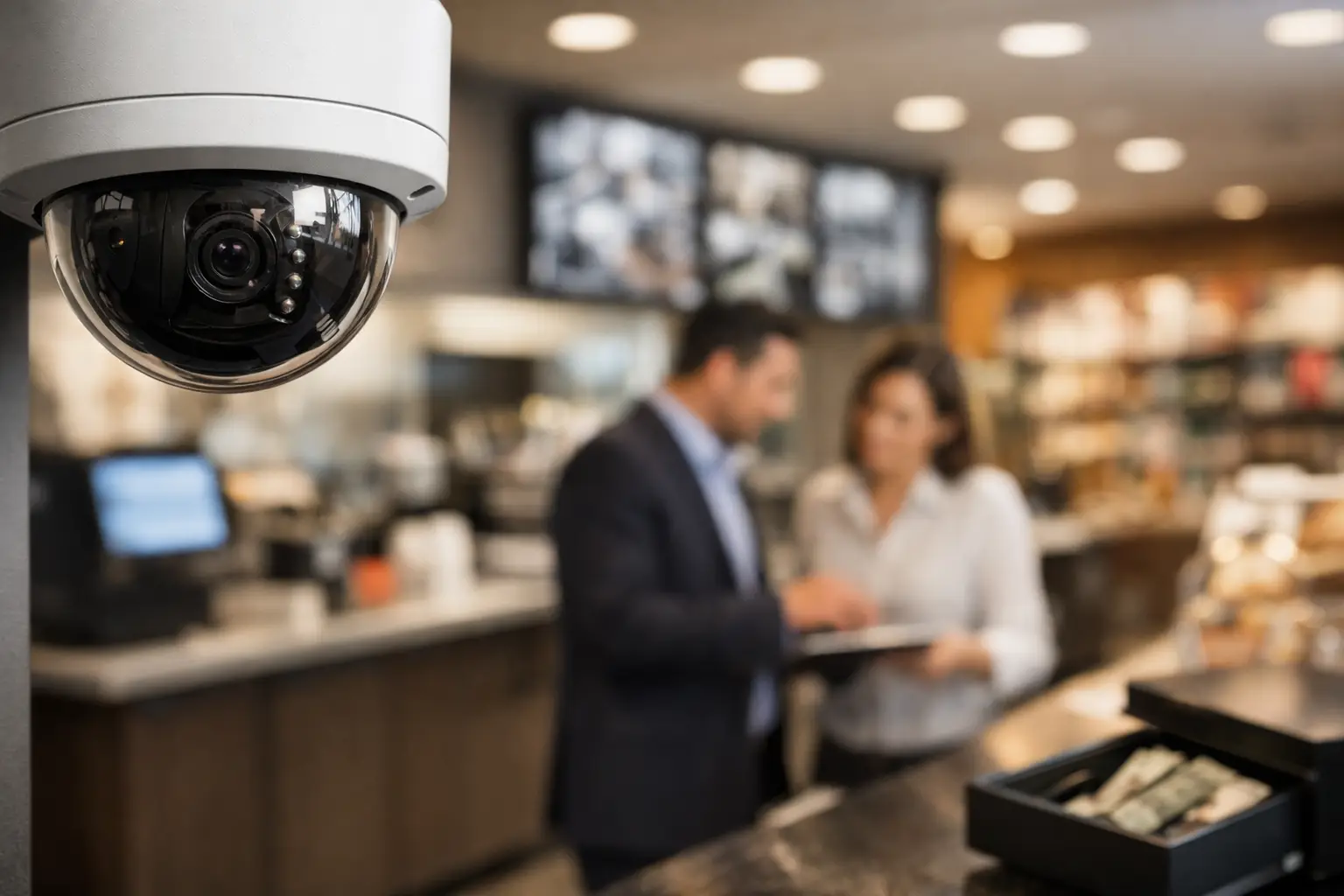
For homeowners, this means more peace of mind. For small business owners, it can be even more valuable. A verified alarm at a storefront, office, or warehouse after hours can provide clearer information than a basic siren alone.
What determines whether police are dispatched?
Several factors shape the response. The first is the alarm type. A panic alarm from a keypad or mobile app is usually treated with a higher level of urgency than a single perimeter sensor. A confirmed break-in involving multiple devices or video evidence may also speed things up.
The second factor is your local policy. Some departments require alarm permits. Some charge fines for repeated false alarms. Some prioritize verified alarms over unverified ones. A monitoring center works within those rules, so the same equipment can lead to slightly different response paths depending on where the property is located.
The third factor is the quality of the system itself. A professionally installed setup with well-positioned sensors, smart cameras, and up-to-date contact information gives operators more confidence and fewer blind spots. That translates to better decisions during real emergencies.
Monitored alarms vs. self-monitored systems
This is where many people see the practical difference. With a self-monitored system, the alert usually goes only to your phone. If you are asleep, in a meeting, on a flight, or simply miss the notification, no one may take action. If you do answer, you are the one deciding whether to call police.
With professional monitoring, a live team is watching for alarm activity around the clock. They can follow your emergency contact instructions, verify events, and reach out to dispatch if needed, even when you cannot respond yourself. That layer matters when timing matters.
It is not just about burglary, either. Professional monitoring can also support smoke alarms, carbon monoxide alerts, flood detection, and other urgent signals that need attention fast. For many families and business owners, that broader coverage is the real value.
How to improve the chances of a faster, more accurate response
If your goal is dependable emergency response, a few setup decisions make a real difference. Keep your contact list current and make sure everyone on it knows the account passcode. Register for any required local alarm permit. Ask whether your city uses verified response rules so you know what to expect.
It also helps to choose a system that goes beyond basic door sensors. Video surveillance, smart analytics, mobile control, and professional installation all strengthen the monitoring process. The more clearly your system can distinguish normal activity from a real threat, the better the response tends to be.
For businesses, access control and after-hours video can add another layer of clarity. For homes, smart locks, doorbell cameras, and outdoor cameras can help operators and owners see what is happening sooner.
So, do monitored alarms call police when it matters?
Yes – when the alarm event meets the threshold for dispatch, monitored alarms can and do result in police being called. The better question is whether your system gives the monitoring center enough information to act quickly and confidently.
That is why professional monitoring works best as part of a complete security strategy. Sensors detect the event. Cameras add context. Smart automation strengthens control. Trained operators manage the response. When those pieces work together, you get more than a loud siren. You get a system built to protect people, property, and peace of mind.
If you are comparing security options, look beyond the promise of monitoring alone. Ask how alarms are verified, how dispatch works in your area, and what tools are in place to help stop trouble early. A well-designed system from a provider like Fluent Home can make that process simpler, faster, and far more reassuring when every second counts.
The best alarm response is not just about whether someone calls police. It is about having the right technology and the right team ready before the next alert ever happens.