A vacation home should feel like an escape, not a source of worry every time an alert appears on your phone. Whether the property sits empty for weeks or is used by family, guests, or renters, the ability to secure vacation home remotely changes how confidently you can leave it behind. The right professionally installed system lets you see what is happening, control access, detect trouble early, and get help when you cannot be there.
A second home has different security needs than a primary residence. It may be unoccupied for long stretches, located hours away, and more vulnerable to burglary, water damage, power issues, or an unnoticed open door. A few connected devices can help, but a complete security plan brings those devices together with professional monitoring and one simple mobile app.
Start With a Security System Built for an Empty Home
A vacation property needs more than a camera pointed at the front door. Cameras are valuable, but they cannot detect every problem or guarantee that someone will respond when an intrusion occurs. A professionally installed security system creates layers of protection around entry points, living spaces, and environmental risks.
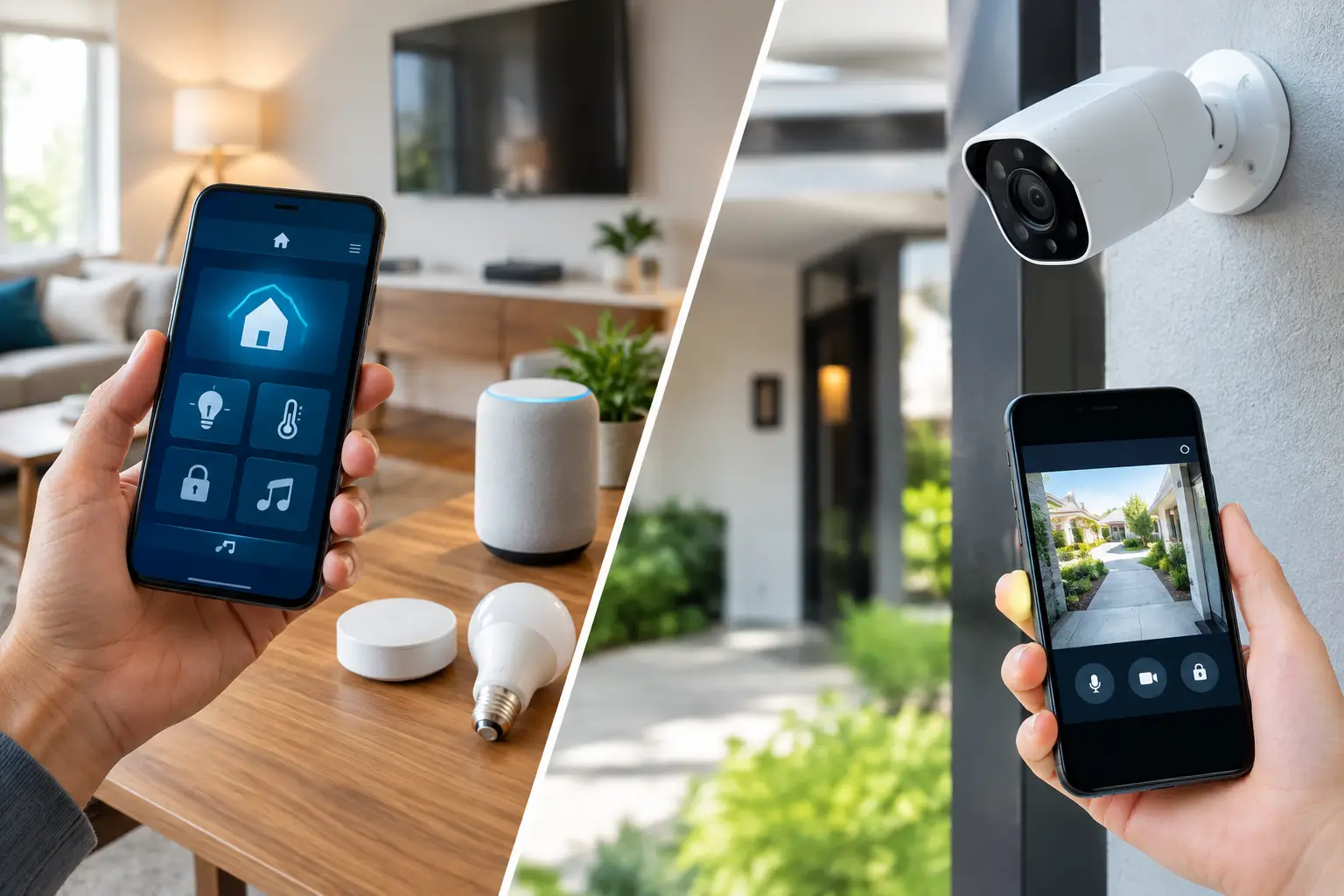
Door and window sensors can alert you when someone opens a protected entry. Motion detectors add another layer inside the home. A smart control panel gives you a central place to arm or disarm the system, while the mobile app puts that control in your hand wherever you are.
For many owners, 24/7 professional monitoring is the difference between receiving a notification and having a response plan. If an alarm is triggered while you are on a flight, at work, or asleep in another time zone, trained monitoring professionals can help verify the event and dispatch emergency services when appropriate. That is meaningful peace of mind when the nearest neighbor may be miles away.
Use Video to See, Verify, and Deter
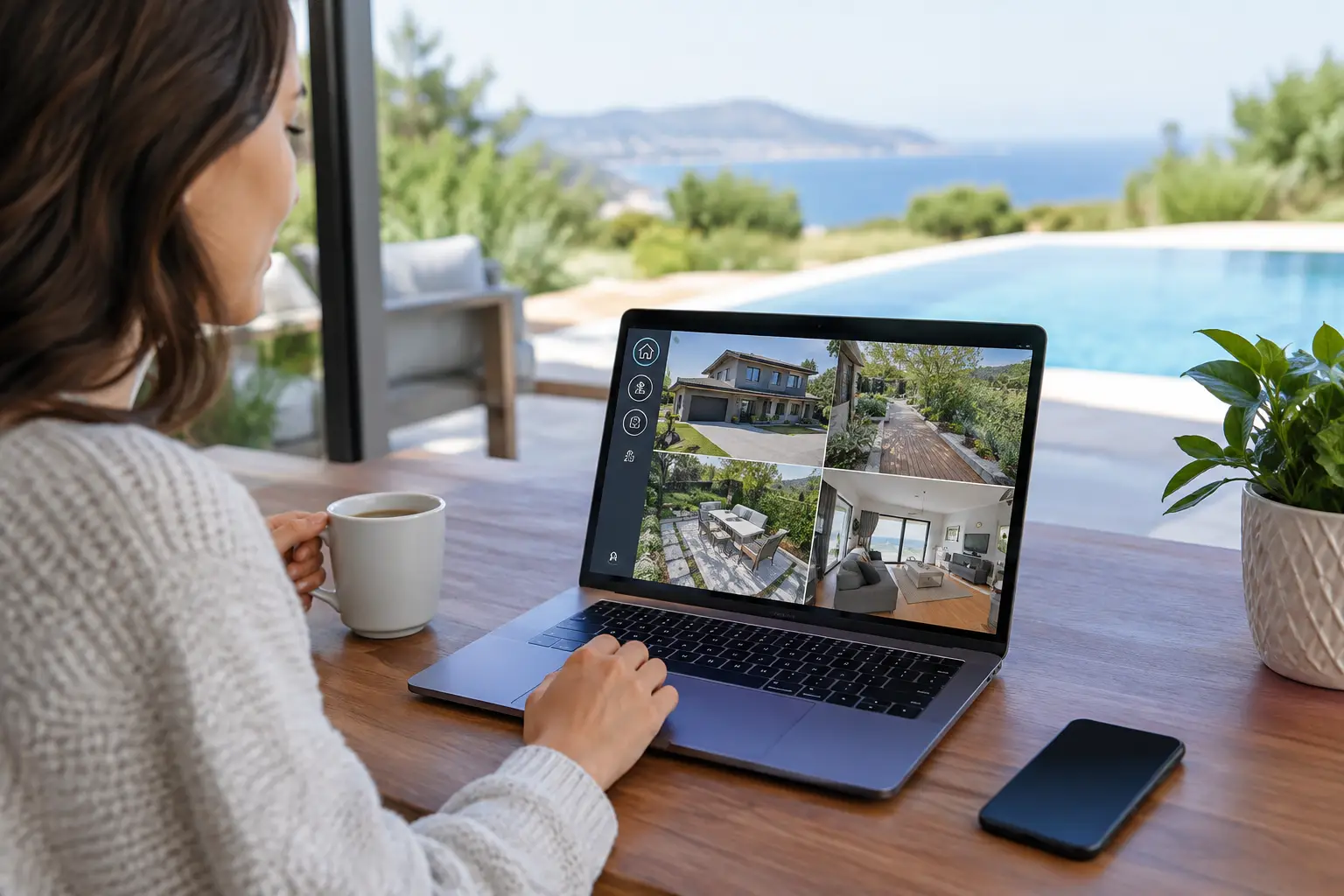
Video surveillance gives you visibility without requiring you to constantly check on the property. Outdoor cameras can watch driveways, walkways, doors, patios, and detached garages. A video doorbell lets you see and speak with visitors, delivery drivers, contractors, or guests from your phone. Indoor cameras may make sense for entryways or areas containing valuables, especially when the property is vacant.
Placement matters more than simply adding more cameras. Cover the routes people naturally use to approach the home, along with areas where packages may be left. Make sure exterior cameras have a clear view and adequate lighting. A floodlight camera can be especially useful in dark side yards or rear entrances because it combines motion-activated illumination with video coverage.
Look for video features that help you act instead of flooding your phone with meaningless alerts. Video analytics can distinguish activity worth reviewing from routine movement. AI-enhanced deterrence can help discourage unwanted visitors before a situation escalates. When a real event occurs, video verification provides valuable context for a faster, more informed response.
Cameras work best as part of a complete system. If a camera captures someone testing a door while your intrusion system reports a forced opening, you have a clearer picture of what is happening and support beyond a simple motion notification.
Control Access Without Hiding Spare Keys
Spare keys under a mat, planter, or fake rock are not a practical security strategy for a vacation home. Smart locks let you lock and unlock doors remotely, check whether a door is secured, and give trusted people access without handing out physical keys.
This is especially useful if you have a cleaning service, property manager, maintenance professional, or family members who use the home. Instead of coordinating key exchanges, you can manage access from your app. If plans change, you can remove access without wondering who still has a copy of the key.
A smart garage door control adds another important layer. Garage doors are often overlooked, yet an open garage can expose tools, bikes, vehicles, and a direct route into the home. Remote status alerts and controls help you catch a door left open after a guest leaves or a service visit ends.
Access convenience should never come at the cost of accountability. Choose a system that allows you to see activity and maintain control, rather than relying on informal arrangements that are easy to forget over time.
Protect Against Water, Smoke, and Carbon Monoxide
For a vacant home, water damage can become expensive long before anyone notices it. A leaking water heater, frozen pipe, failed appliance hose, or overflowing sink can cause serious damage in just a few hours. Flood detectors placed near water heaters, washing machines, dishwashers, sinks, and basement plumbing can send an immediate alert when moisture is detected.
For stronger protection, pair sensors with a smart water valve control. If a leak is detected, the system can help stop the water supply before a small issue becomes a major restoration project. This is one of the most practical upgrades for homes in areas with freezing temperatures or properties that sit empty through the winter.
Connected smoke and carbon monoxide detectors also deserve attention. A standard detector may sound an alarm inside an empty house, but a monitored device can alert you and help initiate a response even when nobody is present. Install them in the appropriate locations throughout the home and replace aging devices according to manufacturer guidance.
Environmental protection is not as visible as a front-door camera, but it can be just as important. Burglary is not the only risk to a seasonal property, and the costliest incident may come from a problem no one sees from the street.
Keep the Home Looking Occupied
A property that appears unattended can attract attention. Smart lighting and thermostat controls help your vacation home maintain a more normal pattern while reducing unnecessary energy use. Schedule lights to turn on in the evening, or control them remotely when you know the home will be vacant for an extended period.
Smart thermostats are valuable for both comfort and prevention. In colder climates, you can monitor and adjust the temperature to help reduce the risk of frozen pipes. In warm climates, maintaining reasonable temperature and humidity settings can help protect furnishings and limit moisture concerns.
Do not try to make the home look constantly active with predictable schedules. A better approach is occasional, varied lighting and regular property checks from a trusted local contact or property manager. Technology adds visibility, but a real person who can inspect storm damage, collect mail, or address maintenance needs remains a valuable part of the plan.
Create a Remote Security Routine
The best smart security system is the one you will use consistently. Before leaving your vacation home, arm the system, confirm doors and windows are closed, check the garage, and review camera views. Turn off or adjust water service where appropriate for the season and make sure your environmental devices are online.
Once you are away, avoid checking alerts compulsively. Set meaningful notification preferences for alarms, door activity, water events, and selected camera zones. This keeps the information useful instead of overwhelming. If your property is used as a rental, establish clear rules for guest access and make sure private areas are properly secured without placing indoor cameras in spaces where guests reasonably expect privacy.
Your system should also have a plan for power or internet interruptions. Backup power and cellular communication can help keep the security system connected when local service is down. Ask your security professional which backup options fit the property and its location.
Choose Professional Installation for Better Coverage
Vacation homes often have layout challenges that make do-it-yourself placement less effective: multiple exterior doors, detached structures, large lots, limited Wi-Fi coverage, older construction, or seasonal weather conditions. Professional installation helps ensure devices are positioned correctly, connected reliably, and configured around the risks that matter most to your home.
A customized system can combine intrusion detection, cameras, smart locks, environmental devices, automation, and 24/7 monitoring in one connected experience. With Fluent Home, you can build protection around how you actually use the property, rather than settling for a one-size-fits-all setup.
A vacation home is meant to give you more freedom. Put a security plan in place before the next trip, so you can spend less time wondering what is happening at the property and more time enjoying wherever you are.