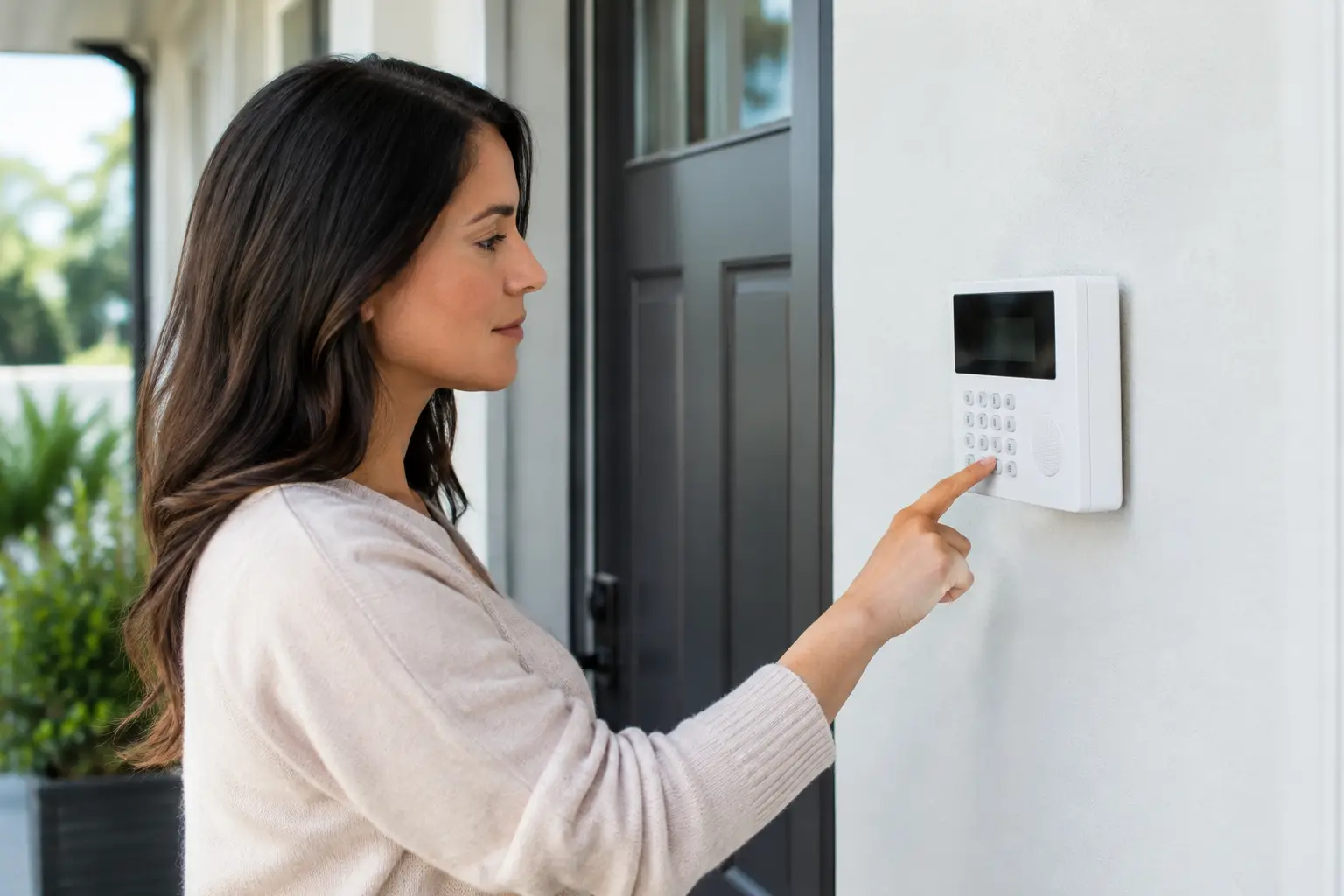
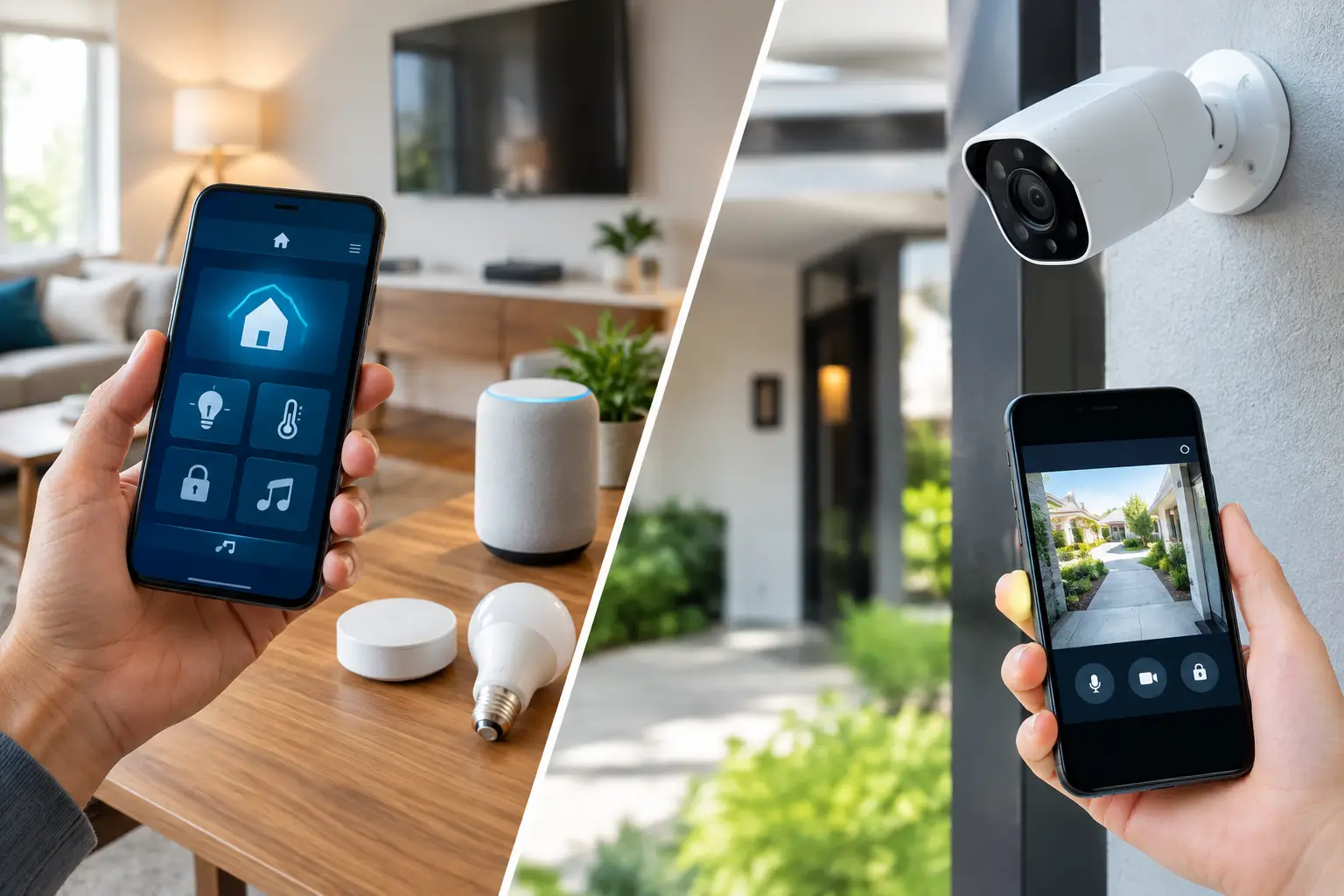
A smart thermostat can lower the temperature before you get home. A smart lock can let the dog walker in without handing over a key. Those are useful upgrades, but they do not necessarily protect your property when a door is forced open, smoke fills a hallway, or a package thief approaches the porch. That distinction is at the center of home automation vs smart security.
For many homeowners, the best answer is not choosing one category over the other. It is building a professionally installed system where convenience supports protection, and every device is managed from one app.
Home Automation vs Smart Security: The Core Difference
Home automation is about controlling everyday systems remotely or on a schedule. It may include thermostats, lights, garage doors, smart locks, and connected appliances. Its main purpose is convenience, comfort, energy management, and better control of how your home operates.
Smart security is built to detect threats, document activity, deter unwanted behavior, and get the right response when something goes wrong. A complete smart security system can include door and window sensors, motion detectors, cameras, video doorbells, environmental sensors, alarms, mobile alerts, and 24/7 professional monitoring.
The categories overlap. A smart lock may be an automation device when it unlocks at a scheduled time, but it becomes part of a security strategy when it reports access activity, supports unique user codes, and works with cameras and alarm notifications. The difference is the outcome you expect: automated living versus active protection.
What Home Automation Does Well
Home automation makes routine tasks easier to manage. You can check whether the garage door is open from work, adjust the thermostat from bed, turn on exterior lights before arriving home, or create schedules that make the house feel occupied while you travel.
These features can also support practical savings. A thermostat that adjusts around your household schedule can reduce unnecessary heating and cooling. Smart lighting can prevent lights from being left on all day. Garage door control can save a return trip when a family member forgets to close it.
For busy families, automation is especially helpful because it reduces small points of friction. Instead of managing several remotes, switches, keys, and apps, connected devices can be controlled through a central system. The experience is simple, but it has limits. Automation alone does not provide a monitored emergency response if someone breaks in or a smoke detector activates while no one is available to act.
What Smart Security Is Designed to Do
Smart security is not just about receiving a notification after something happens. The right system helps create layers of protection before, during, and after an incident.
An entry sensor can identify when a protected door or window opens. A motion detector can recognize unexpected movement inside. Cameras provide a view of activity at the front door, driveway, backyard, or business entrance. Smoke, carbon monoxide, flood, and temperature devices help protect against threats that are not related to crime but can still cause serious damage.
Professional monitoring adds another layer that DIY alerts cannot always provide. If an alarm occurs when you are asleep, in a meeting, or unable to reach your phone, trained monitoring professionals can assess the signal and help initiate an emergency response. Video verification can provide additional context when an alarm is triggered, helping separate a real concern from an accidental activation.
Modern smart security can also be proactive. AI-enhanced cameras and deterrence features can identify relevant activity and help discourage unwanted visitors before a situation escalates. That matters for package theft, driveway activity, attempted break-ins, and businesses that need better visibility after hours.
The Biggest Decision: Convenience or Response?
When comparing home automation vs smart security, ask one direct question: what should happen when a problem occurs?
If your concern is mainly controlling your home from a phone, automation may cover the basics. You may want to set schedules, check a lock, or make sure the garage is closed. Those are valuable capabilities, particularly for homeowners who are just beginning to add connected technology.
If you want a system that can detect intrusion, notify you immediately, capture video evidence, sound an alarm, and connect to professional monitoring, smart security is the stronger foundation. It addresses the moments when convenience is no longer the priority and a fast response matters most.
This is also why a standalone camera is not the same as a security system. A camera can show you activity, but it may not protect every entry point, detect smoke or carbon monoxide, or ensure an emergency signal receives attention when you cannot respond. Cameras are most effective when they are part of an integrated plan.
Why an Integrated System Delivers More Value
Home automation and smart security work better together when they are professionally designed around your property. Security events can trigger useful automated actions. For example, exterior lights can turn on when motion is detected near the driveway. A doorbell camera can alert you when a package arrives. You can lock the door remotely after a child gets home from school, then verify that the entry is secure.
Integration also simplifies everyday use. Rather than switching among separate apps for a camera, thermostat, lock, and garage controller, you can manage key functions in one place. That means less confusion for everyone in the household and a clearer view of what is happening at home.
For property owners, this can be particularly useful. You can check activity between tenants, receive alerts about water leaks, manage authorized access, and monitor vacant properties without driving across town. For small businesses, integrated security can combine intrusion detection, video surveillance, access control, and remote management without the cost and complexity of an enterprise system.
Where Professional Installation Makes a Difference
Many smart devices are marketed as easy to install, and some are. But a security system needs more than a device attached to a wall. It needs proper placement, reliable connectivity, coverage for likely entry points, and a plan for the risks unique to your home or business.
A professionally installed system begins with a conversation about the property. Which doors are used most often? Is there a basement entrance, detached garage, side gate, or blind spot around the home? Are aging parents, children, pets, or frequent visitors part of the household? Do you need protection against flooding, carbon monoxide, or extreme temperatures?
Those details shape the right system. A family concerned about package theft may prioritize a video doorbell and driveway camera. A homeowner with a finished basement may add flood detection and water valve control. A small retailer may need monitored intrusion protection, cameras, and controlled employee access. One standard package rarely fits every situation.
Professional installation also removes the common frustration of disconnected devices and incomplete setup. You should not have to guess whether a sensor is positioned correctly or whether your camera will capture the angle you need. Expert service helps ensure the technology is ready to perform when it matters.
Choosing the Right Starting Point
If you are deciding where to invest first, start with protection rather than gadgets. Secure the primary entry points, add intrusion detection, and consider professionally monitored fire and carbon monoxide protection. Cameras and video doorbells can extend visibility around the property, while environmental devices help reduce the risk of costly damage from leaks or freezing conditions.
Then add automation features that make the system more useful every day. Smart locks, garage door control, lighting, and thermostat management can improve convenience while reinforcing your security habits. The goal is not to fill your home with technology. It is to choose devices that solve a real concern and work together without adding complexity.
Fluent Home can help homeowners and small business owners create a customized system with professional installation, smart control, and ongoing monitoring. A free custom quote can clarify which devices fit your property, priorities, and budget.
The most useful smart home technology is technology you trust when you are away. Start with the risks you want covered, then choose automation that makes protection easier to use every day.