A break-in alarm at 2:00 a.m. creates one immediate question: who will act if you are asleep, traveling, or unable to check your phone? That is the real difference in monitored vs unmonitored security. Both can alert you to activity, but only one adds trained professionals who can evaluate an alarm and coordinate emergency response when needed.
For homeowners and small business owners, the right choice depends on more than the price of equipment. It depends on how quickly you need help, what risks matter most, and whether you want to manage every alert yourself.
What Is Unmonitored Security?
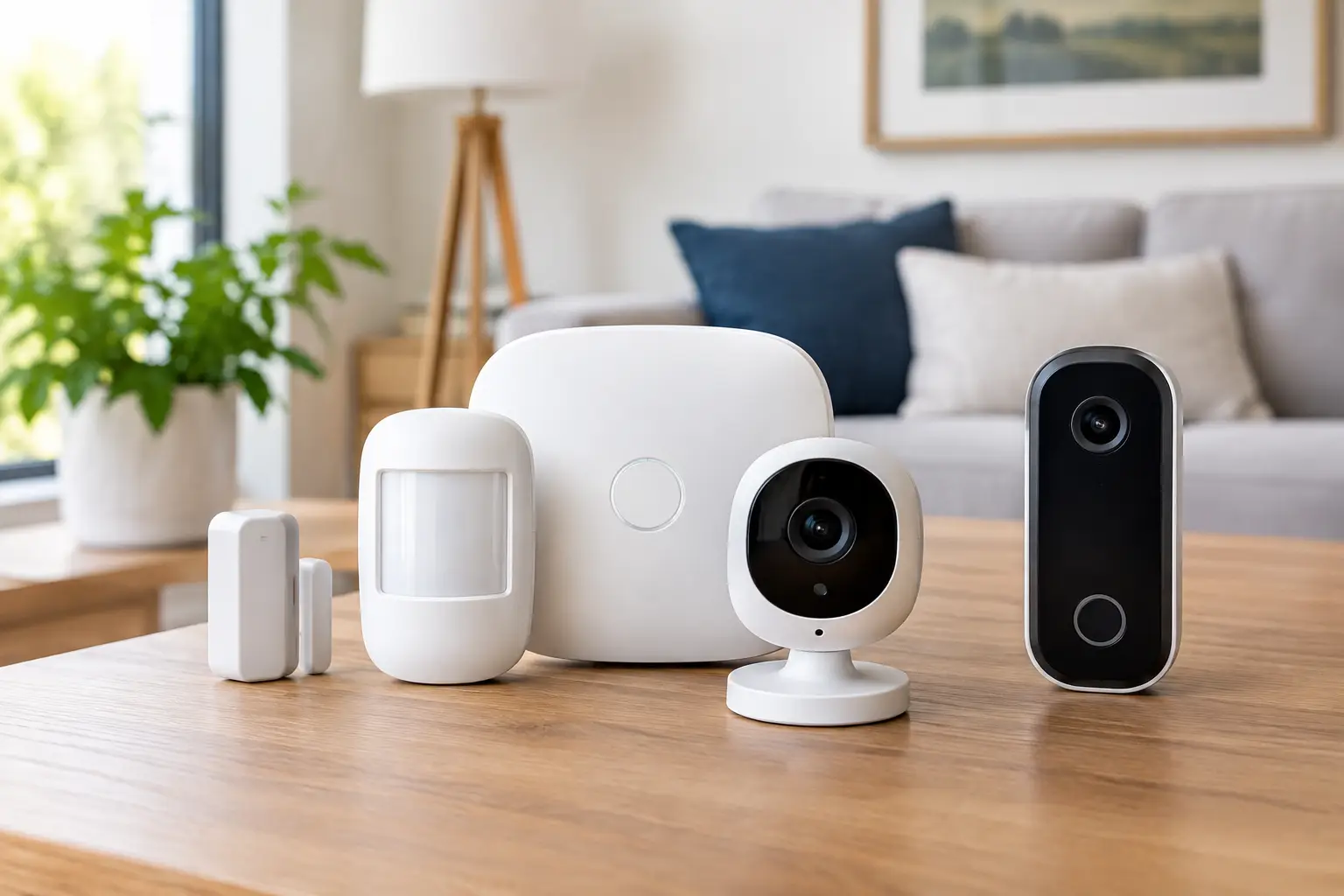
An unmonitored security system sends alerts directly to you. A door or window sensor may trigger a siren. A camera may send a motion notification to your smartphone. You can open an app, watch live video, speak through a camera, or call the police yourself if something appears wrong.
This approach can work well for someone who is regularly available, comfortable managing security technology, and primarily wants awareness of activity around the property. Cameras, video doorbells, smart locks, and motion sensors still provide useful visibility and deterrence.
The limitation is simple: the system relies on you to notice the alert, assess the situation, and take action. If your phone is on silent, you are in a meeting, your battery is dead, or you are on a flight, an alarm may go unanswered. The same challenge applies to smoke, carbon monoxide, water, and temperature alerts. A notification is valuable, but it is not the same as having a response plan already in motion.
What Is Monitored Security?
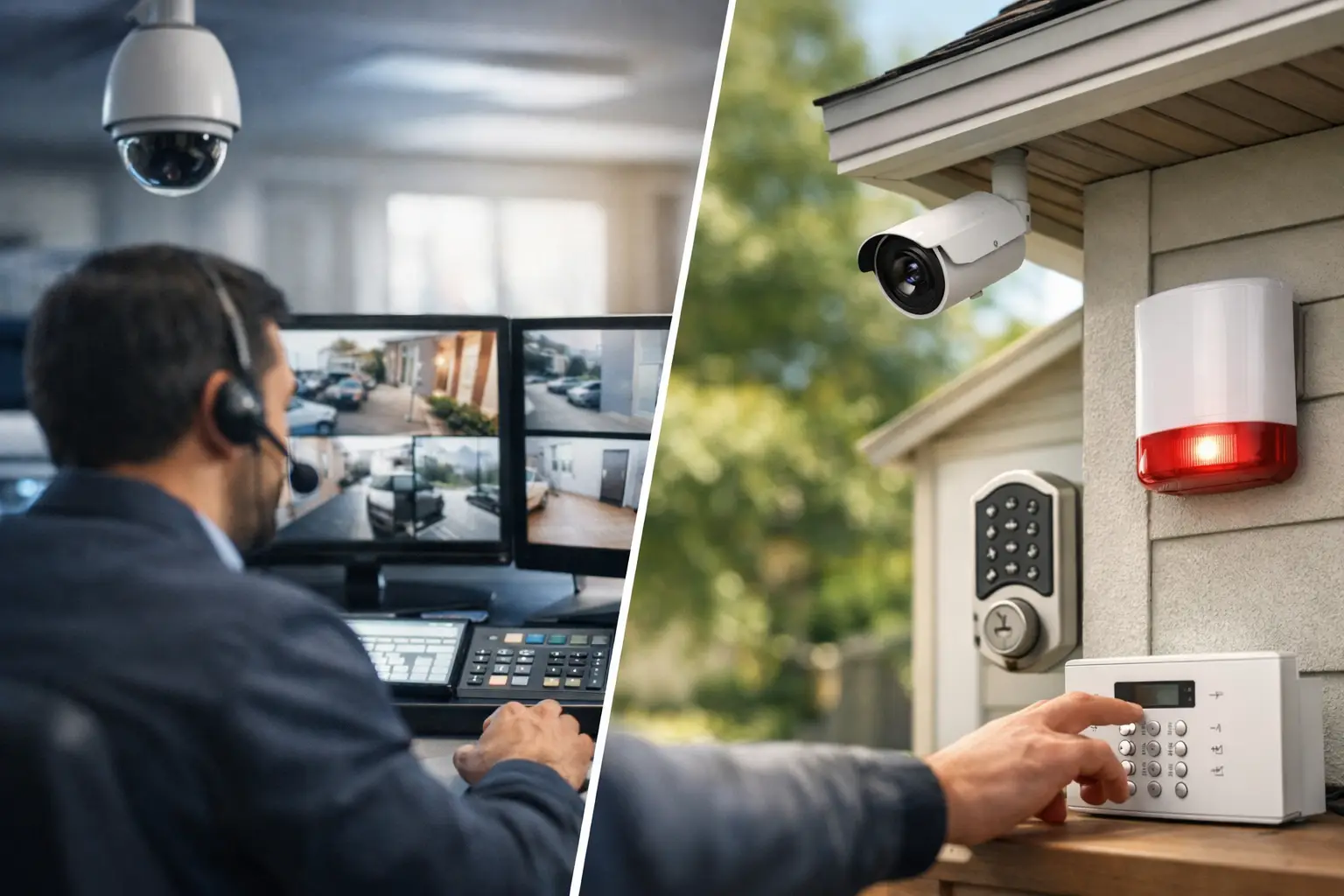
Monitored security connects your system to a 24/7 professional monitoring center. When a protected device detects a potential emergency, monitoring professionals receive the signal and follow established response procedures. Depending on the event and service configuration, they may contact you, verify the alarm, and request dispatch from police, fire, or medical responders.
Professional monitoring is designed to keep protection active when life pulls your attention elsewhere. You do not need to be awake to hear a siren or immediately available to decide whether an alert is real. That support matters during overnight alarms, vacations, school pickup, workdays, and the many moments when a phone notification can be missed.
A professionally installed system also helps ensure the equipment is placed and configured for the property. Instead of guessing where sensors, cameras, and life-safety devices should go, you can build a system around entry points, high-value areas, blind spots, and everyday routines.
Monitored vs Unmonitored Security: The Key Differences
The clearest difference is who takes responsibility after an alert. With unmonitored security, that responsibility stays with the property owner. With monitored security, a trained team is available around the clock to respond according to the service plan.
Response speed can be especially important during a burglary or life-safety event. An unmonitored camera alert may show a person at the door, but you still need to see it, determine whether it is a threat, and make the call. A monitored system creates an additional layer of support when time matters.
Verification is another meaningful distinction. Standard motion alerts can be triggered by passing vehicles, animals, weather, or routine activity. Video verification can give monitoring professionals clearer information about what is happening, helping separate a potential emergency from a nuisance alert. For a business owner, this can be valuable after hours when no employee is available to check the property.
Cost is also different. Unmonitored systems generally avoid a monthly monitoring fee, but they can shift more work and risk to the owner. Monitored systems usually include recurring service costs because they provide ongoing professional response, cellular communication, and often expanded support features. The question is not only what the system costs each month. It is what level of protection you want when you cannot personally respond.
Where Unmonitored Systems Can Fall Short
Unmonitored security is not ineffective. Visible cameras, alarms, and lighting can discourage opportunistic crime, while app alerts can help you stay informed. But awareness has limits when a situation requires immediate action.
Consider a few common scenarios. A family is away for a long weekend when a water sensor detects a leak. A small business owner receives a late-night camera notification while driving. A smoke alarm activates while everyone is out of the house. In each case, the owner may receive an alert but still must be reachable, capable of assessing the event, and ready to contact the right people.
There is also the issue of alert fatigue. If you receive frequent motion notifications, it becomes easier to dismiss one that deserves attention. Smart settings, activity zones, and video analytics can reduce unnecessary alerts, but they do not replace a monitored response when a serious event occurs.
Why Video Verification Changes the Conversation
Not every alarm deserves the same response. Advanced video monitoring and analytics can add important context by identifying people, vehicles, or unusual activity around a property. Instead of treating every movement as an emergency, the system can focus attention on events that may require action.
For example, an AI-enhanced camera may detect a person approaching a restricted area after business hours. A live agent may be able to review the event, use audio deterrence where available, and help escalate a verified threat. This moves security beyond passive recording. The goal is to discourage criminal activity before loss or damage occurs.
Homeowners can benefit as well. Video verification can support package protection, driveway awareness, and perimeter monitoring without requiring you to watch camera feeds all day. You remain in control through your mobile app, while professional support is available when an alarm needs more than a notification.
Protection Beyond Intrusion Alarms
Security is not limited to break-ins. A complete monitored system can help protect against fire, carbon monoxide, flooding, and other home emergencies that can cause major damage quickly.
Monitored smoke and carbon monoxide detection can provide added confidence when no one is home. Flood sensors can identify water where it should not be, such as near a water heater, washing machine, or basement sump area. Smart water valve controls may help limit damage by shutting off water remotely or automatically, depending on the setup.
For businesses, professional monitoring can work alongside intrusion detection, access control, and video surveillance. Owners can see who enters, manage authorized access, receive alerts after hours, and maintain stronger oversight across one or multiple locations. The right system should fit the building, operating hours, staff routines, and the assets being protected.
How to Decide Which Option Fits Your Property
Unmonitored security may be enough if you want basic awareness, are consistently available to respond, and are comfortable overseeing alerts on your own. It can be a practical entry point for lower-risk properties or supplemental camera coverage.
Monitored security is often the stronger choice if you want protection to continue when you are unavailable. It is particularly worth considering for families, frequent travelers, homes with valuable belongings, properties that sit vacant during the day, and businesses with inventory, equipment, or employee safety concerns.
Before choosing, consider the events you want your system to handle. Think beyond a front-door camera. Do you need help with intrusion, fire, carbon monoxide, water leaks, package theft, or after-hours business activity? Do you want smart locks, lights, thermostats, and garage control in the same app? A custom system can bring those needs together without forcing you to manage separate devices and separate accounts.
Build Protection Around Real Life
The best security system should fit the way your property operates, not ask you to reorganize your life around alerts. Fluent Home combines professional installation, smart home control, security devices, and 24/7 monitoring so homeowners and business owners can protect what matters with less guesswork.
Whether you choose monitored service or a self-managed setup, make the decision based on the moments when you are least able to respond. Peace of mind is not just knowing an alert will reach your phone. It is knowing there is a plan when you cannot answer it.