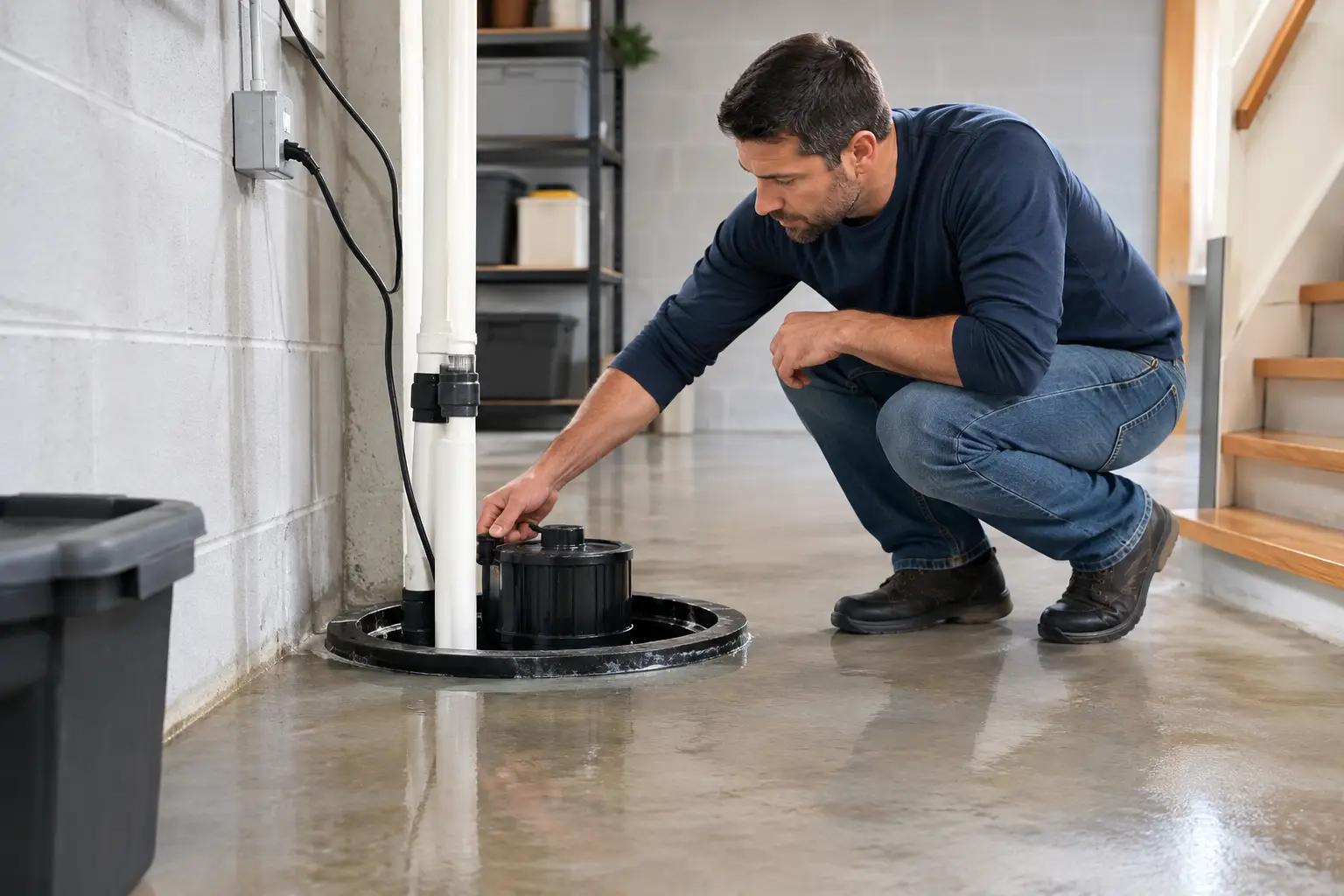
A basement flood rarely starts as a disaster. It often begins with a slow floor drain backup, a damp wall after heavy rain, or a washing machine hose that fails while nobody is home. By the time water reaches stored belongings, finished flooring, electrical equipment, or a furnace, a small issue can become an expensive emergency.
Knowing how to stop basement flooding means protecting against both outside water and indoor plumbing failures. The right plan combines routine maintenance, reliable drainage, early alerts, and fast action when conditions change.
Start by identifying where the water is coming from
The source determines the fix. Rainwater entering through foundation walls, windows, or floor cracks points to a drainage or grading problem. Water near a water heater, laundry area, bathroom, or utility sink may indicate a plumbing leak, failed appliance connection, or sewer backup.
Look for patterns before making repairs. Does moisture appear only after a major storm? Is there standing water near one wall? Does the sump pump run constantly, make unusual noises, or fail to turn on? A clear answer can keep you from spending money on a solution that does not address the real problem.
If water is close to electrical outlets, appliances, a breaker panel, or exposed wiring, do not enter the area until it is safe to do so. Turn off power only if you can reach the panel without standing in water, then contact a qualified professional for help.
Keep rainwater moving away from the foundation
Most basement water problems begin outside. When soil slopes toward the house or gutters dump water beside the foundation, water can build pressure against basement walls. Over time, it finds its way through cracks, joints, window wells, and other weak points.
Clean gutters at least twice a year and after major storms if trees surround your property. Check that downspouts direct water well away from the home, not onto a walkway or into a low area that drains back toward the basement. Extensions can help, but they need to carry water to a location where it can safely disperse.
The ground around the foundation should slope away from the house. If landscaping has settled over the years, adding and properly compacting soil may improve drainage. Avoid piling mulch, soil, or decorative stone against siding and foundation vents. It can hold moisture where you do not want it.
Window wells deserve attention too. Clear leaves and debris from drains, repair cracked covers, and consider sturdy covers where they will not create an egress issue. A blocked window-well drain can turn a heavy storm into a direct path into your basement.
Make sure your sump pump is ready before the storm
A sump pump is one of the most effective tools for preventing groundwater from reaching the basement floor. But it only works if it is properly sized, maintained, powered, and able to discharge water away from the house.
Test it periodically by slowly pouring water into the sump pit until the float activates the pump. Confirm that it turns on, removes the water, and shuts off normally. If it does not activate, runs without moving water, rattles loudly, or cycles repeatedly, schedule service before severe weather arrives.
A primary pump has a major limitation: it cannot operate during a power outage unless there is backup power. A battery backup sump pump or generator-supported system provides added protection during the storms most likely to create flooding conditions. The best choice depends on your home, local weather, available drainage, and how often outages occur in your area.
Also inspect the discharge line outside. It should not be frozen, crushed, clogged, or aimed so close to the foundation that the water returns to the sump pit. A pump can be working perfectly while the drainage path is failing.
Stop indoor leaks before they become basement floods
Not every basement flood comes from weather. A burst supply line, leaking water heater, failed dishwasher hose, overflowing utility sink, or backed-up drain can release significant water in minutes.
Inspect visible plumbing connections regularly, especially in laundry rooms and utility areas. Replace worn washing machine hoses, watch for corrosion around water heaters, and address drips promptly. A small leak can signal a failing valve or connection long before a full rupture occurs.
If your basement includes a bathroom, laundry setup, wet bar, or utility sink, keep floor drains clear. Do not pour grease, paint, chemicals, or debris into drains. In neighborhoods with older sewer infrastructure or known heavy-rain backups, ask a licensed plumber whether a backwater valve is appropriate. This device can help prevent sewage from flowing backward into the home, though it must be selected and maintained correctly.
Add flood sensors where water can cause the most damage
Maintenance reduces risk, but it cannot guarantee that a pipe will not fail while you are away. Flood sensors add the early warning that visual checks cannot provide. Place them low to the ground near the sump pump, water heater, washing machine, utility sink, basement bathroom, and any appliance with a water supply line.
A smart flood sensor can send an alert to your phone when it detects water. That fast notification gives you a chance to call a neighbor, contact a plumber, or return home before water spreads through a finished basement. For a vacation property, rental, or home that is frequently empty during the day, this can make a meaningful difference.
For stronger protection, pair leak detection with a smart water shutoff valve. When a sensor detects water or an unusual flow pattern, the system can close the main water supply automatically or allow you to close it remotely. This approach is especially useful for plumbing leaks. It will not stop rainwater coming through a foundation wall, but it can limit damage from a broken pipe or appliance hose.
Professionally installed systems reduce guesswork around placement, connectivity, valve compatibility, and ongoing operation. With Fluent Home, homeowners can bring flood detection, smart water control, security, cameras, and remote management together in one easy-to-use system.
Protect the items and systems stored downstairs
Even a well-maintained basement has some level of risk, particularly in areas with intense rainfall, high water tables, or aging municipal sewer systems. Store belongings with that reality in mind.
Keep boxes, documents, electronics, seasonal items, and valuables off the floor. Use sturdy shelving and waterproof bins rather than cardboard for items that would be difficult to replace. Elevate furnaces, water heaters, appliances, and other critical equipment when feasible during a remodel or replacement project. A contractor can advise on local code requirements and practical options for your space.
If you are finishing a basement, choose materials that are more forgiving around moisture. Tile, sealed concrete, and certain vinyl flooring options generally handle water better than carpet and traditional padding. This is a trade-off between comfort, appearance, and recovery costs, but it is worth considering in flood-prone homes.
Have a clear response plan for heavy rain and active leaks
When a severe storm is expected, check that gutters are clear, the sump pump is operating, and basement drains are unobstructed. Move valuables off the floor and make sure everyone in the household knows where the main water shutoff is located.
If you find an active plumbing leak, shut off the water supply immediately if it is safe to do so. For a localized issue, the appliance or fixture valve may be enough. For an unknown or major leak, use the main shutoff and call a licensed plumber. Document damage with photos for insurance purposes once the area is safe.
For groundwater or storm-related flooding, do not rely on a shop vacuum as the primary solution if water keeps entering. The priority is controlling the source, confirming the sump system is functioning, and bringing in water mitigation or drainage professionals when needed. Fast drying matters because mold can begin developing in as little as 24 to 48 hours under the right conditions.
A dry basement is built through layers of protection: water directed away from the home, dependable pumping, maintained plumbing, and alerts that reach you before a minor leak becomes a major loss. Taking one practical step now, such as testing your sump pump or adding a flood sensor, gives your home a stronger margin of safety when the next storm arrives.