A smoke alarm that keeps chirping at 2 a.m. can make anyone want to pull it off the ceiling. Before you do, take a breath and identify whether you need to reset smoke alarm settings, replace a battery, clear a false alarm, or respond to a real emergency. Your alarm is designed to be loud and persistent for a reason. Treat every activation seriously until you know the home is safe.
Start With Safety, Not the Reset Button
If the alarm is sounding continuously and there is any sign of smoke, fire, or burning, get everyone outside immediately. Call 911 from a safe location. Do not stay inside to reset the alarm, open windows, or search for the source of smoke.
The same caution applies if you have a combination smoke and carbon monoxide detector. Carbon monoxide has no smell and cannot be seen. If a CO alarm activates, move outdoors or to fresh air right away and call emergency services. Resetting the device before the source is addressed can put your household at risk.
Once you have confirmed there is no active fire or carbon monoxide danger, you can troubleshoot the alarm calmly. Steam from a shower, smoke from cooking, dust, insects, aerosol sprays, and low batteries are common reasons for unwanted activations. The alarm may be doing exactly what it was designed to do – detecting particles or conditions that need your attention.
How to Reset a Smoke Alarm After a False Alarm
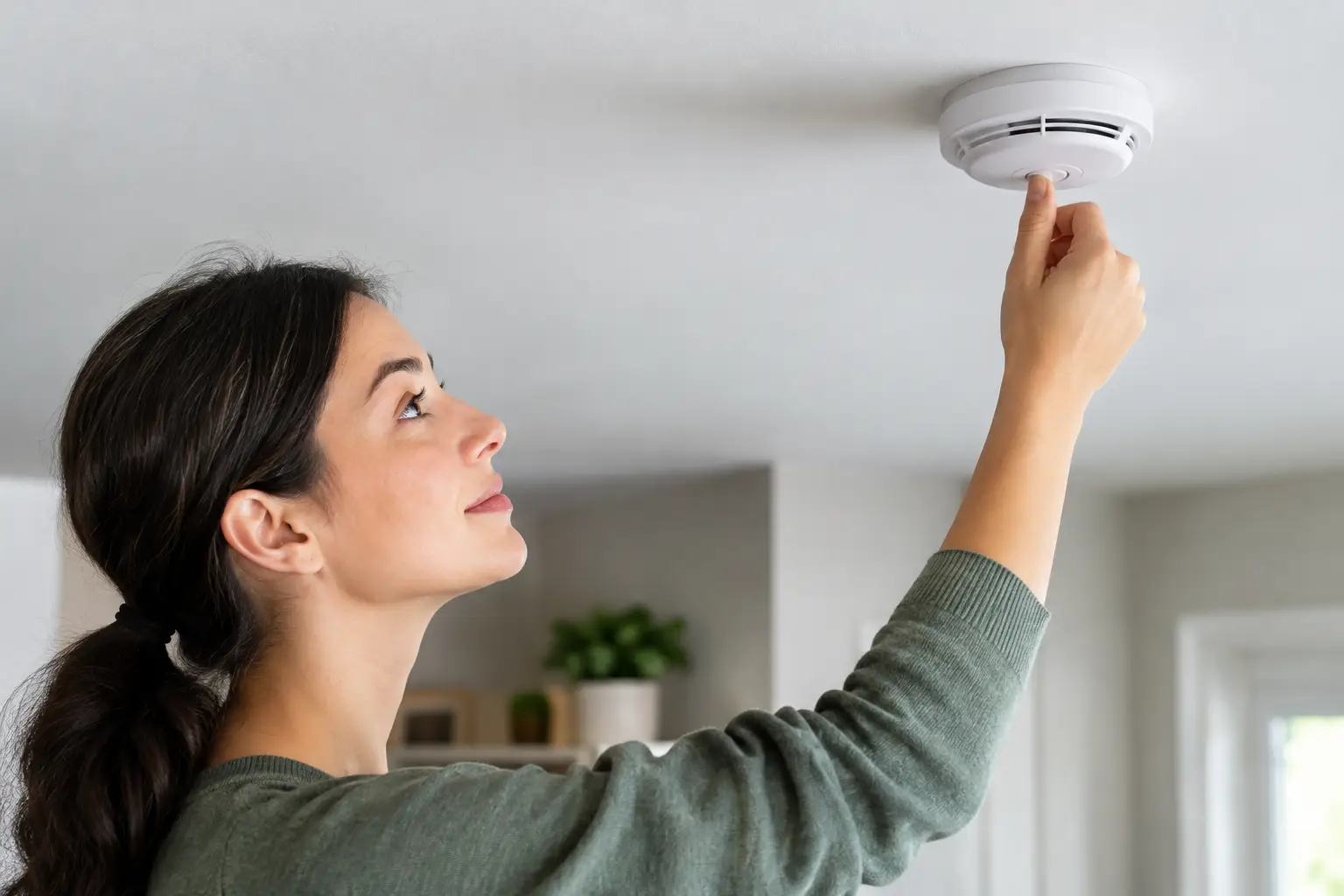
Most smoke alarms have a test or hush button on the face of the device. Pressing and holding it for several seconds often silences the alarm and resets its alert state. The exact timing differs by manufacturer, so use the instructions printed on the alarm or its manual whenever possible.
If the alarm was triggered by cooking, first remove the source of smoke or steam. Turn on the range hood, open a nearby window if conditions allow, and use a fan to move clean air through the space. Avoid waving a towel directly under the alarm. That can spread particles around the sensor and may not solve the problem.
For a battery-powered alarm, remove the battery only if the manufacturer’s instructions call for it or if you are replacing it. Never leave a smoke alarm without a working battery. After installing a fresh battery, close the battery compartment fully and press the test button. A successful test confirms the alarm has power and can sound when needed.
Hardwired alarms may be connected in a series, which means one device can trigger alarms throughout the house. In that case, the unit nearest the smoke, steam, or dust may be the initiating alarm even if another device seems loudest. Check each detector for a flashing light or indicator pattern that identifies the source.
Resetting a hardwired smoke alarm
A hardwired smoke alarm typically has backup battery power, so turning off the circuit breaker alone may not reset it. After confirming the home is safe, press and hold the test button. If the alarm continues to chirp or remains in an error state, replace the backup battery, restore the detector to its mounting base, and test it again.
Some models require a complete power reset. This can involve turning off the circuit at the breaker, removing the backup battery, holding the test button for 15 to 30 seconds to drain residual power, then reconnecting everything. Only use this process when it matches your device instructions. If you are not comfortable working around electrical equipment, schedule service rather than guessing.
What a Chirp Usually Means
A full alarm and an occasional chirp are different signals. A repeating chirp every minute or so often points to a low battery, an improperly closed battery drawer, a dirty sensor, a device fault, or the end of the alarm’s service life.
Start with a new, manufacturer-recommended battery. Do not mix battery types or use an old battery from a drawer. Confirm that the battery contacts are clean and that the drawer is fully latched. If the chirp continues, gently vacuum the outside vents with a soft brush attachment. Dust, pet hair, and small insects can interfere with sensors over time.
Many smoke alarms must be replaced after about 10 years, though you should always follow the date and instructions on your specific unit. Look for a manufacturing or replacement date on the back of the alarm. An end-of-life chirp cannot be fixed with a battery change or reset. The dependable solution is replacing the device.
When Your Alarm Will Not Reset
A smoke alarm that immediately sounds again after a reset is giving you useful information. There may still be smoke particles in the air, contamination inside the sensing chamber, an electrical issue, or a failing unit. Do not disable it simply to stop the noise.
First, ventilate the area and wait a few minutes. Then inspect the detector for visible dust, paint overspray, moisture, or insect activity. Smoke alarms near kitchens, bathrooms, laundry rooms, and garages can be exposed to conditions that make false alarms more likely. Relocating an alarm is not always the answer, because placement requirements are designed to protect escape routes and sleeping areas. A security professional can help determine whether the device type and location are appropriate without creating a coverage gap.
If multiple connected alarms sound without an obvious cause, or if a hardwired unit repeatedly trips the system, arrange professional service. Electrical wiring and interconnected detection systems should be inspected by someone qualified to work on them. This is especially true after a power surge, renovation, water leak, or ceiling repair near the detector.
Keep Smoke Detection Reliable Between Alarms
A reset is only one part of dependable fire protection. Test every smoke alarm monthly using its test button, and practice your household fire escape plan at least twice a year. Everyone should know two ways out of each room when possible, plus a meeting point outside and away from the home.
Placement matters as much as testing. Smoke alarms are generally needed inside and outside sleeping areas and on every level of the home, including the basement. Larger homes, finished attics, and properties with separate living spaces may need additional coverage. Local code requirements can vary, so a professional assessment is helpful when building, remodeling, or upgrading an older system.
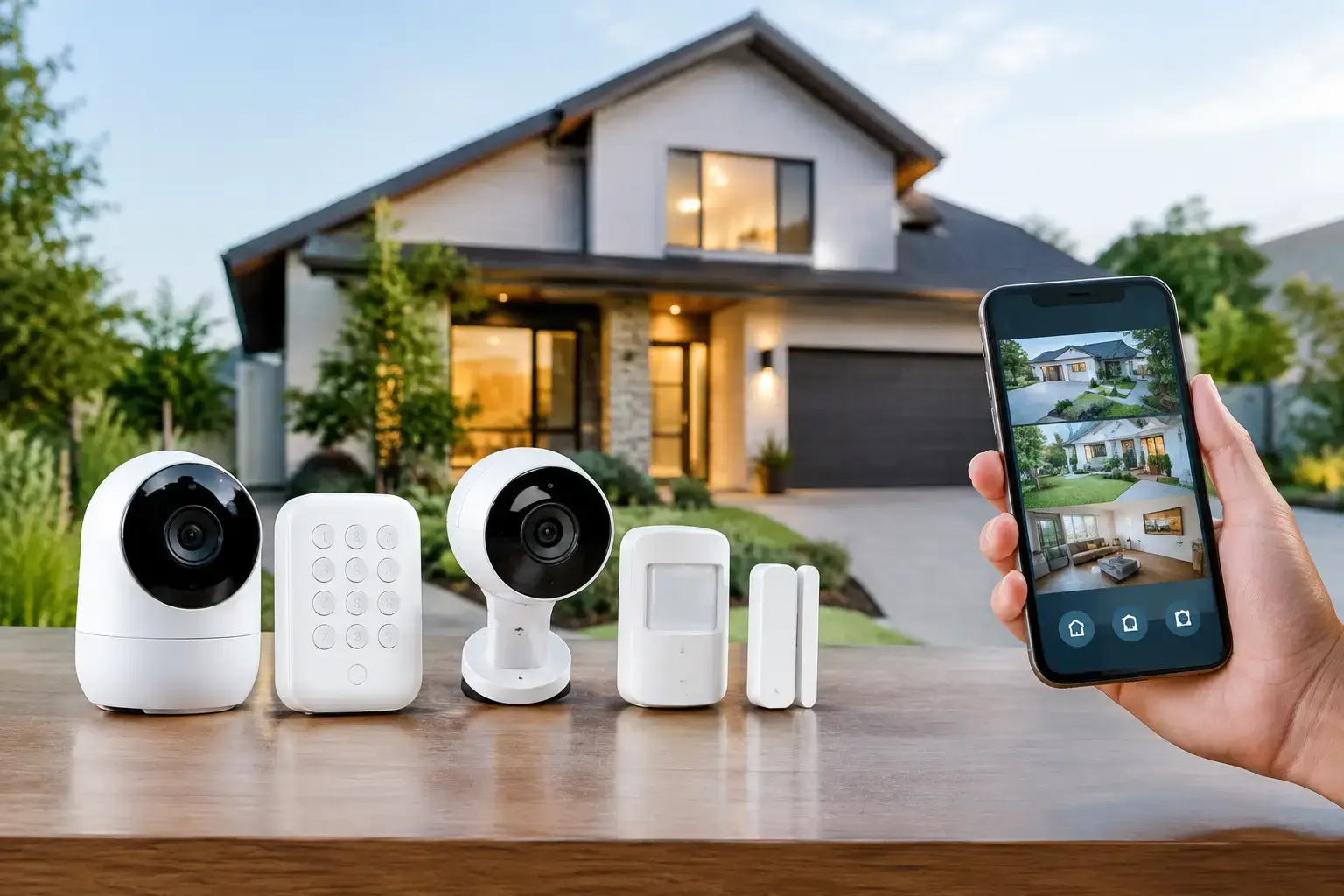
For homeowners who want more oversight, professionally monitored smart smoke and carbon monoxide detectors can send alerts through a mobile app and connect environmental safety to the rest of the home security system. Instead of relying on a single chirp heard from down the hall, you can receive a clear notification when you are away and know which device needs attention. Fluent Home can help design professionally installed protection that fits your home, your routines, and the areas that need coverage most.
A Better Response Than Silencing the Alarm
The goal is not just to make the sound stop. It is to know why it started, confirm your detector is working, and restore protection before life gets busy again. If a reset solves the issue, test the alarm once more. If it does not, replace the battery, clean the unit as directed, or arrange service for a device that may be nearing the end of its life.
A working smoke alarm gives you time – time to wake up, get outside, and protect the people who count on you. That is worth more than a quiet ceiling.