A security system is only as effective as the events it can detect. A camera may show what happened, but the right sensor can trigger an immediate response when someone opens a protected door, breaks a window, enters a restricted room, or when water begins leaking under a sink. Knowing how to choose alarm sensors starts with understanding your property, daily routines, and the risks that matter most to your family or business.
The goal is not to fill every room with devices. It is to build a connected system that detects meaningful activity, reduces false alarms, and gives you clear control from one place. Professional system design helps ensure every sensor has a purpose and works with the rest of your security, video, and smart home equipment.
Start With Your Property’s Entry Points
Most intrusion protection begins at the perimeter. Exterior doors, accessible windows, garage doors, and basement entrances are common places where a break-in may begin. Door and window contact sensors are designed to alert you when a protected opening is opened while the system is armed.
Start by walking the property as if you were arriving for the first time. Count exterior doors, including the door from the garage into the home. Then identify first-floor windows, basement windows, sliding glass doors, and any upper-floor windows that are reachable from a deck, roofline, or fire escape.
Not every window requires identical protection. A small, hard-to-reach window may present less risk than a large sliding door behind the home. Still, protecting the openings you use most often can be just as valuable as protecting the ones you rarely notice. A contact sensor on a frequently used door can send an alert when a child arrives home, an employee opens a shop, or a door is left open after hours.
Choose Alarm Sensors by Risk, Not Just Room Count
A complete alarm system addresses more than unauthorized entry. The best sensor mix reflects the incidents that could cause the most disruption in your home or business. For many properties, that means combining intrusion detection with environmental safety devices.
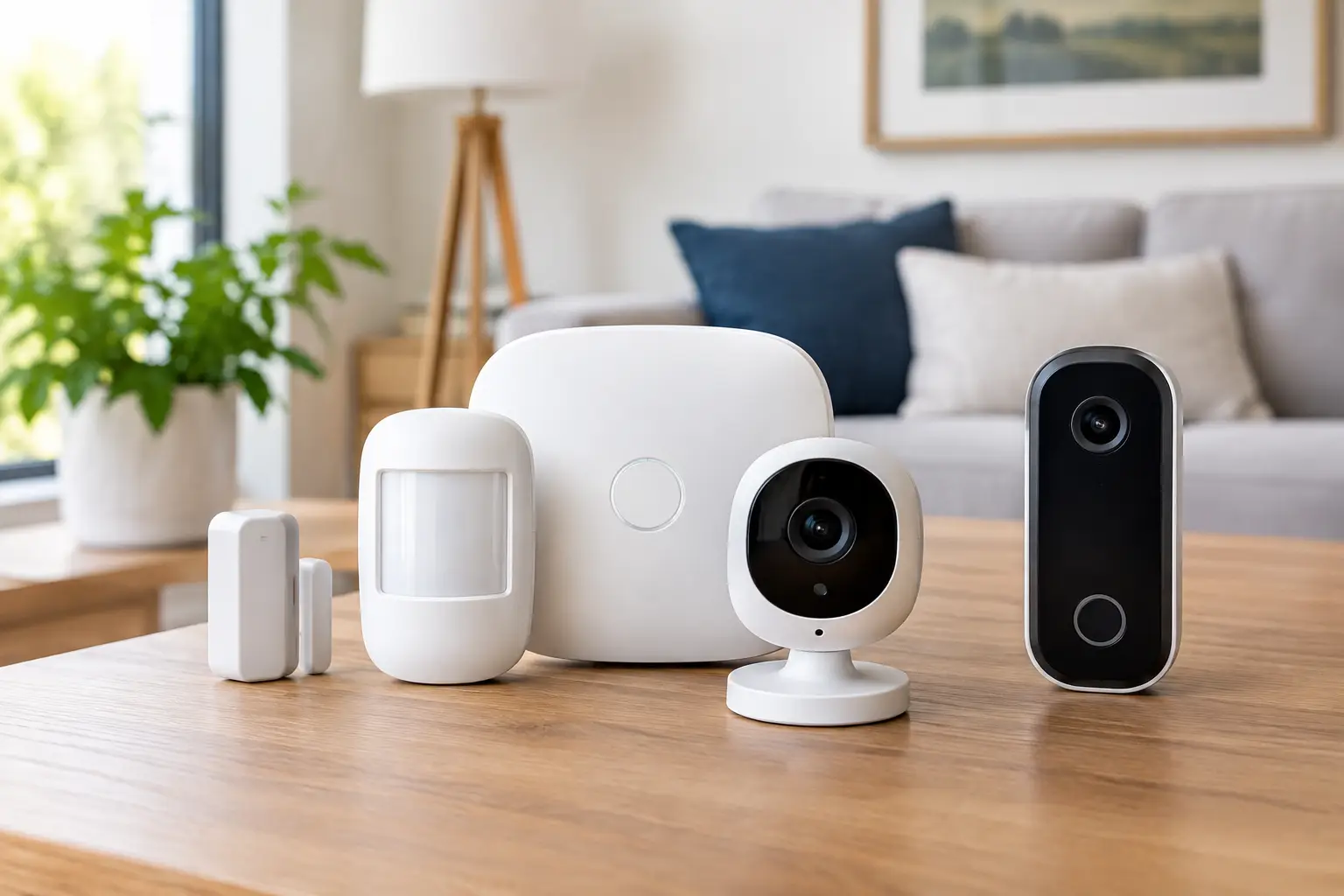
Consider these core sensor categories:
- Door and window sensors detect when protected openings are opened.
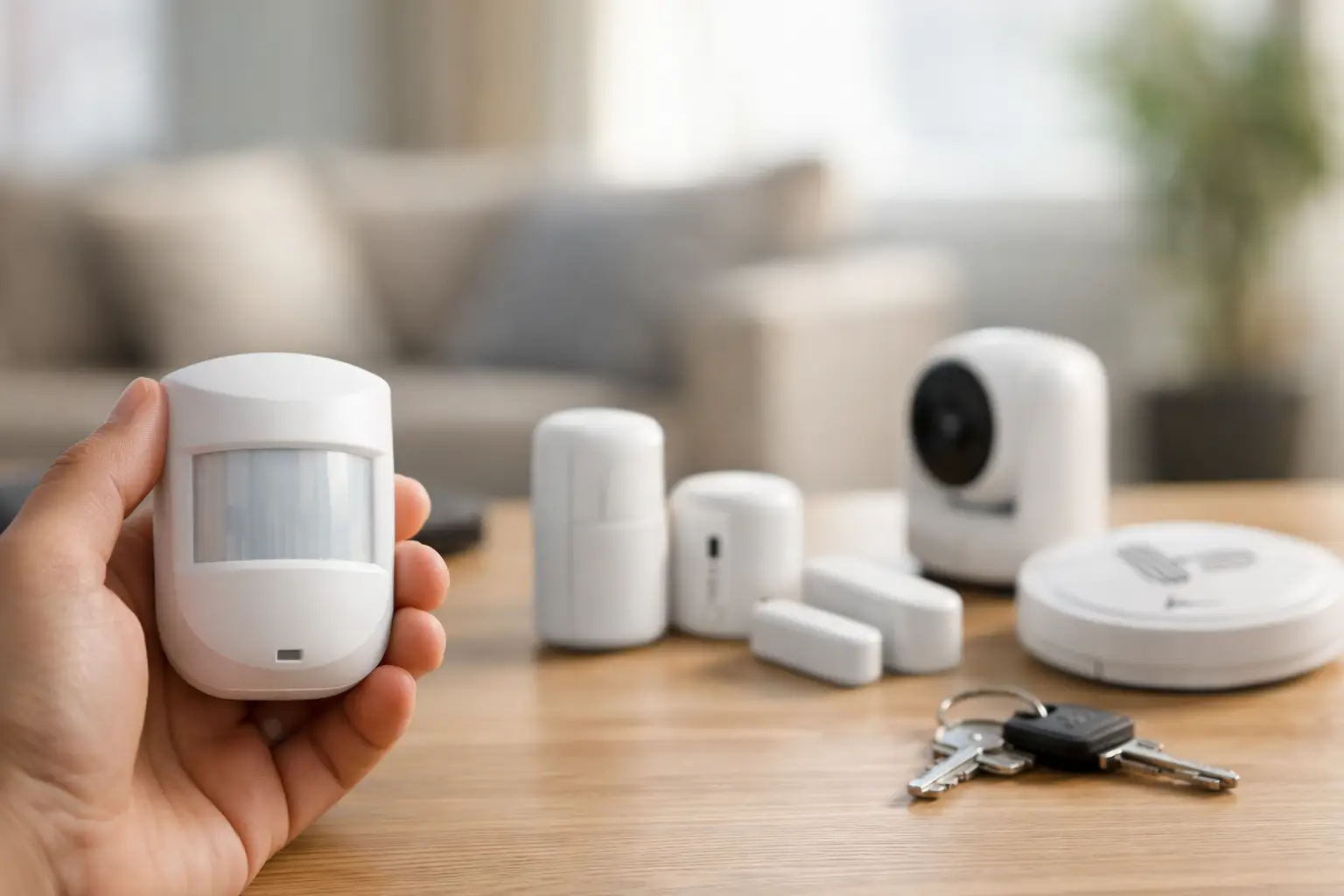
- Motion sensors detect movement in selected interior areas.
- Glass break sensors listen for the sound pattern of breaking glass near vulnerable windows and doors.
- Smoke, carbon monoxide, and flood sensors warn of life-safety and property-damage threats.
A family with pets and a finished basement may prioritize pet-aware motion detection and water sensors near the water heater, laundry area, and sump pump. A homeowner who receives frequent deliveries may pair front-door sensors with a video doorbell and outdoor cameras. A small business may need sensors on exterior doors, stock rooms, offices, and employee-only areas, along with access control for authorized entry.
The right design depends on what you want to know, how quickly you need to know it, and what action should follow.
Door and Window Sensors for Everyday Awareness
Contact sensors are often the foundation of a professionally installed system because they provide direct information: a door or window is open or closed. They can support security while also making daily routines easier.
For example, you may want an alert if a back door opens when your system is disarmed, or if a side door remains open late at night. In a small business, a contact sensor can help confirm when a rear service door is accessed or when a restricted storage area is opened.
Placement matters. Sensors should be installed on the openings that create real access to the property, not simply the most visible ones. A professional technician can also account for unusual frames, sliding doors, French doors, and detached garages that may need a different sensor approach.
Motion Sensors for Interior Coverage
Motion sensors add a second layer of protection after perimeter sensors. If someone enters through an unprotected opening or remains inside after closing a door, motion detection can help identify activity in a hallway, main living area, office, or other key space.
The trade-off is placement. A motion sensor aimed directly at a sunny window, moving curtains, HVAC vent, or busy pet area can create avoidable alerts. Homes with dogs or cats may benefit from pet-aware sensors and carefully selected locations. In commercial spaces, motion sensors should cover high-value areas without interfering with normal after-hours cleaning or maintenance routines.
Motion detection is especially useful when a property has many windows, open-concept rooms, or areas that are difficult to protect individually. It should complement perimeter protection, not replace it.
Glass Break Sensors for Large Glass Areas
Glass break sensors are a smart option when a burglar could break a pane and enter without opening the window or door. They are often useful near sliding glass doors, rooms with large windows, or commercial storefronts.
One properly placed glass break sensor may cover several nearby windows, which can make it more practical than adding individual contact sensors to every pane. However, its coverage area and placement must be assessed carefully. The sensor needs to be close enough to hear breaking glass and positioned away from conditions that could interfere with reliable detection.
For homes with extensive glass at the rear of the property, glass break detection can provide meaningful coverage without making the system feel complicated.
Do Not Overlook Fire, Carbon Monoxide, and Water Risks
Intrusion alarms protect against unwanted entry, but environmental sensors can prevent a small problem from becoming a major emergency. These devices deserve the same planning as door and window protection.
Smoke and carbon monoxide detectors should be placed according to local requirements and the layout of your property. Connected devices can alert you through your security system and support a faster monitored response when you are away. Carbon monoxide detection is particularly important near sleeping areas and rooms adjacent to fuel-burning appliances or attached garages.
Flood sensors are compact but valuable in high-risk areas. Install them where water is most likely to appear first: near water heaters, washing machines, dishwashers, sinks, toilets, refrigerators with water lines, and basement sump pumps. If a home has a smart water shutoff valve, leak detection can also support a faster effort to limit damage.
For a small business, water monitoring may be critical near restrooms, break rooms, utility closets, or equipment that could be damaged by a leak. The cost of one unnoticed leak can exceed the cost of protecting several vulnerable areas.
Make Sure Your Sensors Work as One System
Individual devices are helpful. An integrated security system is more useful because the devices can support one clear response. When a door opens, a camera can capture the event. When motion is detected, you can receive an alert and review video. When an alarm is verified, professional monitoring can take action based on your service plan.
This is where system compatibility matters. Avoid choosing sensors only because they appear inexpensive or easy to install. A mix of disconnected devices can mean multiple apps, inconsistent alerts, limited monitoring options, and more maintenance. A professionally designed system brings security sensors, cameras, smart locks, lights, thermostats, and environmental devices into one easy-to-manage experience.
For added deterrence, video analytics and AI-enhanced cameras can help distinguish meaningful activity from routine movement. That can reduce unnecessary notifications while giving you more context around a potential threat. The objective is not more alerts. It is better information when something needs your attention.
Plan for Routines, Pets, and Future Changes
The best alarm sensor setup should fit the way you live or work. Think about who enters the property, when they come and go, and which areas must stay protected. A household with teenagers, dog walkers, cleaners, or visiting relatives needs a different approach than a home that is empty most weekdays. A retail shop with several employees needs different controls than a professional office with limited after-hours access.
Also plan beyond your current needs. You may add a nursery, finish a basement, convert a spare room into an office, or expand a business into additional space. A modular system makes it easier to add sensors, cameras, smart locks, or access control later without starting over.
Professional installation is especially helpful when placement is not straightforward. Experts can evaluate signal reliability, mounting surfaces, pet traffic, room layout, and coverage gaps that are easy to miss during a do-it-yourself setup. They can also confirm that your sensors communicate properly with the control panel and monitoring service before relying on them.
Get a Custom Sensor Plan, Not a Generic Package
Prebuilt packages can be a useful starting point, but no two properties have the same entrances, valuables, routines, or risks. A quick consultation can identify the doors, windows, rooms, and environmental hazards that deserve protection first, then build from there.
Fluent Home helps homeowners and small business owners create professionally installed security systems that combine the sensors they need with cameras, smart control, and 24/7 professional monitoring. The result is protection that feels simple to use and ready to respond when it matters.
A well-chosen sensor does more than sound an alarm. It gives you an earlier warning, a clearer picture of what is happening, and more confidence when you cannot be there yourself. Request a free custom quote to build protection around the way your property actually works.