A washing machine hose can leak for hours before anyone notices. A water heater can fail while you are at work. A slow drip beneath a bathroom vanity can soak flooring, drywall, and cabinets long before it becomes visible. That is how flood sensors prevent damage: they identify water where it should not be, alert you quickly, and can trigger a faster response before a small leak becomes an expensive restoration project.
For homeowners and small business owners, water detection is one of the most practical additions to a professionally managed security system. It protects the places you do not check every day and gives you control when you are away from the property.
How Flood Sensors Prevent Damage Before It Spreads
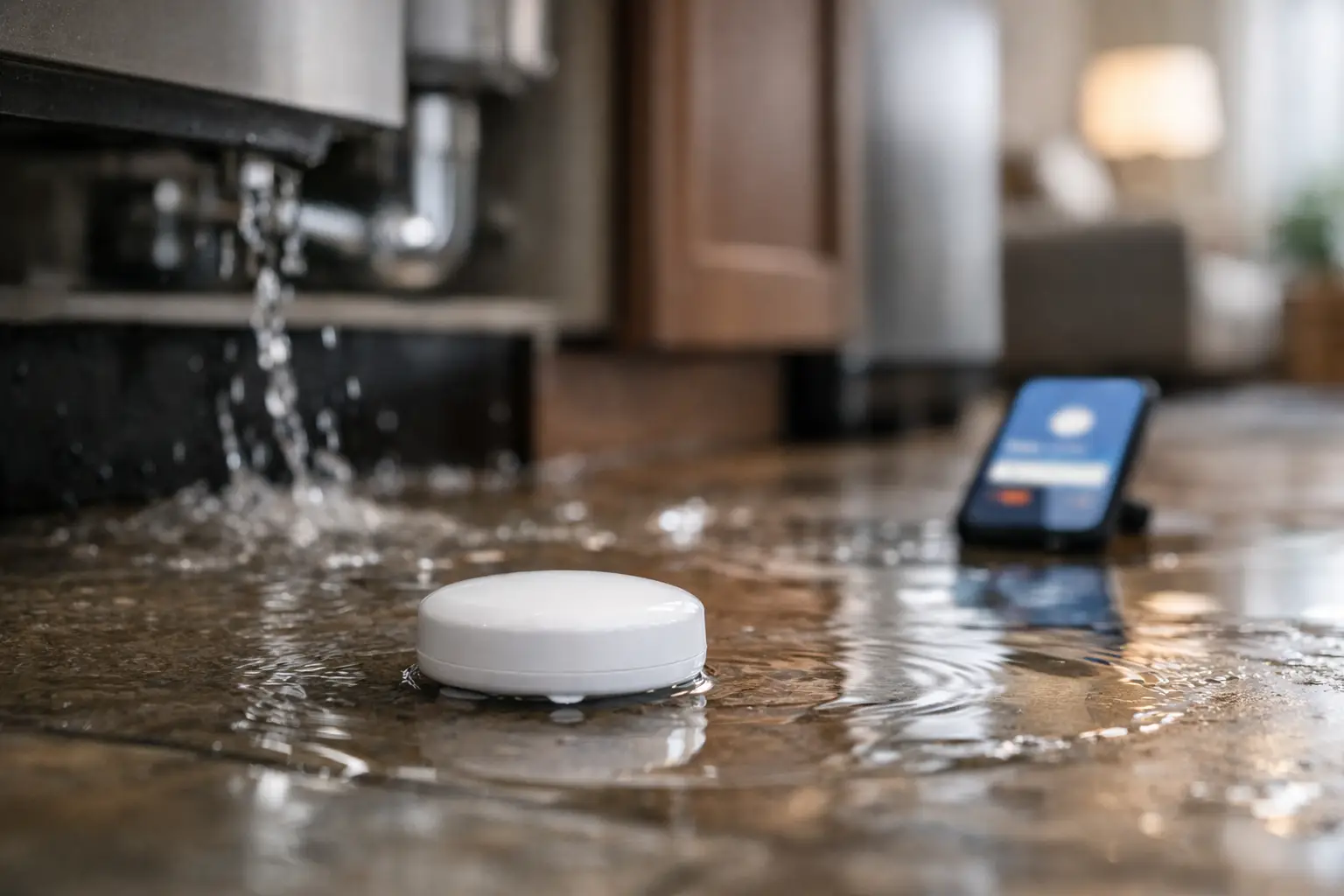
A flood sensor is a compact environmental safety device placed near areas at risk for leaks or overflow. When its sensing contacts detect water, the device sends an alert through your smart security system. Depending on the system setup, you may receive a mobile notification, an alarm event can be sent to a monitoring center, or a connected smart water valve can shut off the water supply automatically.
Speed matters because water rarely stays in one place. It can move under baseboards, behind appliances, through ceilings, and into neighboring rooms. By the time a leak is obvious, the damage may include warped flooring, stained drywall, damaged inventory, mold concerns, or electrical hazards.
Early detection does not repair a broken pipe. What it does is shorten the time between the start of a leak and your response. That smaller window can make a meaningful difference in cleanup costs and disruption.
Alerts turn an unseen leak into an immediate task
The first layer of protection is notification. A properly integrated flood sensor can notify you through a mobile app when water is detected, whether you are upstairs, at the office, or traveling. Instead of discovering a problem after a weekend away, you can call a neighbor, contact a plumber, or return to the property while the issue is still contained.
For a business, this can be especially valuable after closing hours. A leak in a utility room, employee restroom, break area, or under-sink cabinet can affect operations the next morning. A prompt alert gives an owner or authorized manager time to act before opening hours.
Automatic shutoff can limit the water source
Alerts are powerful, but an automatic water shutoff valve adds another layer of control. When a compatible flood sensor detects water, the system can close the main water valve to stop or reduce the flow. This is particularly useful when no one can get to the property right away.
Automatic shutoff is not the right answer for every situation. Some homes have sprinkler systems, boilers, specialty plumbing, or other equipment that requires a more customized plan. A professional consultation can help determine whether a smart valve is appropriate and how it should be configured. The goal is to protect the property without creating an interruption that causes another problem.
Where Flood Sensors Make the Biggest Difference
Placement is as important as the sensor itself. Water sensors should be located at floor level or in the lowest point near a likely source of water. They are designed to detect leaks, not predict every possible plumbing failure.
High-priority locations usually include laundry rooms, water heaters, utility sinks, dishwasher connections, refrigerator water lines, and bathrooms. Basements and crawl spaces also deserve attention because water can collect there unnoticed. In a finished basement, a sensor near a sump pump, water softener, or mechanical room can provide valuable early warning.
For small businesses, consider restrooms, kitchenettes, janitorial closets, utility areas, mechanical rooms, and any space with plumbing that is unattended overnight. Property managers may also want coverage in vacant suites, common areas, or equipment rooms where a leak could affect multiple tenants.
A single sensor can protect one risk area, but it cannot monitor an entire property. Larger homes and commercial spaces generally benefit from multiple sensors placed around separate water sources. A customized system design helps avoid the common mistake of protecting the water heater while overlooking the washing machine, upstairs bathroom, or ice maker line.
Flood Detection Works Best as Part of a Connected System
A standalone water alarm may make noise in the room where the leak occurs. That can be useful when someone is home, but it has limits. If the property is empty, the alarm may go unheard. If it is in a basement or behind an appliance, you may not know there is a problem until much later.
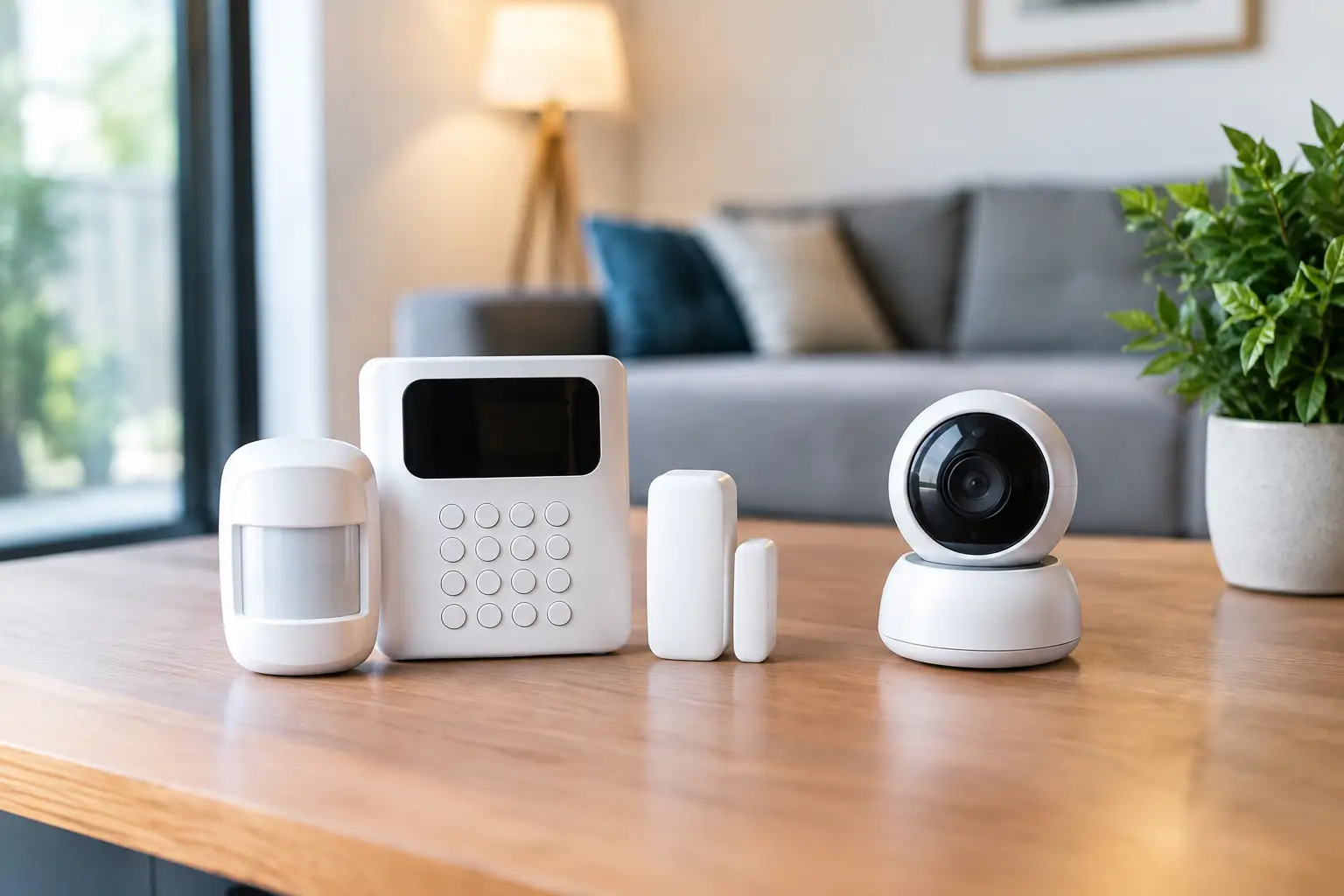
Connected flood detection brings water protection into the same system used for intrusion, video, smoke, carbon monoxide, and smart home control. From one app, you can see an alert, check relevant cameras when appropriate, contact someone with access to the property, and manage compatible devices. That centralized visibility is especially helpful for families with busy schedules, second-home owners, and business owners responsible for more than one location.
Professional installation also removes uncertainty around device placement, system pairing, and alert settings. Flood sensors need to be placed where water will reach them first, not merely where they are easiest to see. An experienced technician can identify high-risk points and make sure the devices communicate reliably with the control panel.
What Flood Sensors Can and Cannot Protect Against
Flood sensors are highly effective for many common indoor water events, including appliance leaks, pipe drips, overflowing fixtures, water heater failures, and sump pump concerns when water reaches the sensor location. They are a practical way to reduce the chance that a minor issue goes unnoticed.
They are not a substitute for plumbing maintenance, roof repairs, drainage improvements, or flood insurance. A sensor near a water heater will not prevent stormwater from entering through a damaged foundation on the other side of the basement. Likewise, it cannot stop a leak before water reaches the device.
That is why placement and layered protection matter. Maintain hoses and appliances, inspect plumbing connections, keep gutters and drainage systems in working order, and use sensors to monitor the points most likely to fail without warning. When paired with a smart shutoff valve, the system can offer a stronger response to supply-line leaks, but the setup should match the property’s plumbing and daily needs.
Choosing a Flood Sensor Setup for Your Property
The right setup depends on the size of the property, the number of water sources, whether the building is occupied regularly, and how quickly someone can respond to an alert. A family that is often away for work or travel may prioritize mobile alerts and automatic shutoff. A small business may need alerts sent to multiple authorized contacts so a manager can respond after hours.
Look for a solution that integrates with your security system rather than adding another disconnected app and another device to manage. You should also consider professional monitoring options, battery status notifications, and whether the system can expand as your needs change. Water protection is often most effective when it is part of a broader safety plan that includes fire, carbon monoxide, intrusion, and video security.
Fluent Home can help design a professionally installed system around the risks in your home or business, including flood detection and compatible water control. A custom quote gives you a clear path to protect the areas where a leak would cause the most disruption.
The best time to place a flood sensor is before the water heater fails, the hose cracks, or the upstairs bathroom leaks into the ceiling below. A few well-placed devices can turn a hidden water problem into an alert you can act on while protecting the space, belongings, and routines that matter most.