A security alarm can sound for a real emergency, a door left ajar, or a hurried mistake while coming home. So, does professional monitoring call police? Yes, a professional monitoring center can request police dispatch when an alarm event meets the right response criteria, but it is not an automatic call for every signal.
The goal is simple: get the appropriate help moving quickly while reducing unnecessary dispatches. A professionally monitored system adds trained people, documented procedures, and real-time information to the moments when you may be asleep, away from your phone, or unable to respond.
Does Professional Monitoring Call Police After an Alarm?
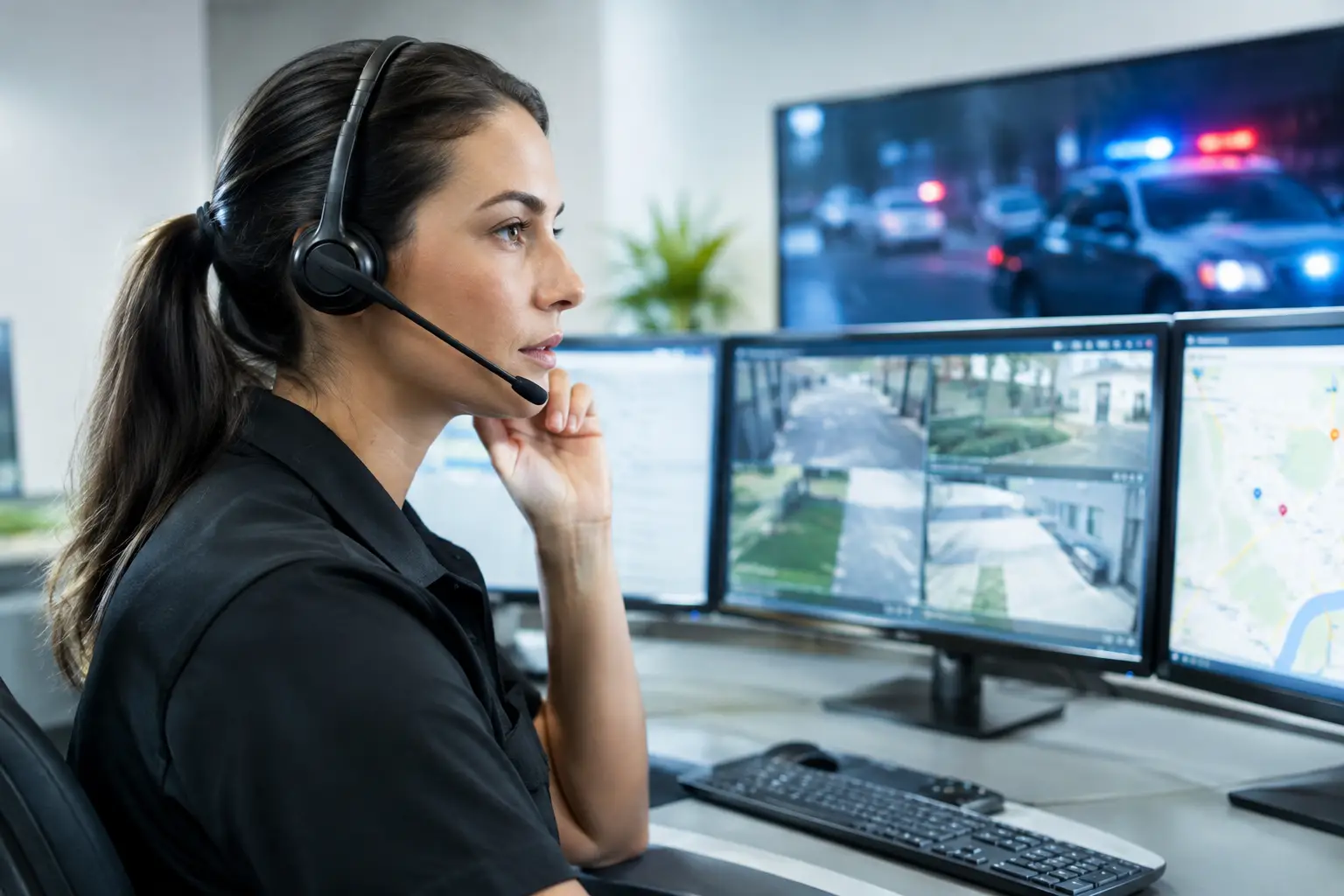
When an intrusion alarm is received, monitoring professionals follow the response plan connected to your account. That plan typically includes calling designated contacts, attempting to verify the event, and contacting local emergency services when the situation warrants it.
The exact process depends on the alarm type, the monitoring service, your account instructions, and local alarm-response rules. Some municipalities require enhanced call verification before law enforcement will respond. Others may have permit requirements, false-alarm fees, or policies that affect how alarms are handled.
This is why a professionally installed, customized security system matters. Your response plan should reflect the way you live or work, including who should be contacted first, which users can cancel an alarm, and how your property can be identified if emergency responders are needed.
What Happens When Your Security System Is Triggered?
A monitored security system is designed to move from detection to action without asking you to manage the entire event alone. While procedures vary, the sequence often begins when a sensor detects unauthorized entry, a panic button is activated, or a monitored safety device reports danger.
The monitoring center receives the signal
Your control panel communicates the alarm event to the monitoring center. Depending on the system and devices involved, the signal may identify the alarm type and location, such as a front-door contact, motion detector, glass-break sensor, smoke detector, or carbon monoxide detector.
That detail is useful. An intrusion signal from a protected entry point calls for a different response than a water sensor in the basement or a smoke detector in the kitchen.
A trained operator attempts to verify the event
For many burglary alarms, the monitoring center may call the property and then reach out to the people on your emergency contact list. You may be asked for a verbal passcode to confirm your identity and cancel a false alarm.
If no one answers, the passcode is incorrect, a threat is confirmed, or the event appears to be an emergency, the operator can contact the appropriate authorities. You should never rely on answering your phone as the only line of protection. Professional monitoring is there to keep the response moving if you cannot respond.
Emergency responders are contacted when appropriate
For a confirmed or unresolved intrusion alarm, the monitoring center can request police dispatch. For smoke, carbon monoxide, medical, or panic events, the appropriate response may involve fire, emergency medical services, or police.
The monitoring center does not control whether and how local agencies prioritize a call after it is received. Emergency services make their own dispatch decisions based on local policies, current conditions, and the details provided. Still, receiving a professionally handled alarm report with clear property information can give responders useful context.
Verification Can Improve the Quality of the Response
Not every alarm means someone is breaking in. Pets, open windows, user error, construction work, and environmental conditions can all create false alarms. Repeated false dispatches can lead to fines in some communities and may affect future response procedures.
That is why verification is valuable. It gives the monitoring team a chance to distinguish a canceled alarm from a situation where no authorized user can confirm the property is safe.
Video verification can add another layer of clarity. With compatible cameras and 24/7 video verification services, trained professionals may be able to review a live alarm event and determine whether suspicious activity is visible. When a real threat is seen, the monitoring team can relay more specific information to emergency responders, such as the presence of a person near an entry point or active movement around the property.
This does not guarantee police response or replace emergency services’ judgment. It can, however, help turn an alarm signal into a more informed request for help. For homeowners concerned about break-ins and small businesses protecting inventory, equipment, and employees, that distinction matters.
Why Police May Not Be Called for Every Alarm
A monitoring center is not supposed to treat every event the same way. Dispatching police for a user-canceled alarm, for example, may be unnecessary. Your instructions may also specify that certain contacts should be called before requesting police, provided the situation does not indicate immediate danger.
Local requirements can also shape the process. Some jurisdictions require alarm registration, verified response procedures, or an updated contact list. If an alarm permit has expired or a property has reached a local false-alarm threshold, law enforcement response may be affected.
Fire and carbon monoxide alarms are handled differently from intrusion alarms because life safety comes first. If you suspect fire, carbon monoxide exposure, or an immediate threat to a person, leave the property if it is safe to do so and call 911. Let the monitoring center work in parallel with your emergency response plan.
Set Up Your Account for Faster, Smarter Action
Professional monitoring works best when your account information is accurate. A great system can only follow the instructions and contacts it has on file.
Keep phone numbers current for everyone on your emergency contact list, especially if a family member changes jobs or a keyholder leaves your business. Choose a passcode that authorized users can remember but strangers cannot guess. Make sure every user understands how to disarm the system correctly and what to do if they accidentally trigger an alarm.
For businesses, identify who can verify alarms after hours and who can meet responders when necessary. Consider separate procedures for employee entrances, stockrooms, offices, and high-value areas. Access control, cameras, and intrusion detection can work together to create a clearer picture of activity at the building.
It also helps to notify your security provider whenever you remodel, add doors or windows, bring home a new pet, or change the way you use a space. These changes can affect sensor placement, camera views, and the settings that help reduce false alarms.
Professional Monitoring Is More Than a Phone Call
The strongest security plan does not depend on one device or one moment of luck. It combines visible deterrence, dependable detection, smart alerts, and trained support when an event requires real attention.
A camera may deter someone from approaching. Smart lighting can make a property look occupied. Door and window sensors can detect entry. A monitored alarm ensures that a signal does not sit unanswered while you are driving, traveling, sleeping, or focused on your customers.
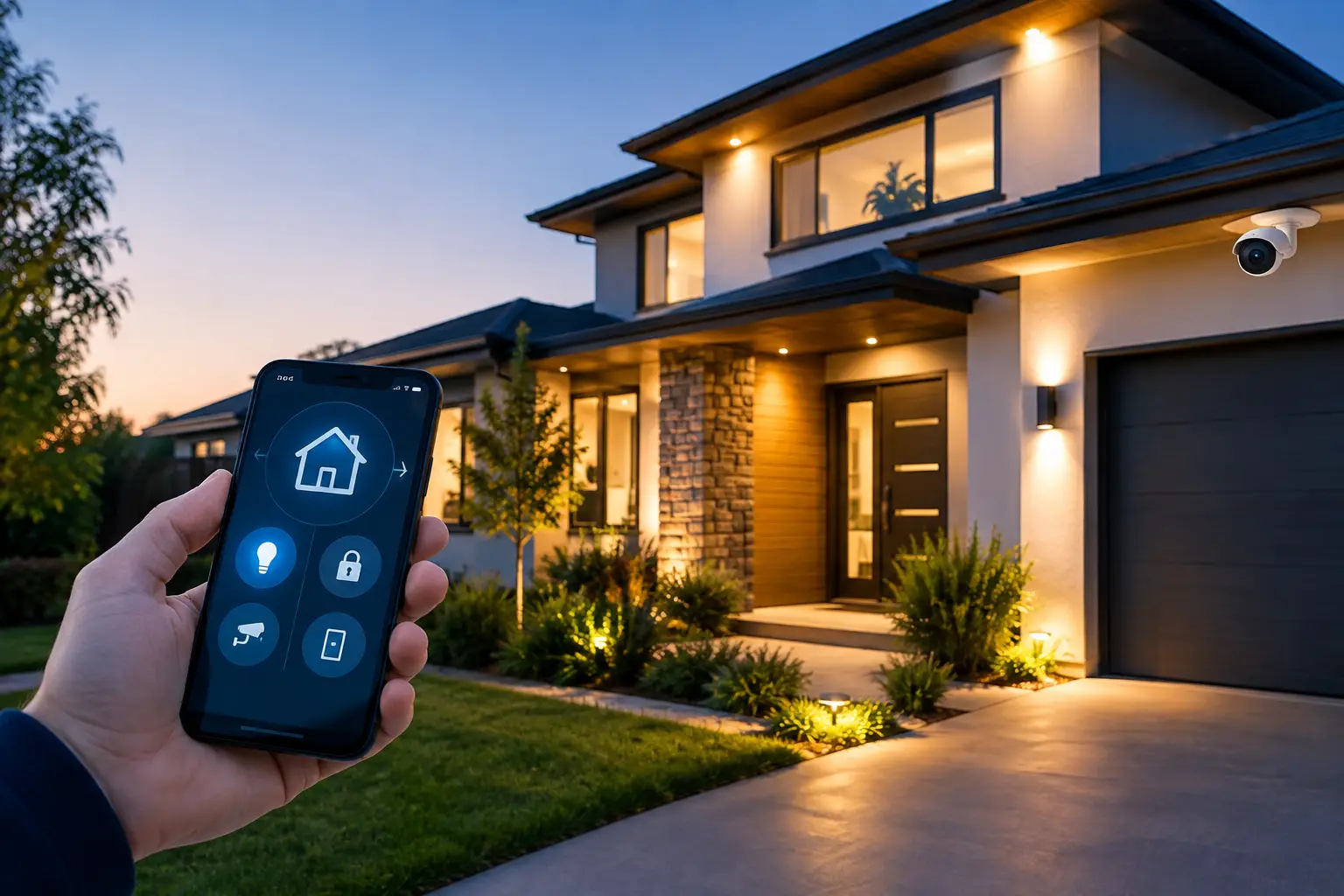
Fluent Home helps homeowners and small business owners build professionally installed systems around the risks that matter most, from burglary and package theft to fire, carbon monoxide, and water damage. The right setup gives you control from one app while providing a monitored backup when you need more than a notification.
If you are evaluating professional monitoring, ask how alarm verification works, which emergency contacts can be set up, whether video verification is available, and how local dispatch rules may affect your address. Those answers will help you choose protection that is ready to act, not just ready to alert.