
If you’re comparing security options for a storefront, office, warehouse, or small multi-site operation, business alarm monitoring costs can look confusing fast. One quote seems low until you notice limited coverage. Another looks expensive until you realize it includes video verification, mobile control, and professional installation. The real question is not just what monitoring costs, but what level of protection you are actually paying for.
For most small businesses, professional alarm monitoring is a monthly service tied to how your system is built, how quickly events can be verified, and how much support you want from your security provider. A basic monitored intrusion setup will cost less than a system that combines burglary protection, cameras, environmental sensors, smart access, and around-the-clock response. That does not mean every business needs the most advanced package. It means the right price depends on your risks, your layout, and how much downtime or loss would cost you.
What affects business alarm monitoring costs?
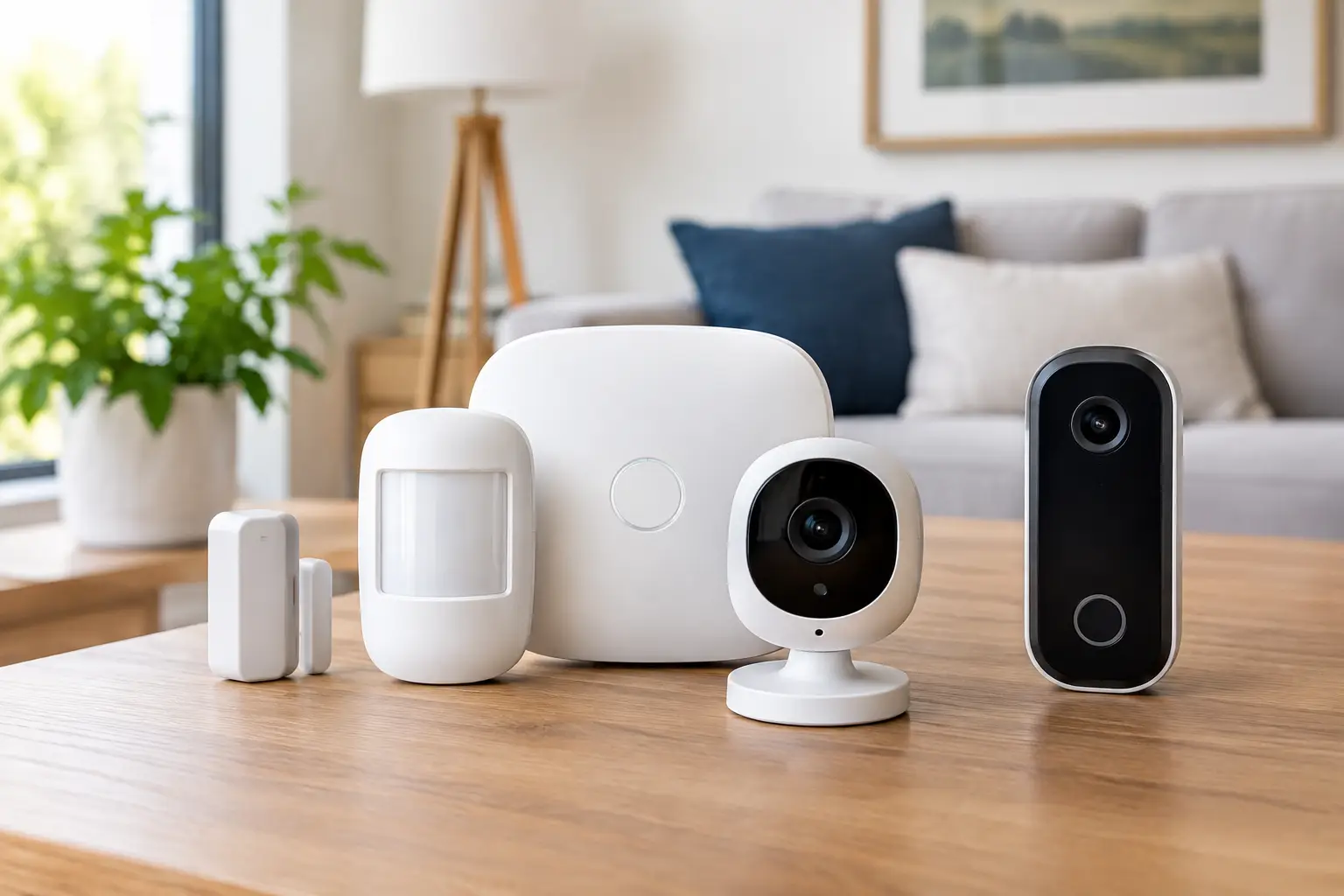
The biggest pricing factor is the type of protection being monitored. If your system only covers door contacts, glass break sensors, and motion detectors, your monthly rate will usually land at the lower end. Once you add indoor and outdoor cameras, video verification, access control, smoke detection, carbon monoxide monitoring, flood sensors, or smart automation, the monthly cost goes up because the system is doing more and the response process is more involved.
Your property size matters too. A small retail suite with a front door, rear door, and a few motion sensors is a different job than a restaurant with multiple entry points, a stockroom, back alley access, and a manager office. More openings and more areas to protect mean more devices, more setup, and often a more customized monitoring plan.
The level of service behind the system also shapes the final number. Professionally installed systems often cost more than DIY options on paper, but they remove a common source of false alarms and blind spots: poor setup. A system that is installed correctly, tested properly, and designed around your actual floor plan tends to perform better when you need it most.
Typical business alarm monitoring costs by service level
Most small businesses can expect monthly monitoring to start around the lower tens of dollars for basic intrusion monitoring and rise into higher monthly ranges when advanced features are included. If you are pricing a professionally installed system with mobile app control, smart alerts, camera integration, and stronger verification tools, expect the monthly rate to reflect that added coverage.
At the entry level, you are usually paying for 24/7 monitoring of burglary alarms with standard dispatch procedures. This can be enough for a very small office or low-risk location, but it may leave gaps if you also want visibility into deliveries, after-hours activity, employee access, or environmental threats.
In the mid-range, costs often include app-based control, system health alerts, camera integration, and broader sensor coverage. This is where many small businesses land because it balances budget and function. You get more than a siren and a call center response. You get a system that is easier to manage day to day.
At the premium end, business alarm monitoring costs usually reflect advanced video services, AI-supported deterrence, analytics, access control, and faster event verification. For businesses with higher theft exposure, late-night traffic, expensive inventory, or multiple users entering and exiting throughout the day, this extra visibility can make the monthly spend easier to justify.
Equipment costs vs. monthly monitoring
One reason quotes vary so much is that some providers separate equipment and monitoring clearly, while others bundle them. Equipment is the hardware you buy or finance: control panels, sensors, keypads, cameras, smart locks, flood sensors, smoke detectors, and related devices. Monitoring is the ongoing service that watches for events and initiates response.
A lower monthly price can sometimes mean a higher upfront equipment bill. In other cases, promotional financing or package pricing spreads equipment costs over time. That can make a more capable system easier to adopt, especially for small businesses that want stronger protection without a large initial cash expense.
This is where business owners should slow down and read the quote carefully. If one proposal includes only basic door and motion coverage while another includes cameras, mobile management, and environmental sensors, the price difference is not just markup. It is a different system with a different level of protection.
Why video changes the cost equation
Cameras usually increase both system cost and monitoring cost, but they can also improve the value of the system. A basic alarm can tell you a door opened after hours. Video can help show whether it was an employee, a delivery issue, a trespasser, or a false alert caused by normal activity.
That matters because better verification can support faster, more accurate response. It also gives owners and managers more control from their phones. Instead of driving to the site every time something looks off, you can often check a live view, review clips, and make a faster decision.
For some businesses, cameras are not optional anymore. Retail stores, offices with public access, salons, restaurants, and service businesses often need to watch front-of-house activity as much as they need to detect break-ins. In those cases, the added cost supports both security and operations.
Hidden costs business owners should watch for
Not every cheap quote stays cheap. The most common surprise is limited coverage. A provider may advertise a low monthly rate, but the plan may exclude important devices, video services, app control, or enhanced support.
Contract structure matters too. Some agreements lock in rates, while others leave room for price changes. Some include service calls or equipment warranties, while others charge extra when a device needs attention. False alarm issues can also become expensive if your system is not designed and installed properly or if staff are not trained on how to use it.
There is also the cost of underbuying. If your system does not cover the back entrance, delivery area, stockroom, or water heater closet, you may save money upfront but leave the business exposed to losses that cost far more than the monthly difference.
How to choose the right level of monitoring
The best starting point is not your budget alone. It is your risk profile. Ask what would hurt your business most: a break-in, internal theft, after-hours trespassing, fire, frozen pipes, flooding, or unmanaged access. A jewelry store and a bookkeeping office do not need the same setup. A business with expensive tools or frequent employee turnover may need more control than one with a small staff and limited public access.
Next, think about how you actually use the space. If employees arrive early, vendors come and go, or managers oversee operations remotely, mobile access and event visibility become more valuable. If your location is empty overnight, intrusion and environmental monitoring may matter more than daytime analytics.
This is also where professional design pays off. A custom system can focus spending where it counts instead of loading you up with hardware you do not need. Fluent Home approaches security that way, combining consultation, professional installation, and monitored protection around the actual needs of the property.
Are higher business alarm monitoring costs worth it?
Sometimes yes, sometimes no. It depends on what the higher price includes and what risks your business is carrying. Paying more for features you will never use is not smart. Paying more for video verification, app control, or environmental monitoring can be very smart if those features reduce loss, improve response, or help you avoid a shutdown.
A bakery with freezers, a medical office with controlled access, and a retail store with high-value merchandise all have different thresholds for what good protection is worth. The right system should feel proportional. It should protect the site without forcing you into an enterprise-level stack you do not need.
That is why the best security quote is rarely the cheapest one. It is the one that matches your building, your hours, your staff flow, and your biggest risks. If a provider can explain exactly what is being monitored, how events are verified, and how the system supports your daily operations, you are much closer to understanding the true cost.
When you compare business alarm monitoring costs, look past the monthly number and focus on outcomes. Better awareness, faster response, fewer gaps, and easier control are what you are really buying. A system that helps protect your people, property, and continuity is not just another expense. It is part of how you keep the business moving with confidence.