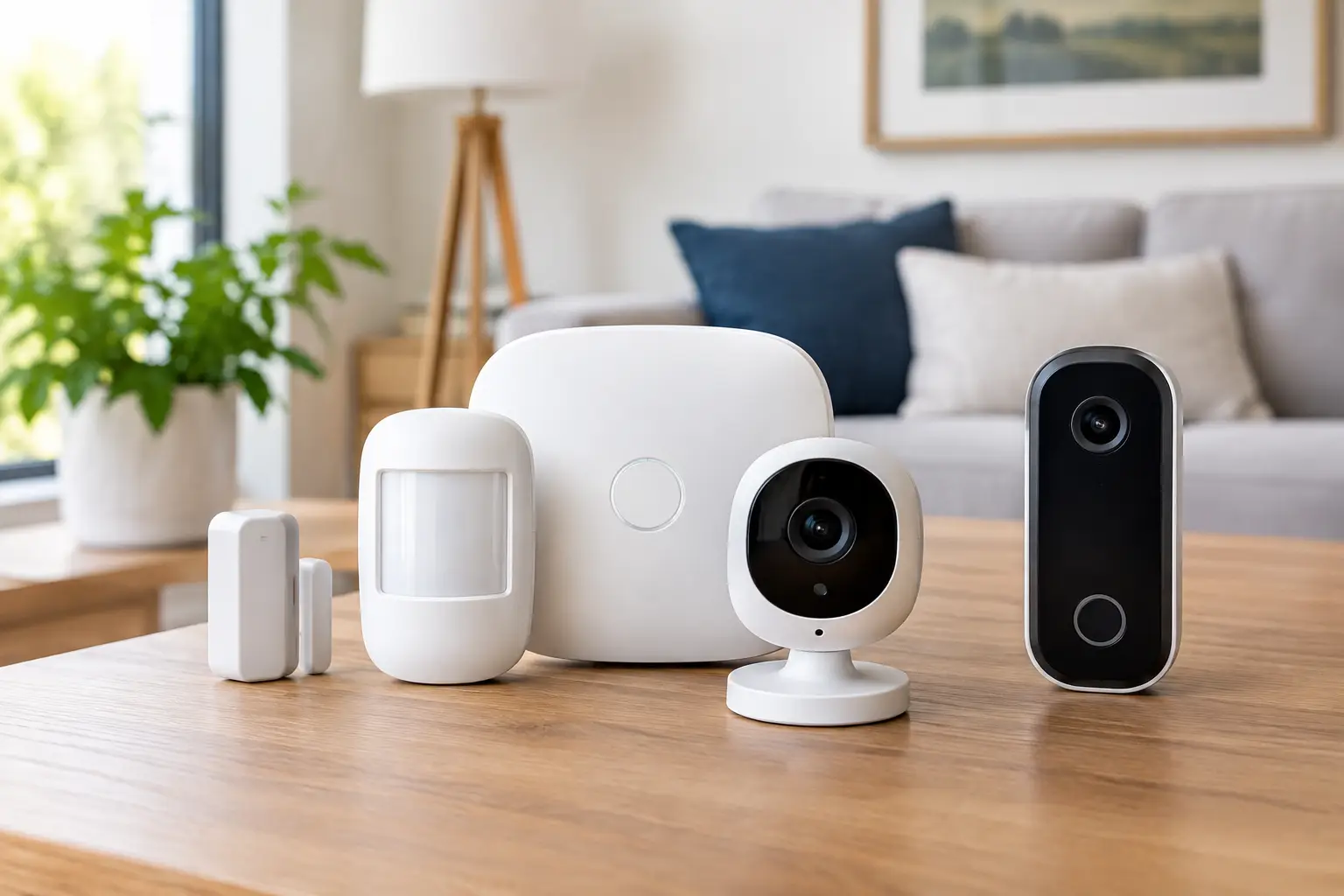
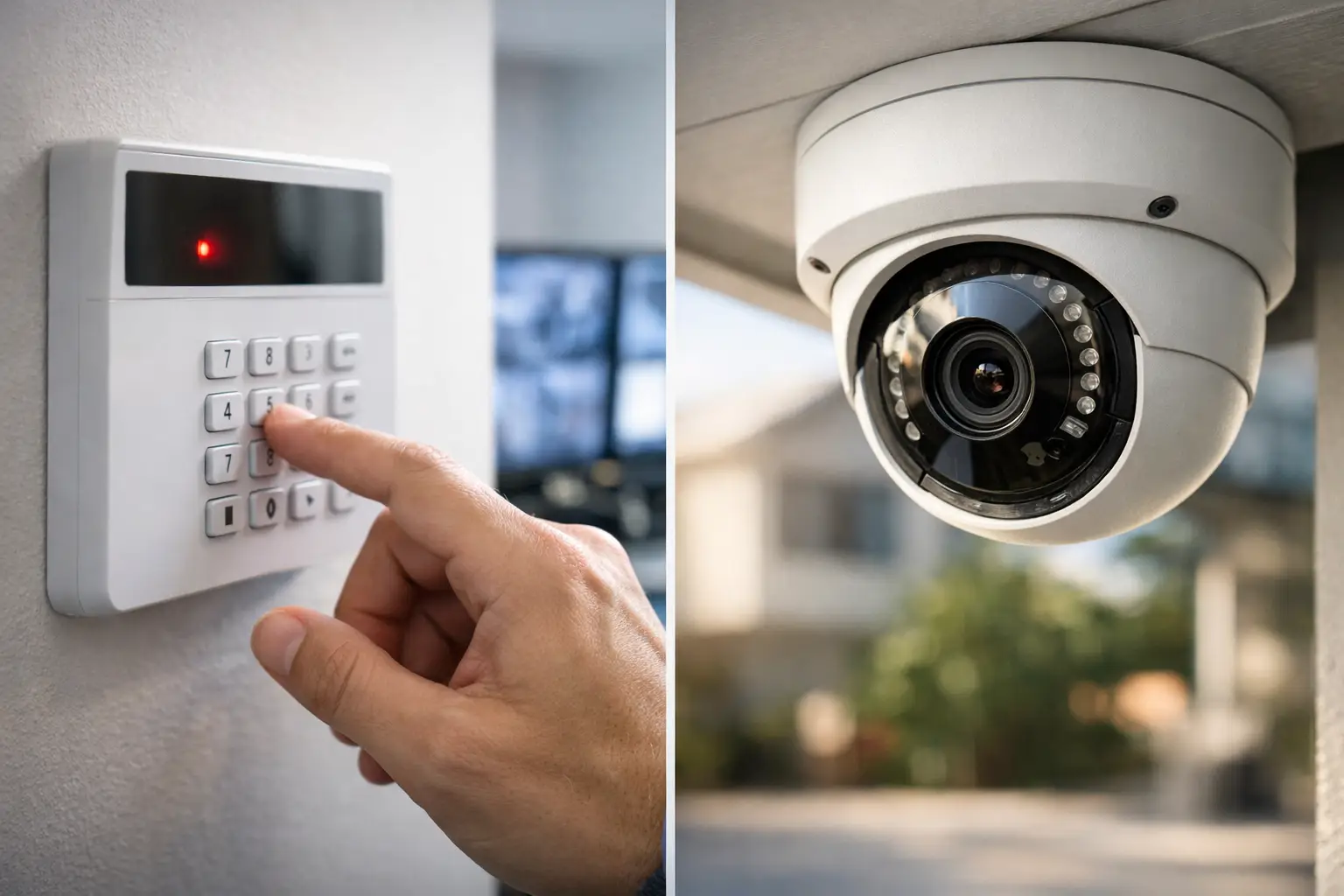
A camera notification at 2:13 a.m. can tell you someone is near your front door. It cannot always tell you whether they are a neighbor, a delivery driver, or a person trying to get inside. That is the real difference in alarm monitoring versus camera only: one gives you a view of an event, while the other creates a response plan when the event may be serious.
For homeowners and small business owners, the right choice depends on what you need your security system to do after it detects activity. Cameras are valuable tools. But when they operate alone, they often place the responsibility for deciding and acting on an alert squarely on you.
Alarm Monitoring Versus Camera Only: The Core Difference
A camera-only system records video and sends motion alerts to your phone. Depending on the device and settings, it may also provide two-way audio, a spotlight, a siren, or smart notifications that distinguish people from vehicles. These features can help you check on your property remotely and may discourage opportunistic theft.
Professionally monitored alarm security adds a trained response layer. Sensors on doors, windows, and interior areas can detect unauthorized entry. Smoke, carbon monoxide, flood, and temperature devices can identify emergencies that a camera may never see. When the system signals an alarm, a monitoring center can assess the event and follow established response procedures, including contacting you and dispatching emergency services when appropriate.
The distinction matters because security incidents do not always happen when you are available to open an app. You may be asleep, driving, in a meeting, on vacation, or simply unable to tell what is happening from a short video clip.
What a Camera-Only Setup Does Well
Camera-only security is a practical starting point for people who want visibility around a property. A video doorbell can help you see visitors and package deliveries. Outdoor cameras can cover driveways, gates, side yards, and loading areas. Indoor cameras can help you check on pets, employees, or activity in common spaces.
For a small business, cameras also provide useful operational awareness. Owners can review opening and closing activity, monitor a customer entrance, or check whether a delivery arrived. Recorded footage can be helpful after an incident, particularly when documenting property damage or identifying a timeline.
Camera systems are strongest when the risk is relatively low and your main goal is awareness. If someone leaves a package at the door or pulls into the driveway, a notification may be all you need.
There are limits, though. Motion alerts can become routine, especially near sidewalks, busy streets, trees, or shared parking areas. If your phone receives dozens of alerts each day, the one that truly matters can be easy to miss. A camera also depends on clear visibility, power, connectivity, and an angle that captures useful details. A person can avoid a camera’s field of view, disable a reachable device, or enter through an area that is not covered.
Why Monitoring Changes the Security Outcome
An alarm system is designed to detect a problem at the point of entry, not only after someone is visible on camera. Door and window sensors can trigger when protected openings are breached. Glass-break sensors can add another layer in rooms with vulnerable windows. Motion detectors can help protect interior pathways after a system is armed.
With 24/7 professional monitoring, an alarm signal is not just another notification competing for your attention. It is routed to people whose job is to respond according to the plan for your account. That is especially meaningful for break-ins, fire alarms, carbon monoxide events, and water leaks, where minutes can make a difference.
Video verification can add even more confidence to the response process. When monitored video and alarm activity work together, trained specialists can review qualifying footage to help verify a potential threat. Verified alarms can provide emergency responders with clearer information than an unconfirmed alert, helping reduce uncertainty when a real event is unfolding.
For business owners, this can mean that a late-night intrusion is not discovered when an employee arrives the next morning. For families, it can mean a smoke or carbon monoxide alert receives attention even if everyone is away from home.
Deterrence Is Better When Devices Work Together
The best security systems do not rely on a single device to carry the full burden. A camera can document a person approaching. An alarm sensor can detect an attempted entry. A smart control panel can activate an alarm response. A monitored service can keep the event moving forward if you cannot respond.
This layered approach also improves deterrence. Visible cameras, doorbell cameras, floodlights, alarm signs, and audible sirens can make a property less appealing to a would-be intruder. AI-enhanced analytics can help identify meaningful activity and reduce unnecessary notifications. Two-way talk can let you address someone at the door, while automated lights can make an entryway less inviting for someone trying to remain unseen.
None of these tools guarantee that a crime will never occur. Their value is in creating more opportunities to detect, discourage, document, and respond before a situation becomes more damaging.
When Camera Only May Be Enough
A camera-only arrangement may suit a property where you primarily want convenience and occasional oversight. For example, you may want to confirm that packages are delivered, watch a rarely used vacation property between visits, or keep an eye on a detached garage that contains limited valuables.
It can also be a reasonable addition to an existing security plan. Cameras are not an alternative to monitored protection in every situation. Often, they are the visual component that makes a complete system more useful.
Before choosing camera only, ask yourself a direct question: if you receive an alert during the least convenient moment, who will take action? If the honest answer is that you might not see it for hours, a camera alone may leave a gap in your protection.
When Professional Alarm Monitoring Is the Better Fit
Monitoring is often the stronger choice when a property has multiple entry points, valuable equipment, children, older adults, frequent travel, or risks beyond burglary. Fire, carbon monoxide, and water damage can create serious losses without anyone appearing on camera. A connected smoke detector, CO detector, flood sensor, or water shutoff device can provide protection that video cannot.
Small businesses should also consider the cost of delayed awareness. An intrusion, broken window, freezer failure, water leak, or unauthorized access after hours can affect inventory, operations, and employee safety. Combining intrusion detection, cameras, access control, and monitoring gives owners a clearer picture and a more dependable response path.
Professional installation is another consideration. Device placement affects performance. A camera aimed too high may miss faces. A sensor placed on the wrong opening may leave a vulnerability. Experienced technicians can assess entry points, traffic patterns, lighting, Wi-Fi coverage, and the features that make sense for your property instead of relying on a one-size-fits-all kit.
Build Protection Around Your Real Life
The decision is not simply about buying more devices. It is about matching protection to the moments when you are unavailable, uncertain, or far from the property. A camera helps you see. A professionally monitored security system helps make sure an alarm has somewhere to go.
Fluent Home can design a custom system that brings intrusion detection, smart cameras, environmental safety devices, automation, and mobile control into one professionally installed solution. You can check your property from one app while knowing trained monitoring professionals are ready when an alarm requires attention.
Choose the level of protection that lets you put your phone down at night, leave for work with confidence, and focus on running your home or business instead of constantly watching it.